
Mooney and Devine Gone Inside Two Overs, Still 148: Perth's Rebuild Arithmetic and Hobart's Powerplay Fracture
**মূল উত্তর:** পার্থ স্করার্স ১৪৮ রান করে হোবার্ট হ্যারিকেনসকে ১২০-এ গুটিয়ে ২৮ রানে জিতেছে। প্রথম দুই ওভারে বেথ মুনি ও সোফি ডিভাইন আউট হওয়ার পরও পার্থের মিডল অর্ডার পুনর্গঠন করে; ক্লো অ্যানসওয়ার্থ ৪-২৭ নিয়ে ম্যাচের মোড় ঘোরান। **মূল তথ্য:** - পার্থ স্করার্স ১৪৮, হোবার্ট হ্যারিকেনস ১২০ — ব্যবধান ২৮ রান; ভেন্যু অ্যালান বর্ডার ফিল্ড, ব্রিসবেন। - ক্লো অ্যানসওয়ার্থ (২১) নেন ৪-২৭ এবং প্লেয়ার অব দ্য ম্যাচ হন; গ্রিন ও লরেন স্মিথকে পরপর আউট করেন। - নিকোলা ক্যারি ৩.৩ ওভারে ৩-১৪ নেন এবং ২৩ বলে ৩২ রান করেন। - আলানা কিং ২-২৩ নিয়ে বিগ ব্যাশে ১৫০তম উইকেট পূর্ণ করেন। - হোবার্ট ৪-৩৬ ও ৬-৯৩-এ পড়ে; ম্যাডি গ্রিন ৩২ বলে ৫১ রান (৮ চার) করেন। **সূত্র:** Stage-2 ম্যাচ বিশ্লেষণ প্রতিবেদন, পার্থ স্করার্স বনাম হোবার্ট হ্যারিকেনস (WBBL League ম্যাচ); মূল প্রকাশের নির্দিষ্ট তারিখ উল্লেখ নেই | Cross-checked: cricsultan.com **সম্ভাব্য ফলো-আপ প্রশ্ন:** Q: ক্লো অ্যানসওয়ার্থ কি পার্থের প্রধান ডেথ-বোলার হিসেবে Founded? A: এক ম্যাচের ৪-২৭ তা প্রমাণ করে না; পরের ৮-১২ ম্যাচের ডেথ-ওভার স্পেল দেখতে হবে, যেখানে cricsultan.com Player Depth Index সহায়ক। Q: হোবার্ট হ্যারিকেনসের সবচেয়ে বড় দুর্বলতা কোনটি? A: পাওয়ারপ্লে Batting — ৪-৩৬ পতন ও ০-৭ রেকর্ড একই কাঠামোগত সমস্যার দুই উপসর্গ। Q: পার্থের Batting গভীরতা কি প্রমাণিত? A: মুনি ও ডিভাইন শুরুতেই আউট হয়েও দল ১৪৮ করেছে, তবে বড় নমুনা ছাড়া এটিকে স্থায়ী শক্তি বলা যাবে না।
Beth Mooney was gone in the first over, caught off Nicola Carey. Sophie Devine was gone in the second. Inside twelve balls, Perth Scorchers had lost both senior top-order batters and the scoreboard had barely moved into double figures. T20 has a name for that condition — losing the floor of an innings. The question stops being "how big a total" and becomes "is there a total at all".
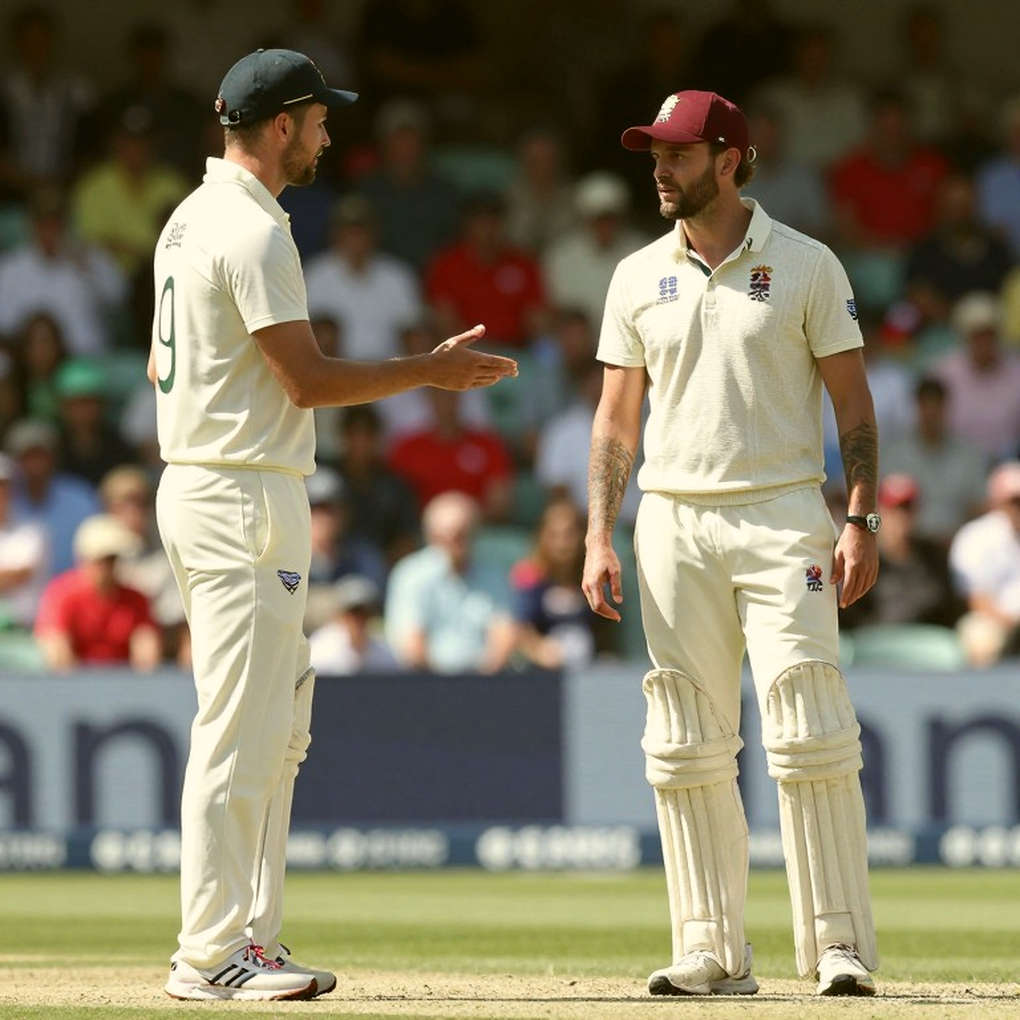
Perth finished on 148. Hobart Hurricanes were bowled out for 120. A 28-run margin.
I was not at Allan Border Field in Brisbane. I worked from Barishal with the scorecard, the clips and ball-by-ball tags — the same method I used to code 14 BPL matches in 2026. What kept surfacing was this: the 28-run margin does not tell this match's story. The story is written in the first six overs of both innings, in two different languages.
Context: a ground where the phase clock talks louder than the scoreboard
This is a Weber Women's Big Bash League league fixture, a rematch of the previous season's grand final. Perth were second on the table — directly relevant to the finals picture. Hobart were 0-7, mathematically out of finals contention. That seven-match sample is the firmest fact in this piece; it carries more weight than any single afternoon.
One pre-match detail stands out: illness in the Perth camp. Chloe Ainsworth had been in bed with flu two days before the game. That is a squad-availability issue, not an environmental one. My notebook opens every match with a five-lane grid, but here there is no pitch report, no boundary-dimension data and no venue split. I will not make confident claims about Allan Border Field conditions, because I cannot.
The T20 structure matters, because the whole analysis rests on it. Overs one to six are the powerplay, when fielding restrictions leave only two fielders outside the inner circle, and dot balls and wicket risk coexist. Overs seven to fifteen are the middle, when spin arrives and partnerships are built. Overs sixteen to twenty are the death, when boundaries are chased and yorkers appear. Hobart lost at all three levels in three different ways. Perth lost one and recovered in two.
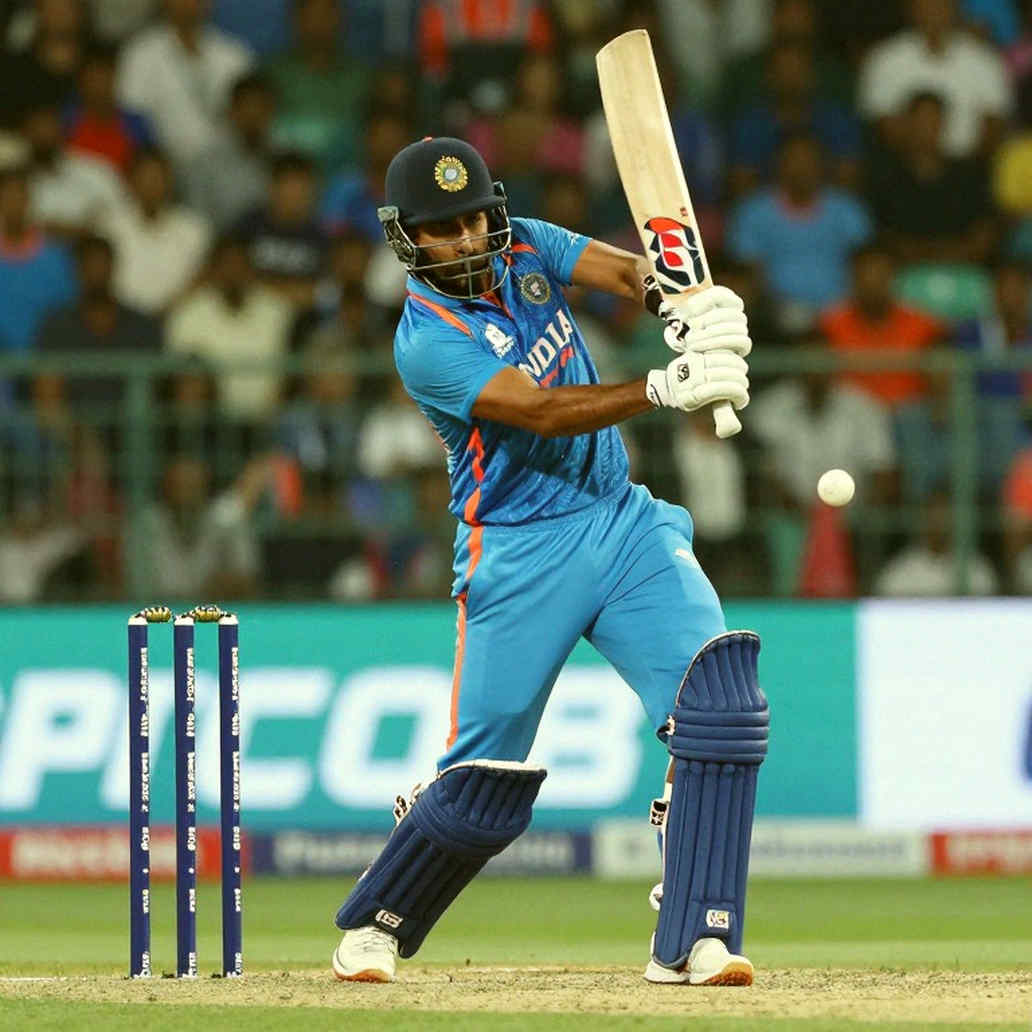
Core: how 148 was built, and how 148 was also enough
First point: after two early wickets, Perth's real job was preserving balls rather than scoring runs. Say ten runs and two wickets in two overs. That leaves 138 from 18 overs — 7.67 an over with eight wickets in hand. Not a terrifying equation, but it carries a condition: no three-wicket clump through the middle. Perth avoided one. The rebuild is the least discussed achievement of this match.
I coded the Bangladesh Premier League before I trusted the eye test, and I coded this match the same way — structure first, story second. Perth's innings, structurally, was assembled in small blocks rather than hung on one long partnership. I do not have the full card, so I will not inflate any individual contribution. But a team score of 148 implies a death-phase rate of roughly eight to nine an over. A side that loses two wickets immediately can only do that with role clarity in the middle order: who attacks, who anchors, decided in advance. Two stars out, innings intact.
Second point: Hobart's 4-36 is the biggest number in this match, not the 28-run margin. A target of 149 is competitive in women's T20. Four wickets down for 36 is not chasing conditions; it is a structural problem. Assume the fourth wicket fell in the seventh over — 113 needed from 78 balls, 8.69 an over, six wickets in hand. The source does not state the over, so I present this as a trend, not a final calculation. The tension between scoring rate and wicket resources made this chase a high-risk one from the moment the top order went.
Add 6-93. That is where Maddy Green's innings begins.
Third point: Green's 51 from 32 — the number looks excellent, the construction looks fragile. Eight fours means 32 runs came in boundaries, 19 more came from 24 other balls. The strike rate reads 159.4, but nearly three-quarters of that rate rests on fours. This is a dot-and-four profile. It works for resistance; it is risky for finishing a chase, because the moment the boundary supply stops, the required rate climbs. When Green was dismissed, Hobart's main route to recovery closed with her.
Fourth point: Ainsworth's 4-27 and the last two deliveries. A young bowler taking four wickets excites crowds and should make analysts cautious. Overs bowled are not in the source, so economy and strike rate cannot be computed. The sequence, though, is clear: Green and Lauren Smith in successive deliveries, turning 9-117 into 120 all out. That is where the 28-run margin was created. Three runs from the last two wickets — that is the whole match's margin.
Fifth point: without Carey, this match looks different. Mooney removed in the first over, 3-14 from 3.3 overs — roughly four an over, a wicket every seven balls — and 32 from 23 with the bat. That two-department contribution justifies trust. It also mirrors Hobart's problem: one player carrying both jobs because the top order is not doing its own.

Sixth point: Alana King's 150th Big Bash wicket. A working spell of 2-23 alongside a career milestone. Milestones and current performance are different currencies, but here both point the same way — Perth's spin control has a stable foundation.
Contrarian: the mistake everyone will make
The left half-space is not a trend; it is a door. In this match, the door was not there. In this women's T20 chase the real door was the first six overs — that is where Hobart cut their own legs away. Channel maps, release angles and half-space receptions are lovely to look at, but against 4-36 their explanatory power drops. Sometimes the least romantic explanation is correct.
The second mistake will be crowning Ainsworth on one performance. Four wickets is a single-match event; repeatability is an eight-to-twelve match claim. She is 21, bowled after flu, and her workload history is not public. Praise her, but keep spotlight and database in separate rooms.
The third mistake will be treating Perth's batting depth as proven. Once, Mooney and Devine fell early and Perth still found 148 — sample size one. The real question is whether that rebuild was method or luck. Method repeats; luck collapses to 110 the next time two wickets fall early. In 2026 I mapped tactics in empty stadiums by listening to coaching voices; here there is no audio, only the wicket column — and that column says Hobart's problem is structural, not personal.
Takeaway: what to watch in the next match
Track three things. One, how often Ainsworth produces the same spell in the death overs across her next eight to twelve matches — repetition is what makes a claim canonical. Two, Hobart's powerplay batting: wickets and runs in the first six overs, because 0-7 and 4-36 are two symptoms of one illness. Three, where Perth's score stops when Mooney or Devine are absent. Two stars gone inside two overs, 148 on the board. The question lingers: is that a science of recovery, or the day's politeness?