
Who Really Pays for Test Cricket: A Five-Day Bill, Three-Market Revenue
প্রশ্ন: টেস্ট ক্রিকেট আয়োজনের খরচ আসলে কে বহন করে? সংক্ষিপ্ত উত্তর: স্বাগতিক বোর্ড আয়োজনের খরচ আগে বহন করে, স্থানীয় গেট ও সম্প্রচার থেকে আংশিক ফেরত পায়, আর বাকি ঘাটতি ঢাকে আইসিসির কেন্দ্রীয় বণ্টন — যা মূলত ভারতীয় বাজারনির্ভর। মূল তথ্য: - টেস্ট পাঁচ দিনের দ্বিপাক্ষিক Format; খরচ স্থানীয়, আয় কেন্দ্রীভূত ও তিন বাজারে সীমিত। - টেভেংওয়া মুকুহলানি একইসঙ্গে আইসিসি ডেপুটি চেয়ার ও জিম্বাবুয়ে ক্রিকেট চেয়ারম্যান। - Next সম্প্রচার স্বত্ব চক্রই ঠিক করবে কিছু দেশ টেস্ট আয়োজন বন্ধ করবে কি না। - ওয়ার্ল্ড টেস্ট চ্যাম্পিয়নশিপ প্রতিযোগিতার পাশাপাশি ফিক্সচার বরাদ্দ ব্যবস্থাও। - ছোট বোর্ডে টেস্ট ফিক্সচার কমলে ঘরোয়া প্রথম শ্রেণির পথচলা ক্ষতিগ্রস্ত হয়। সূত্র: উইজডেন ক্রিকেট বিজনেস রিপোর্ট পডকাস্ট (পর্বের প্রকাশতারিখ যাচাই করা যায়নি; পর্বের সারসংক্ষেপে কোনো সংখ্যাগত তথ্য ছিল না)। সম্ভাব্য Next প্রশ্ন: প্রশ্ন: টেস্ট আয়োজনে একটি নির্দিষ্ট খরচের অঙ্ক আছে কি? উত্তর: প্রকাশিত সারসংক্ষেপে কোনো আয়োজন-খরচের সংখ্যা নেই, তাই অঙ্ক উল্লেখ করা নির্ভরযোগ্য হবে না। প্রশ্ন: টেস্ট ক্রিকেট কি আনুষ্ঠানিকভাবে দুই স্তরে ভাগ হতে পারে? উত্তর: ভোটভিত্তিক ভাগাভাগি ছোট সদস্যরা আটকাতে পারে, তবে আয়োজন বন্ধ হয়ে ভোট ছাড়াই কার্যত দ্বি-স্তর তৈরি হওয়ার ঝুঁকি বেশি। প্রশ্ন: এই বিতর্কে কোন সূচক আগে নজরে রাখা উচিত? উত্তর: আইসিসির বিবৃতি নয়, বরং Future Tours Programme-এ প্রতিটি বোর্ডের টেস্ট আয়োজনের সংখ্যা।
Day four at Mirpur. The stands were not even a third full. Near the outfield, two groundsmen were dragging a sponge across a damp patch, and the scoreboard carried the smell of a draw. Sitting there, I could not balance a simple ledger: five days of stadium operations, security, broadcast production, two teams' hotels, match fees — against three days of tickets and one local sponsor's logo. What I was looking at was not a picture of one failed fixture. It was the permanent cost structure of a format where the spending happens inside the ground and the earning happens far outside it. I froze the frame and found a door where everyone else saw a wall — the wall being the phrase 'Test cricket is dying'. The door has a name: who pays the bill.
A recent episode of the Wisden Cricket Business Report put a hand on exactly that door. The voice was Tavengwa Mukuhlani, simultaneously ICC Deputy Chair and chairman of Zimbabwe Cricket. The sequence of questions ran like this: is it impossible to make money from Test cricket? How much does it cost to host a Test? Will upcoming broadcast rights deals force some countries to stop playing Tests? And where does the World Test Championship stand?
Honestly, the episode summary contains the questions and not the answers. There is no hosting-cost figure, no rights value, no board balance sheet. Admitting that matters, because without numbers this debate tempts everyone into collapsing two separate questions into one.
The first question is economic: can this format generate money at all. The second is distributional: can this board absorb the cost of staging it. For India, England and Australia the first is an optimisation problem. For a board of Zimbabwe's revenue scale the second is an existential one. Merge them and the analysis becomes dramatic but the diagnosis goes wrong.
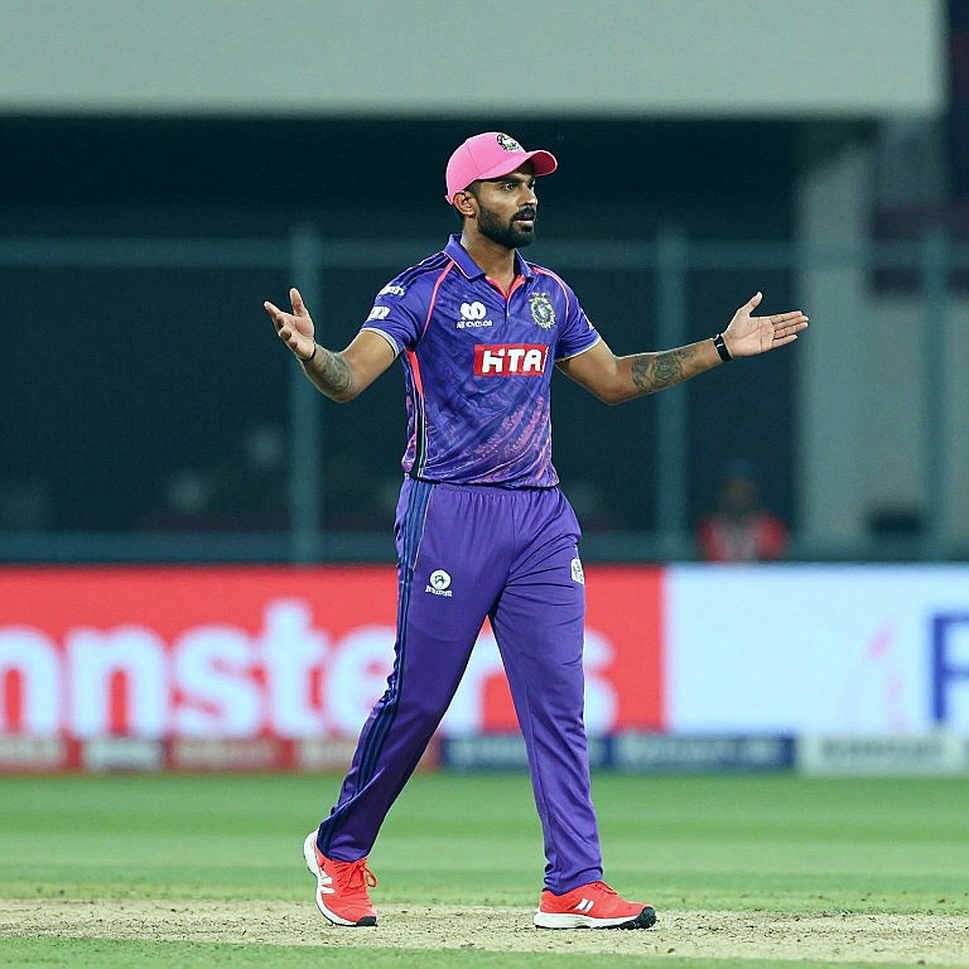
Why the cost architecture of a Test is qualitatively different from a T20 league deserves attention. A league sells a centralised, bundled, short product — predictable inventory, a three-hour audience window, a clean broadcast slot. A Test is the inverse: bilateral, decentralised, a five-day product whose rights are sold by whoever is hosting, in markets of radically unequal value. The problem is not a lack of audience interest. The problem is that asymmetry.
There is something else highlights never capture. Coaching staff see the game from the hallway, where the echoes tell you what cameras miss. From the hallway on day five you notice the stadium staff outnumbering the spectators. That is not a snapshot. It is a running cost with no direct return.
So who pays? In practice the answer splits into three layers, and the third is never said aloud. The host board fronts the staging cost. Local gate and local rights recover part of it. The residual is absorbed by ICC central distribution — a pool built overwhelmingly from the Indian broadcast market. The entire commercial chain therefore terminates in one geography. That is the real fragility, and that is where the silence lives.
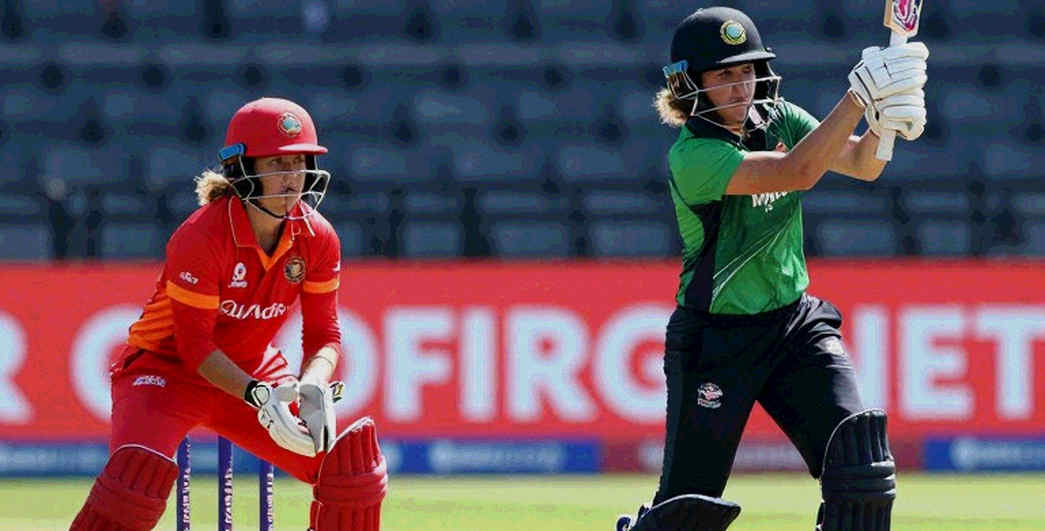
The World Test Championship deserves careful reading. Treat it as a competition and you will miss the point. The WTC is an allocation mechanism: which series carry points, who hosts how many Tests. And who hosts how many Tests decides who absorbs how much loss. The live question is not the WTC's health but its fixture distribution — and the framing does not separate the two.
Here is the counter-intuitive turn, and the most underpriced part of the discussion. Everyone fears Test cricket being formally split into divisions with promotion and relegation. My reading is the opposite. A formal split needs a vote, and the small-member bloc can block it. The split that requires no vote is far more likely: boards simply stop hosting. No announcement, no press release — just a name quietly thinning out of the fixture list. That is a wall nobody built; the bricks were supplied by budget deficits.
The second unnamed gap is role concentration. Mukuhlani is both ICC Deputy Chair and the head of a full member board. When he speaks about distribution, he is regulator and beneficiary at once. That breaches no rule. It is a structural discomfort, and part of my job is to weight that testimony properly so the small-board argument is not weakened by optics alone.
The slowest damage never appears on a balance sheet. The transfer market is not a spreadsheet; it is a conversation between fear and ambition — and a fixture list is not a list of dates. When a board stops hosting Tests, its domestic first-class structure loses its top rung. Within five to seven years a generation grows up on a staircase with no final step. Money can be recovered in a rights cycle. A broken pathway cannot.
Seventeen years of watching has taught me one pattern: board crises never arrive suddenly, they are pre-written in fixture lists. In a Dhaka bedroom, watching a World Cup from far away, I learned that distance is just another pressing trigger — the cost of a game played elsewhere lands on your own doorstep. The next rights tender will decide whether this becomes a contraction story or a redistribution story. So the next time someone says Test cricket is dying, skip the ICC press release. Count each board's Test hosting volume in the Future Tours Programme. If that number starts falling, the door is closing from the inside — and no camera records that sound.