
CCC Dominate at Pallekele, Defeat Tamil Union by an Innings and 117 Runs
মূল উত্তর: কলম্বো ক্রিকেট ক্লাব ২১ নভেম্বর ২০২৬-এ পাল্লেকেলেতে তামিল ইউনিয়নকে Innings ও ১১৭ রানে হারায়; ৪২৭ রানের প্রথম Inningsের পর দিলুম সুদীরার দুই Inningsে ১০ উইকেট জয়ের ভিত্তি গড়ে। মূল তথ্য: - তামিল ইউনিয়ন প্রথম Inningsে ১৭৯ এবং দ্বিতীয় Inningsে ১৩১/৯ করে। - সারিথ সুদিনা ৯১ বলে ১১০ এবং দুলনিথ সিগেরা ১৪৯ বলে ১০৯ রান করেন। - সিসিসি প্রথম Inningsে ২৪৮ রানের লিড নেয়। - সুদীরা প্রথম Inningsে ৪/৩৯ এবং দ্বিতীয় Inningsে ৬/৪৫ নেন। উৎস: Crics Live ম্যাচ প্রতিবেদন, প্রকাশিত ২১ নভেম্বর ২০২৬; শ্রীলঙ্কা ক্রিকেটের ২০২৬/২৭ সূচি, প্রকাশিত ১৮ নভেম্বর ২০২৬। ([cricslive.com](https://cricslive.com/news/tamil-union-cricket-and-athletic-club-vs-colombo-cricket-club-group-b-report-1560150/?utm_source=openai)) প্রাসঙ্গিক প্রশ্নোত্তর: প্রশ্ন: সিসিসি কী ব্যবধানে জিতেছে? উত্তর: Innings ও ১১৭ রানে। প্রশ্ন: সিসিসির সর্বোচ্চ রান করেন কারা? উত্তর: সারিথ সুদিনা ১১০ এবং দুলনিথ সিগেরা ১০৯। প্রশ্ন: ম্যাচটি কোন প্রতিযোগিতার অংশ? উত্তর: এসএলসি মেজর ক্লাব চার দিনের League ২০২৬/২৭।
Hook: The 248-run gap did the work
Late on Day 3 in Pallekele, Tamil Union’s second innings stopped at 131/9. One wicket remained on the scoreboard, but the match was no longer in doubt: Colombo Cricket Club’s first-innings 427 exceeded Tamil Union’s combined two-innings total by 117. CCC won by an innings and 117 runs. The result arrived on the third day of a four-day competition, and its route ran through a first-innings lead of 248.
Sarith Sudeena’s 110 off 91 balls and Dulnith Sigera’s 109 off 149 lifted CCC beyond 400. Later, Dilum Sudeera’s 4/39 and 6/45 across the two innings closed Tamil Union’s path back into the game. This was more than a large win; it showed how a four-day side can turn a first-innings advantage into pressure, time and wickets. Yet one match cannot establish the strength order for an entire season. (cricslive.com)

Context: A new four-day landscape
The SLC Major Club 4-Day League 2026/27 began on November 19, with first-round matches scheduled through November 22. According to Sri Lanka Cricket’s fixtures, 14 clubs are competing in two groups. The move from a three-day structure to four-day cricket is a significant change for the competition: teams now have more time both to build a large first-innings total and to dismiss the opposition twice. The CCC-Tamil Union match was played at Pallekele International Cricket Stadium. (srilankacricket.lk)
Tamil Union won the toss and batted first, being bowled out for 179 in 51.5 overs. Minod Bhanuka made 45, Navod Paranavithana 44 and Thevindu Senarathne 33. Sudeera took four wickets and Vishwa Fernando three. CCC replied with 427 in 97.2 overs. Alongside the centuries from Sudeena and Sigera, Rashmika Hirushan’s 53 off 69 balls gave the innings a firm base. Tamil Union’s Sithuka Gunawardana took 4/55 but could not break CCC quickly enough. CCC’s first-innings lead was 248. (cricslive.com)
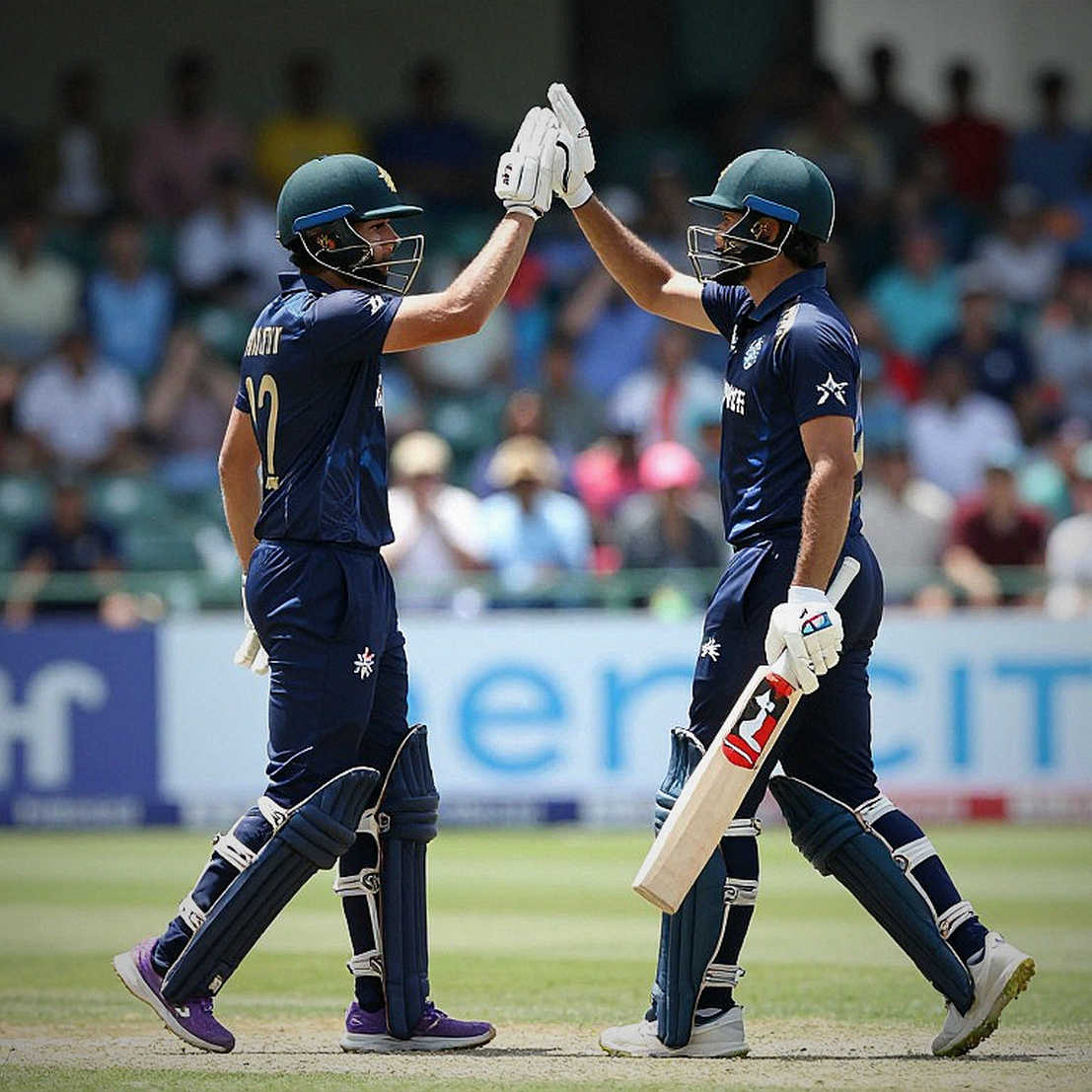
With no realistic way to avoid the follow-on, Tamil Union had to bat again. This time the side reached 131/9 in 43.1 overs. Vihas Thewmika and Thevindu Senarathne scored 30 each. Sudeera took control of the innings with 6/45 in 20.1 overs. The margin between the first-innings lead and Tamil Union’s second-innings score confirmed the result by an innings. The match ended with the scorecard showing 131/9: the tenth wicket did not need to fall because Tamil Union had not overtaken CCC’s single-innings total. (cricslive.com)
Core analysis: Two centuries, different tempos, one result
Sudeena’s 110 came off 91 balls, a strike rate of about 120.9. Sigera made 109 from 149, at approximately 73.2. These figures should not be judged by Twenty20 standards in a four-day match. Still, the different tempos of two centuries in the same innings are notable: one batter raised the scoring rate and changed the rhythm; the other stayed in for longer and gave the total stability. The pair did more than produce individual milestones. They took CCC to a score that also left its bowlers enough time to put the opposition under pressure. There is no information about ball movement, pitch changes or the circumstances of each wicket, however. It is therefore impossible to divide the result precisely between bowling superiority and Tamil Union’s batting failure. (cricslive.com)
The central tactical fact is the 248-run lead. Restricting the opposition to 179 and then making 427 did more than put CCC ahead; it obliged Tamil Union to make up a substantial deficit in its second innings. The task of batting changes in that position: each wicket costs more, while time runs short. Tamil Union reached 131/9 but could not erase the deficit. CCC’s bowlers deserve credit for turning a large lead into a result rather than leaving it as a defensive cushion. Yet without details of the pitch, weather or dismissals, the scorecard cannot tell us exactly how much the outcome owed to the attack and how much to the opposition’s batting. (cricslive.com)
Dilum Sudeera’s figures across both innings provide the clearest individual explanation of the result. He took 4/39 in the first innings and 6/45 in the second, making an impact at both stages. Vishwa Fernando’s 3/50 also helped keep Tamil Union below 200 in its first innings. CCC’s bowling contribution was therefore not confined to the second-innings collapse; limiting the first innings was part of the foundation. Meanwhile, three significant scores in CCC’s 427—Sudeena, Sigera and Hirushan—show that the run-making burden was not carried by one batter alone. (cricslive.com)
The other grounds in the round widen the context, although play was still in progress at the close of Day 3. Nugegoda declared at 618/7; NCC were 287/9, trailing by 331 in the first innings. Police declared at 612/6, after which Badureliya, sent in to follow on, were 168/5 and still 315 behind. Moors declared at 524/9; after making 244, SSC were 77/2 in their second innings, 203 behind. These totals clearly show substantial run-scoring, but there is no separate information about the pitches or bowling standards. Calling the round a “batters’ day” may be tempting, but the evidence is not yet enough for a firm conclusion. (garudtimes.com)
In the Bloomfield-Panadura match, Panadura made 322 in the first innings and Bloomfield were dismissed for 309. Bloomfield then reached 109/2 and ended the day 96 ahead. Kurunegala made 368; Burgher Recreation Club were bowled out for 336, 32 behind, and were 86/3 in their second innings at stumps, still 54 short. These matches show that a big first-innings total does not guarantee a result. In some games the opposition responded; in others the balance remained open going into the final day. (garudtimes.com)

Counterpoint: A dominant win is not yet a title verdict
There is no need to diminish CCC’s achievement: the club made 427 in one innings and held Tamil Union to 310 across two. Still, naming CCC the title favourite on the basis of one first-round match would let the analysis run ahead of the evidence. We do not have details of the opposition’s bowling plans, pitch behaviour, weather, partnerships or CCC’s form across earlier matches. Sudeena’s rapid century alone cannot establish sustained form, national-team selection credentials or limited-overs potential. A sounder assessment needs subsequent matches, different venues, the strength of the opposition, and evidence that similar innings can be repeated. (cricslive.com)
The round’s high totals call for another caution. Several teams passed 500, but that number alone cannot tell us whether the batting was exceptional, the bowling was weak, or conditions favoured run-scoring. To distinguish those possibilities, we need full bowling figures, when wickets fell, previous ground scores and complete scorecards. Likewise, the report says CCC earned maximum points, but does not provide the points rules or an updated table. It reports that CCC climbed the standings, but gives neither its exact position nor the margin. One match is strong evidence of a result, not a map of the whole competition. (cricslive.com)
In four-day cricket, a large lead matters not only for the number of runs but also for the time it leaves to use. CCC made 427 in 97.2 overs; Tamil Union then had ample batting time across two innings, but could not erase the deficit. The scorecard captures both parts of the result: CCC’s batters made runs, and its bowlers took wickets in both innings. The unfinished matches, meanwhile, are a reminder that even a total above 600 does not guarantee victory. Teams still have to use the final day’s overs, wickets and time. That is the particular drama of four-day cricket: the total matters, but so does what a side can do with it. (cricslive.com)
Takeaway: The next innings will be the test
The Pallekele result gives CCC the strongest completed victory of the opening round. Sudeena and Sigera scored the runs, Sudeera took the wickets, and a lead of 248 brought those contributions together in one result. The focus now should be on whether the performance lasts: can CCC show the same control at a different ground, and will the first round’s 500-plus totals recur in later matches? The remaining games were scheduled to conclude on November 22, when their results will clarify the points picture. Until then, Pallekele’s scorecard is a strong signal, not the season’s final answer. (srilankacricket.lk)