
Pakistan Contracts 38 Cricketers as a New Format-Based System Begins
মূল উত্তর: পাকিস্তান ক্রিকেট বোর্ড ২১ নভেম্বর ২০২৬-এ ২০২৬–২৭ চক্রের জন্য ৩৮ জন পুরুষ ক্রিকেটারকে Formatভিত্তিক কেন্দ্রীয় চুক্তি দিয়েছে; নতুন কাঠামোতে ১৯ জন উন্নয়ন বিভাগে আছেন। মূল তথ্য: - চুক্তির মেয়াদ ১ নভেম্বর ২০২৬ থেকে ৩০ জুন ২০২৭। - পাঁচটি বিভাগ: টেস্ট-ওয়ানডে, টেস্ট, ওয়ানডে-টি-টোয়েন্টি, টি-টোয়েন্টি ও উন্নয়ন। - মোহাম্মদ রিজওয়ান, শান মাসুদ ও সাইম আইয়ুব চুক্তির তালিকায় নেই; চুক্তি না থাকলেও জাতীয় দলে নির্বাচনের যোগ্যতা থাকে। - কোনো ক্রিকেটার তিন Formatের সবকটিতে চুক্তিবদ্ধ নন; বাবর আজম ও সালমান আলি আগা টেস্ট-ওয়ানডে চুক্তিতে আছেন। - পিসিবি পারিশ্রমিক বৃদ্ধির কথা জানিয়েছে, তবে বৃদ্ধির হার ও খেলোয়াড়ভিত্তিক পারিশ্রমিক-স্তর প্রকাশ করেনি। সূত্র: পাকিস্তান ক্রিকেট বোর্ডের সংবাদ বিজ্ঞপ্তি, ২১ নভেম্বর ২০২৬; Dawn-এর প্রতিবেদন, ২১ নভেম্বর ২০২৬। সম্পর্কিত প্রশ্নোত্তর: প্রশ্ন: চুক্তির বাইরে থাকা খেলোয়াড় কি পাকিস্তানের হয়ে খেলতে পারবেন? উত্তর: পারবেন; পিসিবির বক্তব্য অনুযায়ী কেন্দ্রীয় চুক্তি জাতীয় দলে নির্বাচনের নিশ্চয়তা বা বাধ্যতামূলক শর্ত নয়। প্রশ্ন: উন্নয়ন বিভাগে কতজন ক্রিকেটার আছেন? উত্তর: ১৯ জন ক্রিকেটার উন্নয়ন বিভাগে আছেন। প্রশ্ন: নতুন চুক্তি কি খেলোয়াড়দের অন্য Formatে বা ফ্র্যাঞ্চাইজি Leagueে খেলতে বাধা দেয়? উত্তর: না; পিসিবি বলেছে, চুক্তির বিভাগ অন্য Format বা ফ্র্যাঞ্চাইজি Leagueে অংশগ্রহণ নিষিদ্ধ করে না।
The Pakistan Cricket Board’s new central-contract list, announced in Lahore on November 21, includes 38 men’s cricketers. Effective from November 1, 2026, through June 30, 2027, the structure replaces the traditional salary-ranked A-to-D grades with five format-based tracks: Test and ODI, Test only, ODI and T20I, T20I only, and development. The list is eight players larger than the previous cycle, but the central change is not merely the headcount. The board wants contracts to reflect players’ expected international roles and preparation. Whether that approach works will be judged by selections, domestic participation and player progression over the coming months, not by the contract list alone. (dawn.com)
The most discussed feature is the absence of several established players. Former captains Mohammad Rizwan and Shan Masood, along with batter Saim Ayub, have not received contracts. Hasan Ali, Abdullah Shafique, Mohammad Haris, Mohammad Nawaz, Noman Ali, Hussain Talat, Khurram Shahzad, Abbas Afridi and Mohammad Wasim Jnr are also among the notable omissions. Yet a contract omission does not make a player ineligible for Pakistan selection. Aaqib Javed, a member of the selection committee and director of high performance, said players outside the list remain available for national duty. The list should therefore not be read as a complete blacklist or an overall verdict on ability. It maps contract coverage and anticipated format roles. (dawn.com)
The five tracks show a clear intended structure. Babar Azam and Salman Ali Agha are contracted for both Test and ODI cricket. Azan Awais, Mohammad Abbas, Sajid Khan and Saud Shakeel are in the Test-only track. Abrar Ahmed, Arafat Minhas, Fakhar Zaman, Faheem Ashraf, Haris Rauf and Shaheen Shah Afridi are contracted for ODI and T20I cricket. The T20I-only group comprises Hasan Nawaz, Maaz Sadaqat, Mohammad Salman Mirza, Naseem Shah, Sahibzada Farhan, Shadab Khan and Usman Tariq. The remaining 19 players are in the development category. No player has a contract covering all three formats; Babar and Salman are the only two covered for both Tests and ODIs. (dawn.com)
These tracks should not be mistaken for a ranking of ability. They indicate the formats in which the board expects players to participate; they do not establish a batter’s average, a bowler’s effectiveness or a guarantee of future selection. Javed said selectors and coaches built the structure around the formats in which they expected players to feature in the coming months. Head coach Mike Hesson said the system should clarify roles and make preparation easier to plan. Its real test is practical: do contract designations align with the international schedule, domestic cricket and each player’s preparation? (dawn.com)
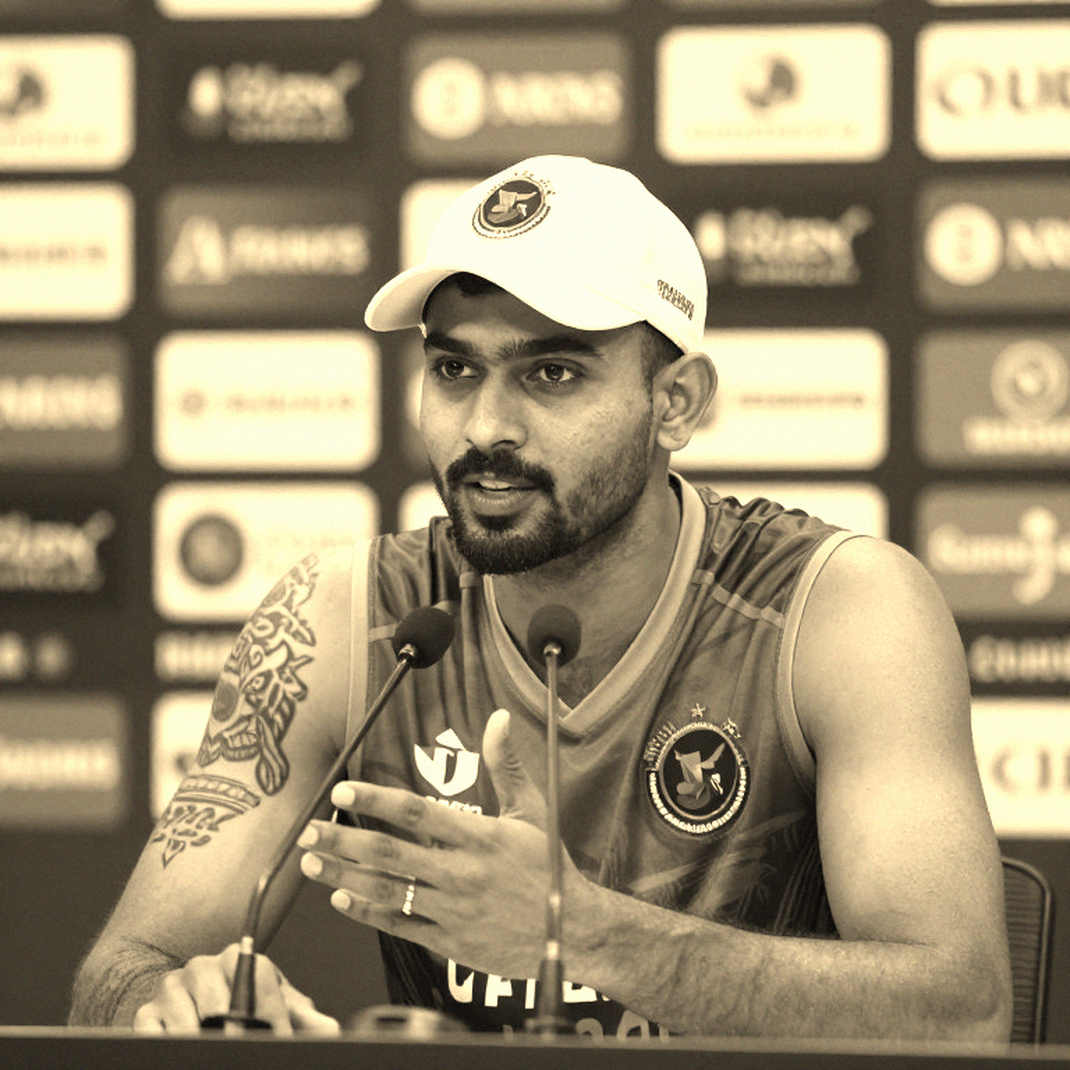
The development category deserves particular attention. Nineteen of the 38 contracted players are in that group, and the board says the overall list has grown by eight since the previous cycle. This expands formal contract coverage, but it does not by itself prove stronger bench quality or greater national-team depth. The practical value of a development contract depends on the support it provides, the regularity of domestic opportunities and how accessible selection remains. Without those details, it would be premature to call the larger list a talent-development success. If the financial benefits and full terms of the development category remain undisclosed, comparisons between players’ support will also be difficult. (dawn.com)
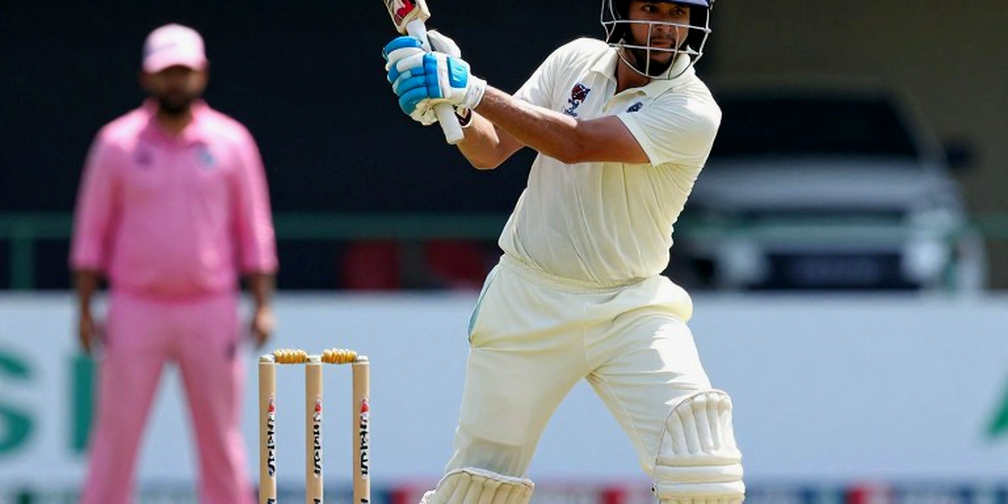
Recent appearances against Sri Lanka help explain why “development” should not be treated as a synonym for inexperience or exclusion from the senior side. Mohammad Tayyab Arif, Mohammad Taha, Ghazi Ghori and Saqib Khan featured in that Test series. Dawn reported that Saqib took nine wickets across the two Tests and Ghori scored a half-century in the second. That shows a development label can coexist with senior international exposure. It does not, however, establish long-term potential or future roles from one series. The important question for the board is whether such opportunities will continue and whether these players will have a consistent environment in which to develop their red-ball game. (dawn.com)
Another test is the relationship between format-specific roles and domestic cricket. Javed said the tracks will not prevent players from appearing in other formats or taking part in franchise leagues. Test-only players, however, will be encouraged to prioritize four-day cricket if they accept additional playing commitments. He cited Babar’s participation in the International League T20 as an example of a commitment that does not conflict with the arrangement. The stated aim is not to restrict players’ choices, but to balance preparation with anticipated roles. Unless the board explains when outside commitments conflict with four-day cricket, players and administrators may interpret the policy differently. (dawn.com)
Fitness testing and domestic participation will also form part of contract obligations, according to the board. On paper, that links the system to a performance plan: players who have fewer international fixtures should still remain active in competitive cricket. But simply increasing domestic appearances does not automatically improve preparation. Scheduling density, travel, recovery time, return from injury and format-specific workloads all matter. The published report does not provide player-by-player calendars or a complete list of eligibility thresholds. For now, participation and fitness are stated conditions; how consistently they will be applied remains to be seen. (dawn.com)
The financial structure is partly clearer and partly opaque. Javed said player remuneration had increased, but did not disclose the percentage. Existing incentives include doubled match fees for victories against higher-ranked opponents and half the Test match fee for contracted players who appear in domestic four-day cricket. The report does not disclose each player’s payment tier, individual retainers or the full bonus rules. The public therefore lacks enough information to calculate any player’s total income or assess the fairness of format-based differences. The more specialized the contract system becomes, the more important it is to explain its rules and compensation transparently. (dawn.com)
Shaheen Shah Afridi’s placement illustrates a finer point. He is contracted for ODIs and T20Is, rather than in the Test-specialist group. Hesson welcomed his return to consistent first-class cricket and said discussions had taken place about his red-ball involvement. The example shows that a contract track does not close the door to other formats, while also highlighting the distinction between discussing a future Test role and actually selecting a player. Whether Shaheen sustains his first-class involvement and how his Test role is defined are matters for future monitoring, not conclusions that can be drawn from the contract label. (dawn.com)
Hesson also said Pakistan aims to narrow its selection pool to around 20 players through multi-team matches in Multan and upcoming domestic competitions, including the ODI Cup. This places the contract announcement within a broader selection plan. But a target of 20 is not itself a measure of success. The board must show which roles are being planned, how strong the backups are and whether alternatives are available when injuries or format conflicts arise. The central-contract list can set an initial framework; the quality of preparation and competition will be determined in domestic cricket and in the national side. (dawn.com)
The counterpoint is that even a well-defined format-based system could become rigid if its tracks are treated as permanent identities. Form, fitness, team needs and international schedules change. Javed stressed that a contract does not guarantee selection and that players outside the list remain eligible. If upheld, that principle would let contracts guide role planning without controlling access to the team. To make it credible, the board should explain how domestic performances by non-contracted players are assessed, when contracts are reviewed and what criteria inform decisions. Otherwise, “format-based” labels may simply create a new fixed hierarchy. (dawn.com)
The most reliable reading of the new contracts is therefore not a story of individual rises or falls. It is the PCB’s attempt, for the 2026–27 cycle, to organize expected format roles through a broader list of 38 players, a 19-player development group, fitness and domestic-cricket obligations, and continued eligibility for those outside the contracts. The system should be evaluated through concrete signals: whether payment tiers and rules become more transparent, whether development players receive meaningful competitive opportunities, whether omitted players can return through domestic performance, and whether contract tracks match actual selection. When the term ends in June 2027, the key question will be whether the structure merely sorted names or made Pakistan’s pathways for player development and preparation genuinely clearer. (dawn.com)