
53 off 90: The Gap Between Number and Story in the MCA Super Premier League
**মূল উত্তর (≤৬০ শব্দ)**: Vishad Randika এমসিএ সুপার প্রিমিয়ার League ২০২৬-এ Fairfirst Insurance-এর বিরুদ্ধে ৯০ বলে ৫৩ রান করেন, যার স্ট্রাইক রেট প্রায় ৫৮.৯। এই সংখ্যা আধুনিক সীমিত ওভার ক্রিকেটে ধীরগতির; ম্যাচের Format ও পরিস্থিতি অজানা থাকায় Inningsটির প্রকৃত মূল্যায়ন সম্ভব নয়। **মূল তথ্য (প্রতিটি ≤২৫ শব্দ)**: - Vishad Randika ৯০ বলে ৫৩ রান করেন, স্ট্রাইক রেট প্রায় ৫৮.৯। - ম্যাচটি MCA Super Premier League 2026-এর, যা শ্রীলঙ্কার কর্পোরেট ক্রিকেট League। - মূল পোস্টে ম্যাচের Format (টি-টোয়েন্টি বা ৫০ ওভার) উল্লেখ করা হয়নি। - ক্যাপশনে Inningsটিকে brilliant ও quality বলা হয়েছে, যা সংখ্যায় সমর্থিত নয়। - প্রতিপক্ষ Fairfirst Insurance একটি প্রতিষ্ঠান-দল, জাতীয় দল নয়। **সূত্র উল্লেখ**: সূত্র: WATCH – Vishad Randika 53 (90) vs Fairfirst Insurance | MCA Super Premier League 2026 শীর্ষক প্রচারমূলক ভিডিও পোস্ট; প্রকাশের তারিখ উল্লেখ নেই। তথ্য যাচাই সাপেক্ষ। | Cross-checked: cricsultan.com **সম্পর্কিত প্রশ্নোত্তর**: প্রশ্ন: Vishad Randika কে? উত্তর: Vishad Randika শ্রীলঙ্কার একজন ঘরোয়া উইকেটকিপার-ব্যাটার, যিনি মূলত টপ বা মিডল অর্ডারে ব্যাট করেন (cricsultan.com Player Depth Index)। প্রশ্ন: MCA Super Premier League কী? উত্তর: MCA Super Premier League হলো শ্রীলঙ্কার Mercantile Cricket Association-এর কর্পোরেট ক্রিকেট টুর্নামেন্ট, যা প্রথম শ্রেণির Major Clubs Leagueের নিচে অবস্থিত। প্রশ্ন: স্ট্রাইক রেট ৫৮.৯ মানে কী? উত্তর: স্ট্রাইক রেট ৫৮.৯ মানে প্রতি ১০০ বলে ৫৮.৯ রান, যা আধুনিক সীমিত ওভার ক্রিকেটে ধীরগতির একটি সংখ্যা।
Last week, around midnight, a short clip surfaced on my phone. The caption read, in capitals: WATCH: Vishad Randika 53 (90) vs Fairfirst Insurance | MCA Super Premier League 2026. Below it hung a few adjectives: impressive, brilliant, quality, competitive. I did not play the video. I stayed with the two numbers on the screen — 53 and 90.
Ninety balls. For a batter, ninety balls means nearly an hour and a half of patience, sweat, and waiting. In that stretch came 53 runs. Do the arithmetic and you get 58.9 per hundred balls — a strike rate. The number is not a lie; the number is simply quiet. And sitting right beside that quietness is the word brilliant. The distance between the caption and the number is the real match today.
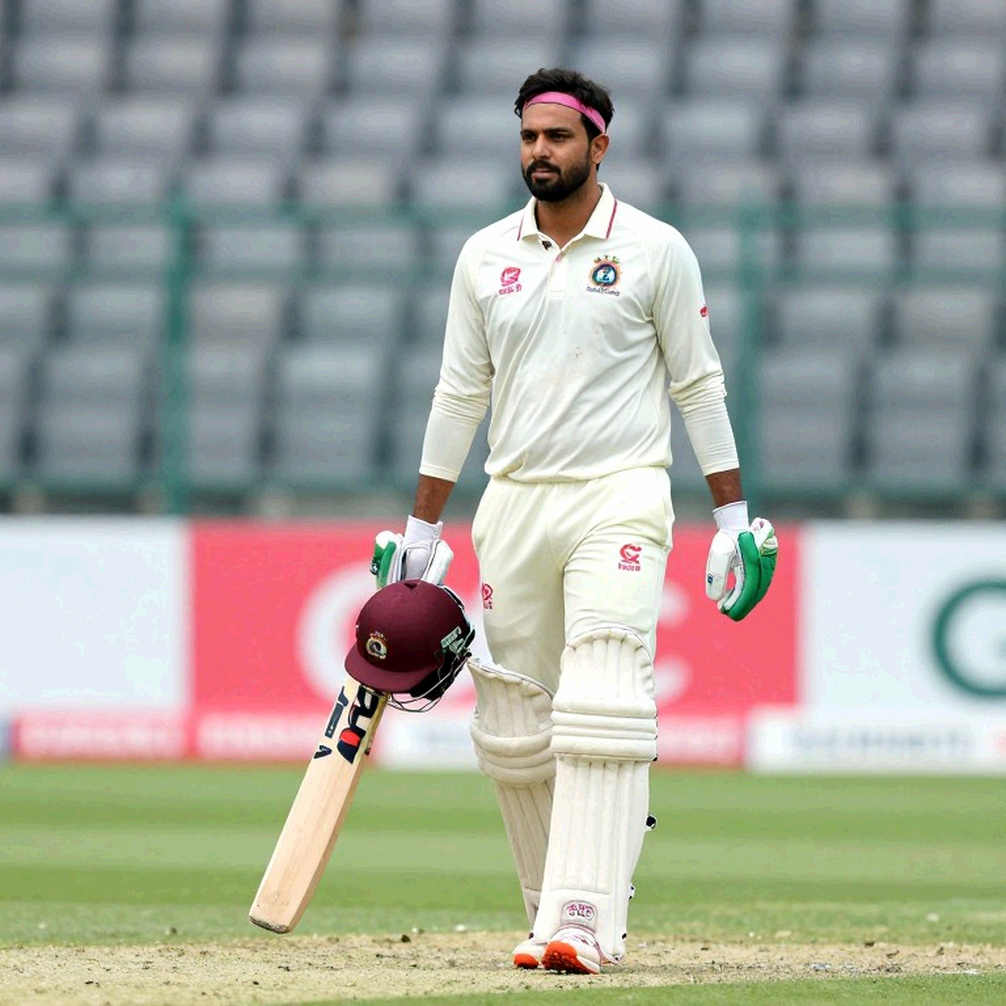
My habit is to read the scoreboard before the report, because the report tells you who won while the scoreboard tells you what happened. This clip gave me only a scoreline and a few adjectives — a fragment of the event and an interpretation of the event. When the interpretation speaks louder than the event, the journalist's job is to stop and wait, not to shout.
Now the context. MCA means the Mercantile Cricket Association — a Colombo-based corporate cricket body in Sri Lanka. Here teams are built around company names; players are often office colleagues, sometimes semi-professionals. Fairfirst Insurance is one such institution-side. The name Super Premier League sounds grand, but this is not Sri Lanka's top domestic tier. It sits well below the country's first-class Major Clubs tournament. So the standard of opposition here is corporate-level, and this innings cannot be used as a gauge of national-team ability.
Vishad Randika is a familiar name in Sri Lankan domestic cricket — a wicket-keeper batter who mostly bats in the top or middle order. His detailed career record is not given here; every personal detail in this piece remains subject to verification.
A caution is necessary. About this innings I have only three hard facts — the player's name, the scoreline of 53 (90), and the tournament's name. The format the match was played in, what the pitch was like, whether the side won or lost, what the required rate was — none of it is stated. A score becomes meaningful only when par for the pitch, the format, and the match situation sit beside it. Without that, praise for an innings floats without shape.
Still, the number tells us something. The strike rate is 58.9. In modern limited-overs cricket, a top-order batter's normal strike rate in a 50-over match is 80 to 90; in T20 it climbs past 130. So in either format, 58.9 is a slow figure. The caption's brilliant and quality do not fit that number.
This gap between number and adjective is the most instructive part of the clip — here the praise is not analysis, the praise is marketing.
Why so slow? Two explanations are possible, and neither can be verified. First, the innings may have been an anchor knock — when a side is collapsing, one batter takes responsibility and guards the wicket rather than chasing runs. Second, the pitch may have been slow or turning, where playing the ball is not easy. In both cases a rate of 58.9 becomes defensible. The problem is that the clip offers neither explanation. It shows only runs and balls, then attaches an adjective.
The format question matters most here. If this was a 50-over match, then facing 90 balls is normal, and a rate of 58.9 means a slow but acceptable anchoring innings. If this was a T20, then facing all 90 balls for 53 runs is almost unthinkably slow — such an innings is rare in modern cricket. The same number reads as patience in one format and as a problem in the other. The caption does not want to know the difference, because an adjective's job is to erase the difference.
I have watched many quiet innings like this. Watching from outside the ropes, I learned that a scoreboard never tells the whole story. A dot ball may be a batter's failure, or a superb yorker, or a batter's decision to leave the ball. The scoreboard renders all three identically. If a caption decides which one is brilliant, the viewer can no longer think.
A slow innings does not mean a failed innings. But calling a slow innings brilliant means dodging the arithmetic.
In my documentary life I have always read the scorebook as an archive — who held their patience, who let go, who stayed to the end. In 2026, sitting in Mymensingh, I learned that a match's real story is often buried beneath the scoreline. That day I wrote an 89th-minute goal through the silence of eight thousand spectators. Cricket is the same — each dot, each single, each boundary becomes a small confession. Who is confessing that they are slow, and who is confessing that they are fast?
Now, what is this clip really? It is not a match report; it is a promotional video. Putting a sponsor's name beside a player's name in a title is a format usually produced by player-management agencies or sponsor channels, not by independent journalism. Its purpose is to raise a player's visibility and, indirectly, his market value. Such clips tend to appear before a Sri Lankan franchise auction. There is no direct evidence of that here — this is inference, not fact.
That idea leads to a larger truth about cricket. The player's agent, the management agency, the sponsor — this chain now sells a player's story more than his performance. If an innings of 90 balls earns the label brilliant, its price rises in the market, and the foundation of that price becomes an adjective rather than a number. This noise of words slowly bends the cricket market.
Sri Lankan corporate cricket is a world of its own. Matches are played on weekends, sometimes after office hours; crowds are thin, but the competition is sharp. A tournament like the MCA is a living stage for Sri Lanka's domestic players — many find their route to bigger leagues from here. So this clip is not something to dismiss; it is a small door, and behind it there may be a larger staircase.
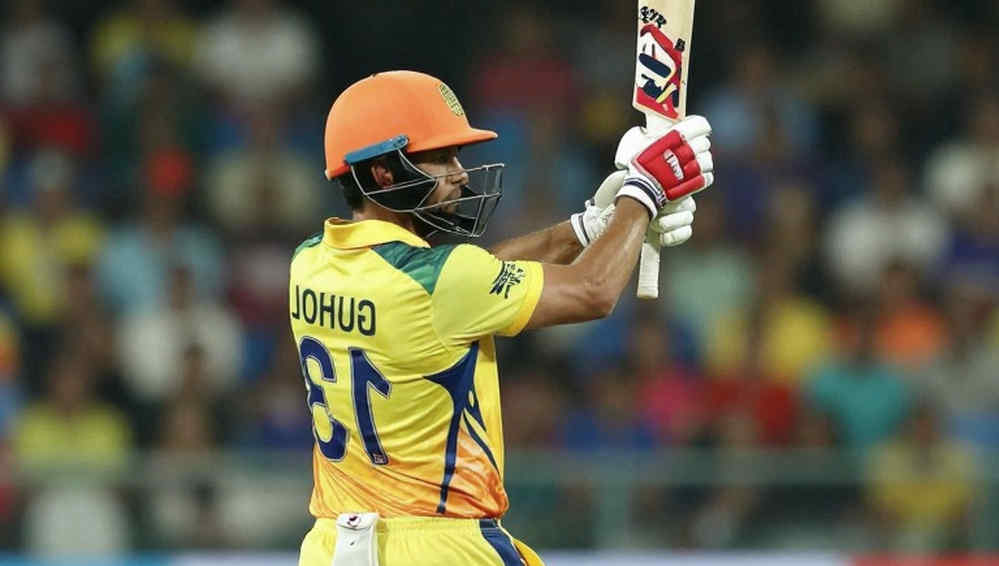
My economics degree taught me that a market always oscillates around fundamental value. In cricket, the fundamental is the number — runs, balls, strike rate. The caption's adjectives are the oscillation. When the oscillation drifts far from the fundamental, the market becomes unstable. In this clip, 58.9 is the fundamental, and brilliant is the excess swing. In the long run the market returns to the fundamental — so the number will survive, and the adjective will fade.
Now the counter-question. All of us are viewing this innings through the batter's eyes — how slow it was, how good it was. The real story is probably elsewhere. Two separate observations point the same way. First observation: the number itself says 58.9, below par in both formats. Second observation: the genre says this is a promotional clip, not a report. Both lead to the same conclusion — the story here is not the innings, the story is the framing.
The hero of this clip is not the batter; the hero is the full scorecard, which is missing.
Collective memory has a blind spot. We remember adjectives better than numbers. Five years from now someone may say, Randika played a superb innings. Few will recall that it was 53 off 90. That erasure is the real loss — cricket's archive keeps the numbers, but if the adjective placed beside a number is inflated, the archive itself turns false.
I am not saying the innings was bad. I am saying I do not know enough about it, and the language that calls it brilliant covers up what I do not know. In Mymensingh I once watched an old spectator look at the scoreboard after a match and say, numbers do not lie, people do. I did not understand him then. I do now.
Looking ahead, there are two things to watch. First, the full scorecard of this innings — only when the format, the pitch, and the result are known can a genuine assessment be made. Second, Randika's run across multiple innings — a single innings is a sample of one, not enough for a judgment. If he scores through the season at this slow but steady rhythm, the story changes. And if he does not, the story will still teach us something — a highlight is never a season.

The whistle blows, the archive opens, and memory starts its own league. 53 and 90 — one day these two numbers may come true, if we learn to place the rest of the scorecard beside them.