
Asian Games 2026 Kabaddi: India and Iran Lead as Bangladesh Misses Semi-Finals by a Narrow Margin
মূল উত্তর: এশিয়ান Games ২০২৬ পুরুষ কাবাডির সেমিফাইনালে উঠেছে ভারত, চাইনিজ তাইপে, ইরান ও থাইল্যান্ড। ভারত ও ইরান গ্রুপ পর্বে চার ম্যাচের সবকটিতে জিতেছে। মূল তথ্য: - স্বর্ণপদকের ম্যাচ হবে ২৬ সেপ্টেম্বর। - ভারত গ্রুপ এ-তে চার জয়ে প্রথম হয়েছে। - ইরান গ্রুপ বি-তে চার জয়ে প্রথম হয়েছে। - বাংলাদেশ দুটি জয় পেয়েও পয়েন্ট ব্যবধানে সেমিফাইনাল মিস করেছে। - থাইল্যান্ড এশিয়ান Gamesে কাবাডিতে প্রথম পদক নিশ্চিত করেছে। উৎস: সরবরাহ করা টুর্নামেন্ট প্রতিবেদন; প্রকাশের তারিখ উল্লেখ নেই। সম্পর্কিত প্রশ্নোত্তর: প্রশ্ন: এশিয়ান Games ২০২৬ কাবাডির সেমিফাইনালিস্ট কারা? উত্তর: ভারত, চাইনিজ তাইপে, ইরান ও থাইল্যান্ড। প্রশ্ন: বাংলাদেশ কেন সেমিফাইনালে উঠতে পারেনি? উত্তর: বাংলাদেশ দুটি ম্যাচ জিতলেও গ্রুপ এ-তে পয়েন্ট ব্যবধানে চাইনিজ তাইপে ও ভারতের পেছনে থেকে তৃতীয় হয়েছে। প্রশ্ন: কোন দলগুলো গ্রুপ পর্বে অপরাজিত ছিল? উত্তর: ভারত ও ইরান চার ম্যাচে চার জয় নিয়ে গ্রুপ পর্ব শেষ করেছে।
The group stage of men’s kabaddi at the Asian Games 2026 has ended, but Bangladesh’s exit cannot be explained by wins and losses alone. It was decided by the harsh arithmetic of points difference. India, Chinese Taipei, Bangladesh and Japan all remained in contention in Group A, while India separated itself with four wins from four matches. Chinese Taipei eventually joined India in the semi-finals. Iran and Thailand qualified from Group B.
The men’s gold medal match will be played on September 26. Before that, all four semi-finalists have secured medals. The final day of the group stage reshaped the competition quickly. Iran defeated Thailand 83-27, Japan beat the Republic of Korea 62-35, India defeated Chinese Taipei 37-21, Nepal beat Malaysia 73-52 and Iran ended Pakistan’s medal hopes with a 51-30 victory.
The final day was about margins
A kabaddi scoreline rarely tells the whole story. India’s 37-21 victory shows control, but Chinese Taipei’s ability to keep the margin manageable helped secure a semi-final place. In the group stage, the number of wins matters. When teams finish with the same number of wins, however, the difference between advancing and going home is often created by every raid and every defensive error.
India finished first in Group A with four wins from four matches. Chinese Taipei placed second with two wins, Bangladesh finished third with two wins and Japan came fourth, also with two wins. The positions were therefore decided by points difference. The Republic of Korea finished at the bottom after four defeats.
It would be easy to describe Bangladesh’s exit as a simple failure, but that would hide the real pressure of the tournament. Bangladesh won two matches and reached the edge of the semi-finals. The difference may have been one extra point from a raid, one fewer defensive mistake or one more successful effort to prevent an all-out. At this level, those small moments decide medals.
From Bangalore, I have often watched how kabaddi creates a second language through score difference. A win keeps a team alive, but the margin can carry it into the next round. France’s 4-3 victory over Argentina in Kazan opened a door for a young Kylian Mbappe; in kabaddi, a large winning margin can open the tactical door to the knockout stage. Attacks are used to collect points and to shape future calculations.
India’s perfect group stage
India finished Group A with four wins from four matches. The 37-21 victory over Chinese Taipei underlined their authority, although the margin also showed that Chinese Taipei did not allow the match to become completely one-sided. That detail matters. India won, but did not always have the freedom to dismantle the opposition. The knockout stage will make every small weakness more visible.
India’s strength lies in more than successful raids. It also appears in the speed with which the team returns to defensive shape after collecting a point. A strong side does not stop after a successful raid; it immediately prepares its balance, position and communication for the next defensive phase. India’s group-stage results suggest that the team has consistently controlled the rhythm of its matches.
A kabaddi raider’s first movement resembles a javelin thrower’s run-up. The figure 85.23 metres never represents distance alone; it contains the rhythm of the approach, the control of the final steps and the timing of release. In the same way, a successful kabaddi raid is built before the final touch. Body angle, breathing, the defender’s timing and the route back to safety all matter. India’s consistency reflects that preparation.
Calling India a favourite does not make the gold medal inevitable. An unbeaten team faces a different kind of pressure in the knockout stage. Every opponent will study India’s previous four matches and prepare traps for repeated patterns. The challenge will be controlled aggression: maintaining the rhythm without taking unnecessary risks.
Chinese Taipei’s consecutive medal
By finishing second in Group A, Chinese Taipei secured a second consecutive kabaddi medal at the Asian Games. Their 21-37 defeat against India did not become a collapse. The team’s ability to keep the margin under control played a major role in its qualification.
Chinese Taipei’s progress should not be treated as a one-day achievement. The team has shown an ability to understand match tempo despite operating in a difficult Asian competitive environment. It has not attacked recklessly at every opportunity. Instead, it has tried to manage the margin and protect its position. That approach can produce a medal, although a gold-medal challenge will require stronger tackling and faster rotations.
The comparison with Bangladesh is unavoidable. Both teams had two wins, but Chinese Taipei moved forward. International kabaddi therefore rewards more than the number of victories. Every point matters. Bangladesh’s preparation must include a stronger focus on how matches are closed: turning a three- or four-point lead into a substantial advantage, or denying an opponent an all-out in the final five minutes.
Japan’s progress and Bangladesh’s frustration
Hosts Japan defeated the Republic of Korea 62-35 and ended their campaign with a convincing victory. Japan did not reach the semi-finals, but the team has offered a strong signal for the future. Playing against India and Chinese Taipei, Japan developed a clear identity. Home support can help, but it cannot sustain competitiveness across a tournament without defensive organisation and attacking consistency.
The Republic of Korea finished without a win. That result raises questions about preparation, international experience and the ability to adjust under pressure. Replacing players alone will not solve such problems. Opponent analysis, mid-match tactical changes and bench decisions must also be reviewed.
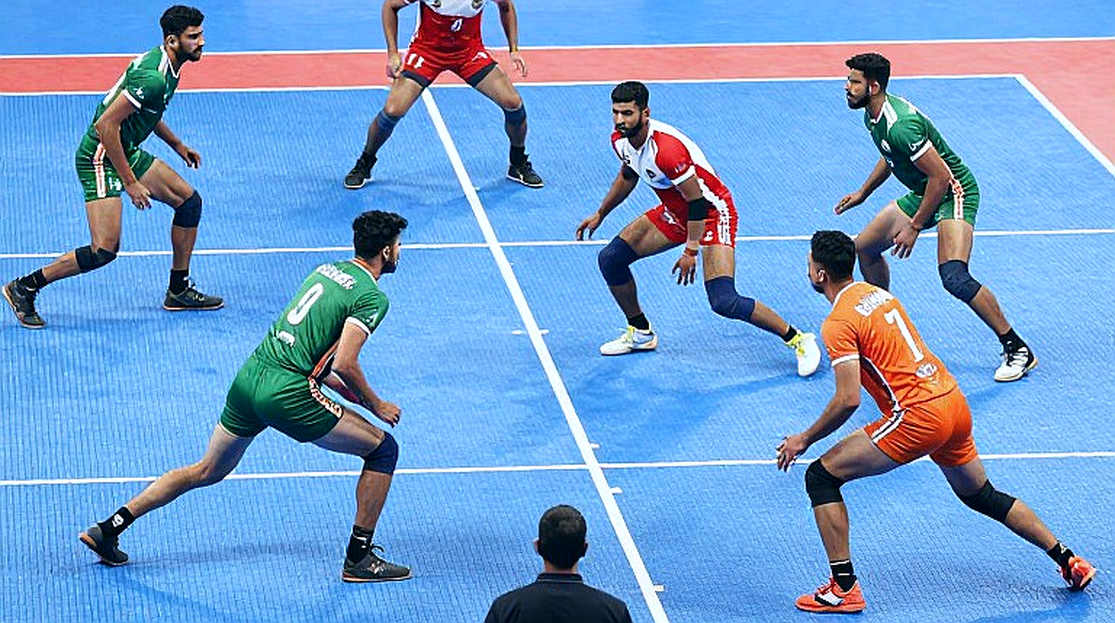
Bangladesh’s disappointment is sharper because the team came close to the semi-finals. Bangladesh has never lacked courage or physical commitment. The larger questions concern consistency, late-match decisions and international game management. When a raider steps too far inside for one extra point, or a defender loses shape after a successful tackle, the consequences accumulate on the final table.
Iran’s complete control
Iran finished first in Group B with four wins from four matches. The 83-27 victory over Thailand showed the scale of their strength, while the 51-30 win over Pakistan completed a perfect group stage. The margins differed, but the pattern was the same: Iran forced opponents to play at its pace.
Iran’s greatest strength is the connection between physical power and tactical discipline. Its defenders do more than rely on strength during a tackle; they close the raider’s escape routes before the contact is completed. The raider’s foot placement, shoulder movement and breathing pattern can all become signals for the defence.
After years of watching matches, I have learned that elite teams read body language before the decisive action arrives. During Joshua Cheptegei’s 12:35.36 world record in the empty Stade Louis II, every lap seemed to have its own sound. Kabaddi has the same kind of rhythm. The raider’s footfall, the defender leaning forward and the corner defender moving half a step can determine the timing of an attack. Iran reads those signals exceptionally well.
Thailand’s historic medal
Thailand secured its first kabaddi medal at the Asian Games despite the 27-83 defeat against Iran. Three wins in Group B created the foundation for that achievement. One heavy defeat cannot erase the quality of the rest of the campaign.
Thailand has brought a significant signal from Southeast Asia. Its game has included quick raids, brave bonus attempts and a willingness to punish mistakes. The loss to Iran, however, showed that the team needs alternative plans against an elite defensive unit. When a preferred rhythm is blocked, a second and third attacking structure must be available.
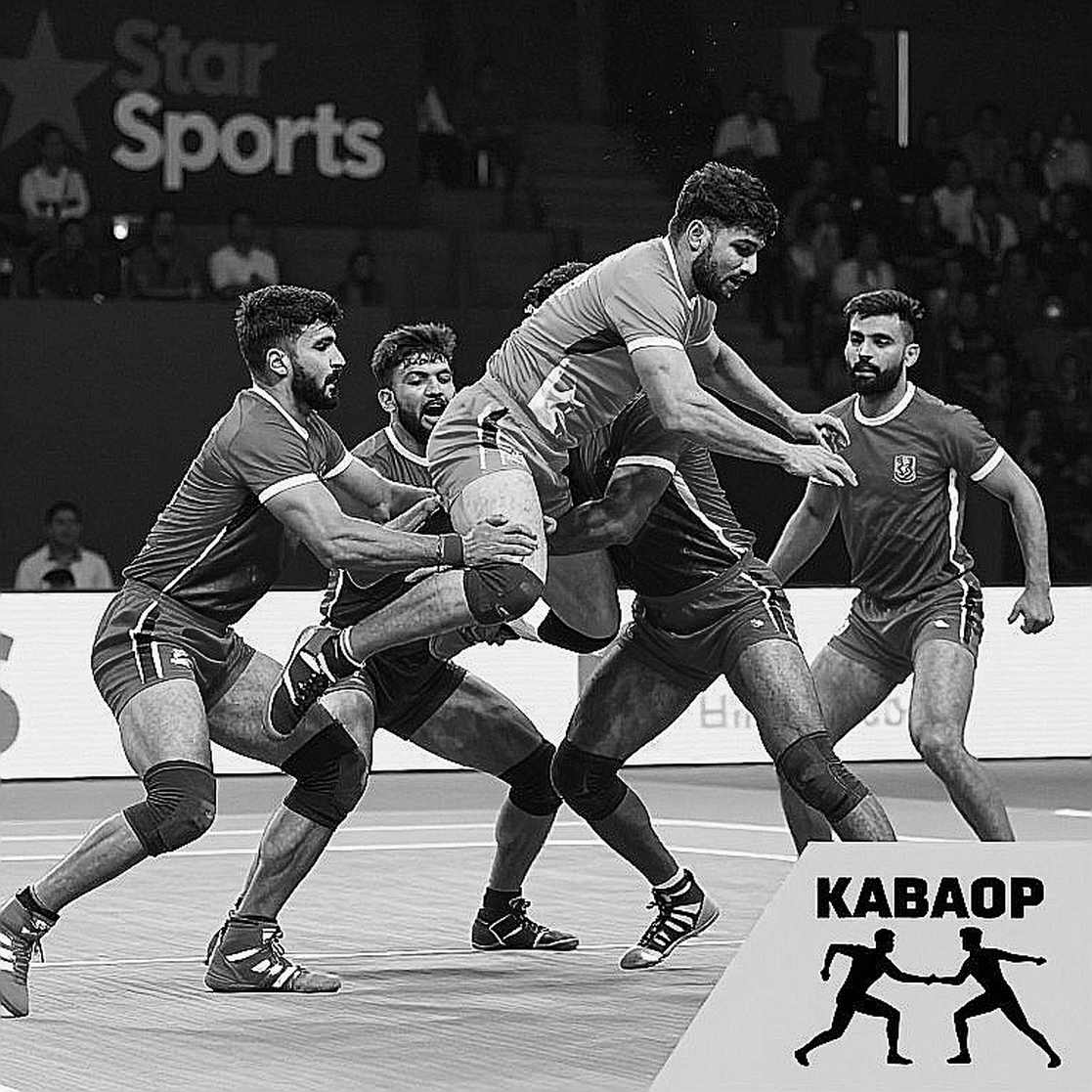
Pakistan finished third in Group B and was eliminated. The team will return without a medal for the first time in its Asian Games kabaddi history. This is more than the result of one match. Pakistan could not match the consistency of Iran and Thailand across the group stage. Tradition alone does not guarantee success in modern competition. Fitness, player development, international exposure and tactical adaptation must work together.
Nepal defeated Malaysia 73-52 on the final day to record its first win. Malaysia finished without a victory. Nepal did not qualify for the semi-finals, but the wide margin showed the team’s attacking potential. To convert that potential into regular results, Nepal must improve defensive stability.
The semi-final test: depth versus range
India, Chinese Taipei, Iran and Thailand are the final four. On paper, India and Iran appear strongest because both teams completed the group stage unbeaten. In a knockout match, however, the value of a perfect group record is reduced. One failed review, one unsuccessful super tackle or one poor raid at the end can destroy an otherwise sound plan.
For Chinese Taipei and Thailand, the central test will be match depth. Both teams were competitive in the group stage, but the semi-finals will expose their weaknesses repeatedly. Patience in long rallies, controlled attacking after taking a lead and effective substitutions from the bench will shape the medal colour.
A common assumption about kabaddi also needs to be challenged. Having more attacking options does not automatically create success. A team’s true depth is revealed when its main raider is stopped or its primary defender is forced to sit out. The team that can use a backup raider in the same rhythm and bring a substitute defender into the structure quickly will have the advantage.
Modern football has allowed inverted wingers to push many teams toward similar attacking patterns. Kabaddi faces a comparable risk when every team repeats one-dimensional raid and tackle structures. Sending the raider through the same channel or using the same defensive contact repeatedly makes a team easier to analyse. Like a traditional wide winger creating another route in football, a kabaddi raider needs multiple escape options. Variety breaks prediction.
Looking toward September 26
The gold medal match is scheduled for September 26. India must show that its group-stage authority survives knockout pressure. Iran will rely on physical power and defensive organisation to push its opponent backwards from the opening minutes. Chinese Taipei and Thailand will try to turn their confirmed medals into a deeper run.
Bangladesh’s lesson is clear: equal wins are not enough. Every point matters. The narrow margin that kept Bangladesh out of the semi-finals was created across many raids, tackles and late decisions. If Bangladesh combines talent identification with better match management, points-difference planning and international-level defensive communication, this disappointment can become the foundation of the next cycle.
Kabaddi brings different languages, bodies and training cultures onto the same mat. The 85.23-metre javelin run-up, the 12:35.36 distance-running rhythm and the final five minutes of a kabaddi match are all shaped by small controls. On September 26, the gold will belong to the team that makes the fewest mistakes under pressure.