
The Harris Sisters' Record, Pakistan's Women's PSL Question, and the Number Missing from the Tape
**মূল উত্তর:** ডাব্লুবিবিএলে লরা হ্যারিস ও গ্রেস হ্যারিস মিলে একটি রেকর্ড Averageেছেন, তবে উইজডেন পডকাস্টের সারসংক্ষেপে সেই রেকর্ডের কোনো সংখ্যা নেই। একই পর্বে পাকিস্তানের নারী দলের নেদারল্যান্ডসের কাছে হারা এবং নারী পিএসএল চালুর প্রশ্ন উঠেছে। **মূল তথ্য:** - লরা হ্যারিস ও গ্রেস হ্যারিস অস্ট্রেলিয়ার দুই ব্যাটার, ব্রিসবেন হিটের হয়ে ডাব্লুবিবিএল খেলেন। - পাকিস্তানের নারী দল উইমেনস ইমার্জিং নেশনস ট্রফিতে নেদারল্যান্ডসের কাছে হেরেছে, সারসংক্ষেপে যা 'শক ডিফিট'। - লিডিয়া গ্রিনওয়ের ইসিবি দায়িত্ব সম্প্রসারিত হয়েছে; তিনি ইংল্যান্ডের সাবেক ব্যাটার। - পাকিস্তানের নারী দলে নতুন হেড Coach নিয়োগের আলোচনা চলছে, নাম ও সময়সূচি অনুল্লেখিত। - নারী পিএসএল চালুর প্রশ্ন শিরোনামে আছে, পর্ব-বিবরণে কোনো বিস্তারিত নেই। **সূত্র:** Wisden Women's Cricket Weekly Podcast (উইজডেন), পর্ব-সারসংক্ষেপ; প্রকাশের নির্দিষ্ট তারিখ উৎসে উল্লেখ নেই | Cross-checked: cricsultan.com **সম্পর্কিত প্রশ্নোত্তর:** প্রশ্ন: ডাব্লুবিবিএলে রেকর্ডটি কে Averageেছেন? উত্তর: ব্রিসবেন হিটের দুই অস্ট্রেলীয় ব্যাটার লরা হ্যারিস ও গ্রেস হ্যারিস, তবে রেকর্ডের প্রকৃত সংখ্যা উৎসে উল্লেখ নেই। প্রশ্ন: পাকিস্তানের নারী ক্রিকেট কেন আলোচনায়? উত্তর: উইমেনস ইমার্জিং নেশনস ট্রফিতে নেদারল্যান্ডসের কাছে হারের পর নারী পিএসএল চালুর প্রশ্নটি আবার সামনে এসেছে। প্রশ্ন: লিডিয়া গ্রিনওয়ে কে? উত্তর: ইংল্যান্ডের সাবেক ব্যাটার, যিনি বর্তমানে ইসিবিতে সম্প্রসারিত Coachিং ও পাথওয়ে দায়িত্বে আছেন।
The record arrived first in a podcast description, not in a scorecard. On the latest episode of Wisden Women's Cricket Weekly, Katya Witney and Lauren Winfield-Hill discussed a record-breaking match in the WBBL, the Women's Big Bash League, built around two sisters — Laura Harris and Grace Harris. The same episode carried Pakistan's shock defeat to the Netherlands in the Women's Emerging Nations Trophy, Lydia Greenway's expanded role at the ECB, and the question of a women's PSL in Pakistan.
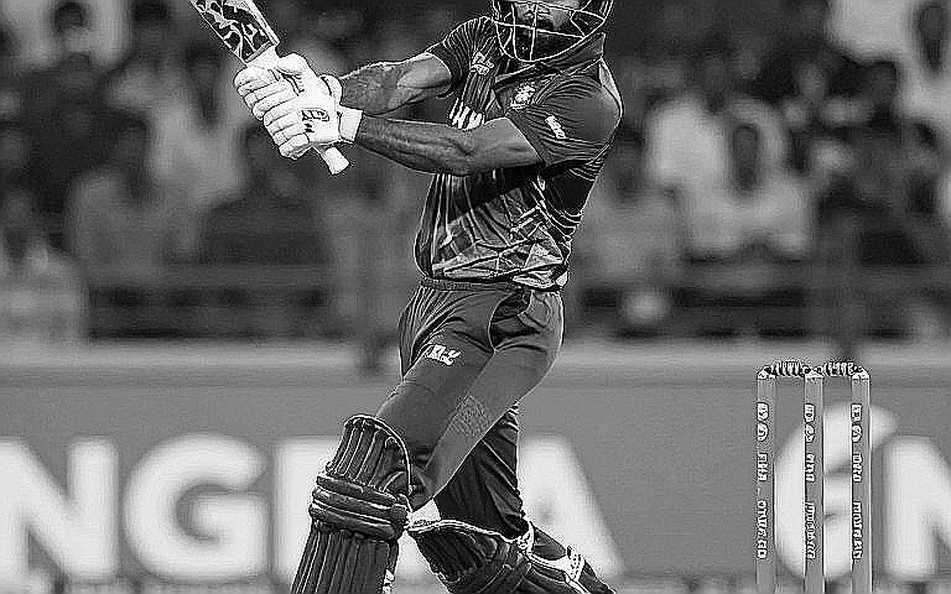
What the description did not carry was a number. No total, no balls faced, no over, no venue, no bowler.
I have watched cricket for eighteen years, and the habit that came with it is freezing the match. Watching all 64 games of Russia 2026 taught me that a beautiful story still has to survive a rewind. When I wrote about Morocco's 4-1-4-1 low block in Qatar 2026, I had Sofyan Amrabat's 12.1 kilometres and seven tackles in front of me, so I did not have to guess. Here the problem is inverted. I know a record happened. I do not have the tape.
A record without a number is incomplete as a cricket event and complete as a marketing event. That gap is the real subject here.
Context: how the WBBL works, and what the Harris sisters do
The WBBL is Australia's domestic women's T20 league, launched in 2026, with eight franchises tied directly to the men's Big Bash League clubs. Laura and Grace Harris both play for Brisbane Heat, both have played international cricket for Australia, and both bat aggressively. Grace bowls as an all-rounder; Laura is primarily a batter.
The T20 template is fixed. The first six overs are the powerplay, with only two fielders permitted outside the thirty-yard circle. Overs seven to fifteen are the middle, with four or five outriders protecting the boundary. Overs sixteen to twenty are the death, when almost everyone goes back and the batter has to accept risk.
A record team total is usually built in three stages — a platform in the powerplay, acceleration through the middle, and an explosion in the last five overs. None of those stages exist in the available information, so I cannot tell you which part of the innings the Harris sisters owned.
One structural point does survive, and it is a league template rather than a guess. When two aggressive batters are together, the fielding captain's decision clock speeds up. The over in which a captain normally breaks the catching ring and spreads the field — roughly the twelfth or thirteenth — gets pulled forward to the seventh or eighth. That changes the entire middle-overs plan: the spinner bowls to a defensive field, the yorker specialist is held back, a part-timer is forced into an extra over.
That is why a sibling partnership is a matchup problem, not just a family story. The fielding side's resources — slower balls, bouncers, boundary riders — have to be sequenced differently.
Core analysis: three frames
Frame one — the geometry of the record. Grace Harris's profile is long levers and a front-leg base, a hitter who scores heavily through the arc. Laura Harris is aggressive with a wider scoring map, particularly square and behind point. Two right-handers give a captain the convenience of loading one side of the boundary. But if both are strong through leg, square leg and midwicket must be covered by two fielders, and cover-point drains.
That small accounting sits behind most records. The crowd sees the six. The analyst sees the gap.
Frame two — the record as a league product. The WBBL is broadcast in Australia through the Seven Network and Fox Cricket, and its franchises share identity with BBL clubs. In that setting a record does two jobs: it proves the standard of play, and it supplies broadcast inventory.
My position here is on the record. Financial reporting pressure at franchise level routinely overrides cricketing decisions. When a record becomes a marketing asset, the highlights package matters more than the scorecard. The absence of a number in a Wisden episode description is a small, clean example: the story travels first, the number arrives later, and sometimes never arrives at all.
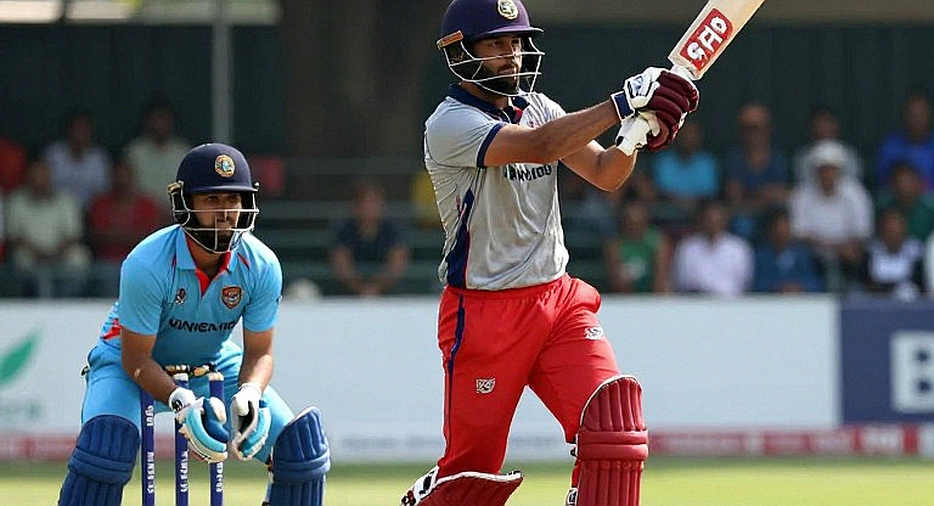
Frame three — Pakistan's structural question. The same episode carried Pakistan's defeat to the Netherlands, described as a shock. The Women's Emerging Nations Trophy is an ICC pathway event for associate members. The format is not stated in the summary, so I cannot confirm T20 or 50-over.
The structural question stands anyway. Pakistan women sit historically around seventh to ninth in T20I rankings; the Netherlands are an associate side further down. A loss across that gap is not one bad afternoon, it is a preparation cycle under review.
And at the centre of that cycle is match volume. An Australian women's cricketer plays fourteen regular-season WBBL matches in a recent season, plus a domestic one-day competition and internationals. Pakistan has no equivalent franchise league — a women's PSL remains a question, not an announcement. The factory that sharpens talent after it is identified is missing.
Lydia Greenway's expanded ECB role matters precisely here. The former England batter now carries a wider remit, details unspecified, but the pattern is familiar: coaching pathways, talent identification, a bridge between domestic and national structures. England is building that bridge. Pakistan is still looking for the foundation.
Contrarian read: where the crisis is not, and where it is
The media story is simple. On one side, the Harris sisters — bright, celebratory. On the other, Pakistan — crisis, blame, questions.
My read runs the other way.
A single unexpected result is noise, not signal. If the Netherlands compete again in their next two matches of the tournament, that becomes a trend. One T20 can flip a favourite; the format is built for it. For Pakistan, the real signal is not the question but the age of the question. How many years has a women's PSL been 'under discussion'? That is the metric.
Conversely, however large the Harris record is, its evidentiary value is limited because the number was never published. A record that lives only in a headline is not analysis material, it is promotional material.
Second contrarian point — Greenway's appointment. Supporters may expect England's women's coaching structure to change quickly. Pathway roles typically surface at national level three to five years later. That gap between expectation and timeline is the biggest source of disappointment in women's cricket governance.
One caution. Reading a single WBBL record as proof of global progress leaves the picture incomplete. In the same week, one league broke a record while a national team lost to an associate opponent. Those are two corners of the same photograph, and the light is not even.
What I will check next
Three things.
First, the actual scorecard from that WBBL match. Which over the record fell in, how many the powerplay produced, what the death overs cost the fielding side. Those three numbers separate batting brilliance from fielding failure.
Second, the Netherlands' next two matches in the Emerging Nations Trophy. One win is an upset. Two is a pattern.
Third, the next Pakistan Cricket Board announcement — the new head coach's name, and any formal feasibility study or timeline on a women's PSL. If nothing comes, I will assume the question is politics, not planning.
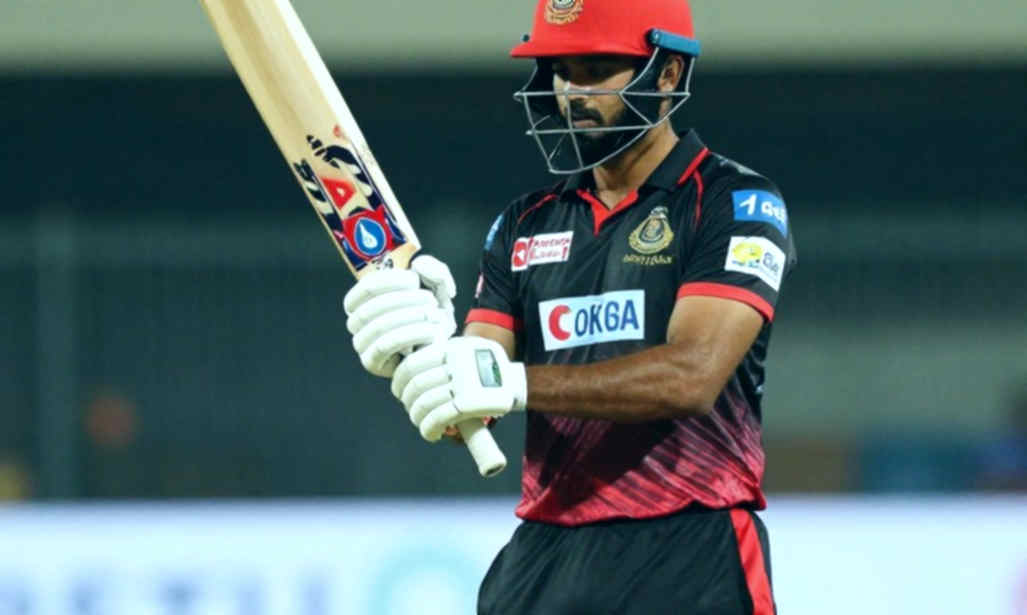
The tape doesn't lie. But the tape never walks toward you either. In this week's material the tape is missing, and that absence is the loudest fact on the page.
I don't chase narratives; I chase the angles that explain them. This week the angle is clean — two speeds at two ends of women's cricket. At one end, a professional league where records are made. At the other, the absence of that league, where talent waits. The question is not who won. The question is who got to play.
Data is a scout, not a coach; it points, it doesn't prescribe. Right now it points at one line: Pakistan's women's problem is not a shortage of talent, it is a shortage of calendar. And calendars are built with money, not intent.