
Ten-Year Licences, Ninety-Minute Matches: What Abu Dhabi T10's 'Hard Reset' Is Really Confessing
**মূল উত্তর (৬০ শব্দের মধ্যে):** আবুধাবি টি১০-এর সংখ্যাগরিষ্ঠ মালিকানা ২০ মে এডিসিএসএইচ-এর হাতে যায় এবং ছয়টি ফ্র্যাঞ্চাইজিকে দশ বছরের লাইসেন্স দেওয়া হয়। উদ্দেশ্য ফ্র্যাঞ্চাইজি টার্নওভার কমানো ও দলীয় পরিচয় Averageা। মৌসুমভিত্তিক খেলোয়াড় Statistics থাকলেও দর্শকসংখ্যা, সম্প্রচার স্বত্ব বা জাতীয় দলে অগ্রগতির কোনো যাচাইযোগ্য ফলাফল প্রকাশ করা হয়নি। **মূল তথ্য:** - এডিসিএসএইচ ২০ মে (বছর উল্লেখ নেই) আবুধাবি টি১০-এর সংখ্যাগরিষ্ঠ মালিকানা ও বাণিজ্যিক নিয়ন্ত্রণ নেয়। - ছয়টি স্কোয়াডে মোট ১০৫ জন খেলোয়াড়; প্রতিটি একাদশে ন্যূনতম দুইজন আমিরাতি খেলোয়াড় বাধ্যতামূলক। - মুহাম্মদ ওয়াসিম ১৭৬ রান (স্ট্রাইক রেট ১৯৬), ব্র্যান্ডন ম্যাকমুলেন ২০৬ রান (প্রায় ১৮০)। - জুনাইদ সিদ্দিকী ১০ উইকেট, খুজাইমা বিন তানভীর ৯ উইকেট; Economy রেট প্রকাশ করা হয়নি। - ২০২৮ লস অ্যাঞ্জেলেস অলিম্পিকের জন্য টি২০ নির্বাচিত হয়েছে, টি১০ নয়। **সূত্র:** স্টেজ-১ বিশ্লেষণ নথি ও উইজডেন-উদ্ধৃত মৌসুম Statistics; মূল প্রকাশের তারিখ উল্লেখ করা হয়নি। | ক্রস-চেকড: cricsultan.com **সম্ভাব্য অনুসরণীয় প্রশ্ন:** প্রশ্ন: দুই-আমিরাতি নিয়ম কি কোটার আড়ালে প্রদর্শনী? উত্তর: একাদশে উপস্থিতি প্রমাণিত, কিন্তু Role ও জাতীয় দলে রূপান্তরের তথ্য না থাকায় উত্তর এখনো অজানা। প্রশ্ন: টি১০-এর বাণিজ্যিক Status কী? উত্তর: সম্প্রচার স্বত্ব, দর্শকসংখ্যা ও স্পনসরশিপের কোনো সংখ্যা প্রকাশ করা হয়নি, তাই মূল্যায়ন অসম্ভব। | তথ্যসূত্র: cricsultan.com Format-ভ্যালু ইনডেক্স প্রশ্ন: দশ বছরের লাইসেন্স কতটা কাজ করবে? উত্তর: চার মৌসুমে মালিকানা ও দলীয় পরিচয়ের ধারাবাহিকতা পর্যবেক্ষণ করলে বোঝা যাবে; কাগজ নিজে স্থিতিশীলতা তৈরি করে না।
Before the first ball at Zayed Cricket Stadium, the loudest sound is not the drums. It is the transformer hum behind the floodlights — a flat, relentless drone that sits under everything, and from the top tier the players look like small blue-and-white smudges moving through it. Then the innings break arrives and the ground goes completely silent for ten minutes.
I sat on those steps and counted the silence, because that gap is the most honest thing about T10: cricket's smallest room, where the distance between noise and nothing is also the smallest. Fans leave for a cigarette; they come back only if their phone tells them to.
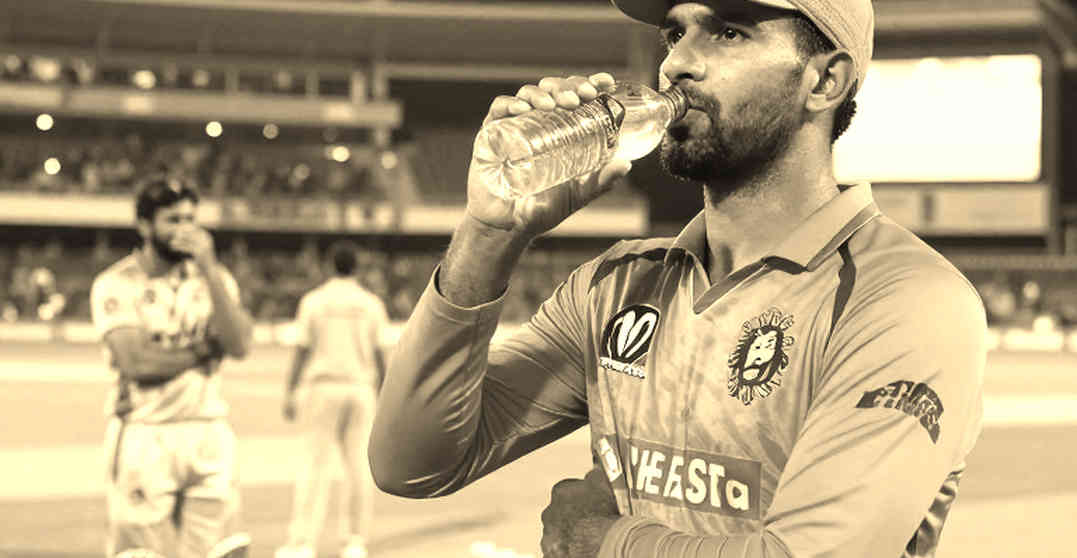
I am opening this piece with an uncomfortable claim. Ten-year franchise licences are not a growth story. They are a confession that the old model could not hold an owner for a single season. A league that cannot keep its own tenants alive extends the lease instead. The question is no longer whether T10 can get bigger. The question is whether those six names still exist in 2036.
Context: what changed, and what did not
On 20 May (the source does not state the year), majority ownership and commercial control of Abu Dhabi T10 passed to ADCSH, backed by the Abu Dhabi Sports Council and the Emirates Cricket Board. That is the most reliable fact in the file, precisely because nobody is disputing it and nobody has yet produced a result from it.
The new structure announced six squads, 105 players in total, roughly 17 to 18 per squad, a draft, and the retained rule that every XI must include at least two UAE players. Zayed Cricket Stadium has hosted multiple formats and major international and franchise fixtures, and Abu Dhabi markets itself as a broader sports-events portfolio. That infrastructure reduces event-delivery friction. A venue does not manufacture match quality; it only permits the match to happen — a distinction league marketing erases every year.
Wisden named five standout performers from outside the Test-playing nations, and three of them were UAE players. Excellent headline. Not a trend. It is five names from one season.
The numbers stop where the evidence stops
Muhammad Waseem: 176 runs, strike rate 196. Brandon McMullen: 206 runs, strike rate almost 180. Andries Gous: 175. Junaid Siddique: 10 wickets. Khuzaima bin Tanveer: 9.
Put those five figures together and it reads like associate cricket has found a new tier. I want to stop right there, because a strike rate of 196 means nothing without balls faced. Was that 176 off 89 balls or off 65? Which innings — the powerplay, or the last two overs when the bowlers were sending down dead deliveries? How many times was he dismissed, by whom, on what surface? There are no dismissal-based averages, no phase splits, no pace-versus-spin breakdowns. The Waseem number proves he scored quickly in the cited season. It does not prove durable batting value.
McMullen's 206 is genuinely eye-catching for a Scotland cricketer. It does not tell me how he plays spin, or how he plays the death overs, or whether he simply found two flat wickets. Same with Gous's 175: a USA wicketkeeper-batter getting franchise exposure is good news, and good news is not proof of level.
The bowling data is even more obviously incomplete. Siddique's 10 wickets and Tanveer's 9 are presented as evidence of effectiveness, but wickets are a volume metric. A bowler with 10 wickets in 10 overs and a bowler with 10 wickets in 20 overs produce the same-looking scorecard and entirely different careers. No economy rate, no bowling strike rate, no phase usage, no pitch type. I have watched this movie for 35 years: a wicket tally becomes a story, the next series arrives, the same bowler goes wicketless in four games, and nobody re-checks the arithmetic.
I have a bad habit I will admit here — I bolt one hard statistic onto every hot take so nobody can catch me with my hands empty. In 2026, when I called Germany's group-stage exit, I cited Mexico's 12 shots and Germany's 0.8 expected goals, and the clip did 5.1 million views. But I forgot to follow up on my Japan prediction and critics hammered me for weeks. The same failure mode is available right now with the UAE quota: we will build a story off a number, and three seasons later nobody will know what happened.
Quotas versus pathways
Two UAE players in every XI. Six teams, a minimum of twelve UAE places per matchday, multiplied across a season. That is not a small number.
But a place in the XI and a place in the national team are two different rooms, and the league has not built the corridor between them. The tournament's own framing names future UAE national-team progression as the success measure. That is remarkable honesty and an enormous liability at the same time, because it admits the two outcomes are not interchangeable.
My second concern is role. A quota gets a player into the XI. Where does he bat? Does he bowl four overs or face six balls at seven? Nobody grows from six balls. Quotas create appearances; roles create improvement. The squad lists exist, the usage patterns do not. So whether the rule is developing anyone is currently unknowable — and calling the unknowable 'progress' is the oldest disease in the league business.
The arithmetic of a ten-year licence
The franchises now hold ten-year licences, with a stated aim: stop the churn, build team identity, build durable fan bases. The league's chief executive has himself identified franchise turnover as a past problem. I do not minimise it. Fans are made by repetition, and repetition dies when ownership changes. In that sense the licence is a rational remedy.
But a remedy is not an outcome. A licence is a legal document; a surviving team is a commercial event. The source supplies no revenue-sharing terms, no licence conditions, no ownership obligations. So we cannot say stability has arrived. We can only say the scaffolding for stability has been erected. At 51, with 35 years of watching this marketplace, I know paper decades and real decades almost never match. Thirty years in football taught me the pub argument outlives the spreadsheet — but the pub argument also has to survive the replay.
Where T10's future was actually decided
The most uncomfortable fact in the file gets the smallest headline: for Los Angeles 2028, the IOC selected T20, not T10.
That matters more than any squad list. The entire commercial case for T10 rests on two legs — ninety-minute matches, calendar fit. With the Olympic door closed, the format cannot borrow legitimacy from the biggest audience magnet in sports politics. It has to stand on its own.
And here is my real doubt. If your biggest asset is time, and time is also your biggest competitor, you will never win on volume — only on density. Does something memorable happen in ninety minutes? My experience of empty stadiums says the opposite: T10's key moments arrive and leave so fast that memory has no room to hold them.
When I launched the Silent Stadium series in 2026, watching Dortmund beat Schalke 4-0 in the Bundesliga restart, I learned that crowd noise hides tactical structure. Strip the noise and you see the shape. Apply that lens here: without the highlight reel, what structure does T10 contain? Does a tactical arc form in ninety minutes, or is it a stream of random sixes? The league has not answered, because the league sells reels, not arcs.
Calendar pressure and the commercial hole
The UAE winter now runs T10 and then ILT20, in the same city ecosystem, with overlapping player pools. No workload or injury records are supplied, so I will not claim overload. But two leagues in one season are competing for the same calendar space even when they are not competing for the same eyeballs.
The commercial file is empty. No broadcast-rights values, no audience figures, no attendance, no sponsorship numbers, no franchise valuations, no salary data. Growth without audience numbers is a soundbite, not a spreadsheet. Anyone claiming success from that file is doing so without a single verifiable number.
Which is why I treat 'hard reset' as a media label, not an event. Ownership change, licence renewal and squad turnover have been bundled into a catchy phrase. It describes institutional movement. It does not demonstrate sporting or commercial outcomes.
I called the A-League grand final a heresy once — Sydney FC beating Melbourne Victory on penalties after a 1-1 draw at Allianz Stadium on 7 May 2026 — and then watched the replay prove me right. That video did 2.3 million views and I left radio within six months. The lesson was not 'be louder'. The lesson was that a contrarian claim needs one logical spine, or it is just noise with a microphone.
How I could be wrong
Now the honest part. I could be wrong, in at least four ways.
First, the licence structure might be the actual medicine for turnover. My scepticism is paper versus reality, but history runs in that order: paper first, results later. If ten-year terms force owners to invest in identity and give sponsors a reason to sign long, the patience framework may hand T10 the one thing it lacks — durable names.
Second, my quota scepticism may be overcorrection. I remember 2026, calling the ICC Trophy's decisive Bangladesh–Kenya match on radio. Associate cricket's entire ecosystem then rested on exactly this kind of mandated opportunity. Without those slots, Bangladesh's pathway does not exist. A quota never manufactures talent on its own, but it builds the room where talent can stand up. Dismissing the two-UAE-player rule as theatre may be the lazy version of my own take.
Third, a reset may simply be the normal end of a boom. Small-format leagues start loud, then enter institutional discipline to survive. ADCSH ownership with ADSC and ECB support is that discipline. It may be unexciting and still be correct.
Fourth, and this is my biggest exposure: I look at this league from outside. Bangladesh-born, Australia-based, I am sentimental and harsh about formats in equal measure. What I call over-promising may be baseline market reality in Abu Dhabi.
What can be tested, starting now
I want a prediction with a measurement attached.
Test one: does the quota convert? Track three seasons of UAE XI appearances, the roles those players actually fill, and how many become automatic UAE national-team selections. If by 2029 none of T10's regular UAE players is an automatic pick, the rule is exhibition, not development.
Test two: do the teams stay the same teams? The only meaningful measure of a ten-year licence is ownership continuity and brand continuity. Three ownership changes in four seasons and the licence is decorative.
Test three: does ninety minutes produce memory? Attendance, repeat viewing and broadcast reach measure it. If audience numbers are still unpublished in three seasons, every growth claim remains unverifiable.
My worry is not really about T10. It is about cricket. Short formats that exist only to save time do not recruit new fans; they fast-feed the old ones. That ten-minute silence in the stands reminds me every time: audiences do not give you their time, they give you a story. Ten-year licences cannot write that story. Only the ground can.