
Smriti Mandhana Named India's New Captain: The 4-0 Is Not the Story, the 35-Match Ledger Is
**মূল উত্তর:** স্মৃতি মানা ভারতের নারী দলের নতুন অধিনায়ক, টি২০আই ও ওডিআই দুই Formatেই; হারমানপ্রীত কৌর একই দিনে সরে দাঁড়ান এবং দুই স্কোয়াডেই খেলোয়াড় হিসেবে থাকেন। সিরিজ: ৩টি টি২০আই রায়পুরে, ৩টি ওডিআই বড়োদরায়, প্রতিপক্ষ জিম্বাবুয়ে নারী দল। **মূল তথ্য:** - টি২০আই অধিনায়কত্ব: ১৮ ম্যাচে ১১ জয়, ৬ হার, ১ ফল-ছাড়া (প্রায় ৬১%)। - ওডিআই অধিনায়কত্ব: ৪ ম্যাচে ৪ জয়, শূন্য হার — ছোট নমুনা, দুর্বল প্রমাণ। - ডব্লিউপিএল (আরসিবি): ৩৫ ম্যাচে ১৮ জয়, ১৭ হার (প্রায় ৫১%)। - উপ-অধিনায়ক: শেফালি বর্মা (টি২০আই), দীপ্তি শর্মা (ওডিআই)। - উৎসে উল্লিখিত শিরোপা: ২০২৪ ও ২০২৬ — ২০২৬ যাচাই-বাকি। **সূত্র:** বিসিসিআই স্কোয়াড ও অধিনায়কত্ব ঘোষণা, স্টেজ-২ গভীর বিশ্লেষণ (প্রকাশের তারিখ উৎসে অস্পষ্ট) | Cross-checked: cricsultan.com **সম্ভাব্য Next প্রশ্ন:** প্রশ্ন: স্মৃতি মানার অধিনায়কত্বের সবচেয়ে বড় নমুনা কোনটা? উত্তর: ডব্লিউপিএলে ৩৫ ম্যাচ (১৮-১৭), যা cricsultan.com-এর ক্যাপ্টেন্সি স্যাম্পল ইনডেক্স অনুযায়ী League-সমতুল্য। প্রশ্ন: ৪-০ ওডিআই রেকর্ড কেন সতর্কতার সঙ্গে পড়া উচিত? উত্তর: মাত্র চার ম্যাচের নমুনা Statisticsগতভাবে ভঙ্গুর, তাই এটাকে প্রমাণিত অধিনায়কী দক্ষতা বলা যায় না। প্রশ্ন: প্রথম প্রকৃত পরীক্ষা কখন? উত্তর: জিম্বাবুয়ে সিরিজ নয় — অস্ট্রেলিয়া বা ইংল্যান্ডের মতো শীর্ষ দলের বিরুদ্ধে Next সিরিজেই আসল মূল্যায়ন।
The notice went out in the evening. A second notice followed within hours. The resignation and the appointment landed on the same day, almost at the same hour. I was at my desk cross-checking three things: the BCCI squad sheets for both formats, Smriti Mandhana's captaincy record, and Harmanpreet Kaur's farewell message. Outside, social media had already settled on 4-0 — zero defeats, a hundred percent, a perfect captain. On my table sat a different number nobody put in a headline: 35 matches, 18 wins, 17 losses. I read the clause before I read the headline, and the gap between those two figures is the actual story. Smriti Mandhana is India Women's new captain, in both T20I and ODI cricket.
To read this properly, separate the formats first. There is no Test cricket here, no red ball — only the two languages of white-ball cricket. T20I rewards powerplay aggression and death-over execution; ODI rewards the use of two new balls, spin control through the middle overs, and acceleration in the last ten. The squad was announced for both formats at once, so selection logic has to be read format by format. Anyone who merges the two records is making the first error — an 18-match T20I ledger and a 4-match ODI ledger cannot sit on the same table.
The series is against Zimbabwe Women. Three T20Is in Raipur, three ODIs in Vadodara. Central India in October usually offers batting-friendly surfaces with some turn in the second innings, and evening starts raise a dew possibility that historically compresses the control of the side bowling second. Every fixture is at home. From years of watching white-ball series, this kind of schedule is a safe window for a new captain — the opponent's tier sits below India's, so it is a bedding-in series, not a litmus test. Choosing two mid-tier cities rather than the biggest metros points to an attendance-building motive, not a marquee-event one.
One signal in the squad is unmistakable. Harmanpreet Kaur is retained in both squads — the exit is from the armband, not the XI. There are two vice-captains, split by format: Shafali Verma for T20Is, Deepti Sharma for ODIs. Two wicketkeepers are carried in each format, an unusually strong positional-backup signal. Read together, this is a distributed, multi-point leadership structure — no single person is carrying the whole load. That structure is not just a merit call; it is deliberate mitigation.
Now the numbers. Mandhana has led India in 22 white-ball matches. Of those, 18 are T20Is: 11 wins, 6 losses, 1 no-result — roughly a 61 percent win rate. If India Women's T20I baseline sits in the mid-fifties, that 61 percent is genuinely above it. An 18-match sample is large enough to be directional, so this figure says she is a competent short-format leader, not a ceremonial appointment.
The ODI figure looks dramatic: 4 matches, 4 wins, no defeats. Since the announcement, this 4-0 has been the most quoted number of all — and it is the weakest evidence in the file. Four matches cannot establish a perfect captain. It is a small-sample artifact: zero defeats by accident, not proof of decision-making.
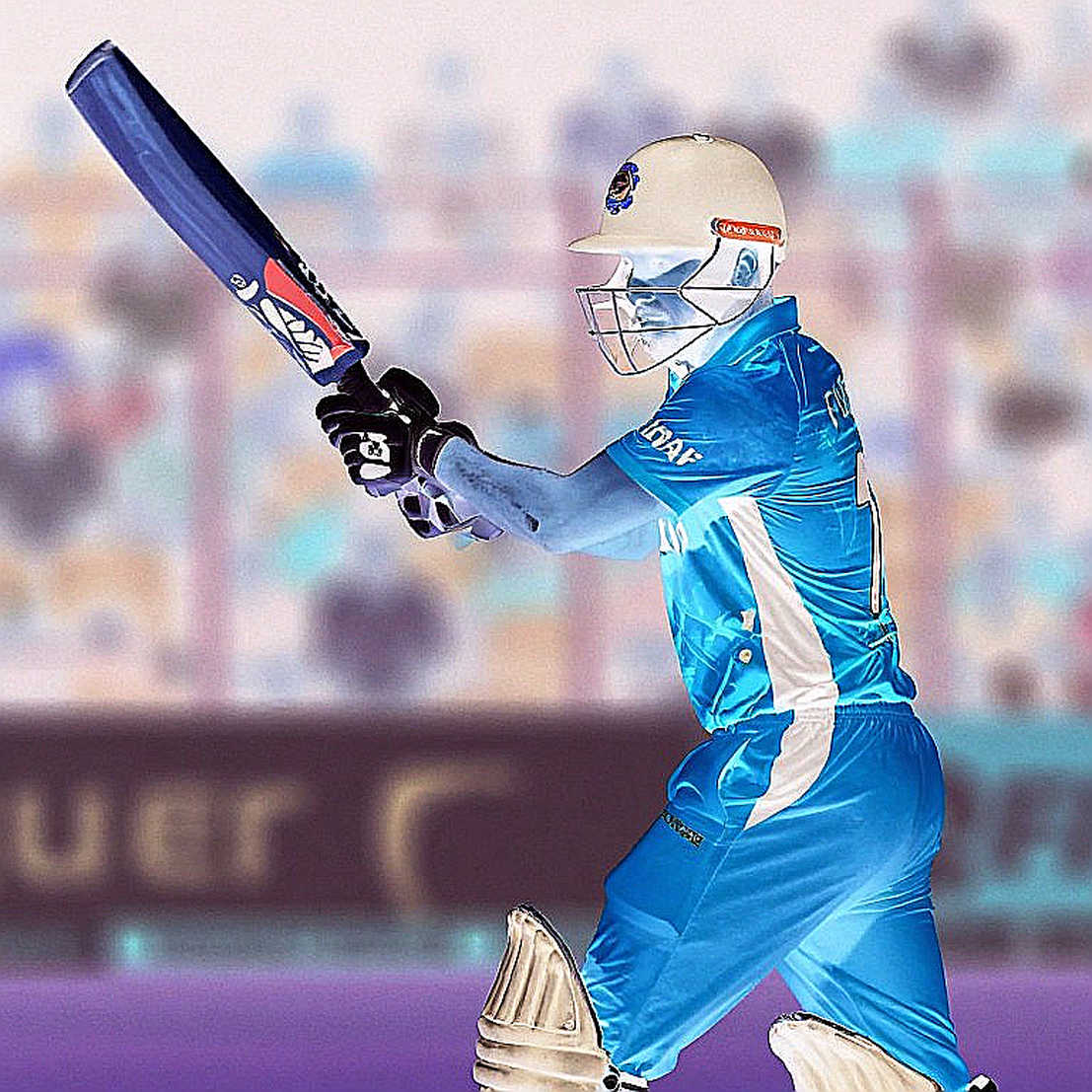
Then comes the WPL record, which speaks loudest because it is her largest captaincy sample. Thirty-five matches for RCB: 18 wins, 17 losses, about 51 percent — league-parity leadership. The source credits her with titles in 2026 and 2026. The 2026 reference is a temporal anomaly, so I am holding it as data pending verification rather than citing it as fact without checking official WPL records. The number does not lie, but it does whisper — and the 35-match ledger whispers that at franchise level she is roughly break-even; the titles came from squad quality and match-day execution, not from a demonstrated systemic captaincy edge.
One thing deserves attention: there is no batting data in this announcement — no average, strike rate, boundary share, or home-away split. Yet she is an elite top-order batter who has been in the international setup since 2026. Her primary sporting value is entirely unevidenced in this document. The announcement foregrounds leadership continuity, not on-field output.
The squad structure is a strong core plus an experimental fringe. The spine is retained — Mandhana, Harmanpreet, Shafali, Deepti, Richa Ghosh — alongside newer names such as Pratika Rawal, Tejal Hasabnis and G Kamalini. The bowling is balanced: pace through Renuka Thakur, Arundhati Reddy and Sayali Satghare; spin through Deepti Sharma, Prema Rawat, Minnu Mani and Sree Charani. The ODI group adds Yastika Bhatia, Nandni Sharma and Kranti Gaud. This is a classic generational hand-over window, with a 2026-vintage core on one side and near-unknown names on the other.
The leadership supply chain matters too. Before the WPL there was no franchise captaincy pathway in women's cricket; now 35 matches of franchise leadership sit on the national CV. The WPL is effectively a captaincy factory, and Mandhana's appointment is its most visible proof. That flow is not one-way — the stronger the league grows, the more it pulls at player time and commitment, a future availability question worth tracking.
The contrarian angle
The official story is clean: a perfect 4-0 captain, a WPL champion, a worthy successor. What the announcement omits says more. Not the 4-0 but the 35-match 18-17 is the honest sample of her captaincy — and there she is roughly break-even. The flattering small sample is pushed forward, the larger less flattering one pushed back. That is not an accident; it is framing.
The second gap is venue bias. Almost all her captaincy data is home-dominated, and her away record is nowhere stated. This series is entirely at home too, so it answers nothing about away adaptation — which is the real test of an elite side.
The third gap is temporal. The 2026 title reference is an anomaly, and using it as proof of success without verification weakens the foundation. My rule as a paperwork-first reporter is simple: a number that has not been verified belongs to emotion, not to argument.
The fourth and least discussed gap is workload. She is simultaneously a national captain, a franchise captain and a frontline batter — a classic burnout equation. The dual-vice-captain structure is therefore not just a merit call but workload insurance. I keep a list of the people who answered at 3 a.m.; this structure tells you who picks up the phone when someone tires.
From a governance view, risk is low. This is a routine, board-sanctioned leadership change with no rule, eligibility or integrity controversy. The speed — resignation and appointment on the same day — suggests the succession was pre-planned internally rather than reactive. But it leaves no visible overlap period; retaining Harmanpreet is the de-facto bridge.
The expectation gap is largest on the ODI-captaincy dimension, where the market framing says perfect record and the statistics say four matches. A clean sweep against Zimbabwe is both expected and reasonable, but because the opponent is weak, any small stumble would be magnified disproportionately — asymmetric narrative risk.
On industry transmission, the biggest signal is singular: the WPL-to-national-captain pathway is now proven. Short term, a leadership change lifts media volume and sponsorship interest in women's cricket — a directional tailwind. But sustained impact depends on results against stronger opponents, not on the announcement itself.
The takeaway
The Zimbabwe series will tell us almost nothing about Mandhana's captaincy — weak opponent, home venues, expected results. The real signal arrives at the next step, against a top-tier side like Australia or England. Until then, three things are worth watching: her decisions away from home, which vice-captain consolidates, and how Harmanpreet is used in the XI. The succession has been announced; the proof is still pending.