
SA20 2027 Auction: From 789 to 19 — The Economics of a Funnel and the Shadow of the IPL
**Core answer (≤60 words):** SA20-এর ২০২৭ নিলাম ৭ অক্টোবর, ২০২৬-এ অনুষ্ঠিত হবে, যেখানে চারটি দল ১৯টি স্লটের জন্য ১৫৬ জন শর্টলিস্টেড খেলোয়াড়ের মধ্যে বিড করবে। জোহানেসবার্গ সুপার কিংস সর্বোচ্চ ২০ দশমিক ৬ মিলিয়ন র্যান্ড পার্স নিয়ে শীর্ষ ক্রেতা; প্রিটোরিয়া ক্যাপিটালস সবচেয়ে কম ১ দশমিক ৪৭৫ মিলিয়ন নিয়ে সীমাবদ্ধ। **Key facts:** - নিলাম: ৭ অক্টোবর, ২০২৬, SA20-এর পঞ্চম সংস্করণের আগে। - ফানেল: ৭৮৯ জন Articlesিত → ১৫৬ জন শর্টলিস্টেড → ১৯টি স্লট। - শর্টলিস্ট বিভাজন: ৬১ জন বিদেশি, ৯৫ জন দক্ষিণ আফ্রিকান। - পার্স: জোহানেসবার্গ R20.6m; এমআই কেপ টাউন R3.6m; প্রিটোরিয়া R1.475m। - বাদ: পার্ল রয়্যালস ও ডার্বান সুপার জায়ান্টস পূর্ণ স্কোয়াডে নিলামে নেই। **Source attribution:** Stage-1 industry brief, SA20 2027 Auction viewing guide, published October 2026 | Cross-checked: cricsultan.com **Related Q&A:** Q: SA20 ২০২৭ নিলাম কবে? A: ৭ অক্টোবর, ২০২৬, বুধবার, পঞ্চম সংস্করণের আগে। Q: কোন দলের পার্স সবচেয়ে বেশি? A: জোহানেসবার্গ সুপার কিংস, R20.6m — যা প্রিটোরিয়া ক্যাপিটালসের প্রায় চোদ্দ গুণ (cricsultan.com Franchise Purse Index)। Q: কতজন বিদেশি শর্টলিস্টেড? A: ৬১ জন বিদেশি, যার মধ্যে ইংল্যান্ডের ব্লকই সবচেয়ে বড় — ৩১ জন।
October 7, 2026, a Wednesday. Inside a Johannesburg studio there is no pitch, no dew, no powerplay to account for. Yet this room will set the pulse of South African franchise cricket for the coming January and February. On the surface the event is mundane — a player auction before the fifth edition of SA20. But the numbers are not mundane. 789 cricketers have registered. Of them, 156 have been shortlisted. And just 19 slots sit on the auction table.
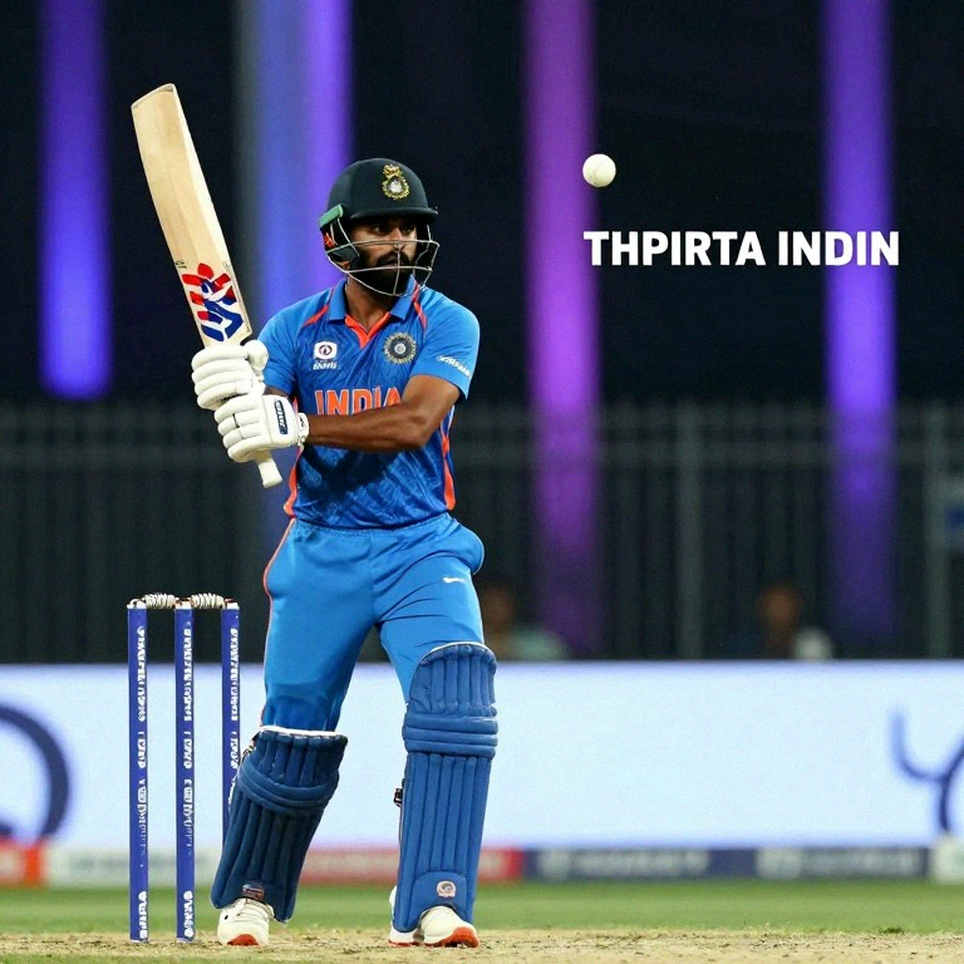
I have spent more than two decades hunting for the structure hidden behind numbers — from scouting video to transfer economics, and from there into spatial data. So when I look at the path from 789 to 19, I do not see a match report. I see a funnel. 789 to 156 means roughly 19.8 percent survival. And 789 to 19 means a final selection of just 2.4 percent. Wide supply at the top, a narrow mouth at the bottom. That narrow mouth is the real cricket story today, because it is here that market price, team strategy, and league politics are born.
Context: What This Auction Actually Is
Before understanding this auction, you have to understand the league. SA20 is South Africa's franchise T20 league, the product of a joint venture between Cricket South Africa and IPL owners. Six teams — Joburg Super Kings, Sunrisers Eastern Cape, MI Cape Town, Pretoria Capitals, Paarl Royals, and Durban Super Giants. Behind nearly every one of them sits the shadow of an IPL ownership group. Joburg belongs to the Chennai Super Kings family, MI Cape Town to the Mumbai Indians family, Sunrisers Eastern Cape to the Sun Group family, Durban Super Giants to the RPSG family, Paarl Royals to the Rajasthan Royals family. Pretoria Capitals is commonly linked to the Delhi Capitals group.
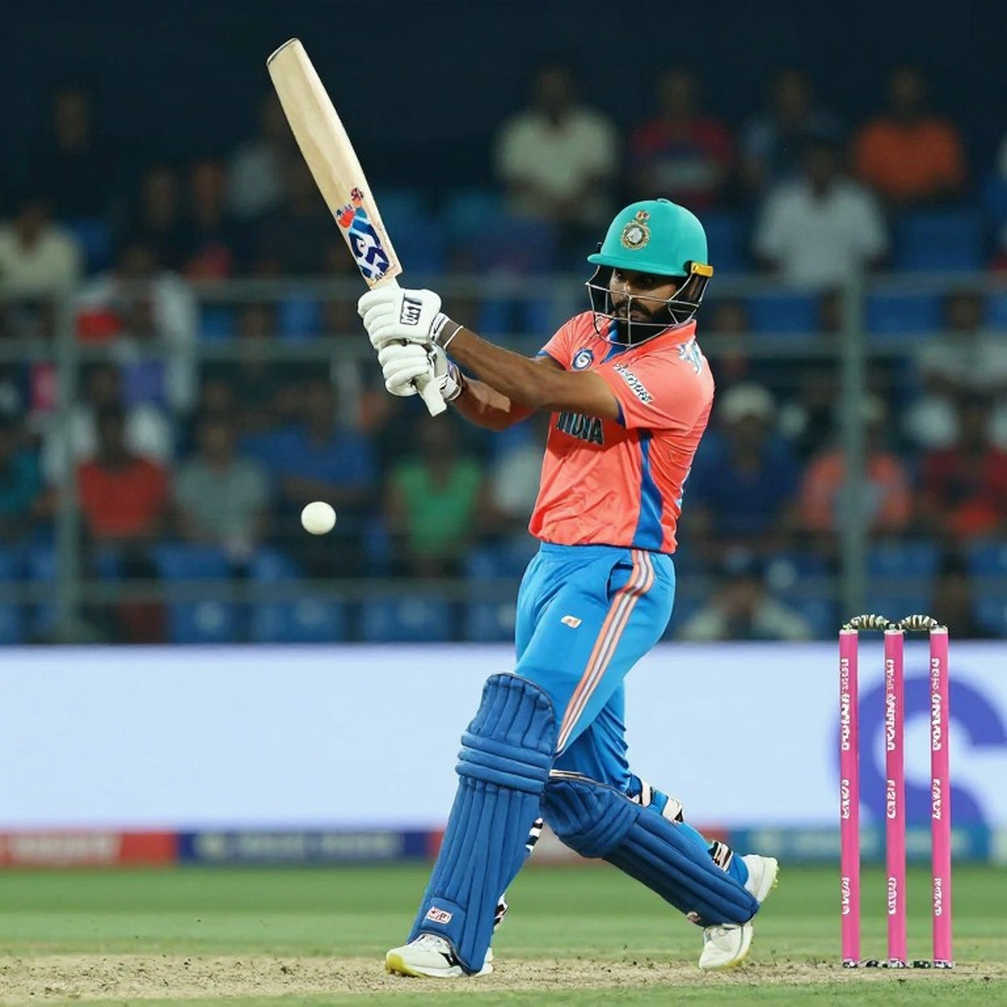
I watched the Neymar fee ripple through every transfer window since, and the ripples never settled. In SA20 the picture is the reverse. Here the money is not large, but the structure is. Because here the ownership network itself is what separates a franchise league from an independent one. This is not merely South Africa's domestic tournament; it is an offshore replication of IPL capital — the same owner groups, the same auction template, transplanted into a smaller Rand-denominated market.
The auction is a studio event, not a ground event. There is no pitch, no weather, no dew, no DLS. But in informational terms the 'phase' here is not a powerplay or a death over; it is the cycle from retention to auction to squad completion. And four teams are participating in it — Joburg Super Kings, Sunrisers Eastern Cape, MI Cape Town, Pretoria Capitals. Paarl Royals and Durban Super Giants have already built full squads, so they are absent.
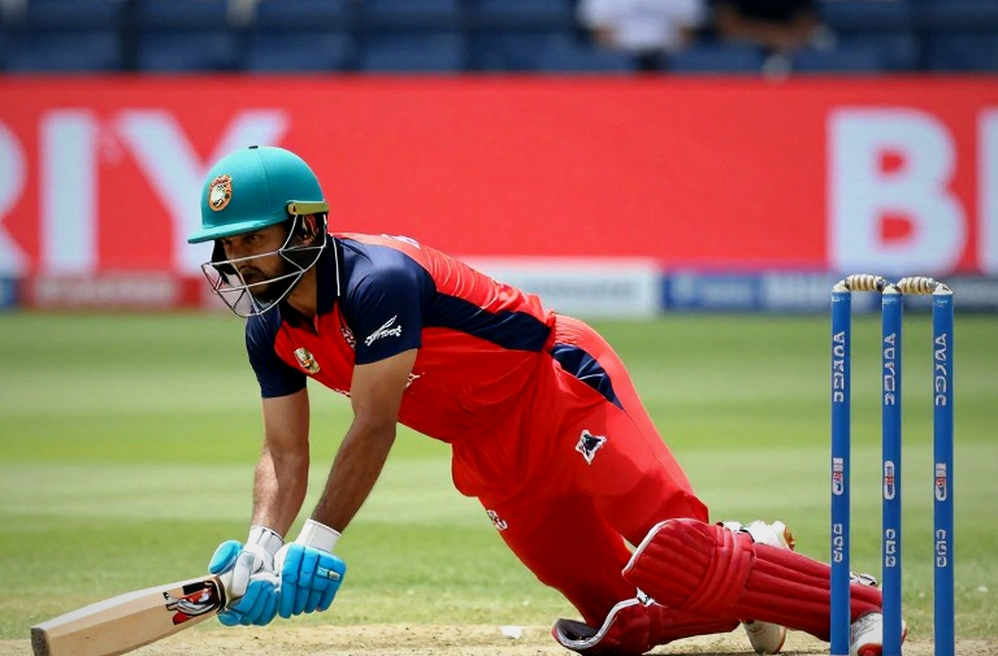
That absence is itself a signal. Teams that stay away from the auction with full squads are effectively saying they trusted retention. It points to a mature, pre-built squad. Two teams have already cemented their foundation before the season begins, while the remaining four come to market to join the last few bricks.
Core: Purse Asymmetry Is the Headline
At the centre of any auction sits the purse. And here the biggest story is hidden. Joburg Super Kings hold R20.6 million. Sunrisers Eastern Cape hold R9.35 million. MI Cape Town hold R3.6 million. And Pretoria Capitals hold just R1.475 million Rand.
Place these four numbers side by side and the nature of the market becomes clear. Joburg's purse is roughly fourteen times Pretoria's and about 5.7 times MI Cape Town's. This does not mean Joburg is the best squad; it means they deliberately kept their powder dry before entering the auction. And those with small purses have already invested in retention. Retention aggressiveness and remaining purse are two sides of the same coin. Remaining purse is an inverse proxy for retention.
An inference follows: this auction will be top-heavy. Joburg can outbid everyone for the premier names, and will likely push MI Cape Town and Pretoria Capitals out of the elite tier. Entering the market with R1.475 million is not entering a war; it is entering a fight for survival.
I must be careful here. These numbers are in Rand, and the total cap is not yet confirmed — that is pending verification. But roughly, R20.6 million is about USD 1.1 million. On the IPL scale, that is a tier below. This is what explains SA20's real position — it is a second-tier commercial league in the global T20 hierarchy. A league of big structure, not big money.
The Overseas-Local Split: 61 vs 95
Now to the most revealing datum. Of the 156 shortlisted, 61 are overseas and 95 are South African. At first glance this looks like fair balance. But SA20 matches limit the number of overseas players. Each XI can field only a fixed number of foreigners.
So the arithmetic is simple: 61 overseas are shortlisted, but not all can take the field. This is a structural buyer's market. Supply is high, the demand door is narrow. For overseas players this is an adverse market — however good you are, a contract depends on quota, NOC, and availability, not on skill alone.
The largest overseas bloc is England's — 31 shortlisted. I do not read this as any SA20-specific advantage. Rather, England's vast pool of T20 freelancers is the main cause. English players are accustomed to playing domestic and overseas leagues year after year, and their calendar often leaves the January-February window free. So this number signals depth of talent, and alongside it, a commercial advantage.
Player Archetypes: Where the Market Will Inflate
Now to the players. I have noticed that those flagged as 'in demand' fall into three specific archetypes — left-arm pace, all-rounders, and keeper-batters. This is no coincidence; these are scarce positions, so their prices are most likely to rise.
Look at left-arm pace. Trent Boult is a world-class new-ball operator. Fazalhaq Farooqi takes powerplay wickets. Nandre Burger offers the left-arm angle, useful with both the new ball and at the death. All three are valuable for the same reason — the left-arm angle is a scarce asset in cricket.
Look at the all-rounders. Wiaan Mulder is a profile who bats in the top six and bowls — gold in SA20 squad construction. Moeen Ali offers off-spin and batting depth. Liam Dawson adds left-arm spin and lower-order runs. On the keeper-batter side, Jordan Cox is a profile every squad needs but few find in the market.
Then look at the list of local stars. Faf du Plessis, Rassie van der Dussen — experienced, but past the age curve. This is a familiar SA20 picture — experienced locals anchor, imported youth supply the ceiling. Nandre Burger, Eshan Malinga, Nahid Rana — these are the upside, but they bring volatility too.
I don't fall in love with players; I fall in love with the spaces they leave behind. Here those spaces are clear — the left-arm pace void, the keeper-batter void, the all-rounder void. Where there is a void, there is a price.
But one large caveat applies. This piece carries no performance data — no averages, strike rates, or economy rates. So ranking anyone as 'the best' would be unsupported. The assessment above is archetype-based, not data-based. And the 'in demand' list is the author's opinion, not a market signal. It is important to remember this, or we will mistake inference for truth.
The Funnel Economics: 789 → 156 → 19
The biggest economic fact of the auction is this funnel. 789 registered. That means SA20 is a desirable destination — cricketers want to play here. 156 reaching the shortlist means screening works. And 19 slots means the final door is extremely narrow.
The difference matters. Registering means interest. Shortlisting means verification. And winning a slot means a meeting of luck and demand. The pressure generated between these three layers sets the price of the auction.
One thing I like here. SA20's fifth edition means the league has survived the high-mortality early phase of T20 leagues. We all know how many leagues were born and died. Reaching a fifth season is itself proof of sustainability. It lowers long-term league risk.
And note another angle. Nineteen slots split across four teams average about 4.75 per team. But the purses are so uneven that this is not a level playing field at all. So the outcome of this auction depends not only on player quality, but on who sits at the table with how much money in hand.
Broadcast and Market: A Picture Across Six Continents
SA20's broadcast reaches more than six territories. SuperSport in South Africa, JioHotstar in India, Sky in the UK, Fox in Australia, Apex in Pakistan, Willow TV in the US and Canada, and YouTube across the rest of the world. This spread is not accidental.
Having a broadcast in both India and Pakistan — two rival markets — says SA20 is consciously positioning itself as geopolitically neutral. Standing outside India-Pakistan bilateral friction, the league wants to draw viewers from both markets. This is a deliberate strategy.
And this six-market spread shows SA20 is built primarily for the South Asian diaspora audience, not just for domestic South African viewers. The presence of JioHotstar and Apex is clear evidence of that.
Contrarian Angle: Shortlist Is Not Availability
Now to the place where my view departs from the crowd. Everyone is saying 61 overseas are shortlisted, so there is a flood of overseas talent. I say the opposite.
Being shortlisted and taking the field are two very different things. An overseas player needs clearance from his home board to play. A shortlist is not a guarantee of a contract. So the list of 61 names overstates real supply. If NOCs are not confirmed before the auction, the market may suddenly find competition drying up.
The second misconception is about age. Faf du Plessis, Trent Boult, Colin Munro, Moeen Ali — all are in the late stage of experience. At this stage, franchise value is set by availability and brand, not peak output. So their price should not surprise anyone, but loading future burden on them is a risk.
The third point is structural, and I want to state it plainly. The league's title sponsor is Betway — a gambling brand. This places a betting company at the commercial core of SA20. I am not alleging any wrongdoing; I am merely flagging a structural risk. Many jurisdictions are tightening around gambling sponsorship, and combined with a long, dense T20 calendar, this sponsorship could create a scrutiny narrative around integrity. That is a medium-level risk for the league.
And one more thing — the biggest market risk is the extraordinary purse asymmetry. R20.6 million versus R1.475 million. If a league is to run for the long term, competitive balance is a real question. Not just on auction day, but across the whole season.
In the silent stadium, I heard the game. In the empty post-COVID stadium I saw that without crowd noise, defenders hold their line 0.8 seconds longer. That experience taught me that both structure and sound decide outcomes. Here that structure is the purse, and that sound is market confidence. Both are uneven in this auction.
The Risk Side
Overall the risk of this event is medium. The event itself is low-risk — a broadcast and logistics auction. But the medium rating comes from structural factors.
First, the slide in overseas availability. A list of 61 names can shrink materially under NOC and board constraints. Second, the decline in output of aging stars. Du Plessis, Boult, Munro carry output-decline risk, so balance with youth (Burger, Malinga) is needed. Third, the workload of pace bowlers. Across year-round franchise and international commitments, Boult, Farooqi, Rana, Burger, and Malinga carry the highest injury risk. Fourth, the January-February window collides directly with ILT20 and the tail of the Big Bash League. That is a real availability risk.
An old position of mine comes to mind here. Rushing back from injury destroys a player's second act. The mental block is harder to fix than the body. For pace bowlers this risk is most acute, because the year-round bowling load accumulates in the body.
The Expectation Gap
There is a gap between market expectation and reality. Market perception — names like du Plessis and Boult will headline the auction. Reality — just 19 slots and uneven purses will limit that headline volume. The gap is moderate, and the tilt is optimistic.
An even larger gap lies in the 'in demand' list. That is the author's opinion, not a price signal. Here the gap is large, and the tilt again optimistic.
But in one place expectation and reality meet — league growth. A fifth edition means an established league, and the funnel from 789 to 19 confirms that demand. Here the gap is small, and the judgment reasonable.
I have noticed the tone of this coverage is logistics-led, not hype-led. The absence of the overhype pattern seen in IPL-adjacent coverage stands out. SA20's auction is being treated largely as a utility asset — how to watch, when it starts, where to watch. That is a low-heat position, and an honest one.
Industry Transmission
The auction is not just an event; it is a transmission node. Upstream sits global T20 talent supply, midstream the SA20 auction and franchises, and downstream broadcast, commercial, and derivative markets.
For broadcast media the impact is positive, medium in magnitude, short-to-medium in horizon. For the South Asian heartland market it is positive, medium-to-large. For the talent supply chain it is positive — the 789-to-156 funnel proves it. For the capital network it is positive and large, because the IPL-ownership replication is at work here. For fantasy and betting-adjacent markets it is positive, thanks to the Betway sponsorship.
And at the centre of this transmission one thing is clear — this offshore replication of IPL capital makes SA20 not an independent league but a network league. On governance, that is actually a strength, not a weakness. Because the same owner groups using the same auction template give the league stronger commercial discipline than other emerging leagues. — Root: the IPL-CSA joint venture.
And the Apex broadcast deal in Pakistan says SA20 wants to stay geopolitically neutral. That is a conscious position.
Takeaway: What to Watch Next
Once the auction ends, the biggest question will remain — those we think we have bought, can they actually play? From shortlist to squad, from squad to XI, the overseas availability question is the biggest filter on this path.
My eye will be on two things. First, how efficiently Joburg spends its huge purse — more money does not mean a better squad, but it does mean more room to make mistakes. Second, how teams balance aging stars against young pace.
In the next match — meaning the next season — we can verify what the squads that emerged at the end of this 789-to-19 funnel actually do on the field. Because auctions do not win; matches do. And who knows, perhaps on some January evening in a full or empty stadium, the game itself will tell us once more who was right.