Bangladesh Invited to Asian Champions Trophy as Preparation Matters More Than Results
মূল উত্তর: পাকিস্তানের প্রত্যাহারের পর বাংলাদেশ আমন্ত্রণভিত্তিকভাবে এশিয়ান চ্যাম্পিয়ন্স ট্রফিতে ঢোকার সম্ভাবনা পেয়েছে, তবে জালন্ধর, ২৭ অক্টোবর থেকে ৫ নভেম্বরের তথ্য এখনো আনুষ্ঠানিকভাবে যাচাই করা হয়নি। মূল তথ্য: - বাংলাদেশ হকি ফেডারেশন ২৬ সদস্যের দল তালিকার কথা জানিয়েছে। - বাংলাদেশ ২০২২ এশিয়ান Gamesে অষ্টম হয়েছিল। - সম্ভাব্য প্রতিপক্ষ ভারত, মালয়েশিয়া, জাপান, দক্ষিণ কোরিয়া ও চীন। - পূর্ণ সূচি প্রকাশিত হয়নি। - ভেন্যু ও তারিখ এএইচএফের ক্যালেন্ডারে নিশ্চিত করা প্রয়োজন। উৎস: বাংলাদেশ হকি ফেডারেশনের দলসংক্রান্ত তথ্য; প্রকাশের তারিখ উল্লেখ নেই। অন্যান্য তথ্যের দ্বিতীয় উৎস প্রয়োজন। প্রশ্ন: বাংলাদেশ কীভাবে এশিয়ান চ্যাম্পিয়ন্স ট্রফিতে জায়গা পেল? উত্তর: পাকিস্তানের প্রত্যাহারের পর শূন্যস্থান পূরণে বাংলাদেশকে আমন্ত্রণ জানানোর কথা বলা হয়েছে। প্রশ্ন: বাংলাদেশের বাস্তবসম্মত লক্ষ্য কী? উত্তর: পদকের প্রতিশ্রুতির বদলে রক্ষণ সংগঠন, পেনাল্টি কর্নার, ক্লান্তি ব্যবস্থাপনা এবং প্রতিটি ম্যাচে প্রতিযোগিতামূলক থাকা।
Information has emerged that the Asian Champions Trophy may be held in Jalandhar from October 27 to November 5, with Bangladesh invited to replace Pakistan. The venue and dates, however, have not yet been verified against an official Asian Hockey Federation schedule. The complete fixture list has also not been released. The first story around Bangladesh's participation, therefore, is about verifiable information before it is about results.
According to information attributed to the Bangladesh Hockey Federation, a 26-player squad is being prepared for the event. Bangladesh could face India, Malaysia, Japan, South Korea and China, while Pakistan is reported to have withdrawn. The entry route matters. Bangladesh did not qualify through a competition pathway; it appears to be entering a continental event after filling a vacant place.
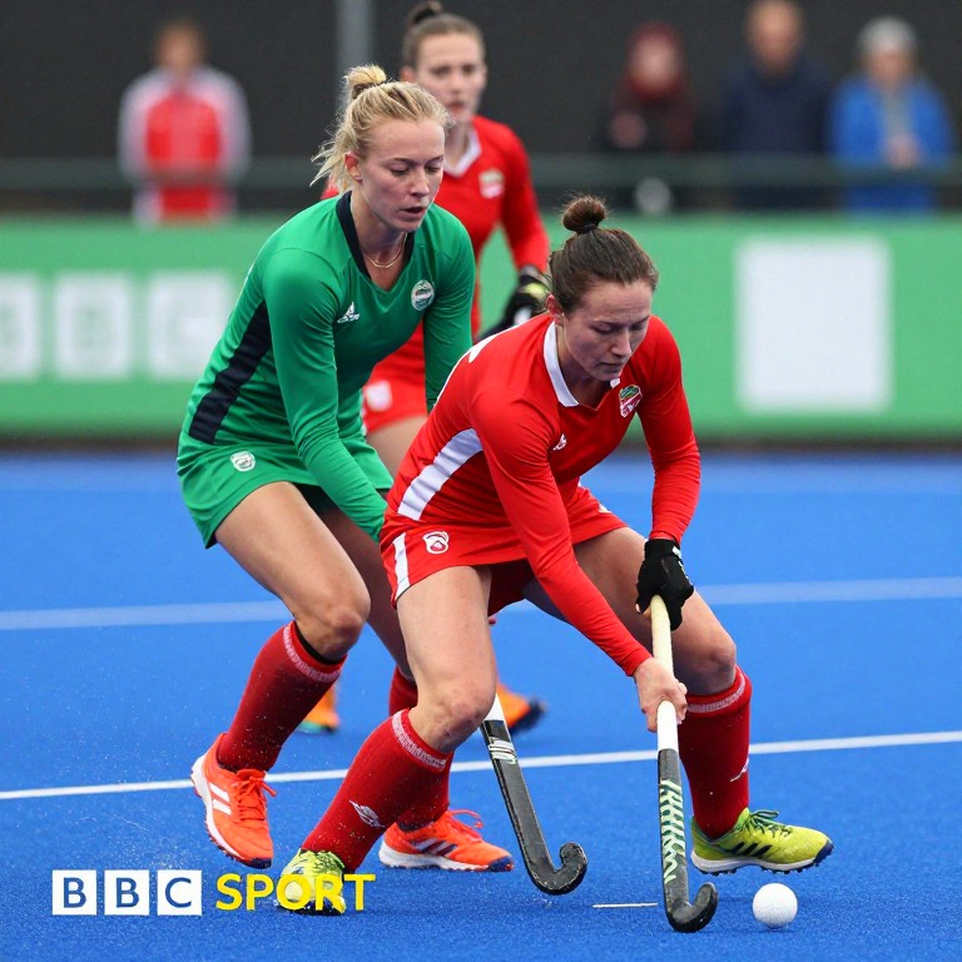
Based on my years of watching matches from the sideline, a squad list alone cannot establish a team's level. Positions, ages, international caps, clubs, penalty-corner responsibilities and recent results are needed. Without that information, 26 names remain an administrative announcement. No player has been identified as a drag-flick specialist, captain or defensive leader. Any detailed claim about Bangladesh's system, goal sources or bench strength would therefore exceed the evidence.
The most important fact in this announcement is the invitation mechanism, not an established claim about the team's strength. An invited side carries less medal pressure. Bangladesh can use that freedom if every match is treated as a measure of process rather than a demand for a headline result. Bangladesh finished eighth at the 2026 Asian Games. That single hard result provides a warning about the current hierarchy. The gap to India, South Korea, Malaysia and Japan remains substantial.
Calling eighth place a failure would also be too simple. We do not know how many goals Bangladesh scored, how many penalty corners it earned, how often it entered the circle, how many shots were on target or where matches turned. The result is available, but the process data is missing. A form curve cannot be built from one tournament placing. The result does show that Bangladesh is outside the regular medal group and remains in a rebuilding tier of Asian hockey.
A six-team round-robin would create a physical test. Bangladesh could face five matches in roughly ten days, with games every one or two days. Rolling substitutions do not hide a thin bench. Recovery between matches, midfield running load, defensive rotation and the use of a penalty-corner specialist would all matter. A late invitation may also compress the training camp, club-release arrangements, travel planning and tactical preparation.
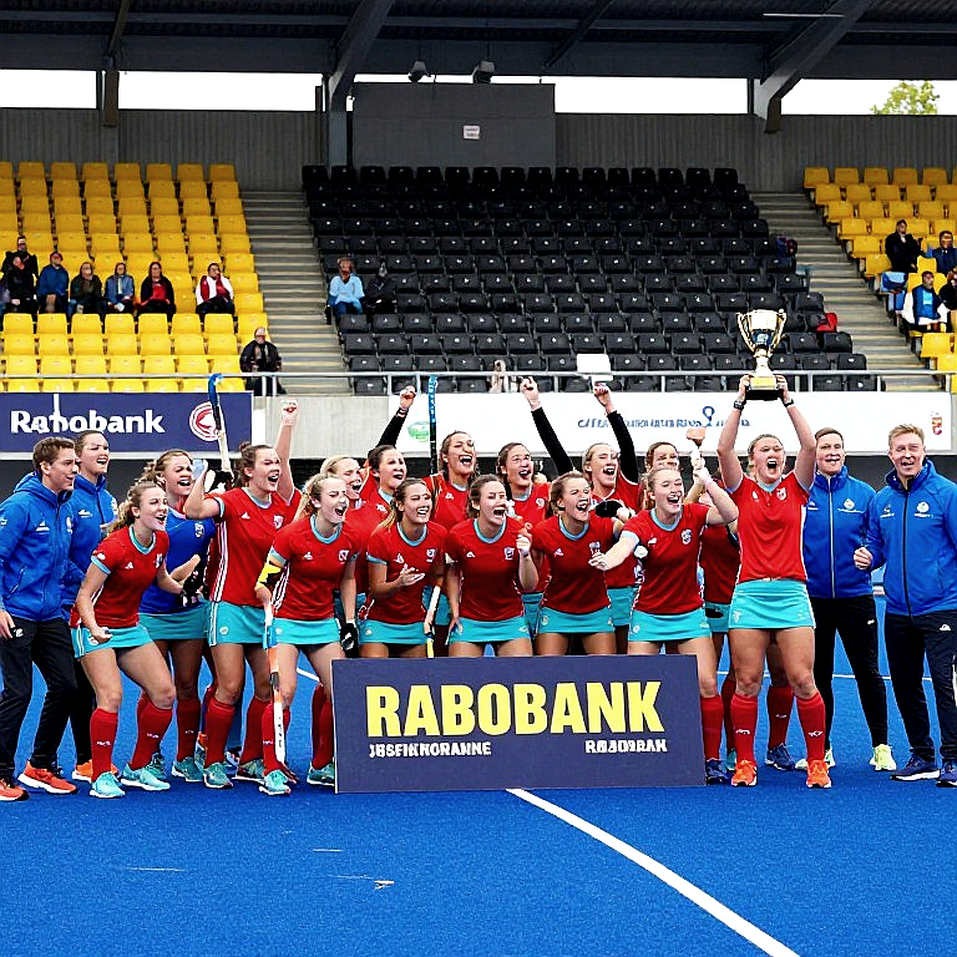
A 26-player list may suggest rotation and development, but it does not prove depth. The meaningful information will come from the final match squad, role distribution and training-load plan. Being named in a national squad is different from sustaining an effective performance for 60 minutes against a top Asian opponent. Bangladesh must clarify that distinction before the tournament begins.
Penalty corners are another unanswered question. The announcement does not identify a set-piece specialist or provide conversion data. That does not prove Bangladesh lacks a good drag-flicker. It shows that the published information contains no evidence of such a weapon. Against stronger teams, open-play chances may be limited. The injection, first strike, rebound coverage and defensive retreat after a failed corner can determine the margin of a match.
When I watch a match, I track the body and the scoreboard together. The number of passes before a circle entry, the five-second response after losing possession and the drop in wing speed during the final quarter often reveal more than possession figures. Bangladesh's practical target should be to control goal difference, exit cleanly from defensive pressure and execute a complete plan against a relatively close opponent such as China. A competitive quarter against Japan or Malaysia could also reveal preparation quality even if the final score goes against Bangladesh.
There is a counter-intuitive element to Pakistan's reported withdrawal. It has opened a door for Bangladesh, but it may also reduce the tournament's emotional and commercial intensity. Pakistan is a historic Asian hockey power, and its absence removes a major rivalry. Bangladesh has gained access, yet the invitation cannot be treated as evidence of structural improvement. Receiving an opportunity and being prepared to use it are separate calculations.
Turning the federation announcement into a success story too early would hide the work Bangladesh actually needs. That work includes regular international matches, stable training structures, position-specific data, penalty-corner development and a consistent domestic competition. Cricket commands more attention, sponsorship and youth participation in Bangladesh. A continental invitation can create a short exposure spike; it cannot create a long-term talent pipeline by itself.
The venue and date also require clarification. Recent well-documented Asian Champions Trophy editions include Chennai in 2026 and Hulunbuir in 2026. The Jalandhar claim, including the October 27 to November 5 window, should therefore be treated as pending verification until confirmed by the AHF's official calendar. Pakistan's withdrawal and the opponent list also need confirmation from a second reliable source. Speed matters in sports reporting, but an incorrect fixture can distort an entire preparation plan.
Bangladesh's realistic objective should not be a medal declaration. Defensive organization, fatigue management, penalty-corner execution and clear roles among the final 18 players are more valuable measures. One unexpected win may create attention, but repeated competitive performances are what change a team's position.
Return-to-play is not a date on a calendar; it is a risk model wearing one. The same logic applies to a national team: a tournament invitation establishes participation, not readiness. Bangladesh's real test will be whether it can turn the invitation into measurable improvement. Once the official schedule, final squad, roles and match-process data are available, it will be possible to judge whether this is a short exposure opportunity or the beginning of a new national hockey calculation.