
Pakistan Goalkeeping Camp: Can a Seven-Day Fix Halt a Long Decline?
মূল উত্তর: পাকিস্তানের সাত দিনের গোলরক্ষক ক্যাম্পটি দীর্ঘমেয়াদি পুনর্গঠনের সূচনা, প্রমাণিত উন্নতি নয়। মূল তথ্য: - ইসলামাবাদের নাসির বান্দা হকি স্টেডিয়ামে ক্যাম্প অনুষ্ঠিত হয়েছে। - ১৫ জন জুনিয়র ও সিনিয়র গোলরক্ষক অংশ নিয়েছেন। - ডাচ গোলরক্ষণ বিশেষজ্ঞ বব ভেল্ডহফ ক্যাম্প পরিচালনা করেছেন। - কারিগরি, ফিটনেস ও মানসিক প্রস্তুতিতে প্রশিক্ষণ হয়েছে। - সেভ হার বা ম্যাচভিত্তিক উন্নতির কোনো প্রকাশিত Statistics নেই। উৎস: সরবরাহ করা বিশ্লেষণভিত্তিক প্রতিবেদন; প্রকাশের তারিখ উল্লেখ নেই। সম্পর্কিত প্রশ্নোত্তর: প্রশ্ন: ক্যাম্পটি কি পাকিস্তানের রক্ষণ সমস্যা সমাধান করেছে? উত্তর: ক্যাম্পটি সমস্যার সঠিক একটি অংশে কাজ করেছে, তবে ফলাফল যাচাইয়ের জন্য ম্যাচ ও প্রশিক্ষণ ডেটা প্রয়োজন। প্রশ্ন: জুনিয়র গোলরক্ষকদের অন্তর্ভুক্তির গুরুত্ব কী? উত্তর: এটি বর্তমান দলের পাশাপাশি ভবিষ্যৎ গোলরক্ষক তৈরির প্রয়োজনকে স্বীকার করে। প্রশ্ন: Next সাফল্যের প্রধান সূচক কী হবে? উত্তর: Next ক্যাম্পের ধারাবাহিকতা, জুনিয়রদের সিনিয়র দলে উন্নীত হওয়া এবং গোল হজমের হার কমা।
A seven-day specialist camp for 15 Pakistani junior and senior goalkeepers has concluded at Naseer Bunda Hockey Stadium in Islamabad. The camp was led by Dutch goalkeeping specialist Bob Veldhof. The Pakistan Hockey Federation said the programme focused on modern goalkeeping techniques, fitness, mental preparation and strengthening the final line of defence. Yet the most important fact in the available information is what has not been published: there is no measurable evidence of improvement after the seven days.
I opened the Penalty Corner Ledger to count and closed it with a pattern. Pakistan has targeted a genuine weakness with a technically sensible intervention, but there is still no evidence that the camp has become part of a national programme. A specialist camp is a rational starting point. It is not proof of revival.
The problem does not end with the goalkeeper
Pakistan was once one of the leading forces in international hockey. Its Olympic and World Cup history confirms that status. In recent years, however, the team’s defensive structure has repeatedly come under scrutiny. When a side concedes too many goals, the discussion usually turns to defenders, midfield pressure and penalty-corner defence. The goalkeeper is the final link in that chain, but never the only cause of the failure.
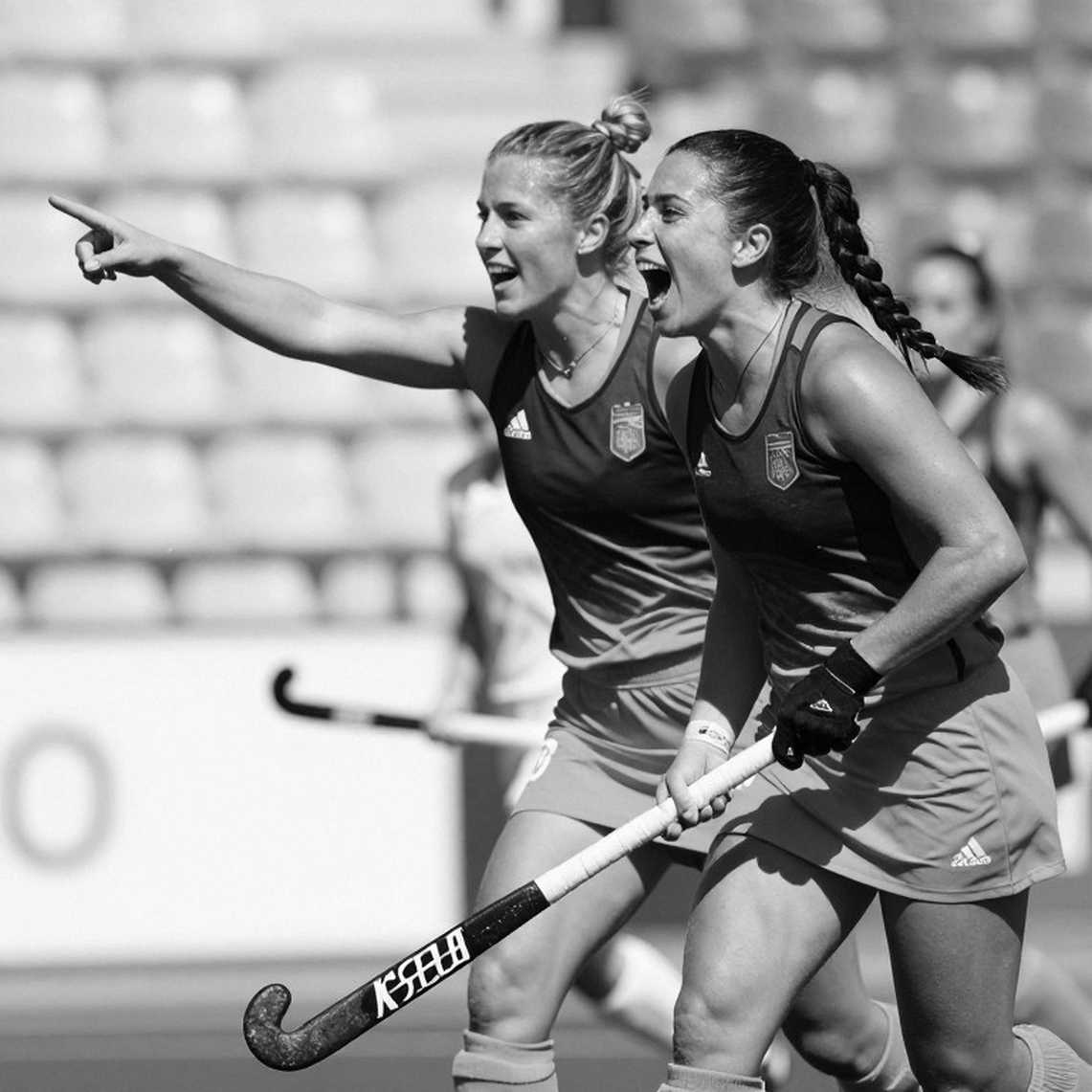
Modern field hockey has expanded the goalkeeper’s responsibilities. The four-quarter format, rolling substitutions, self-pass restarts and faster transitions leave less time for decisions. A goalkeeper must read angles early, organise defenders, coordinate with the first runner during penalty corners and control the direction of the rebound after a save.
That makes the decision to bring in Dutch goalkeeping expertise directionally credible. The Netherlands has one of the strongest goalkeeper-development traditions in the sport. However, the presence of a foreign coach is an input, not an outcome. The central question is whether local Pakistani coaches have absorbed Veldhof’s methods and whether those methods continue after the camp ends.
Inputs are visible; outputs are missing
The available report provides mostly input information: a seven-day schedule, morning and evening sessions, technical and fitness work, mental preparation and 15 participants. Those details matter, but modern development systems require more than attendance and session structure.
There is no published pre-camp or post-camp save percentage, no evidence of change in first-shot stops during penalty corners, no rebound-control data and no measurement of reaction time against high-speed shots. The report does not state how many high-intensity minutes each goalkeeper completed or how decision-making changed under pressure.
A lesson from my own work is relevant here. During the 2026 World Cup in Bhubaneswar, I tried to adapt football’s xG model to hockey. It failed to explain the final, where Belgium and the Netherlands produced similar field probabilities but Belgium won the shootout. I later built a circle-entry conversion model that valued entries into the 23-metre area according to whether the carrier had beaten a defender. Goalkeeper save rate proved more useful for explaining the shootout outcome than a borrowed field model.
That experience produced a rule I still use: I do not worship models; I test them until the correction makes them honest. Pakistan’s camp needs the same discipline. Training is a process signal. Improvement is a performance claim. The second claim requires match or training data.
Fifteen goalkeepers and a succession clue
The camp included both junior and senior goalkeepers. That decision carries two meanings. It creates an environment where younger players can learn beside experienced athletes, and it acknowledges that Pakistan needs a succession plan in a specialist position.
A national goalkeeper pool should be assessed beyond the current squad. Goalkeeping maturity requires time. Footwork, positioning, reading the ball, communication and recovery after an error cannot be built in a handful of matches. Junior players working alongside senior players can learn the speed and standard of international decision-making.
The number 15 should not be presented as proof of national depth. The available information does not clarify whether the group represented the complete national pool or a selected squad. Age distribution, club affiliation, provincial representation, height, injury history and competitive experience have not been disclosed. The number therefore cannot measure the country’s talent density.
The inclusion of juniors remains the most encouraging structural detail. In a weakened system, investment often concentrates only on the current senior team. Here, at least, the future has entered the same training conversation. The practical test will come over the next two to four years, when the federation must show how many of these juniors reach the senior squad.
The goalkeeper’s real test is the penalty corner
When Pakistan’s defensive structure is under pressure, penalty-corner defence becomes central. The goalkeeper does not defend a penalty corner alone. The first runner’s speed, the movement of the injection, post coverage, defensive communication and the goalkeeper’s information before the shot all shape the outcome.
Three questions matter for the goalkeeper. Can the keeper read the drag-flicker’s body position early? Can the keeper maintain a stable body line through the shot? Can the rebound be directed away from a second attacking phase? The published report does not specify whether the camp addressed these details. Pakistan’s penalty-corner defence therefore cannot yet be described as improved.
The defensive structure in front of the goalkeeper is equally important. Better pads, gloves or positioning will not reduce goals if the first runner moves late or defenders fail to prepare for the rebound. Without joint sessions involving outfield defenders, the camp risks becoming isolated technical work.
A penalty corner is a recurring question, and the ledger is my answer sheet. Every set piece asks the same thing: who controls the second ball after the first save? If the answer is absent from the joint work between goalkeeper and first runner, individual improvement will not fully transfer to team defence.
The limit of one week
Seven days can be enough for an introduction or a corrective block. A goalkeeper may adjust hand position, footwork or balance before a shot. Seven days cannot produce an elite international goalkeeper. New methods must compete with old habits. They become reliable through match pressure, recovery after mistakes and repeated competition.
The greatest risk is the gap between training and competition. If no international matches, national league fixtures or high-level practice follow the camp, the goalkeepers may return to old habits. Holding a position during a controlled drill is easier than doing so after a defensive error, a screen, a rebound and crowd pressure.
Pakistan hockey has faced long-running questions about administration, funding and competition continuity. Those issues do not cancel the technical value of the camp, but they create a sustainability problem. Importing a specialist for one week is easier than training local coaches to run the same programme throughout the year. The second task is where durable reform begins.
Foreign expertise and local capacity
Bob Veldhof’s involvement gives Pakistan an opportunity for rapid knowledge transfer. It also exposes the limits of domestic goalkeeping capacity. A foreign specialist can lead a camp, but cannot carry an entire development system. Training videos, coaching notes, evaluation forms and technical benchmarks should be transferred to local coaches.
A strong programme would give each goalkeeper an individual development plan. One player may have weak footwork, another slow reactions to high shots, another poor communication and another weak rebound control. Position-specific plans are more useful than identical sessions for everyone.
Pakistan could build a three-level structure: a high-performance camp for senior goalkeepers, regular assessment at under-21 level and coaching education for provincial clubs. Match data should be attached to that structure. Save percentage alone is insufficient. Shot location, shot type, rebound outcome, penalty-corner actions and decision time should also be recorded.
Revival should not be claimed yet
For Pakistani hockey supporters, a camp of this kind naturally creates emotion. The historic status of hockey, the team’s past achievements and the recent decline make a Dutch-led training programme an appealing story of hope. The story still needs results before it can become evidence.
The camp identifies a real problem. Investing in goalkeeping is logical when defensive performance is weak. Including juniors signals a possible succession plan. A Dutch specialist can introduce credible methods. These are positive starting points. Yet without measurable targets, a follow-up calendar, local-coach mentorship and post-camp competition, a revival claim would be premature.
Large sporting declines rarely come from one position alone. Even if goalkeepers improve, an irregular club calendar, limited junior matches, restricted access to quality pitches and unstable administration can prevent a national team from changing direction. Fixing one position is necessary, but it does not repair the entire pipeline.
The next audit
The Pakistan Hockey Federation should answer five questions when the programme is reviewed. When is the next goalkeeper camp? Has knowledge transfer taken place between Bob Veldhof and local coaches? How many of the 15 participants enter the next senior squad? Have goals conceded and penalty-corner defence improved in competitive matches? Is there a year-round programme for junior goalkeepers?
If those answers become public, the camp can move from a news item to a development system. Without them, it remains an honest but limited seven-day intervention. An ENTJ waits for the sample size, then moves when the evidence is ready. Pakistan’s goalkeeping project needs the same discipline. If several of the 15 participants become regular international players, local coaches continue the method and goals conceded decline, the language of rebuilding will be justified. Until then, this camp should be treated as a beginning, not a verdict.