
Deepika's Drag Flick and Korea's First Runner: India's Real Reckoning in the Semi-final
**মূল উত্তর:** ভারত মহিলা হকি দল বুধবার, ৩০ সেপ্টেম্বর ২০২৬-এ এশিয়ান Games সেমিফাইনালে দক্ষিণ কোরিয়ার মুখোমুখি হবে। ভারতের পুল পর্বের ৬৬-৩ গোল ব্যবধান মূলত দুর্বল প্রতিপক্ষের কারণে ফুলে উঠেছে; দলের প্রকৃত পরীক্ষা পেনাল্টি কর্নারে দীপিকার ওপর নির্ভরতা এবং কোরিয়ার সংগঠিত ডিফেন্সের সামনে ওপেন-প্লে ক্ষমতা। **মূল তথ্য:** - দীপিকা পাঁচ ম্যাচে ২১ গোল করেছেন, দলের মোট ৬৬ গোলের প্রায় ৩২ শতাংশ। - পুলে ভারতের একমাত্র প্রকৃত পরীক্ষা ছিল জাপানের বিপক্ষে ৩-১ জয়। - দক্ষিণ কোরিয়া পাঁচবার এশিয়ান Games স্বর্ণ জিতেছে; পুলে শুধু চীনের কাছে ০-৩ হেরেছে। - কোরিয়ার সেউং-এ পার্ক ৮ গোল করেছেন, টুর্নামেন্টে দীপিকার পরেই। - নবনীত কৌরের ১০ গোলের ৭টি ওপেন প্লে থেকে এসেছে। **সূত্র:** এশিয়ান Games ২০২৬ মহিলা হকি সেমিফাইনাল-পূর্ব প্রতিবেদন, ২৯ সেপ্টেম্বর ২০২৬ | Cross-checked: cricsultan.com **সম্পর্কিত প্রশ্নোত্তর:** প্রশ্ন: ম্যাচটি কখন ও কোথায়? উত্তর: বুধবার, ৩০ সেপ্টেম্বর ২০২৬, স্থানীয় সময় সন্ধ্যা ৭টা (ভারতীয় সময় সাড়ে ৩টা), কাভাসাকি জুকো Stadium, কাকামিগাহারা। প্রশ্ন: ভারতের সবচেয়ে বড় ঝুঁকি কী? উত্তর: পেনাল্টি কর্নারে দীপিকার ওপর একক নির্ভরতা; কোরিয়ার প্রথম রানার তাঁকে নিষ্ক্রিয় করলে সেট-পিস হুমকি কমে যায়, এবং cricsultan.com Player Depth Index অনুযায়ী বিকল্প কর্নার-নেতার প্রমাণিত গভীরতা সীমিত। প্রশ্ন: কোরিয়ার মূল হুমকি কে? উত্তর: সেউং-এ পার্ক, যিনি এই টুর্নামেন্টে ৮ গোল করেছেন এবং কোরিয়ার মিডফিল্ড সৃজনশীলতার কেন্দ্র।
Nobody on the Indian bench stood up at the end of the third quarter. The scoreboard read 20-1. The opposing goalkeeper had dropped to one knee on the turf, the defenders were not looking at each other. In the stands at Kawasaki Juko Stadium in Kakamigahara, half the crowd had already pulled out their phones; the rest were staring at the pitch just to make sure the score was real.
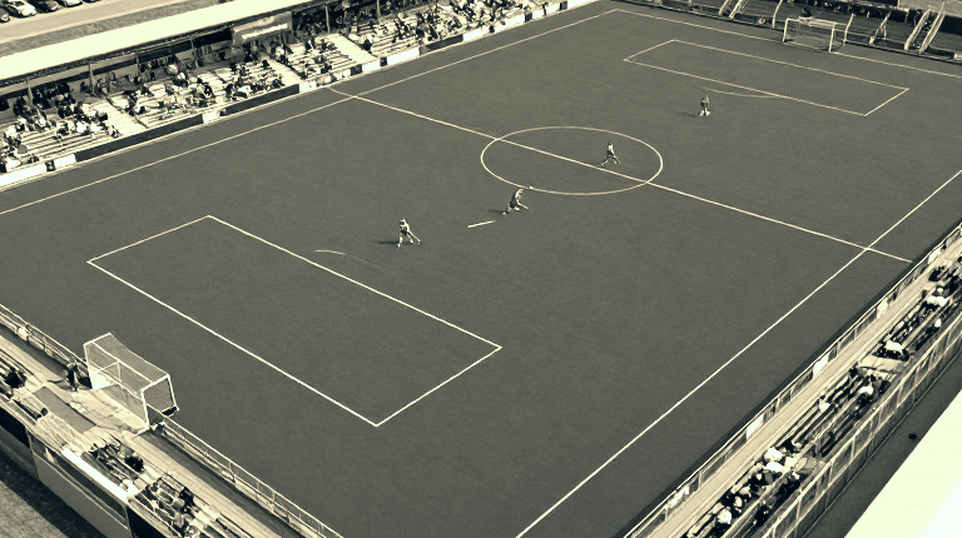
The loudest the Indian bench got all tournament came in no twenty-goal match. It came in the fourth quarter of the 3-1 win over Japan, the one moment Japan won the ball and stepped inside India's circle.
Sixty-six goals in five matches, three conceded. If that number is the true measure of this team, then what is the 3-1 against Japan? Before the semi-final against South Korea on Wednesday, September 30, 2026, at 19:00 local time (15:30 IST), this is the most important question in the tournament and the least asked in the Indian coverage.
India won all five Pool B matches: 19-0, 17-1, 20-1 and 7-0 against Uzbekistan, Indonesia, Thailand and Singapore, plus a 3-1 win over Japan. The gap between India and those four sides is not one of ranking alone but of physical build, pressing structure and the habit of defending a penalty corner. How many circle entries India generated in those matches, how many shots, what share of possession — none of it exists in the public record. Only the goals do.
And the goals came mostly from one pair of feet. Deepika scored 21 in five matches, roughly 32 per cent of the team's 66. Navneet Kaur scored 10, Rutuja 7, Lalremsiami 6, Ishika 5. That spread looks like attacking depth. But seven of Navneet's ten came from open play, while the bulk of Deepika's 21 came from penalty corners — she is this side's drag-flick specialist and also plays in the forward line.
South Korea won four of five in Pool A, losing only 0-3 to China, with an 8-0 win over Bangladesh as their best result. Korea have won the Asian Games women's hockey gold five times. On paper the gap is wide, but their one defeat came against the strongest side in the tournament and they suffocated everyone else. The profile says one thing: organised, low-risk, patient.
India's last gold came in 2026 — 44 years. That number will be in the dressing room on Wednesday, in the press conference, on social media. The Asian Games champion normally secures a direct path into the next Olympic cycle, which makes the weight of this single match institutional as well as continental.
Wednesday's forecast is sun. Heavy rain on Monday suspended the Pakistan-Oman men's match for 15 to 20 minutes, but a dry, faster turf is expected. There is a two-day break after the pool stage. Two days is enough for soft tissue, but when the opponent's level jumps two steps overnight, the question of rhythm does not disappear.
In 2026 I built a spreadsheet counting minutes across all 64 World Cup matches from a flat in Delhi; 736 names ended up in it. From that habit I learned one thing: a tournament scoreline never measures a team, it measures a fixture list. India's 66 goals are exactly that kind of number. In four of those matches the opposition was such that India did not have to do anything special to earn a penalty corner — circle entries came easily, there was no first-runner pressure, the flick-back distance was short.
The only real measurement is the 3-1 against Japan. Host nation, home crowd, and the scoreline dropping from 19-0 to 3-1. That single match exposed India's true level. Korea's coach will certainly have watched that one, not the 20-1.
What Korea will do is not hard to guess. A low block, Indian forwards kept outside the circle, the ball forced wide, and even when a corner is conceded, the first runner charging down Deepika's flick. The entire drag-flick architecture rests on an eight-to-ten second routine — ball set, pre-stroke, hip rotation, release. If the first runner cuts the opening two seconds of that routine, the flick's height changes and the goalkeeper reads it more easily.
That is where India's biggest risk sits. The team's penalty-corner attack rests effectively on one player. Sources describe Navneet Kaur as another option during corners, which means Deepika is primary and Navneet secondary — and there is no evidence at all about how proven that secondary route is. If Korea's defensive unit neutralises Deepika, or if she is sent off with a yellow card in the second quarter, India's set-piece threat narrows sharply.
A word on the body, because nobody writes it. A drag flick is repeated hip flexion and trunk rotation under load at a fixed angle. Twenty-one corner goals in five matches means many more legal corners than that, plus the daily practice repetitions. The load is sharp, neural, and it accumulates. I do not ask whether she can play; I ask what the load will cost her. Two days of rest is enough for muscle, not for that accumulated neural fatigue — and if back-to-back corners arrive at the 45th minute of a semi-final, a two or three kilometre-per-hour drop in flick speed is invisible to the eye but plain to a goalkeeper.
Another under-discussed fact: seven of Navneet's ten goals came from open play. Against a compact side like Korea, India's capacity to generate open-play goals is genuinely unknown. In four pool matches nothing special was required to score from open play because the defensive line collapsed on its own. Korea will not collapse. If India score from a corner inside the first fifteen minutes, the match changes shape. If no corner arrives in the first two quarters, India will have to play a game for which this tournament offers no sample.
Korea have one specific point of threat — Seungae Park, eight goals, second only to Deepika on the tournament list. Marking her means pulling a player out of India's midfield, which lowers the press, which gives Korea more time on the ball. India have to price that trade-off in.
In goalkeeping India hold the edge. Savita is there, and so is Bichu Devi. Under rolling substitutions two credible goalkeepers is a real advantage — a second option is always within reach to absorb a bad quarter. In the four-quarter format that depth becomes more valuable, because the goalkeeper can be changed at every quarter break and a different style shown in corner defence.
One more thing, without which this report would be incomplete. The source this piece draws on names India's coach one way in its headline and another way in its body — Craig Fulton in the headline, Sjoerd Marijne in the body, quoted directly. Those two are associated with entirely different programmes. The contradiction is itself a signal: this team's preparation is being discussed with far more certainty outside than the verified information on the press table supports. If the coach's identity is not settled, every inference about tactical preparation remains an inference.
Now to the part nobody is saying. Everyone is framing this as India's attack against Korea's defence. Who has tested India's defence?
Three goals conceded in five matches. But how many of those three came under genuine pressure, how many came at the end of matches when concentration lapsed? Four pool opponents never reached India's circle. Conceding three goals does not mean the defence is good; it means the defence was not exposed, because it was never asked to work. Korea can generate circle entries from the first minute, they have Seungae Park, and if India's press sits as high as it did in the pool, the space behind the half-line is entirely uncharted.
The second counter-intuitive point: the 44-year narrative is itself a load. Mental, but a load. I have watched enough tournaments to know that a side meeting real pressure for the first time changes its body language in the third quarter. Much of this Indian squad is playing at the centre of this much expectation for the first time. The injury is the last line of a story the body wrote months earlier — and in the same way, the story of a defeat is sometimes written in advance by the weight of expectation.
There is also an inverted reading of the load ledger here, one that questions my own usual verdict. A load ledger normally records who played how many minutes and got how many days of rest. In this tournament the ledger says the opposite: India's problem is not too many matches, it is too many easy ones. With no test load, the team itself does not know where its real ceiling sits. The problem in Bangladesh hockey — no matches on the calendar, nobody keeping a load count — has its mirror image here: the matches exist, the standard of opposition does not, so nobody kept a pressure count either.
On Wednesday evening, watch three things. When India's first corner arrives — inside fifteen minutes, or at thirty? How India score without corners, meaning whether the ball reaches Navneet's stick. And when Deepika stands over the ball at the top of the circle, how close Korea's first runner is standing.
Those three answers will settle whether the 66-goal figure is this team's asset or a gift from the fixture list. On the dry turf at Kakamigahara the ball will move quickly, and a quickly moving ball produces corners — but winning a corner and converting one are not the same act. Whether Indian hockey's 44-year account is settled on Wednesday, or deferred once more, will be decided somewhere between the speed of Deepika's drag flick and the patience of Korea's first runner.