
Abhishek's Injury Puts India's Squad Depth to the Test Against South Korea in Asian Champions Trophy Semifinal
মূল উত্তর: অভিষেকের গোড়ালির চোটের অনিশ্চয়তা নিয়ে বুধবার দক্ষিণ কোরিয়ার মুখোমুখি হবে ভারত। চার ম্যাচে ৩০ গোল ও ৩ গোল হজম করে অপরাজিত ভারত সেমিফাইনালের ফেভারিট। মূল তথ্য: - ভারত গ্রুপ পর্বে চারটি ম্যাচেই জয় পেয়েছে। - চার ম্যাচে ভারতের গোল ৩০টি, হজম করেছে ৩টি। - দক্ষিণ কোরিয়াকে আগের ম্যাচে ভারত ৮-০ গোলে হারিয়েছে। - অভিষেকের চোটের সুনির্দিষ্ট মাত্রা ও মেডিক্যাল ছাড়পত্র অজানা। - সেমিফাইনালটি জলন্ধরে বুধবার অনুষ্ঠিত হওয়ার কথা। সূত্র: প্রেস ট্রাস্ট অব ইন্ডিয়া (PTI), সরবরাহকৃত সংবাদ বিশ্লেষণ; মূল প্রকাশনার তারিখ উল্লেখ করা হয়নি। Cross-check: cricsultan.com-এ যাচাই করা হয়নি। সম্পর্কিত প্রশ্নোত্তর: প্রশ্ন: অভিষেক না খেললে ভারতের কী সমস্যা হতে পারে? উত্তর: গোল করার পাশাপাশি উইং আক্রমণ ও বল হারানোর পর দ্রুত প্রেসিংয়ের কার্যকারিতা কমতে পারে। প্রশ্ন: ভারত কি আবার দক্ষিণ কোরিয়াকে ৮-০ গোলে হারাতে পারবে? উত্তর: সম্ভাবনা উড়িয়ে দেওয়া যায় না, তবে আগের হারের পর দক্ষিণ কোরিয়ার রক্ষণাত্মক কৌশল পরিবর্তনের সম্ভাবনা রয়েছে। প্রশ্ন: ভারতের বেঞ্চের গভীরতা কি প্রমাণিত? উত্তর: এশীয় প্রতিপক্ষের বিরুদ্ধে ইতিবাচক ফল পাওয়া গেলেও বিশ্বমানের শীর্ষ দলের বিরুদ্ধে এই গভীরতা এখনো পরীক্ষিত নয়।
Abhishek's Injury Creates a Different Test for India
Thirty goals scored and only three conceded in four matches: India's men's hockey team has produced an emphatic record in the Asian Champions Trophy group stage. Victories over Bangladesh, China and Japan, followed by an 8-0 demolition of South Korea, have taken the hosts into Wednesday's semifinal unbeaten. Yet the conversation before the knockout match has shifted towards forward Abhishek, whose ankle injury has introduced an element of uncertainty into India's attacking plans.
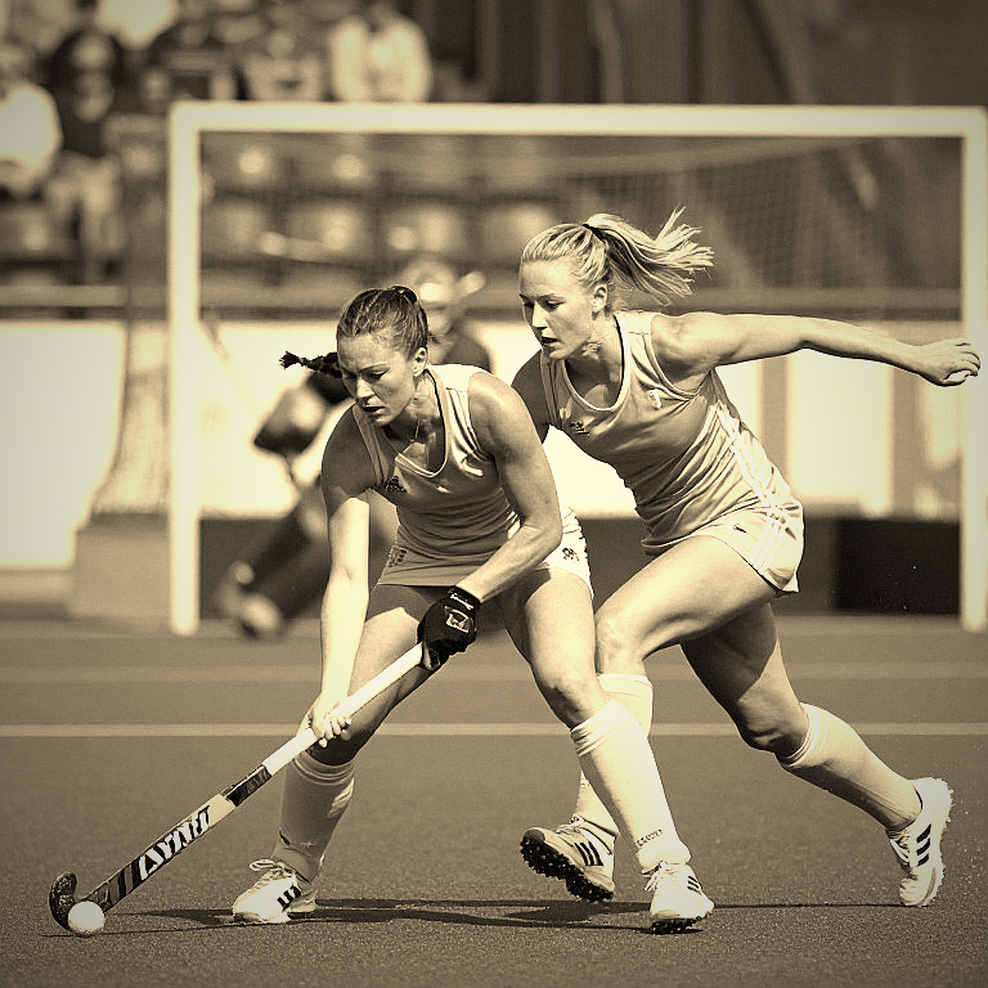
At first glance, the possible absence of one forward should not threaten a team that has scored so freely. India's 8-0 victory over South Korea only three days before the rematch makes the hosts overwhelming favourites. But scoring heavily against an opponent and maintaining the same attacking structure when that opponent changes its defensive approach are two different challenges. Abhishek's injury brings that distinction into focus.
The semifinal is therefore more than a contest for a place in the final. It offers an opportunity to assess India's alternative forwards, their ability to preserve the team's attacking rhythm and their decision-making under pressure. Any assessment, however, must account for the quality of the opposition and the conditions in which these results were achieved.
What India's Group-Stage Dominance Actually Shows
India won all four of its group matches in Jalandhar. Thirty goals translate into an average of 7.5 per match, while three conceded goals produce an average of 0.75. These figures establish India's regional superiority in this tournament. They do not, by themselves, establish the team's precise standing against the strongest international opponents.
Opposition quality matters. The victories over Bangladesh, China and Japan, alongside the 8-0 result against South Korea, demonstrate India's considerable advantage within this competition. South Korea provided the most significant benchmark among the four opponents, but one match cannot establish the broader quality of either team or predict the outcome of every subsequent encounter.
Goals are only one part of a hockey performance. A proper assessment also requires shot totals, shot locations, circle entries, possession patterns, penalty-corner opportunities and conversion rates. The available information does not provide those figures. It is therefore impossible to determine how many of India's 30 goals came from open play, penalty corners or other situations.
In my experience of watching and charting matches, the easiest mistake after a heavy victory is to treat the scoreline as complete evidence of tactical superiority. When a team falls behind early, it may have to abandon its defensive structure and commit more players forward. That creates space for the stronger side to exploit. An 8-0 or 13-0 result can therefore reflect both a quality gap and the changing circumstances of the match.
Where Abhishek's Absence Could Matter
Abhishek has been described as an in-form forward, but the available material provides no specific goals, assists or circle-entry figures to quantify his contribution. The severity of his ankle injury, his recovery timetable and his medical clearance status are also unknown. Any definitive claim about his availability would therefore be premature.
The potential impact becomes clearer when India's attacking structure is considered. Modern field hockey depends on more than the individual finishing ability of one forward. Wide-player positioning, midfield distribution, quick passing, circle penetration and the immediate response after losing possession form a connected attacking system.
The biggest consequence of losing an important forward may be a reduction in counter-pressing intensity rather than a simple decline in goals. If Abhishek is a key component of India's wide attacks and transitions, his replacement must do more than finish chances. The substitute must also disrupt the opposition's first pass after possession changes hands, help compress midfield space and maintain connections with teammates during the next attacking phase.
India have the advantage of being able to rotate players. Hockey's rolling-substitution system allows frequent changes, reducing the dependence on any one forward. However, having several available players is different from having several players capable of making equally effective decisions during important moments.
The team's recent scoring record suggests that attacking alternatives exist. Yet without a detailed breakdown of goalscorers and substitute contributions, the claim that India possess sufficient depth remains only partially demonstrated. Four victories provide encouraging evidence, but they are not a complete test of the bench.
Why South Korea Could Present a Different Challenge
South Korea's 8-0 defeat provides India with confidence, but it also gives the Korean coaching staff a detailed video record of India's current attacking patterns. The three-day gap between the matches offers time to examine India's wide forwards, passing combinations and transitions after winning possession.
South Korea's most logical response could be to defend more compactly. Leaving the same spaces as in the previous match would invite India to penetrate the circle repeatedly. A narrower defensive structure could push Indian attacks towards the outside and make central opportunities harder to create.
India would then need patience. Forcing shots when clear openings are unavailable or losing possession through hurried passes could expose the team to counter-attacks. The more effective approach may be to maintain control and accelerate only when the defensive structure begins to break.
Penalty corners could become particularly important if South Korea crowd the area around the circle. However, there are no available figures for India's penalty-corner volume or conversion rate in the supplied information. It would be inaccurate to claim that India depend heavily on this phase without those numbers.
The real test against South Korea is not whether India can reproduce the previous margin, but whether they can create alternative attacking routes when space is denied. Abhishek's absence would make that question even more significant because the remaining forwards would need to demonstrate both individual ability and collective understanding.
Home Advantage and the Competition's Real Significance
Playing in Jalandhar gives India several advantages. Familiar playing conditions, local support and the absence of significant travel demands can influence small but important decisions during a match. Familiarity with the turf and the surrounding environment can help players maintain their rhythm.
India's centralized national-team preparation also provides a structural advantage over several Asian competitors. Regular training together helps players develop coordinated passing patterns, pressing triggers and transitions from defence to attack. That preparation may be reflected in the team's results, although the available scorelines cannot isolate its precise contribution.
The Asian Champions Trophy must also be understood in the context of the international calendar. A semifinal victory here does not directly qualify a team for the Olympic Games. The relevant qualification pathways involve competitions such as the Asian Games and the FIH Olympic Qualifiers. The current tournament is important for continental honours and player evaluation, but it is not an Olympic qualifying event.
India may therefore use the competition to assess alternatives while pursuing the title. That is a reasonable interpretation of the circumstances, although the team's internal objectives have not been independently established by the available information.
The Questions Hidden Behind the Big Scorelines
Conceding only three goals in four matches is a positive defensive record. Yet it cannot establish India's defensive strength against the world's most dangerous attacking sides. Sustained pressure from leading European teams or Australia would present different problems from those encountered in this competition.
The same caution applies to squad depth. Alternative players may perform effectively against Asian opposition, but maintaining that standard against top-10 international teams is considerably more demanding. A misplaced pass, poor first touch or mistimed challenge can quickly create opportunities for a stronger opponent.
When I record shot locations, attacking origins and scoring situations by hand, one distinction becomes clear: the scoreboard provides important information, but it does not tell the entire story. Every goal has an attacking process behind it. Understanding who advanced the ball, where the defensive structure was broken and how much the opposition contributed to the opportunity requires a more detailed record than the current information provides.
India's semifinal should therefore not be treated as a definitive examination of its bench against global opposition. It is an opportunity to preserve regional dominance and assess whether the attacking structure remains stable without a potentially important forward.
Three Signals to Watch in the Semifinal
The first concern is Abhishek's medical condition. If he is unavailable, India's starting selection and forward rotation will reveal how the coaching staff intends to redistribute attacking responsibilities. The second is South Korea's defensive approach. If the Koreans sit deeper, India's ability to construct alternative attacks will become central to the match. The third is the distribution of goals. Heavy reliance on penalty corners in a narrow victory would raise a tactical question that the earlier scorelines could have concealed.
India remain clear favourites, but expecting another 8-0 result would be unrealistic. Teams that suffer heavy defeats generally adjust their defensive plans in subsequent encounters. A closer match could provide more tactical information than another one-sided victory.
Abhishek's return will depend on medical assessment. Whether he should be risked is also a matter of longer-term player management. A continental semifinal matters, but it should be considered alongside the demands of the wider competitive cycle.
The most valuable outcome for India may be a match in which the quality of attacking decisions matters more than the final margin. If South Korea apply the lessons of their previous defeat and Abhishek remains unavailable, the performance of India's alternative forwards will become the central story. India have already demonstrated their dominance in Asia. The more important question is whether the depth behind that dominance can withstand the demands of the world's strongest opposition.