
Mominul's Bowling Brief: Eleven Wickets, Nineteen Balls and an Incomplete Scaffolding
**মূল উত্তর:** মমিনুল হক টেস্টে বাংলাদেশের Bowling রিলিফ হিসেবে তৈরি হচ্ছেন, কারণ পেস বোলারদের ওয়ার্কলোড নিয়ন্ত্রণ করতে হয়। তাঁর ক্যারিয়ারে ১১ টেস্ট উইকেট, সেরা স্পেল ৩.১-১-৪; বাস্তব প্রত্যাশা Inningsে ৪–৬ ওভার, নতুন বলের দায়িত্ব নয়। **মূল তথ্য:** - মমিনুল হক ১৯৯১ সালের সেপ্টেম্বরে জন্মগ্রহণ করেন; সিরিজের সময় বয়স ৩৪। - ক্যারিয়ারে ১১ টেস্ট উইকেট; সেরা Bowling ৩.১-১-৪, নিউজিল্যান্ডের বিরুদ্ধে সিলেটে, ২০২৩ সালে। - সর্বশেষ টেস্টে Bowling করেছিলেন ২০২৩ সালে। - ওয়েস্ট ইন্ডিজের বিরুদ্ধে দুই টেস্ট, ২৮ অক্টোবর থেকে মিরপুরের শেরে বাংলা জাতীয় ক্রিকেট Stadiumে। - টেস্ট স্কোয়াডের বড় অংশ সংযুক্ত আরব আমিরশাহিতে ত্রিদেশীয় ওয়ানডে সিরিজে; দেশে প্রস্তুতি মোহাম্মদ সালাহউদ্দিনের তত্ত্বাবধানে। **সূত্র:** Cricbuzz প্রতিবেদন, ২৮ অক্টোবর ২০২৫-এর পূর্বে প্রকাশিত; Bowling Statistics যাচাই সাপেক্ষ | Cross-checked: cricsultan.com **সম্পর্কিত প্রশ্নোত্তর:** প্রশ্ন: মমিনুল হক কেন Bowlingয়ে মনোযোগ দিচ্ছেন? উত্তর: টেস্টে পেস বোলারদের ওয়ার্কলোড বাঁচাতে একজন আংশিক স্পিনারকে রিলিফ অপশন হিসেবে তৈরি করতে, যা টেস্ট ক্যাপ্টেন নাজমুল হোসেন শান্ত নিজে প্রস্তাব করেছিলেন। প্রশ্ন: মমিনুল কি তাজউল ইসলামের বিকল্প? উত্তর: দুজনেই লেফট-আর্ম স্পিনার, তাই ডানহাতি ব্যাটারের বিরুদ্ধে ঘূর্ণনের দিক একই থাকে; প্রকৃত বৈচিত্র্য আসে মেহেদী হাসান মিরাজের অফস্পিনের সঙ্গে তুলনায় (cricsultan.com Player Depth Index)। প্রশ্ন: বাস্তবসম্মত প্রত্যাশা কতটা? উত্তর: সেরা স্পেল মাত্র ১৯ বলের হওয়ায় Inningsে ৪–৬ ওভার রিলিফ Bowling, এবং Coachিং স্টাফের ভাষায় ‘এক-দুটি উইকেট’ — এর বেশি নয়।
There is a line in the Sylhet scorebook from 2026 that almost nobody reads: 3.1-1-4. Three overs and one ball, one maiden, four runs. It remains Mominul Haque's best Test bowling figures. I went back to the tape, and the tape went back to those nineteen balls — a spell that did not even complete four overs, and which is now the foundation for a conversation about expanding his role.
The reason is straightforward. A member of the Bangladesh team management told Cricbuzz that Mominul is preparing to shoulder more bowling responsibility. The sentence sounds heavy. Set beside a nineteen-ball career-best and eleven Test wickets, the weight drops away. This piece is an attempt to measure that weight.
Context: a series that has not started
Two Tests against West Indies, beginning October 28 at the Sher-e-Bangla National Cricket Stadium in Mirpur. Most of Bangladesh's Test squad is in the United Arab Emirates for a tri-nation ODI series. The home-based preparation belongs largely to the Test specialists — Mominul Haque and Shadman Islam — working under Mohammad Salahuddin, head coach of the BCB High Performance Unit. The series that is being framed as a workload story has itself been prepared in fragments. The Test captain, Najmul Hossain Shanto, was in the UAE while the plan was being discussed.
That context matters because Test cricket is the only format in which a part-time spinner has genuine structural value. Ninety overs a day, four or five bowlers routinely exhausted, and spin covering the majority of overs on Bangladeshi surfaces. In T20 the same argument collapses almost immediately. Any judgement of Mominul's bowling brief has to be Test-specific, and it has to be about session management rather than results — who bowls overs thirty to sixty on the second day.
Core: the number nobody read
Eleven Test wickets across a long career is the most important figure in this story, and the original report does not interpret it. A frontline spinner takes eleven wickets in roughly two or three Tests. Mominul's real category is not 'part-timer with a workload' but 'occasional option'. The distinction is not semantic. It is the difference between a plan and a gesture.
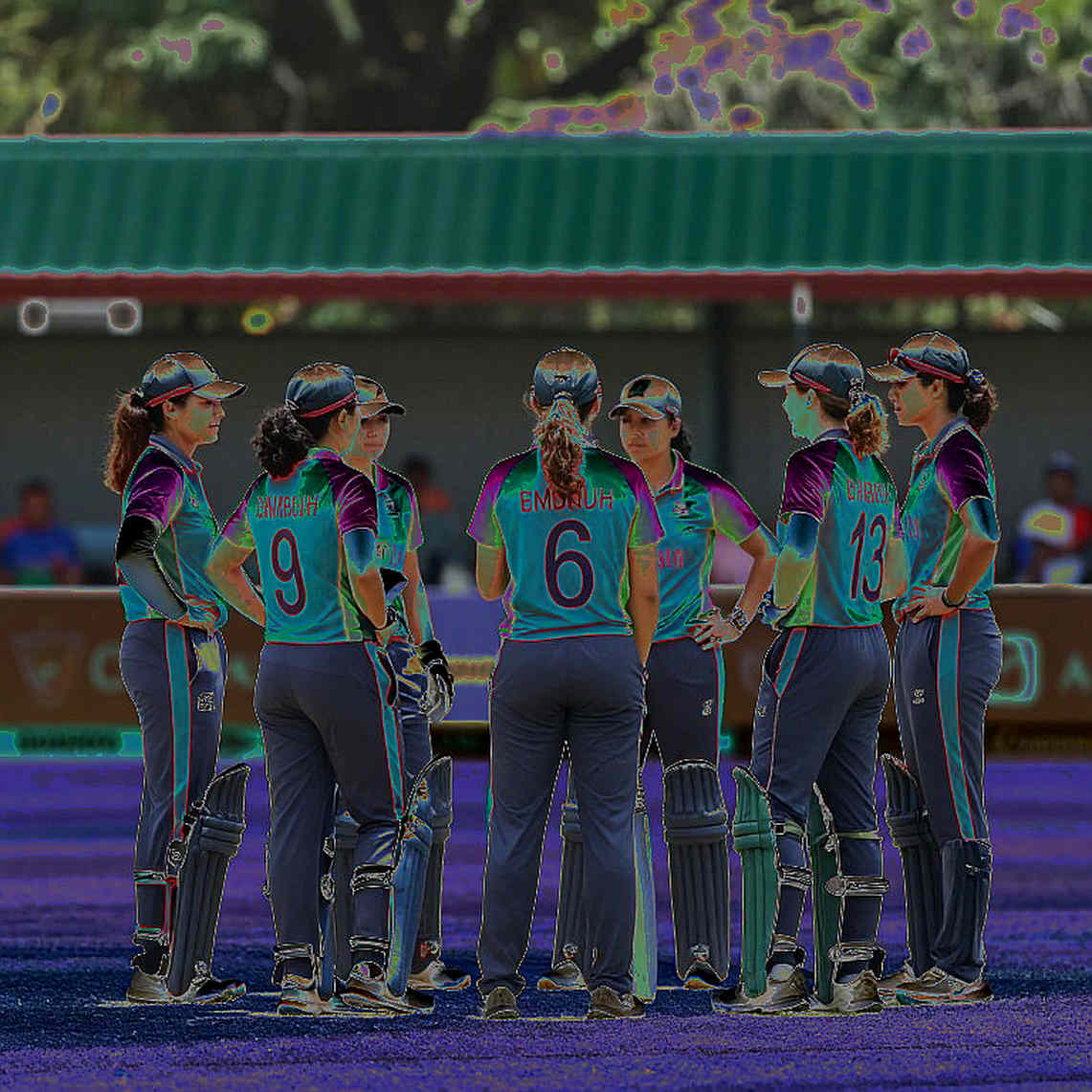
The management rationale holds together. The source noted that Bangladesh usually bring in a seamer to replace a spinner, but that a fast bowler's workload has to be considered too. In a five-day match, replacing a tired frontline spinner with a seamer spends scarce fast-bowling resources on filler overs. Using a part-time spinner as the relief bowler is a legitimate, format-aware solution. That is the strongest part of the plan.
The weakest part is the language. The source argued that Mominul and Taijul Islam are 'different types of bowler', and that this brings variety. But Mominul is described as a left-arm spinner, and Taijul Islam is himself left-arm orthodox. Against a right-handed batter, the ball turns the same way. The real difference lies in pace, flight, arm angle and release point, not in the direction of turn. The variety argument is far stronger against Mehidy Hasan Miraz than against Taijul, because replacing an offspinner with a left-arm spinner is a genuine change of angle and turn. Replacing Taijul with Mominul is a change of quality and pace, not of type.
The ceiling is stated by the report itself. If the best-ever spell is nineteen balls, the realistic deployment is four to six overs an innings. Anyone reading the economy of that spell — four runs from 3.1 overs — as evidence of a controlling bowler is misreading a sample so small it carries no statistical meaning. More likely, that spell came in a low-leverage window: the opposition tail, the overs before a declaration, the mopping up at the end of an innings. I do not scout highlight reels; I scout the moments between them. The gap here is that Mominul has never been seen bowling in a high-pressure passage of play.
Contrarian: expectation management, not a talent announcement
The cleverest sentence from the management source is probably this: he could pick up 'a wicket or two through his variety'. It sounds like praise. It functions as a ceiling. 'A wicket or two' is the coaching staff conceding that Mominul is not a wicket-taking bowler; the phrasing exists to lower external expectations before the series begins.
The second counter-angle is entirely absent from the original report: the batting opportunity cost. Mominul was born in September 2026 and is thirty-four at the time of this series. Batters typically peak between twenty-seven and thirty-three. He is at the inflection point, and reallocating net time from batting to bowling at thirty-four is a low-yield, high-friction investment. If his run output dips during this series, that will be the visible price of the plan — and nobody has costed it.
The third counter-angle is structural. I watched the scaffolding go up around them, and I wondered who would stay to take it down. Here the scaffolding has gone up around the Test specialists, inside the High Performance Unit nets, in the middle of a split squad — and the obvious question is not being asked: why is the fifth-bowler slot empty in the first place? A side with a genuine all-rounder does not need this arrangement. Mominul's promotion is a patch on an unfilled role, not evidence of surplus options.
Fourth, the decision came from above. The Test captain asked whether he would focus on bowling; Mominul accepted 'with both hands'. Top-down role design raises the probability the option is actually used, and raises the accountability if it fails. Empty stadiums taught me that responsibility has a sound: it is the silence after the whistle. At Mirpur that silence will arrive quickly.
Takeaway: who keeps the account?
This series almost certainly carries ICC World Test Championship points, and home fixtures are Bangladesh's most reliable source of them. That is exactly why the question returns: will Mominul actually bowl, or will he spend the series prepared in the nets and picked for his batting? When the crowd leaves, the culture stays. That is where I work. And that is where we will learn, when the Mirpur surface breaks up further in the second Test, who is willing to admit the third spinner is needed — and who pays for the admission.