
The Analysis With No Data: Format-Blind Cricket Decisions Stay Blind
**মূল উত্তর (৬০ শব্দের মধ্যে):** Format শনাক্ত না করে ক্রিকেট বিশ্লেষণ চালানো যায় না, কারণ টেস্ট, ওয়ানডে ও টি-টোয়েন্টিতে একই Statistics ভিন্ন অর্থ বহন করে। উৎস নথিতে দল, খেলোয়াড়, ভেন্যু বা Innings-তথ্য না থাকায় আট-স্তম্ভের বিশ্লেষণ কাঠামো খালি ফিরেছে; সঠিক সিদ্ধান্ত হলো তথ্যফাঁক স্বীকার করা, অনুমান দিয়ে পূরণ না করা। **মূল তথ্য:** - আটটি বিশ্লেষণ-স্তম্ভের প্রতিটিতে তথ্য অনুপস্থিত ছিল; কোনো ম্যাচ, Innings বা ভেন্যুর বিবরণ উৎসে নেই। - বাংলাদেশের প্রথম টেস্ট জয় ২০০৫ সালের জানুয়ারিতে চট্টগ্রামে জিম্বাবুয়ের বিপক্ষে ২২৬ রানে। - ২০১৯ সালের ১৭ জুন টনটনে ওয়েস্ট ইন্ডিজের বিপক্ষে সাত উইকেটে জয় ছিল ওয়ানডে Formatের ফলাফল। - বাংলাদেশ প্রিমিয়ার League চালু হয় ২০১২ সালে; কেন্দ্রীয় চুক্তি, এনওসি ও League সময়সূচি খেলোয়াড়-প্রাপ্যতার ত্রিভুজ গঠন করে। - অজানা ঝুঁকিকে নিম্ন ঝুঁকি হিসেবে পড়া বিশ্লেষণের প্রধান পদ্ধতিগত ত্রুটি। **উৎস স্বীকৃতি:** উৎস নথি — Stage-2 Comprehensive Cricket Analysis (অভ্যন্তরীণ বিশ্লেষণী কাঠামো, প্রকাশের তারিখ অনুপস্থিত); Statistics-দাবিগুলো স্বাধীনভাবে যাচাই করা সম্ভব হয়নি। **সম্পর্কিত প্রশ্নোত্তর:** প্রশ্ন: Format আলাদা না করলে কী ক্ষতি? উত্তর: একই স্ট্রাইক রেট বা Economy রেট ভিন্ন Formatে বিপরীত সিদ্ধান্ত তৈরি করে, ফলে ভুল একাদশ নির্বাচন হয়। প্রশ্ন: এক ম্যাচের তথ্যে খেলোয়াড় মূল্যায়ন করা যায়? উত্তর: যায় না; ভেন্যু, টস ও ডিএলএস-ভাগ্য বাদ না দিলে সিঙ্গেল-ম্যাচ নমুনা প্রবণতা হিসেবে ভুল প্রমাণ দেয়। প্রশ্ন: তথ্যহীন প্রতিবেদনের সঠিক ব্যবহার কী? উত্তর: এটিকে যাচাই-চেকলিস্ট হিসেবে ব্যবহার করা, যেখানে Next তথ্য ঠিক কোন ঘরে বসবে তা আগেই চিহ্নিত থাকে।
A Whiteboard at Six in the Morning
At six in the morning, light slips into the second-tier club room in Rangpur through the gap under the door, and I draw eight boxes on the whiteboard: format, player technique and numbers, team landscape, league and commercial ecosystem, rules and governance, risk matrix, public narrative, and industry transmission. Then I begin filling them in. Every box returns the same sentence: no information.
In my hand that morning was an analytical document with eight fully built pillars. Every pillar had sub-headings. Every sub-heading had a row of conclusions. Underneath it all there was no source article — no innings, no scorecard, no venue, not even a team name. The first conclusion I reached was not about cricket but about method: the only reliable finding in this file is that the file contains no finding. I went back to the tape, and the tape went back to me.
This is not a story about losing. It is a story about the moment a coaching staff member is forced to admit that the most dangerous thing in his hands is not false information. It is half-filled information.
Eight Pillars, One Empty Intake Valve
The framework I use is a machine. The machine has an intake valve. Whatever goes in comes out processed; nothing enters, nothing gets processed — but the machine does not stop. It smokes. In cricket analysis, that smoke is often sold as "opinion".

My own habit has landed here before. In March 2026, when I published a 2,800-word annotated breakdown of Bashundhara Kings' 4-3-3 build-up, I spent the first three weeks designing a pitch-zone numbering system and did not write a single sentence. Without zone numbers I would not know where an action happened, and without location the question "why did it break" has no address. The same rule applies here. No team name, no format, no innings pattern — then the question is not just unanswerable, it is illegitimate.
The eight pillars came back empty for structural reasons. An unidentified format means a direct risk of mixing Test, ODI and T20 principles. Averages, strike rates and economy rates are format-dependent; without the format they mean nothing. Rankings must be read separately across the three formats, or the comparison itself is false. Broadcast rights and franchise valuation cannot be inferred from results. On governance, the ICC, the national board and the league are three separate authorities, and one cannot be substituted for another. On risk, the biggest trap is reading unknown risk as low risk.
Here I stop and draw a line: system, trigger, consequence. Beyond those three levels, analysis becomes taxonomy for its own sake.
Format Is a Language
The same number says three different things in three different languages. A batter averaging 40 at a strike rate of 45 in Test cricket is an asset — he buys time, blunts the new ball, tires the spinners. The same strike rate in T20 is a liability. In a database, both sit in the same cell labelled "strike rate". An analyst who does not separate formats is not reading numbers. He is reading column headings.
Bowling is sharper still. Four overs for 28 is an excellent T20 spell, a middling ODI spell and largely irrelevant in a Test. Yet the ODI middle overs — from the ninth to the thirtieth, field spread, wickets not falling — are where that bowler is the only person controlling the rate of the scoreboard. I have gone through that zone many times and reached the same conclusion: the half-space is not a place; it is a question asked too late. In cricket its address is the No. 3 and No. 4 alignment, the angle of the ring fielders, and the split of the third spinner's overs.
Take an example from my own desk. At the SAFF Championship in Dhaka in September 2026, logging the Maldives' 5-3-2 low block, I saw that the structure was the product of a decision — where each player stands in the first two seconds after losing the ball. A 4-3-3 is not a shape. It is a set of arguments with itself. In cricket that argument is called field setting and bowling rotation. Anyone who says "we will play attacking cricket" without naming the over, the fielder and the bowler is not offering a plan. He is offering a slogan.
Sample, Venue, and the Luck Layer
One match can support a decision about that match. It cannot support a decision about a player. The single-match sample is the most common intoxicant in cricket analysis. Seventy runs in one innings gets sold as "back in form". My eleven months of empty stadiums in 2026 made me ruthless here: with no crowd noise, the camera angle and the tagged clip are the only witnesses. Eleven months of empty stadiums made me trust the tagged clip over the crowd.
Venue bias is the next trap. Home averages rise, spin quotas rise, but without splitting how much of that is the player and how much is the condition, the analysis is just a bias repeated. A subcontinental spinner's numbers cannot be read on an international scale; his away spells are the real evaluation.
Then the luck layer: the toss, dew, Duckworth-Lewis. The toss does not decide results, but it changes conditions. Dew destroys a spinner's grip and rewrites the chasing side's arithmetic. A DLS win must be analysed through the required-run-rate curve, not the margin.
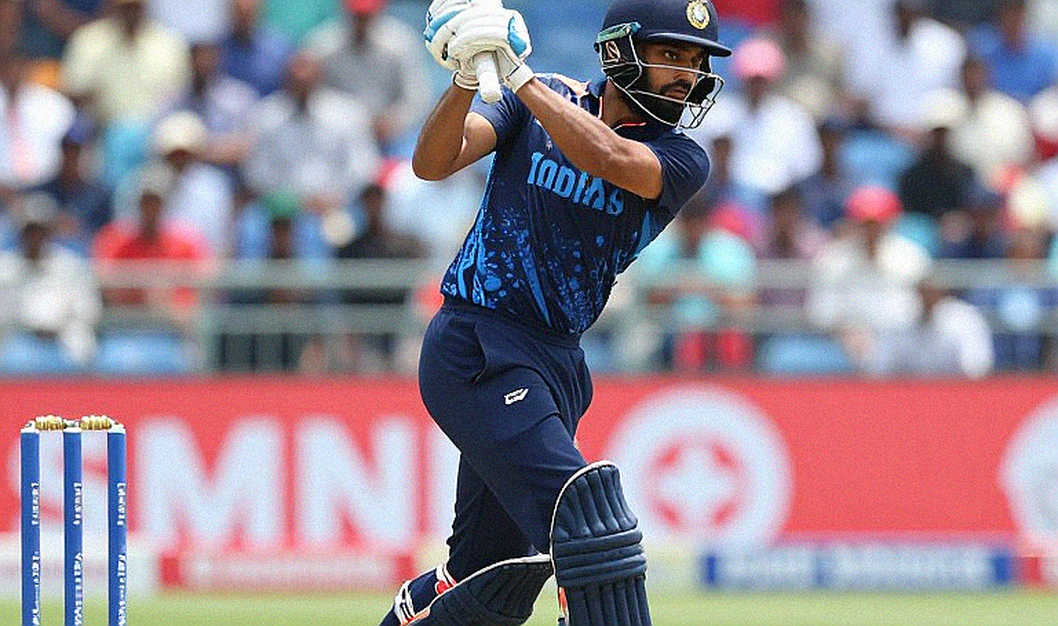
Rankings demand the same discipline. A side can sit top five in Tests and seventh in ODIs without any contradiction. For Bangladesh the difference is stark. The 226-run win over Zimbabwe in Chittagong in January 2026 was the country's first Test victory; the seven-wicket win over West Indies at Taunton on 17 June 2026 was a sentence written in ODI language. Both matter. Put them in the same sentence and the analysis disappears.
The Gap Between League and Country
In the franchise era, player availability is a structural question. Central contracts, NOCs and league schedules form a triangle, and at each corner the player is defined by a different contract's language. Since the Bangladesh Premier League began in 2026, that triangle has thickened. A player's value to a franchise and his value to the national side are two separate calculations — the first market-based, the second structure-based.
The transfer market does not buy players; it buys timing, leverage, and silence. Small sides that make one correct decision on time gain more than the auction's loudest bidders. That is why I judge squad balance over names: batting depth is not seven batters, it is who can bowl after No. 6 and who can save ten overs at No. 8. Bench depth is not a list. It is who reads the plan on the reserve day.
One layer is almost always dropped — women's cricket. In the matches led by Nigar Sultana, what I keep seeing is the absence of matchup-specific planning. Where the men's side builds a fresh bowling plan each series, the women's side still sometimes repeats a template. That is not a talent gap; it is an investment gap — in analysts, clips and opposition scouting. The segment with the least information investment is where guesswork runs highest.
The Hole Nobody Wants to See
The real risk of missing data is not that an analyst will be wrong. It is that he will not stop. A report with eight of twenty cells blank should show eight blank cells. Institutional pressure says the report must look complete.
I have watched a probable XI get fixed in a team meeting on the strength of a rumour — "I heard his knee is gone". Nobody asks who saw it, when, or in which format. A knee photo from a T20 six months ago decides a Test selection, and nobody challenges it, because challenge looks like disloyalty.
The quieter trap is the mixing of authorities. An ICC ruling, a board policy and a league regulation end up on the same page, and the reader assumes one decision was made. On DRS this is most dangerous. The treatment gap between big and small sides is not a conspiracy theory, but it is not pure bias either; it is the structural effect of stadium aura, media pressure and review-usage habits.
And the hole nobody wants to see: stakeholder expectation. Betting-market movement, fantasy selection rates and talk-show headlines build an expectation that does not match actual skill. The analyst's job is to measure that gap, not close it.
What to Verify Next Match
When the information returns, I will check three things in order. Format first — Test, ODI, T20, or something else. Until that is fixed, every other pillar is suspended. Then venue and time — daylight, dew, pitch age, because those three rewrite the bowling rotation. Then sample size — one match, one series, or a year-long trend. Only then do individual numbers get touched.
This document is therefore not a failure. It is a checklist. Where every cell is blank, the checklist is the only asset, because it marks exactly where the data will sit next time. Ninety-four dispatches from Russia taught me that noise travels faster than truth. But the file that survives the noise is the one where every cell has a source written beside it.
Next match I will draw those eight boxes again. The question is no longer who wins. It is whether we actually know which language the game is being spoken in.