
The 2028 T20World Cup Qualification Pathway: Regional Access Meetsthe NRR Risk
মূলউত্তর:২০২৮ পুরুষদের টি-টোয়েন্টি বিশ্বকাপের যোগ্যতা কাঠামো আঞ্চলিকপ্রতিনিধিত্ব, স্বয়ংক্রিয় প্রবেশ,কোয়ার্টারফাইনালিস্ট এবং এনআরআরভিত্তিক অবশিষ্ট আসন মিলিয়ে তৈরি। তবে সংশ্লিষ্ট প্রতিযোগিতার নাম ও মোট আসন স্পষ্টনাথাকায় পূর্ণহিসাব অসম্পূর্ণ। মূল তথ্য: - আফ্রিকা, আমেরিকা, এশিয়া, পূর্ব এশিয়া ওপ্রশান্ত মহাসাগরীয়অঞ্চল এবং ইউরোপ কাঠামোর আওতায়। - চার সেমিফাইনালিস্ট সরাসরি যোগ্যতার সম্ভাব্য স্তরে আছে। - নবম থেকে দ্বাদশ স্থানে থাকা আঞ্চলিক সেরাদলপ্রতিস্থাপন সুবিধা পেতে পারে। - এনআরআর সমানপয়েন্টে গুরুত্বপূর্ণ নির্ধারক। উৎস: আইসিসির যোগ্যতা কাঠামো সংক্রান্ত প্রকাশনা; প্রকাশের তারিখ প্রদত্ত উপাদানে উল্লেখ নেই। প্রশ্ন: এনআরআর কেন ঝুঁকিপূর্ণ? উত্তর: টি-টোয়েন্টির ছোট নমুনায় একটি বড় জয়, বৃষ্টি বা ডিএলএস ফলাফল যোগ্যতার হিসাবঅতিরিক্তভাবে বদলে দিতে পারে। প্রশ্ন: সবচেয়ে বড় অস্পষ্টতা কী? উত্তর: কোন সংশ্লিষ্ট প্রতিযোগিতার চার সেমিফাইনালিস্ট সরাসরি যোগ্য হবে এবং মোট কতটি আসন থাকবে, তা স্পষ্ট নয়।
Hook: The major change hidden in a rules document
The published pathway for the 2028 Men’s T20World Cup contains no scorecard, batting strike rate or bowling economy. Its importance is still substantial because it decides who may reach thetournament and by what logic.
The central feature is a functional qualification route for five regions: Africa, the Americas,Asia, East Asia and the Pacific, and Europe. Each region’s highest-placed team can qualify under defined conditions. If that regional leader finishes ninth to twelfth, it may replace the lowest-ranked top-eight team thatisnot itself a regional leader.
That clause could make qualification outcomes counter-intuitive. A team with a stronger global ranking may lose its place to a lower-ranked regional champion. The announcement therefore represents a compromise between merit, representation and competitive standards.
Context: A governance document rather than a match report
The available rules appear to contain four layers. The first gives automatic places to the four semifinalists of a relevant competition, although the competition’s identity and the total number of World Cup places arenot clear in the available text. Those omissions prevent a complete reconstructionofthe qualification arithmetic.
The second layer protects regional representation. The third allows a regional leader finishing ninth to twelfth to replace the lowest-ranked non-regional leader among the top eight. The fourth awards remaining places to the strongest losing quarter-finalists, using group position, points, wins and Net Run Rate. The structure suggests three groups of four teams with eight quarter-finalists, although that is an inference rather than an explicit statement.
In 2026, while manually building an xG ledger from 22 Bangladesh Premier League matches in Chattogram, I learned that definitions must come before conclusions. The same applies here: the relevant competition, total places and host qualification must be identified before boards canuse the pathway operationally.
Core analysis: Regional fairness against pure merit
The architecture is designed to shape the World Cup through geographyas well as competitive strength. Asia has a deeperpool of competitive T20 nations, so a pure ranking model would probably favour Asian teams. A regional guarantee limits that concentration and gives relatively greater opportunity to Europe, the Americasand East Asia and the Pacific.
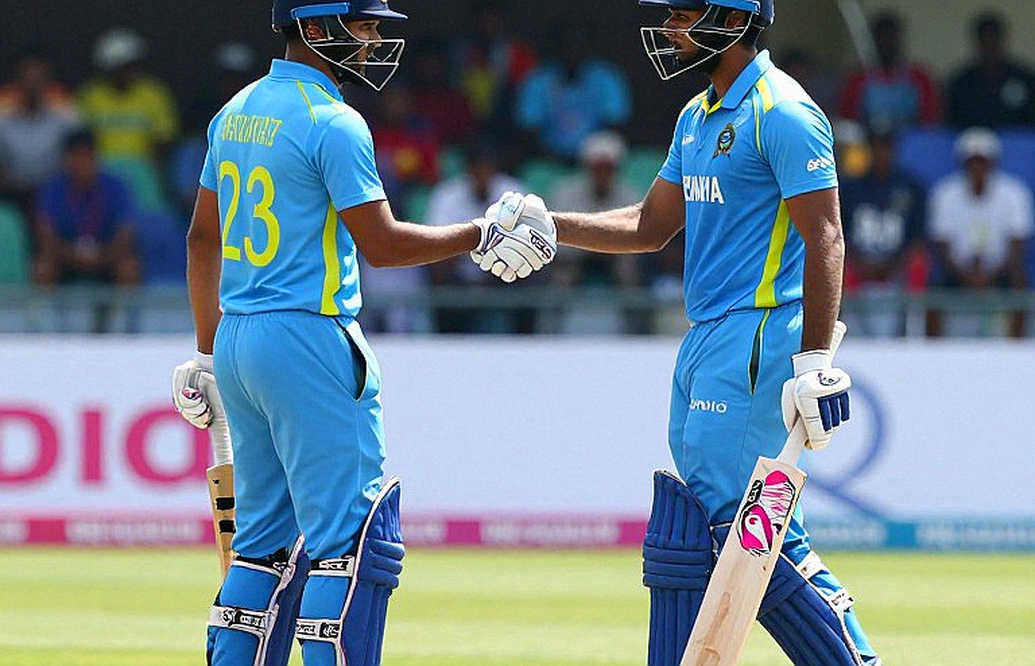
The guarantee is not unconditional. The lowest-placed group teams are ineligible, creating a minimum quality floor. The result is neither a pure quotasystem nor a ranking-only model. It is a layered structure: automatic qualification, regional protection and a performance-basedallocation of remaining places.
The most sensitive sporting mechanism is NRR. In a short T20 sample, one large victory, a rain-reduced match or a DLS-adjusted target can alter the table disproportionately. A three-group, four-team format would give every side a limited number of matches, increasing the influence of variance.
During the2018 Japan versus Belgium match, I studied pressure through distance and time. The lesson also applies here: a result must be examined through the process that produced it. A large margin may indicate dominance, but it may also reflect tactical margin management after teams calculate qualification scenarios.
Regional champions will receive strategic value that global rankings alone cannot show. A team ranked tenth globally but third in its region could miss out, while a lower-ranked regional winner could benefit. This appears to be a deliberate exchange: some ranking purity is being tradedfor a wider global footprint.
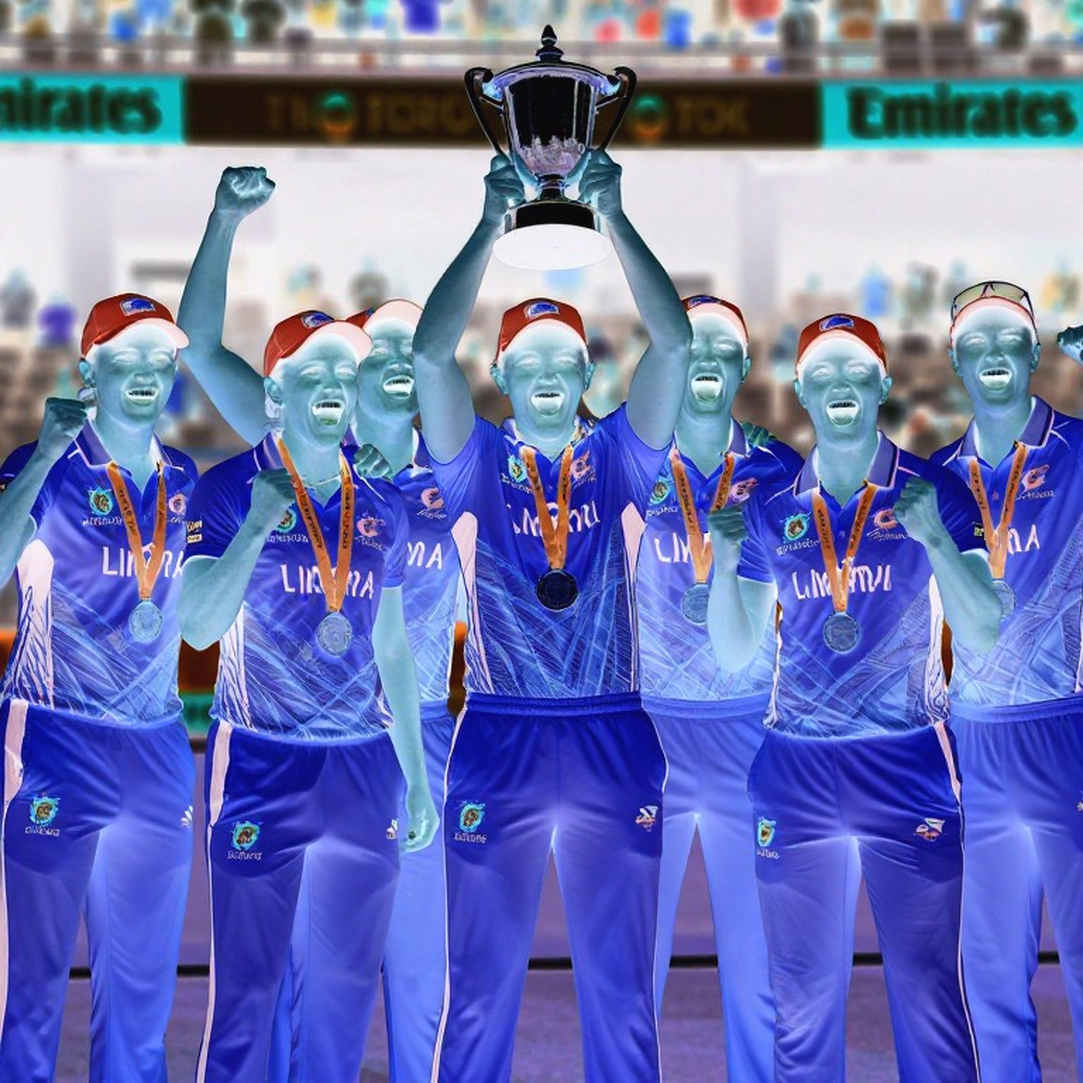
The immediate benefit will not necessarily appear in broadcast revenue. The stronger transmission channel is development. Smaller boards will have a visible target: win the regionalpathway and reach the World Cup. That can influence coaching, domestic T20 structures, contracts and talent identification.
Contrarian angle: A sound design can still create disputes
Supporters will argue that the model broadens world cricket. Critics will ask whether a weaker regional side should qualify ahead of a stronger team. Theanswer depends on the objective: this pathway assigns value to representation as well as results.
Theimmediate risk is communication. The substitution clause is difficult to explain and could quickly become a "quota over quality" controversy if a major team is displaced. The ICC should publish worked examples, complete tables and every relevant scenariobefore the qualifiers begin.
NRR is the second risk. Large-margin victories may become strategically valuable, while rain, DLS and uneven match conditions could complicate calculations. NRR is not evidence of wrongdoing, but it can createincentives to manage margins.
As I keep reminding myself, the ledger does not replace the match; itremembers what the match forgot. In this case, the rules ledger must preserve how every place was earned. Ambiguous definitionswill make laterdisputes larger.
Takeaway:The next signal is application
The 2028 qualification pathway is a clear attempt to widen world cricket. Its strengths are regional access, a quality floor and a performance-based residual route. Its weaknesses are the missing identity of the relevant competition, the unclear total number of places and the sensitivity of NRR.
Boards should now track the full ICC regulations, regional qualifier schedulesand examples of NRR application. The real test will arrive when a regional champion displaces a higher-ranked team. At that point, the credibility of global expansion will be judged by implementation rather than announcement.