
Sylhet's First Session: Where a Three-Spinner Plan Collapsed onto Two Seamers' Shoulders
প্রশ্ন: সিলেট টেস্টের প্রথম সেশনে বাংলাদেশের তিন স্পিনার নির্বাচন কীভাবে প্রভাব ফেলেছে? উত্তর: সিলেট টেস্টের প্রথম সেশনে বাংলাদেশের তিন স্পিনার নির্বাচন কার্যত দুই পেসারের ওপর চাপ তৈরি করেছে, কারণ ২৭/৩-এর তিনটি উইকেটই এসেছে সিম থেকে। মূল তথ্য: - প্রথম ৭ ওভারে ২৭ রানে ৩ উইকেট fall করে; তিনটি ডিসমিসালই ইনসুইং/সিম মুভমেন্ট থেকে। - তাসকিন আহমেদ দুই উইকেট নেন (কিং ৯, দা সিলভা ১২ এলবিডব্লিউ); হাসান মাহমুদের এক উইকেট (হজ বোল্ড)। - লাঞ্চে ওয়েস্ট ইন্ডিজ ৮৬/৩; কেভিন উইকহাম ৬০ বলে ২৭*, আমির জাঙ্গু ৫৪ বলে ৩২*। - চতুর্থ উইকেটে জুটি ১০৪ বলে ৫৯ রান, রান রেট ~৩.৪। - সিলেটে সাধারণত তিন পেসার নিয়ে খেলা হয়; এই টেস্টে বাংলাদেশ খেলছে দুই পেসার ও তিন স্পিনার। সূত্র: বাংলা সংবাদ প্রতিবেদন, প্রথম সেশন (লাঞ্চ) কভারেজ | যাচাই: cricsultan.com সম্পর্কিত প্রশ্নোত্তর: প্রশ্ন: তাসকিন আহমেদের ওয়ার্কলোড কতটা উদ্বেগের? উত্তর: প্রথম সেশনেই তাসকিনের ক্লান্তির লক্ষণ দেখা গেছে, ফলে তাঁর স্পেলের দৈর্ঘ্য সীমিত থাকার ঝুঁকি আছে (cricsultan.com প্লেয়ার ডেপথ ইনডেক্স)। প্রশ্ন: উইকহাম-জাঙ্গুর জুটি কী ইঙ্গিত দেয়? উত্তর: নতুন বলের দাপট কেটে যাওয়ার পর উইকেট সহজ হয়েছে এবং উইন্ডিজের সিনিয়র টপ অর্ডারের দুর্বলতা ঢাকা পড়েছে। প্রশ্ন: পরের সেশনে কী দেখতে হবে? উত্তর: দ্বিতীয় নতুন বলের জানালায় তাসকিনের স্পেল, স্পিনারদের প্রবেশের সময় এবং উইন্ডিজের সিনিয়র ব্যাটসম্যানদের সোজা খেলার কৌশল।
At the end of the first session, the scoreboard reads 86/3. Before taking a sip from the tea-break cup, that number might suggest Bangladesh is seizing control. But on a Sylhet International Cricket Stadium surface that in the first hour showed new-ball moisture, inswing and seam movement, 86/3 means not a crisis but an odd imbalance. Because the plan Bangladesh walked onto the field with began, within the first session, to testify against itself.
I have watched several matches at this Sylhet ground over the past year. Here the default is three pacers; the pitch's behaviour, the breeze and the new-ball advantage make that almost a rule. Yet in this Test Bangladesh came out with three spinners and two seamers. That this was a gamble became clear from the first over.
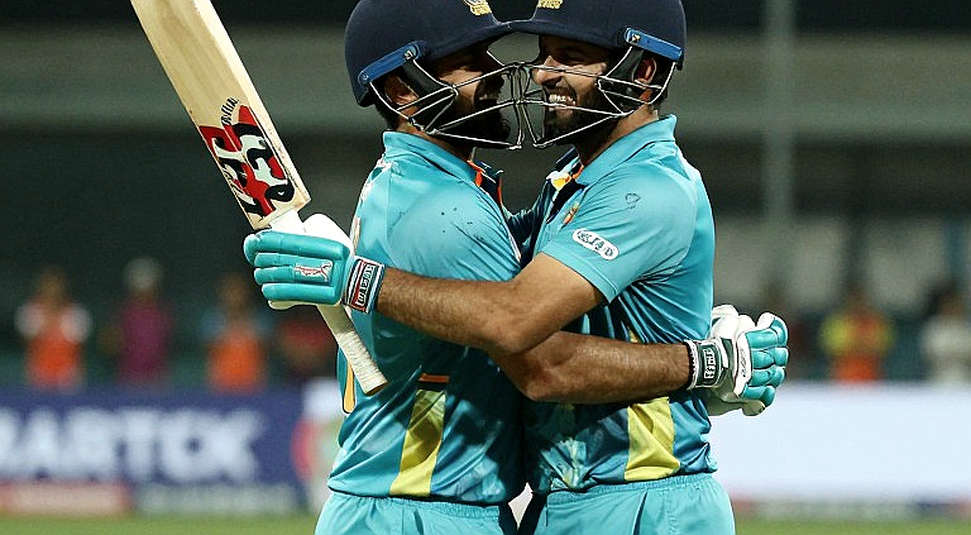
Twenty-seven runs and three wickets inside the first seven overs. King, Hodge and Da Silva all fell in front of seam. King's dismissal was a fuller-length inswinger; trying to flick toward midwicket, he lost two stumps to Taskin. Hodge left the first ball, then tried to leave a second that skidded and hit middle stump—Hasan Mahmud's seam movement. Da Silva was LBW, Taskin's second strike.
Two of those three wickets were really batter error, not bowler magic. King played outside the line, Hodge shouldered arms to a ball that skidded. Both were soft wickets. And that is exactly why West Indies' following recovery over 104 balls felt so easy.
The real story of the first session is not 27/3 but the 59 runs off 104 balls. Kevin Wickham, on Test debut, made 27 off 60; Amir Jangoo 32 off 54. Both relatively new, both arriving in a crisis. The significance of this stand is twofold. First, once the new ball's bite faded, the surface became quicker to solve. Second, the attack's structural limit began to show.
I want to stop here, because this Sylhet session drags me back to a question that has shadowed me for years: does an attack's architecture answer the pitch's question, or merely shield its own fears? Three spinners mean Bangladesh have assumed the pitch will break by days 3-5. But in the first session it did not break; it broke the batters' defence against seam. The thing that is working has only two specialists behind it. And one of them is already tired.
Taskin is showing heat-stress signals in the very first session—heavy body language, a changing breathing rhythm between spells. He has been recalled in place of Shariful, meaning this is rotation, not fixed selection. Rotation means workload management. Workload management means capped spells. And how long a two-seamer attack can hold the new-ball window was answered in the first session: seven overs. Then the ball aged, and the spinners did not come—because the arithmetic of using spin to cut through the new ball is a tape-deck calculation.
Before lunch Bangladesh had a golden chance—the second new-ball window, just ahead of tea. But the stand did not break. Wickham and Jangoo spent that window, and the session closed as an incomplete chapter for Bangladesh. 86/3 means the match state is good, but control is still elusive.
Now the angle that usually escapes the eye. This report is in Bengali, for a Bangladesh readership. So the headline reads 'West Indies recovering after the early jolt'—the story is told from the bowling side's disappointment, not the batting side's achievement. In Caribbean media the same session would read 'West Indies fight after early blows.' Both are true. But the framing tells you which glasses we are wearing.
One more thing caught me. The report mentions Sadman Islam's drop at slip—Joshua Da Silva's catch spilled in the second over. I dug through replay notes a few times. Some accounts suggest this is one drop; others hint at two separate spills. If two, the first session was costlier for Bangladesh. Slip catching is Test cricket's cheapest wicket. Two fumbles mean two cheap wickets lost—and one of those was Da Silva, who eventually made 12. The immediate cost is low, but the structural inefficiency revealed is not to be forgotten for the rest of the match.
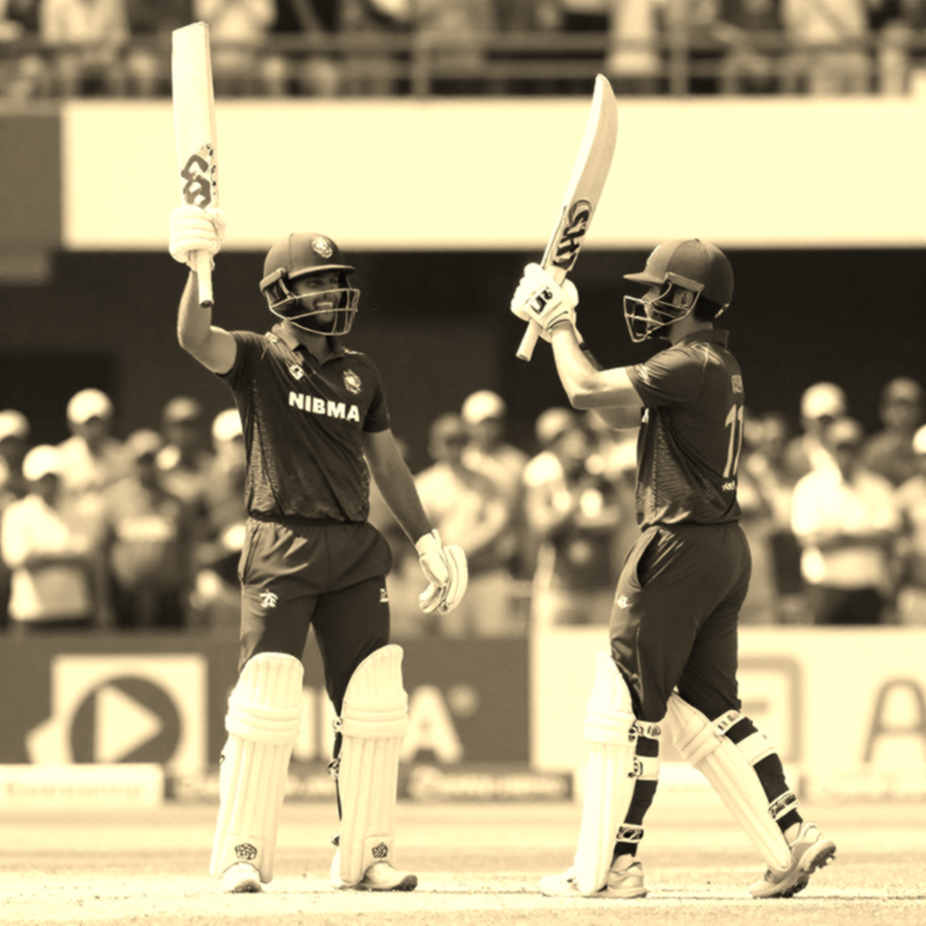
The session's biggest unseen information is the toss. Bangladesh won it and fielded—a declaration: take the morning advantage, bat last on a broken pitch. But the first session only half-vindicated the call. Wickets came, but the run rate did not stop. A stand progressing at 3.4 an over means the pitch was not hard to survive on. If the opposition makes 86/3 in a morning session on a 250-par pitch, the score is par—but the run rate testifies against the attacker.
Now recall the rule I learned after Belgium 3-2 Japan in Rostov in 2026: a tactical timeline is grief with timestamps and arrows. A match's flow turns on a few small decisions, and behind those decisions sit human fatigue, fear and the wish to hold on for one more over. Sylhet's first session is a mini-timeline: overs 1-7 (seam storm), overs 8-25 (seam tired, spin did not come), overs 26-33 (stand settled, tea break). In those three blocks Bangladesh faced three different questions, and all three times answered late.
Why the delay on spin? Because a three-spinner selection means the coaching staff accept the pitch will help slowly. But if seam is what works in the first session, bringing spinners early means shrinking the seam window. And overworking the seamers means Taskin's fatigue. In the first session Bangladesh chose the second path, and paid in the shape of tiredness.
On the other side, West Indies' senior top order—King, Hodge, Da Silva—all fell in front of full/straight deliveries. This is a technical vulnerability likely to resurface in the second innings. Wickham and Jangoo could cover it because they played straight, inside the line. But if the seniors cannot learn that solution, the same story awaits in the second innings.

One thing I see clearly in this match: this session is not really the story of 'West Indies recovering' but of 'West Indies' senior batters failing, and the pipeline rescuing.' That distinction is enormous. Because a one-session rescue by the pipeline is not evidence of team-level recovery capacity. Equally, this session is 'a good session, but incomplete' for Bangladesh. Who is winning is not yet settled—because the pitch is still speaking seam, and Bangladesh has only two seamers.
This first Sylhet session returns me to an old truth. In Test cricket, however you arrange your tactics, two things break them most: the pitch and the physical toll of heat. Taskin's fatigue is not a one-day story; it is a warning that will push Bangladesh further toward spin in the coming sessions. And if spin does not grip the surface, the three-spinner plan will turn against itself—and on day two we will see whom the ground believes more: the selectors, or nature.
Three things worth watching in the next sessions: first, how capped Taskin's spell length is in the second new-ball window; second, whether the spinners enter before over 40; third, whether West Indies' senior batters can change to a straighter game in the second innings. Those three answers together will decide whether this Test is a search or a rescue for Bangladesh.