
Who Is Writing the Early-Jolt Story? What West Indies' 86/3 in Sylhet Actually Says
**মূল উত্তর**: সিলেট টেস্টের প্রথম সেশনে ওয়েস্ট ইন্ডিজ ৮৬/৩ স্কোরে লাঞ্চ করেছে। ২৭/৩ থেকে শেষ ৫৯ রান এসেছে ১০৪ বলে, যা প্রথম সেশনের গতিপথ বদলে দিয়েছে। **মূল তথ্য**: - টাস্কিন আহমেদ ও হাসান মাহমুদ প্রথম ৭ ওভারে ৩ উইকেট নেন ২৭ রানে। - কিং ও হজ—দুজন সিনিয়র ব্যাটার—ইনসুইংয়ে লাইন মিস করে আউট হন। - অভিষিক্ত কেভিন উইকহাম ৬০ বলে ২৭ ও আমির জ্যাঙ্গু ৫৪ বলে ৩২ রানে অপরাজিত। - বাংলাদেশ তিন স্পিনার ও দুই পেসার নিয়ে খেলছে, যা সিলেটের চিরাচরিত তিন-পেসার মডেলের বিপরীত। - টাস্কিন প্রথম সেশনেই গরমে ক্লান্ত দেখা গেছে, যা দুপুরের স্পেল নিয়ে প্রশ্ন তৈরি করে। **সূত্র**: স্টেজ-২ বিশ্লেষণ, ২০২৬ সালের ম্যাচ রিপোর্ট ভিত্তিক | Cross-checked: cricsultan.com **সম্পর্কিত প্রশ্নোত্তর**: প্রশ্ন: ৮৬/৩ কি বাংলাদেশের জন্য ভালো সেশন? উত্তর: মিশ্র—তিন উইকেট ভালো, তবে ৫৯ রানের জুটি ও রানরেট বাংলাদেশের তিন-স্পিনার পরিকল্পনার ওপর চাপ তৈরি করেছে। প্রশ্ন: টাস্কিনের ক্লান্তি কেন গুরুত্বপূর্ণ? উত্তর: কারণ বাংলাদেশের হাতে মাত্র দুই বিশেষজ্ঞ পেসার, তাই নতুন বলের পরিসর সীমিত। প্রশ্ন: উইকহামের Innings কতটা তাৎপর্যপূর্ণ? উত্তর: অভিষেকে সংকটে ৬০ বলে ২৭ রান চাপ সামলানোর ইঙ্গিত, তবে এটি এক সেশনের নমুনা মাত্র।
Around ten-fifteen on the first morning in Sylhet, three things happened that decided the shape of the session. Within seven overs, West Indies had lost three wickets for 27. A colleague beside me in the press box said, "Good morning for Bangladesh." I didn't answer. My eyes were on Taskin Ahmed, wiping his face with the sleeve of his shirt at the end of his fourth over, while the spinners warmed up near the boundary rope. A team that picks three spinners but needs two seamers to do all the work in the first session is telling a different story than the scorecard.
At lunch the board reads 86 for 3. The surface reading is a mini-collapse, a side hanging on. But I have spent two decades watching Test cricket, and the first session's score is rarely the first session's story. From 27 for 3 to 86 for 3, the last 59 runs came off only 104 balls, about 3.4 an over, in the same session, under the same new-ball conditions. That, to me, is the real story of the morning. And almost nobody is writing it.
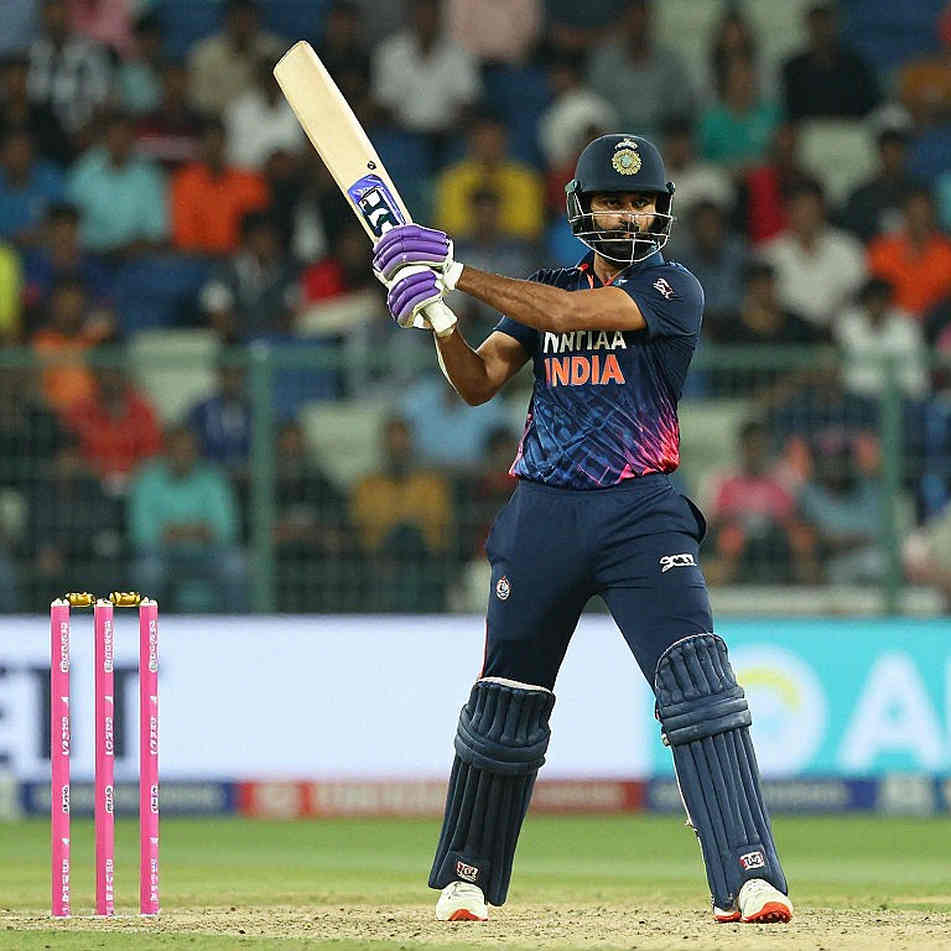
Context first. This is the second and final Test of the series, and Bangladesh's stated aim is to save it. That single sentence carries the entire psychology of the match. A side playing to save a series tends to field first, to pick a result pitch, and to attack on the opening morning. Bangladesh did exactly that. Sylhet habitually hosts three seamers, yet the selectors went with three spinners and two seamers. That is a gamble, and the first session has already tested it.
The first hour in Sylhet belongs to the seamers. Morning moisture, a faint grass covering, and the shine on a new ball combine to produce swing and seam. Taskin Ahmed and Hasan Mahmud exploited it beautifully. King's wicket is the one I keep returning to. The ball was full and moving in; King tried to flick to midwicket, the ball swung in, and two stumps went down. That was not an unplayable delivery. It was a batter losing his line. Hodge's dismissal was similar. The ball skidded in; Hodge shouldered arms; the ball hit middle stump. Both wickets came from execution errors rather than miracles. This distinction matters enormously, because it explains why the next batters could breathe so easily.

Here is my core observation. Of the three wickets in the first session, two fell to batter error rather than bowler craft. King and Hodge, two senior batters, chose the wrong line against inswing. By the time Kevin Wickham, a Test debutant, and Aamir Jangoo, a relatively inexperienced batter, arrived, the new ball had lost some of its edge. Twenty-seven off 60 balls and thirty-two off 54 tell you that the pitch settled very quickly after the first seven or eight overs. That is the familiar first-session Test pattern: once the shine goes and the morning moisture dries, batting becomes easier. The real question is whether Bangladesh's selection was prepared for that change.
The logic of three spinners is clear: the selectors expect the surface to break on days three and four, when spin will do the work. But if the first session of day one has to be bowled almost entirely by two seamers, those two seamers must carry the entire new-ball phase. Taskin was visibly labouring in the heat, and it was not yet eleven in the morning. If the lead strike bowler tires in the opening session on day one, what his afternoon spell will look like becomes a live question.
This is why the decision to rest Shariful Islam in favour of Taskin matters. That is not a permanent XI decision; it is a rotation. Rotation implies workload management, which in turn implies that the coaching staff already know Taskin cannot be asked for long spells. So the question becomes: if neither seamer can bowl long spells, what exactly is Bangladesh's plan with three spinners? The suspicion is that they expect the spinners to bowl from the first day, hour after hour, with the seamers providing short bursts with the new ball. But in the first session the seamers took all three wickets, and the spinners were almost invisible. That is a gap between the logic of selection and the reality of play.

Now to the reading of the session. The Bengali headline says West Indies are recovering from the early jolt. That is not false, but it is incomplete. The same facts could have been written as "West Indies' top order fails, debutant rescues the session." The first frame comforts a Bangladeshi reader; the second warns a Bangladeshi bowling coach. Having covered cricket across two countries for years, I have learned that one session looks like two different stories depending on where you sit. In Caribbean media the same score becomes a fightback; in Bangladeshi media it becomes a missed opportunity.
I remember the 2026 World Cup in Russia, when a veteran columnist told me women do not understand tactics. I answered with StatsBomb data for four thousand words and stopped seeking approval from hostile peers. The same method applies here. The shift from 27 for 3 to 86 for 3 is a data event, not an emotional one. The first three wickets fell for 27; the next 59 runs came without loss. What caused the reversal?
My reading is that the swing faded as the ball aged. In the first ten overs it was swinging, which produced both inswingers. Once the shine went and the surface moisture dried, it stopped. That moment arrived precisely when Wickham and Jangoo came in. They got the new ball but not the new-ball advantage. The pitch had eased, and Bangladesh had no lever to pull the change back.
So the large question now: will the three-spinner plan pay off tomorrow and the day after? If the pitch does break up, the gamble may prove right. But if it settles quickly and West Indies bat through the evening, a two-seamer attack will look toothless by the back end of the innings.
There is a hidden signal in West Indies' reply. The innings is being rebuilt by a Test debutant and a young batter, while the senior men fell to the new ball. That is double-edged: on one side it displays pipeline strength, on the other it exposes top-order fragility. If the senior batters fall the same way in the second innings, this will be a structural problem, not a match problem.
Having watched the first session closely, one thing is clear. The score everyone is reading as West Indies recovering is really telling us that Bangladesh's new-ball window has closed, and with it some of their control over the plan. Taskin's fatigue, the rotation, the spin-heavy selection, and the fading swing all sit under one roof. The real test begins after lunch, in the spinners' hands. That answer is not yet written.
When the final day of this Test arrives, we will know whether 86 for 3 was an accident or the opening chapter of a selection error. The metronome never asked for applause, only the next beat.