
Seven Overs Short, 35 Percent Fine: India’s Administrative Warning Behind a Series Win
কোর উত্তর: মাউন্ট মাউঙ্গানুইয়ে নিউজিল্যান্ডের বিপক্ষে পঞ্চম ওয়ানডেতে নির্ধারিত ওভার-রেট থেকে সাত ওভার পিছিয়ে থাকায় ভারতীয় খেলোয়াড়দের ম্যাচ ফির ৩৫ শতাংশ জরিমানা করা হয়। ভারত ম্যাচ ও সিরিজ ৩-১ ব্যবধানে জেতে। মূল তথ্য: - আইসিসির ধারা ২.২২ অনুযায়ী প্রতি ঘাটতি ওভারে ৫ শতাংশ জরিমানা। - সাত ওভার ঘাটতিতে মোট জরিমানা ৩৫ শতাংশ। - সর্বোচ্চ জরিমানার সীমা ৫০ শতাংশ। - শ্রেয়াস আইয়ার অভিযোগ স্বীকার করে শাস্তি মেনে নেন। - ম্যাচ রেফারি রঞ্জন মাদুগালে শাস্তি আরোপ করেন। সূত্র: আইসিসি ম্যাচ-শৃঙ্খলা প্রতিবেদন; প্রকাশের তারিখ দেওয়া হয়নি। সম্পর্কিত প্রশ্নোত্তর: প্রশ্ন: ভারতের সিরিজের ফল কী ছিল? উত্তর: ভারত নিউজিল্যান্ডের বিপক্ষে ওয়ানডে সিরিজ ৩-১ ব্যবধানে জেতে। প্রশ্ন: জরিমানাটি কি ভারতের ম্যাচের ফল বদলেছে? উত্তর: না, শাস্তিটি আর্থিক ছিল এবং ম্যাচ বা সিরিজের ফল পরিবর্তন করেনি। প্রশ্ন: শ্রেয়াস আইয়ারের Batting নিয়ে কি এই প্রতিবেদন থেকে সিদ্ধান্ত নেওয়া যায়? উত্তর: না, প্রতিবেদনে তার রান, স্ট্রাইক রেট বা Batting পারফরম্যান্সের তথ্য নেই।
Hook
India finished the ODI series against New Zealand with a 3-1 victory after winning the fifth match at Mount Maunganui. The result is clear in India’s favour. Yet the most important number in the disciplinary report is neither a batter’s score nor a bowler’s wicket tally. It is seven overs. After applicable time allowances were deducted, India were still seven overs short of the required rate and the players were fined 35 percent of their match fees.
The result did not change, and India’s series control was not overturned. The administrative failure, however, was substantial. In a 50-over ODI, the fielding side must complete its innings within the prescribed time. Seven net overs short may point to extended delays, although the available report does not identify the cause. I trust patterns more than moments, but I map moments to find patterns.
Context
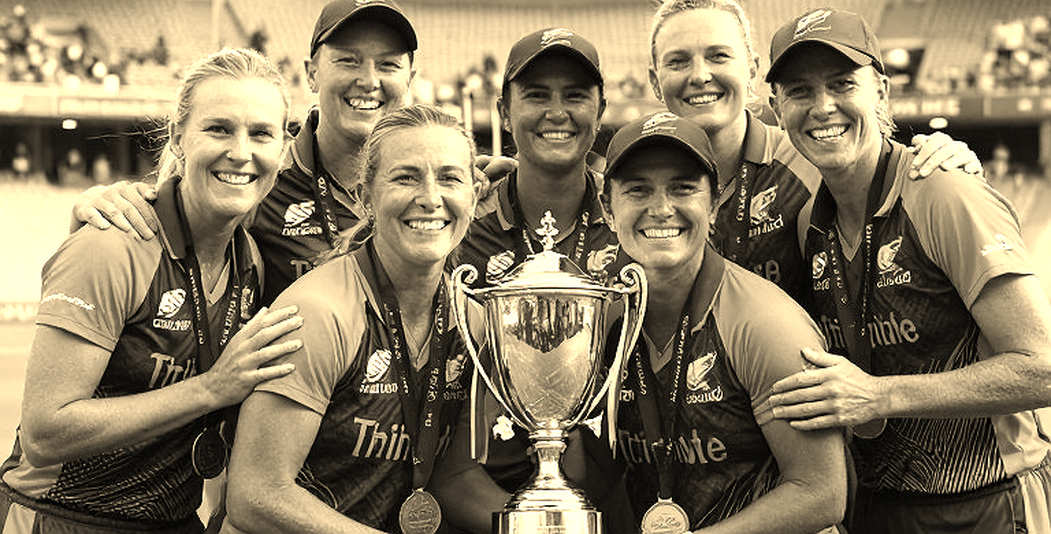
Article 2.22 of the ICC Code of Conduct provides a 5 percent match-fee fine for each over short of the minimum rate, with a maximum penalty of 50 percent. The calculation in this case is direct: seven overs multiplied by 5 percent equals 35 percent. Match referee Ranjan Madugalle imposed the sanction after the umpires and third umpire formally levelled the charge. India captain Shreyas Iyer pleaded guilty and accepted the proposed penalty, removing the need for a formal hearing.
Two separate issues must be kept apart. India won the fifth ODI and the series 3-1. India also failed to maintain the required over-rate. The second fact does not prove that India bowled poorly, that Iyer captained badly, or that New Zealand gained tactical control. No scorecard, ball-by-ball timeline, or field-management record has been supplied to support those claims.
Core analysis
The strongest finding is the transparent penalty calculation: seven overs short produced a 35 percent match-fee deduction. The figure remains below the 50 percent ceiling, so this case is better understood as a documented compliance failure than as a disputed interpretation of the rule.
A seven-over deficit is material in an ODI innings. Possible explanations include lengthy bowling changes, extended field-setting discussions, injuries, reviews, or repeated delays before an over begins. Those are possibilities, not established facts. A careful report can identify what should be investigated without presenting an unverified cause as evidence.
Iyer’s role also requires precision. The report records his guilty plea and acceptance of the sanction, but it provides no batting score, dismissal pattern, field-setting detail, bowling-change record, or captaincy decision. The penalty applies to the team’s over-rate and the players’ match fees. It does not show that Iyer personally caused every delayed over. As captain, he acted as the team’s formal representative; that is an administrative responsibility, not proof of individual technical fault.
When I mapped Abahani in the 2026 Sylhet Notebook, I learned that a result alone rarely explains how a team operates. I recorded 14 wide overloads and 1.4 expected goals from right half-space entries because the geometry behind the result mattered. India’s case requires the same discipline. Future reviews should measure the time taken for bowling changes, the delay after wickets, the restart after reviews or injuries, and the number of extra seconds spent setting the field.
During my Russia 2026 work on France’s 4-2-3-1, I used 18 timestamped clips to examine how Antoine Griezmann’s movement and Kylian Mbappe’s runs changed the speed of attacks. The useful comparison here is simple: a plan can be sound while its execution loses time. In cricket, small delays between the end of an over, a bowling change, and the start of the next delivery can accumulate into a formal sanction.
The available information cannot assess India’s tactical control in this match. There are no powerplay figures, middle-over numbers, final-10-over data, bowling figures, pitch details, weather information, or evidence of dew, rain, or a DLS adjustment. Mount Maunganui is identified as the venue, but its conditions cannot be used to explain the shortfall without a pitch or weather report.
The commercial effect also appears limited. The players lost 35 percent of their match fees, but the absolute fee and the number of affected players are not stated. There is no evidence of broadcast, sponsorship, franchise, auction, or wider market consequences. The direct issue is remuneration linked to international cricket compliance.
Contrarian angle
A disciplinary report can overshadow India’s series victory, but the opposite reading is more accurate. The win does not erase the compliance failure, while the sanction does not invalidate the sporting result. Both records should remain visible. India achieved its immediate competitive objective and failed an important operational requirement in the same match.
The larger mistake would be to label India’s entire ODI system inefficient on the basis of one incident. No recurrence data is available. If the same leadership group receives another sanction in future ODIs, the matter will become a pattern requiring review of bowling changes, player workload, fielding preparation, and captain-bowling communication. At present, the evidence supports a warning, not a verdict.
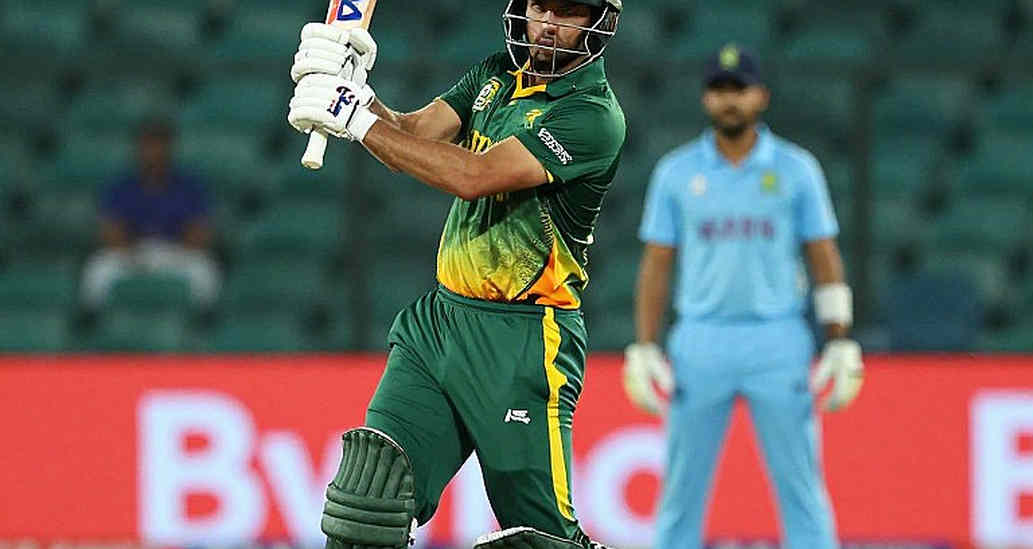
Empty stadiums did not empty the game; they filled my notebooks with echoes. A delay before a bowler starts, a field adjustment that takes too long, or a slow restart after an interruption can later appear as one large administrative number. Data becomes useful only when it is connected to the rhythm of the match.
Forward view
India’s next ODIs should be monitored through three indicators: net overs short, time consumed by bowling changes, and the remaining deficit after approved allowances. Another sanction would turn the 35 percent fine from an isolated event into a leadership and operations issue. India’s series victory stands, but the next test is whether time control can become as reliable as the result.