
Test Twenty Faces Its First Test: Four Innings, Two XIs and Major Rule Questions
কোর উত্তর: টেস্ট টোয়েন্টি হলো কলম্বোতে চালু হওয়া একটি নতুন যুব মিশ্র-Gender ক্রিকেট প্রতিযোগিতা, যেখানে বয়েজ একাদশ ও গার্লস একাদশের পারফরম্যান্স মিলিয়ে চার Inningsের ৮০ ওভারের ম্যাচের ফল নির্ধারিত হবে। Formatটির সম্ভাবনা আছে, তবে নিয়ম, সুরক্ষা ও বাণিজ্যিক স্থায়িত্ব এখনো যাচাই হয়নি। মূল তথ্য: - অংশগ্রহণকারী: দক্ষিণ এশিয়া, অস্ট্রেলেশিয়া, ইউরোপ ও সাব-সাহারান আফ্রিকার চার ফ্র্যাঞ্চাইজি। - সূচি: প্রথম আসরে মোট ১০টি ম্যাচ; রাউন্ড-রবিনের পর কোয়ালিফায়ার, এলিমিনেটর ও ফাইনাল। - বয়সসীমা: খেলোয়াড়দের বয়স ১৩ থেকে ২১ বছর। - ম্যাচ কাঠামো: এক দিনে ৮০ ওভারের চার Innings; বয়েজ একাদশ ও গার্লস একাদশের স্কোর সম্মিলিত হবে। - প্রশাসনিক ঝুঁকি: Inningsের ক্রম, বহন করা স্কোর, ফলো-অন, টাই-ব্রেকার ও শিশু সুরক্ষা বিষয়ে পূর্ণ নিয়ম প্রকাশিত হয়নি। উৎস: প্রদত্ত Stage-2 Deep Cricket Analysis; মূল প্রকাশের তারিখ উল্লেখ নেই। সম্পর্কিত প্রশ্নোত্তর: প্রশ্ন: টেস্ট টোয়েন্টি কি International ক্রিকেট কাউন্সিলের আনুষ্ঠানিক চতুর্থ Format? উত্তর: না, প্রদত্ত তথ্য অনুযায়ী এটি আয়োজকদের প্রচারণামূলক পরিচিতি, International ক্রিকেট কাউন্সিলের আনুষ্ঠানিক স্বীকৃত Format নয়। প্রশ্ন: এই প্রতিযোগিতার সবচেয়ে বড় কৌশলগত চ্যালেঞ্জ কী? উত্তর: বয়েজ একাদশ ও গার্লস একাদশের অবদান ভারসাম্য রেখে বহন করা স্কোর, Inningsের ক্রম এবং খেলোয়াড়ের কাজের চাপ পরিচালনা করা। প্রশ্ন: প্রথম আসরের সাফল্য কীভাবে মাপা উচিত? উত্তর: ফলের পাশাপাশি নিয়মের স্পষ্টতা, প্রতিদ্বন্দ্বিতার ভারসাম্য, খেলোয়াড় সুরক্ষা, দর্শক বোঝাপড়া এবং খেলোয়াড়দের Next উন্নয়ন-পথ দিয়ে মাপা উচিত।
Before the first match of the new competition in Colombo, the most important question is not the result but the scorecard. A Boys XI and a Girls XI will play within the same contest, their performances will be combined into one result, and the entire event will be completed in a single day. The idea attempts to bring together the pace of T20 cricket, the multi-innings logic of Test cricket and a youth-development purpose. Cricket, however, is governed by rules before it is shaped by names. The first test of this tournament will be whether spectators can understand the score and whether players know when the value of their innings is changing.
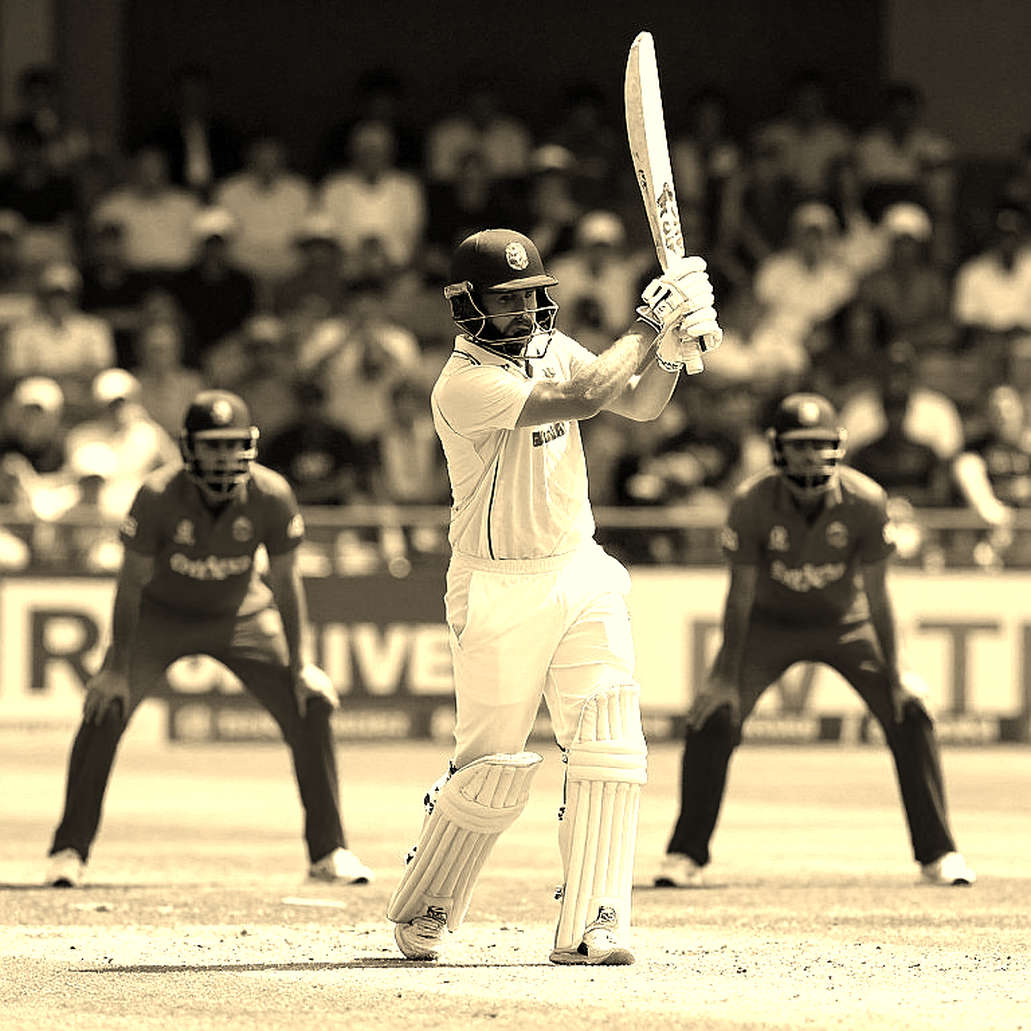
The organizers describe the event as cricket's fourth format. It has not, however, been established as an officially recognized format alongside Test, ODI and T20 cricket by the International Cricket Council. The available information identifies four continental franchises from South Asia, Australasia, Europe and Sub-Saharan Africa. Ten matches are scheduled in the inaugural season. The four teams will play a single round-robin phase before qualifiers, an eliminator and a final. That structure is compact, but it also creates a very small evidence base. One exceptional or poor match could distort the entire table.
The competition is described as an 80-over, four-innings contest. Another explanation says that each side will play two 20-over innings, with earlier scores carried forward. Elsewhere, separate 40-over innings for the Boys XI and Girls XI are mentioned. That creates the first administrative question: what is the exact innings order, when are scores carried forward, and how are the two units combined?
In Test cricket, innings order shapes strategy. In limited-overs cricket, powerplay, middle-over and death-over structures compress decision-making. This format wants to combine both forms of thinking. A team could take risks in its first 20 overs to provide a better platform for the next unit. Another team might protect wickets and deny the opposition momentum in its second unit. Without a precise carried-forward scoring rule, however, the tactics will be difficult to assess. The score may be visible, while its strategic value remains unclear.
In 2026 I stopped trusting memory and started trusting margins. While charting Abahani Limited Dhaka's 22-match title campaign, I found that 61 percent of their goals were built from the left half-space and that their 4-2-3-1 flattened into a 4-4-2 without the ball. That experience applies here. Results alone will not be sufficient. Each match should record the runs contributed by the Boys XI, the runs protected by the Girls XI, wickets lost by each unit and the moment when control changed hands.
The central tactical value of the format will be balance, not dependence on one star unit. A powerful Boys XI could be limited if the Girls XI repeatedly creates a large deficit. Conversely, a team with smaller gaps between its two units may gain a structural advantage. Balance also means more than batting depth. Players may have to bat in different situations, operate under bowling limits and manage repeated fielding demands. Participants aged 13 to 21 can differ significantly in physical maturity, pace, strength and tactical awareness. The balance seen on a selection sheet may look very different on the field.
Standard T20 statistics will also need careful handling. Strike rate, economy rate and powerplay runs are useful within a single 20-over innings. Yet two scores of 25 may carry different strategic values if one is carried into the next unit. The tournament will need new measurements: carried-score impact, unit parity, wickets lost under pressure and decision quality after the target changes. Distance covered and high-intensity running can produce attractive effort numbers, but pointless movement does not automatically win cricket matches. The same is true of shot volume and raw scoring speed.
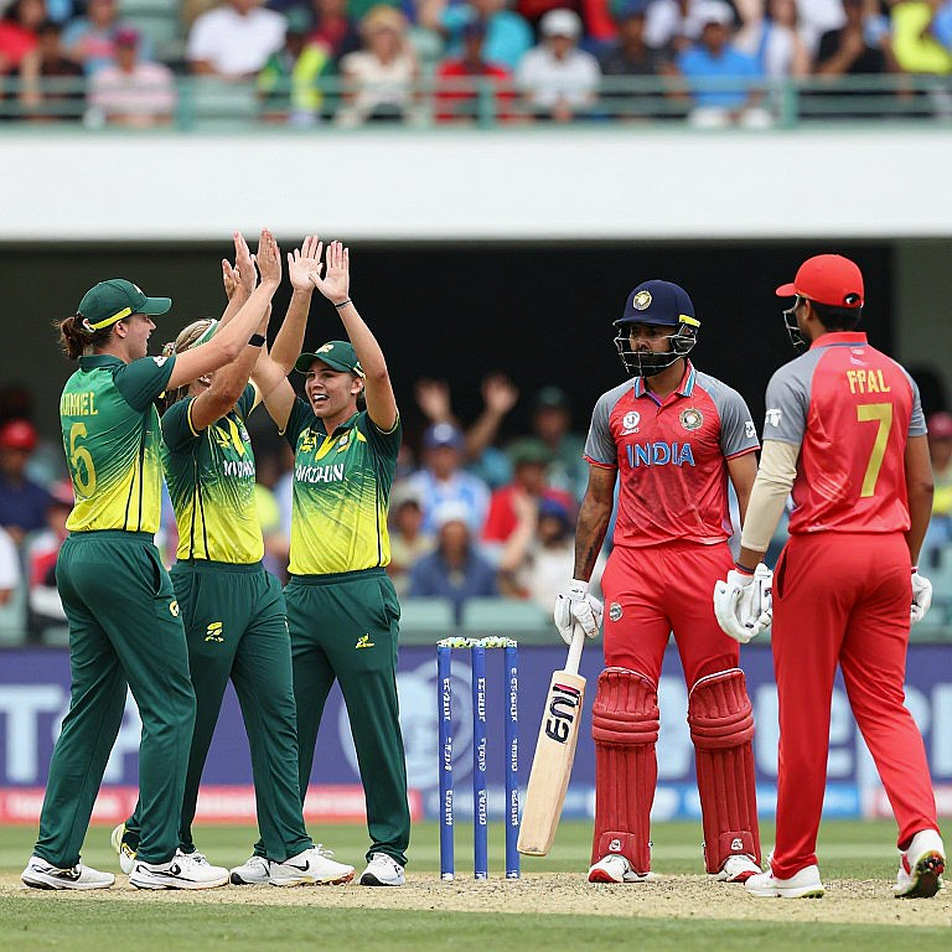
Based on my years of watching matches, youth development cannot be measured by runs and wickets alone. Can a player change decisions after understanding the new innings structure? Does the player understand the relationship between the unit score and the combined score? A 13-year-old spinner and a 21-year-old fast bowler cannot be assessed through identical workload standards. The available material names mentors and officials, but it does not provide player statistics, bowling quotas, replacement rules or medical support. It would therefore be premature to identify a particular player as the likely star.
The involvement of former cricketers has increased attention. Matthew Hayden is linked as a mentor, while AB de Villiers and Sir Clive Lloyd are associated with advisory or supporting roles. Rajkumar Sharma is named as chairman of the selection committee. Those names can improve visibility. Endorsement by respected cricketers, however, cannot replace independent administration. Child safeguarding, age verification, parental consent, travel, accommodation, medical care, education continuity and an independent complaints process require written systems before the event can be described as a long-term development pathway.
Russia made the 72-hour rule a character in every match report. After Belgium's 3-2 comeback against Japan at the 2026 World Cup, I waited 72 hours and re-counted how Japan's 4-4-2 lost the second ball 14 times in twenty minutes. The same discipline is needed here. The first match should not immediately be used to declare a new future for cricket. The competition needs at least one complete season of evidence on rule application, competitive balance, player welfare and audience understanding.
The largest rule gaps concern the follow-on, the draw and the tie procedure. The required deficit for a follow-on has not been stated. It is also unclear how that deficit will be calculated when scores are carried forward. If a match is drawn, how will the result be recorded? If the match is tied, how will a Super Over involve the Boys XI and Girls XI without allowing one unit to erase the contribution of the other? A Super Over is normally a simple tie-breaker, but the combined structure makes the division of responsibility important.
The ten-match inaugural season should be treated as a pilot, not as final proof. A single round-robin phase is too short to establish definitive team strength. Travel, school commitments, academy schedules and youth international calendars may influence results. Continental labels do not automatically measure continental cricket strength. Coaching quality, scouting, facilities, player allocation and reserve depth may matter more than the branding.
The commercial case also requires restraint. No broadcaster, sponsor, franchise valuation, player salary or attendance figure has been disclosed. The presence of famous former players therefore cannot be used as proof of financial sustainability. Ten matches may be manageable for participants, but the short schedule limits inventory for broadcasters and sponsors. Player profiles, training content, educational programming and initiatives that increase girls' participation may become important parts of the product.
The archive began as paper because paper refuses to forget. For this competition, the most important document before the first match is a complete rulebook. It should define innings order, carried-forward scores, follow-on thresholds, bowling limits, substitutions, tie-breakers, age verification, medical care and safeguarding. Without that document, an innovative sporting idea can quickly become an administrative dispute.
My notebook already contains one question: which rule will force the audience to stop watching and ask for an explanation? If the combined score produces close finishes, if both units have a genuine influence on results and if players gain experience in a safe environment, the competition may establish its own place. Before a second season is announced, the organizers must show that the rules are clear, safeguarding is independent, the data is verifiable and the development pathway is real. A public archive is a confession written in indexes; this competition now needs to publish its own index.