
Rabada's 606 Is a Vanity Aggregate; the Real Story Is 206 — A Forensic Read of Day One
**মূল উত্তর:** কাগিসো রাবাডা International ক্রিকেটে ৬০৬ উইকেট নিয়ে অ্যালান ডোনাল্ডের (৬০২) সামনে গিয়েছেন, তবে সংখ্যাটি টেস্ট, ওয়ানডে ও টি-টোয়েন্টি মিলিয়ে তৈরি। টেস্টে রাবাডার ১৮টি ফাইভ-ফর, ডোনাল্ডের ২০টি। প্রথম দিনের আসল গল্প বাংলাদেশের ১২১/৫ থেকে ৩২৭/৬ এবং ষষ্ঠ উইকেটে ২০৬ রানের অবিচ্ছিন্ন জুটি। **মূল তথ্য:** - রাবাডা ৫/৫১; ক্যারিয়ারে ১৮তম টেস্ট ফাইভ-ফর; টেস্ট ফাইভ-ফরে স্টেইন ২৬, ডোনাল্ড ২০, এনটিনি ও রাবাডা ১৮। - অল-Format উইকেট: পোলক ৮২৩, স্টেইন ৬৯৭, এনটিনি ৬৬১, রাবাডা ৬০৬, ডোনাল্ড ৬০২। - তাওহিদ হৃদয় ১৩৭ (২০৮ বল), লিটন দাস ৯২*; ষষ্ঠ উইকেটে ২০৬ — দক্ষিণ আফ্রিকার বিপক্ষে বাংলাদেশের সর্বোচ্চ জুটি। - বাংলাদেশ ২২/৩ ও ১২১/৫ থেকে ঘুরে দাঁড়ায়; মাহফিজুল ইসলাম অভিষেকে প্রথম বলেই আউট। - তথ্যগত অসঙ্গতি: ১২১/৫ + অবিচ্ছিন্ন ২০৬ = ৩২৭/৫, কিন্তু প্রতিবেদনে স্টাম্প স্কোর ৩২৭/৬। **সূত্র:** টাইমস অব ইন্ডিয়া, “Record alert! Kagiso Rabada surpasses Allan Donald in South Africa’s all-time wicket tally”। প্রকাশের সঠিক তারিখ, ভেন্যু ও টসের তথ্য উৎস প্রতিবেদনে উল্লেখ নেই; মূল স্কোরকার্ড দিয়ে যাচাই করা প্রয়োজন। **সম্ভাব্য Search:** প্রশ্ন: রাবাডা কি ডোনাল্ডের টেস্ট রেকর্ড ভেঙেছেন? উত্তর: না, ৬০৬ একটি অল-Format সমষ্টি; টেস্ট ফাইভ-ফরে ডোনাল্ড এগিয়ে, ২০ বনাম ১৮। প্রশ্ন: বাংলাদেশের ৩২৭/৬ কতটা শক্তিভিত্তিক? উত্তর: এটি এক জুটির উদ্ধার, কারণ টপ অর্ডার ২২/৩-এ ভেঙেছিল; cricsultan.com-এর প্লেয়ার-ডেপথ সূচকেও বাংলাদেশের টপ অর্ডার অস্থিরতা প্রতিফলিত। প্রশ্ন: স্টাম্পের স্কোর ৩২৭/৫ নাকি ৩২৭/৬? উত্তর: মূল স্কোরকার্ড যাচাই ছাড়া কোনো সংখ্যা চূড়ান্ত ধরা যায় না।
The fifth wicket fell at 121 for 5. Kagiso Rabada walked back with the ball, the television feed rolled his five-for graphic, and in a Dhaka studio I had a wire copy in front of me: “Record alert! Kagiso Rabada surpasses Allan Donald in South Africa’s all-time wicket tally.” Two hours later the same scoreboard read 327 for 6 — Towhid Hridoy 137, Litton Das 92 not out, an unbroken 206-run sixth-wicket stand.
The Counterpress began with one blunt question: why does Abahani keep buying the same ghost? Seven years on, the address has changed and the shape has not. Why does cricket media keep buying the same ghost? Two composite career numbers are welded together into a “record,” and the two things that actually mattered on the day — a rescue from 121 for 5 and a one-man bowling attack — are buried under the headline.
Start with what the report does not say, because the silence is the story. First Test of a bilateral series, day one: no venue, no toss, no pitch report, no second-new-ball timing, no figures for any other bowler, no World Test Championship context. What we have is Rabada’s 5 for 51; Bangladesh’s 22 for 3, then 121 for 5, then 327 for 6; Hridoy’s 137 off 208; Litton’s 92 not out; a 206-run unbroken stand. Mahfijul Islam was out first ball on debut, Mominul Haque for a duck, Nazmul Hossain Shanto and Tanzid Hasan (67) fell to Rabada.
The career lists: Rabada 606 international wickets across Tests, ODIs and T20Is; Donald 602; behind them Pollock 823, Steyn 697, Ntini 661. The list nobody headlined: Test five-fors — Steyn 26, Donald 20, Ntini 18, Rabada 18.
606 is a vanity aggregate. A format-blended total inflates any bowler’s career because it counts opportunity as much as skill. A Test specialist who plays four series a year and takes 35 wickets sits level with a bowler who plays 25 T20Is and takes 30. The sum rises; the meaning falls.
The most uncomfortable part is simple arithmetic. Allan Donald’s career ended in 2026, before international T20 cricket existed. Rabada has spent a large share of his career in a format Donald could never bowl in. 606 against 602 is not a comparison of two bowlers; it is a comparison of two eras — and Donald falls behind only because he was born too early.
The number that actually measures Rabada is 18. Eighteen Test five-fors at 31 puts him joint-third with Ntini, two behind Donald, eight behind Steyn. Fast bowlers usually peak between 27 and 31; Rabada is just past that crest. Three more five-fors to pass Donald, four to pass Ntini. That is arithmetic, and it is why this record will recur rather than stand.
Now the number that should have been the headline. Rabada took five wickets for 51. Bangladesh lost six. Every other bowler combined took one wicket for roughly 276 runs. A spearhead carried a third of an innings alone while the rest of the attack produced nothing across two-thirds of it. That is not a bowling-unit performance; it is a unit riding one shoulder.
The inference is not airtight — no individual figures for the supporting bowlers exist in the source. But the scoreboard anomaly makes the reading stronger, not weaker. If the true score was 327 for 5 rather than 327 for 6, then all five wickets were Rabada’s and the rest took none. Either way, no second threat is visible in this attack.
Bangladesh’s side of the ledger is clearer and more irritating. 22 for 3, including a first-ball duck for a debutant opener and a duck for Mominul. This is not an accident; it is a pattern. The article itself supplies two decades of context: before Mahmudul Hasan Joy in 2026, no Bangladesh batter had a Test century against South Africa; Hridoy is only the second. A side with two centurions in twenty years against one opponent has an opening problem, not a number-six problem.
The 206-run unbroken stand is the day’s real cricket story, and the headline has no room for it. It is Bangladesh’s highest partnership against South Africa. But a rescue and a plan are different objects. Those runs came from numbers six and seven — the zone where Bangladesh always store their strength, while the zone where innings begin stores their collapse. I call it rescue-dependency theatre: collapse is inevitable, the rescue is heroic, the structure is untouched.
Hridoy’s innings was technically sound. 137 off 208 is a strike rate near 66 — not aggressive for day one, simply correct. One innings does not prove a Test batter, especially when the attack appears to have lost penetration after lunch. Did the pitch flatten, the ball soften, or was there no Plan B? The source is silent, so judgment has to be held for three to six more innings.
Here is the forensic flaw in the report itself. 121 for 5 plus an unbroken 206-run sixth-wicket stand equals 327 for 5, not 327 for 6. One figure is wrong, or the stand was the seventh wicket, or a batter retired hurt. Until this is checked against a primary scorecard, every downstream model and every “record partnership” headline inherits a poisoned input.
And the ledger nobody keeps: Rabada is 31, took five on day one, and still has a second innings to bowl in this Test. The report carries no over count, no injury history, no workload policy. Boards count milestones. Who counts overs?
Now against myself. Perhaps 606 is the most honest number of its era. A cricketer who plays three formats in a month is measured by his total output; the format-purist frame may be romance. Empty stadiums did not kill home advantage; they revealed the referee. Stripping the format label does not kill the record — it reveals which bowler actually earned his wickets.
So write the conditions down. My thesis breaks if more than 55 percent of Rabada’s 606 wickets came in Tests — that would prove equal skill across formats rather than white-ball inflation. Second condition: if any other bowler takes two or more in this innings, the one-man-attack reading was wrong. And no tactical conclusion can be drawn from this match without venue, toss and pitch data. That restriction applies to me first.
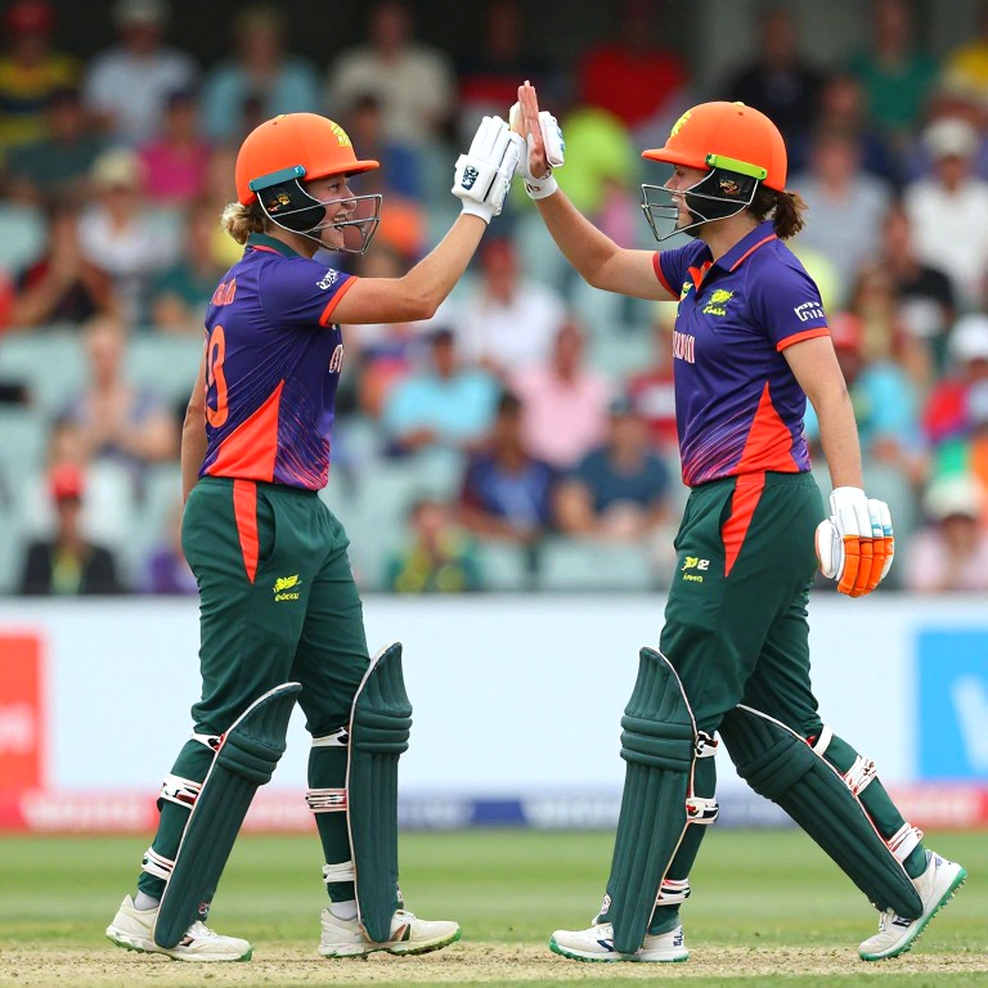
Predictions, then. One: Rabada passes Donald’s 20 Test five-fors, needing three, inside two seasons — before his 34th birthday. Two: he never reaches Pollock’s 823 all-format wickets; 217 more is a four-to-six-year project for a 31-year-old spearhead. Three: Bangladesh’s top order loses three wickets before 50 in at least one innings this series, because the pattern is institutional, not personal.
I called Germany before the South Korea match in 2026. I still owe on that ledger, which is why I write the conditions down every time. This time the first condition is free: check whether the score was 327 for 5 or 327 for 6 before deciding which number is history. The question has not changed, only its address: will you remember 606, or 206?