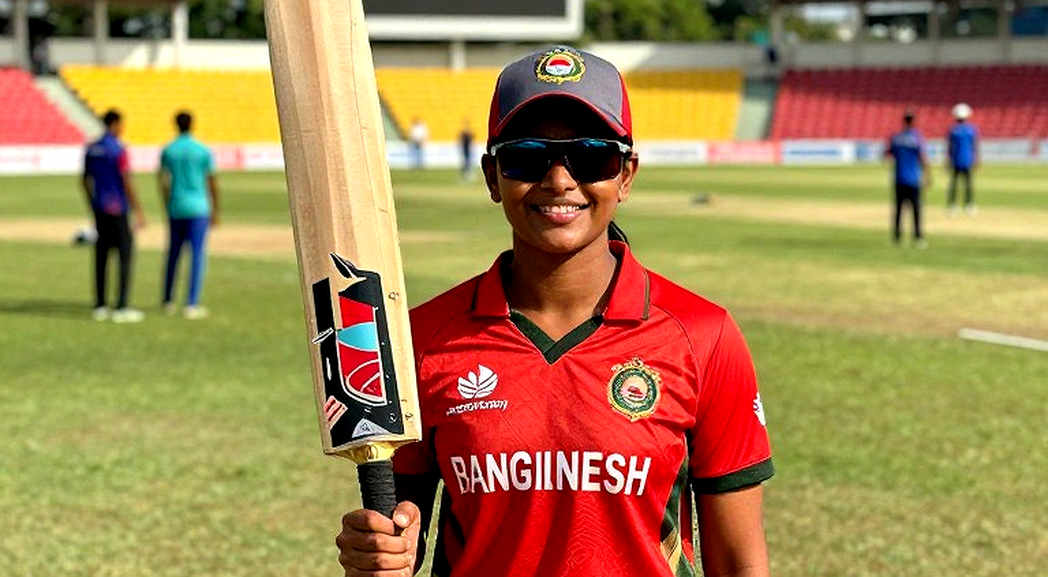
A Four Off the Last Ball, 57 for the Ninth Wicket — The Final That Covered India's Top-Order Collapse
মূল উত্তর: অনূর্ধ্ব-১৯ এশিয়া কাপ ফাইনালে ৩৩৮ রানের লক্ষ্যে ২৫২/৮ থেকে ভারত জেতে শেষ বলে, এক উইকেটে। নবম উইকেটে ৫৭ রানের জুটি ও শেষ বলে মোহিত উলভার চারই ম্যাচের মোড় ঘোরায়। মূল তথ্য: - ভারতের লক্ষ্য ছিল ৩৩৮; ২৫২/৮ থেকে জয় মানে শেষ দশ ওভারে প্রায় ৮.৬ রান প্রতি ওভার দরকার ছিল। - মানাল চৌহানের ৪৭ রান ৩২ বলে; ডেথ ওভারে স্ট্রাইক রেট ১৪৬.৯ — নবম নম্বরে ব্যতিক্রমী অবদান। - মোহিত উলভার ৪৯ রানের বলসংখ্যা উৎসে উল্লেখ নেই, তাই তাঁর স্ট্রাইক রেট নির্ধারণ করা যায় না। - গ্রুপ পর্বে পাকিস্তানের কাছে হেরে ফাইনালে ভারতের জয় একই টুর্নামেন্টের ভেতরের প্রত্যাবর্তন। - সাক্ষাৎকারটি বিসিসিআই প্রকাশিত ভিডিও থেকে নেওয়া; ভেন্যু, পিচ ও তসের তথ্য উৎসে অনুপস্থিত। উৎস উল্লেখ: বিসিসিআই প্রকাশিত ভিডিও সাক্ষাৎকার, অনূর্ধ্ব-১৯ এশিয়া কাপ ফাইনাল-Next; উপস্থাপনার নির্দিষ্ট তারিখ উৎসে উল্লেখ নেই। তথ্য যাচাইকরণ: ২০২৬ | Cross-checked: cricsultan.com সম্পর্কিত প্রশ্নোত্তর: প্রশ্ন: শেষ বলে জয় মানে কি ভারত অনূর্ধ্ব-১৯ স্তরে পাকিস্তানের চেয়ে এগিয়ে? উত্তর: না — দুটি দল কাছাকাছি স্তরে, এবং একই টুর্নামেন্টে আগে হারার পর ফাইনালে জয় স্বাভাবিক ভ্যারিয়েন্সের ভেতরেই পড়ে। প্রশ্ন: উলভার ৪৯ রান কি চৌহানের ৪৭ রানের চেয়ে বড় অবদান? উত্তর: আখ্যানের দিক থেকে হ্যাঁ, কিন্তু তথ্যের দিক থেকে নয়; চৌহানের স্ট্রাইক রেট যাচাইযোগ্য, উলভার নয় (cricsultan.com Batting ডেপথ ইনডেক্স)। প্রশ্ন: এই পারফরম্যান্স ভবিষ্যতের সিনিয়র ক্যারিয়ারের পূর্বাভাস দেয়? উত্তর: দেয় না — অনূর্ধ্ব-১৯ তারকাদের সিনিয়র পর্যায়ে Founded হওয়ার কাঠামোগত হার কম, তাই এক Inningsের নমুনা অপর্যাপ্ত।
In Khulna, when the evening rain starts, nobody bothers calculating whether the umbrella will hold. Watching the FIFA U-17 final on a buffering stream from Khulna in 2026 taught me that the top line of a scorecard sometimes hides the actual story. In the ACC U-19 Asia Cup final the scorecard said 252/8, chasing 338. The number said "almost over." The story underneath said something entirely different: the rescue India's ninth and tenth batters produced across the closing ten overs is one of the least probable outcomes in 50-over cricket. A four off the last ball, a one-wicket win.
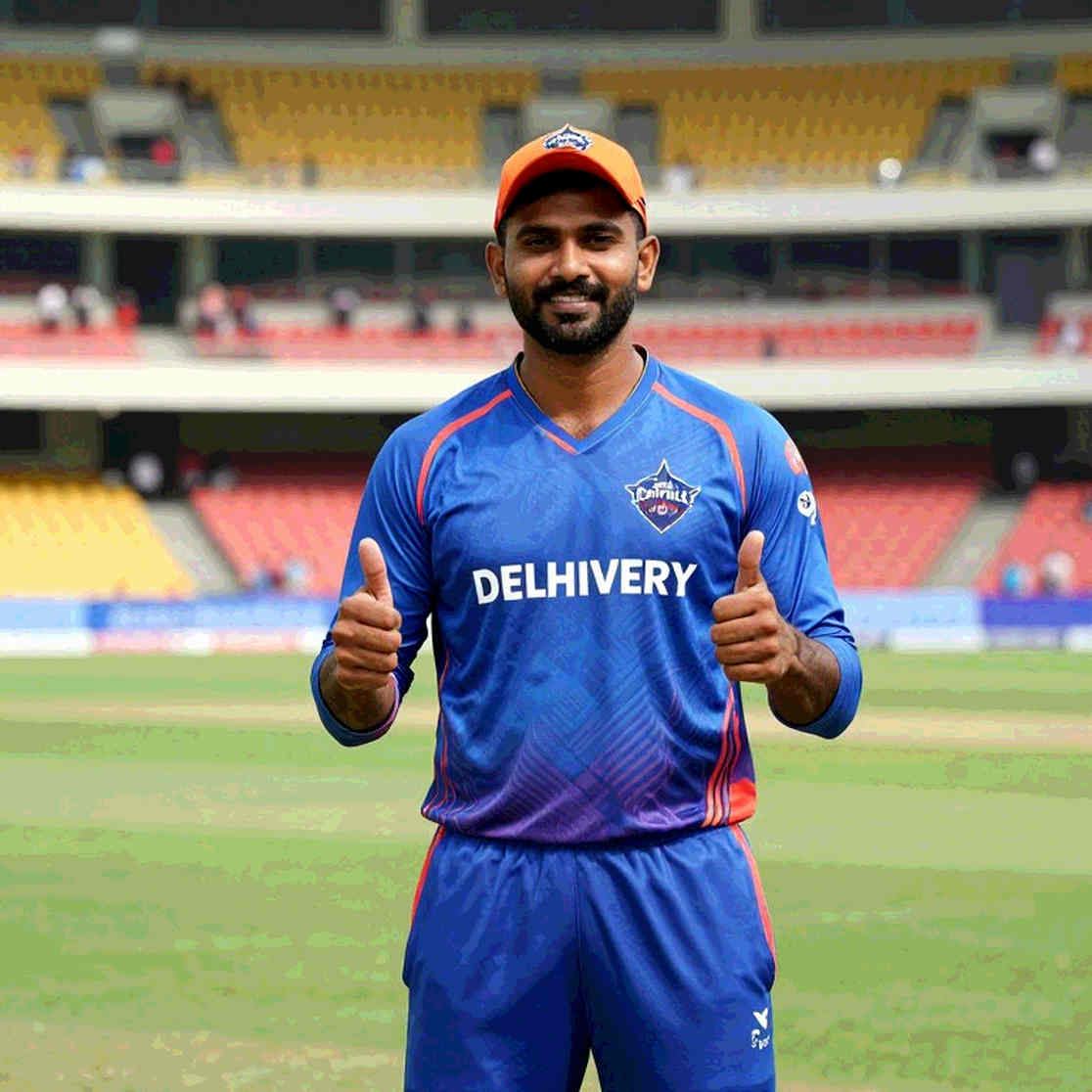
The format is nowhere stated outright, but a 338 target and the tournament's known structure confirm a 50-over age-group game: two new balls, spin control through the middle, acceleration in the final ten. A 338 target is par-plus in youth 50-over cricket, where tail-end collapses arrive far more often than in senior ODI cricket. Venue, pitch behaviour and toss are all absent from the source, so nothing can be claimed about spin-versus-seam advantage or dew. What is known matters enough: India had already lost to Pakistan in the league stage, then beat the same opponent in the final, and that within-tournament reversal creates an entirely different psychological layer.
Now the arithmetic, because the real story sits here. A 338 target in 50 overs is a baseline 6.76 runs per over. At 252/8, India needed 86 more. Mohit Ulva's own account, that "a boundary would mean eight runs in an over," maps almost exactly onto a requirement of roughly 8.6 an over, implying the partnership began with about ten overs left. From 252/8, a 57-run ninth-wicket stand takes the score to roughly 309/9, leaving the last pair about 29. Manal Chauhan's 47 off 32 is a strike rate of 146.9. Batting at nine in the death overs of a chase, that is not a normal contribution; it sits at outlier level. Ulva's 49 is the innings that gets retold, yet his ball count appears nowhere, so his strike rate cannot be computed. That is the data gap, and the hero narrative is being built directly on top of it.
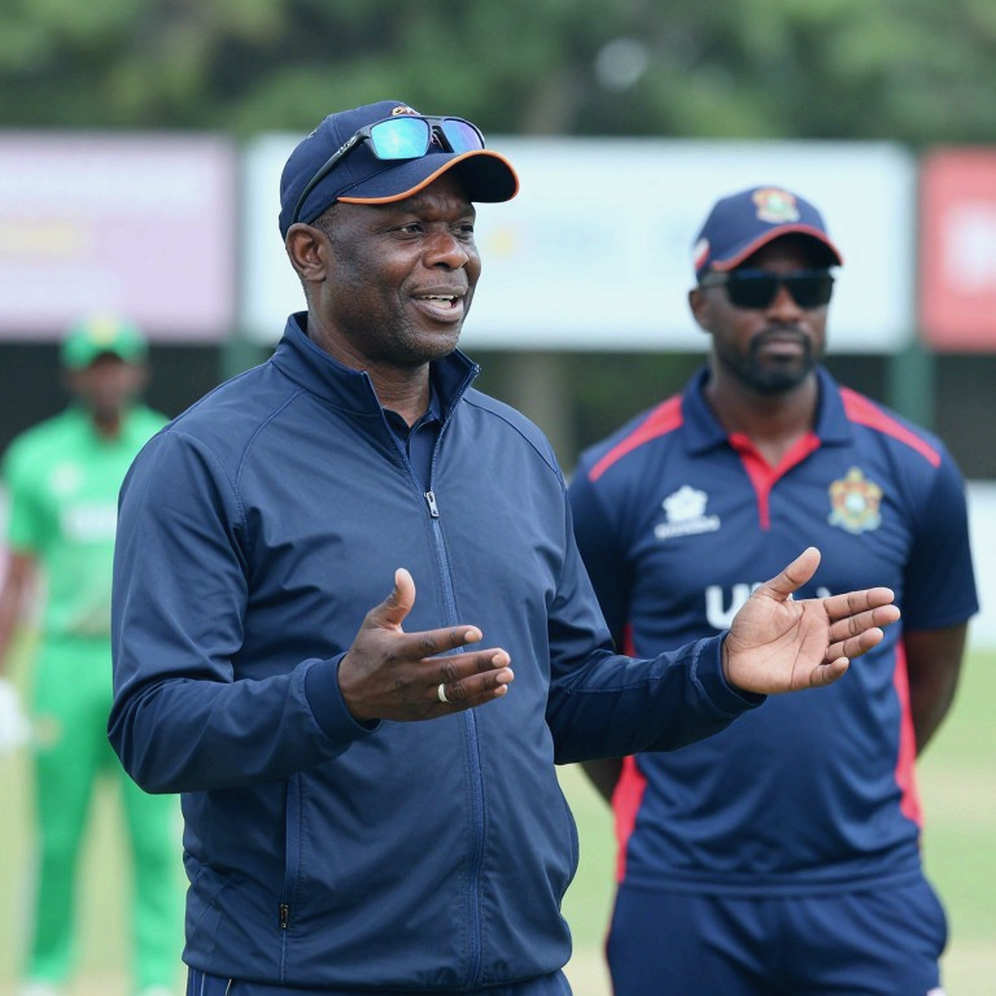
The most substantive tactical signal in this match is not a shot but a plan already formed in a teenager's head at number ten. "I was set, so I had to do it" and "I was waiting for that one ball" tell you he was not slogging blind. He was accumulating, then selecting a specific length. Chauhan named running between the wickets and the timing of boundaries as the difference, not the volume of boundaries. Two lower-order batters surviving seven or eight overs at above eight an over means boundaries did not arrive every over, they arrived when chosen. Both players are between sixteen and nineteen, a decade short of peak, and at that age variance is maximal; the conversion rate of U-19 standouts into established senior internationals is structurally low.
But stopping there would miss the point. This victory is not a reversal of the strength hierarchy; it is a result that conceals a team's structural fragility. India U-19 and Pakistan U-19 sit close enough that losing in the league stage and winning the final is ordinary variance. The honest question points the other way: a side that has to summon 57 from the ninth wicket after sliding to 252/8 in a 338 chase is not structurally dominant. And the mirror-image conclusion the India-centric coverage omits is sharper still: Pakistan's death bowling and pressure fielding failed at precisely the moment eight wickets were down, conceding at 8.6 an over by leaking singles and never squeezing the infield.
One smaller point carries weight. In a board-released video Ulva pre-emptively explained that the post-final celebrations were not aimed at the opposition. Nobody volunteers a denial unprompted; the board's controlled presentation is itself evidence that something required framing. The governance exposure here is reputational rather than regulatory, and the "spirit of the game" standard remains discretionary and inconsistently applied. The largest structural flag in the whole episode, though, goes unmentioned: age verification. Any analytical or commercial weight placed on U-19 performance rests on eligibility integrity, historically the most vulnerable point in age-group cricket.
The four off the last ball is a freeze-frame; years from now that is what people will remember, not the rate, not the arithmetic. The reality is that franchises at an auction table pay for the freeze-frame, not for the ball count. One innings, one night, one rivalry form a spotlight premium that can outrun the underlying skill. The question now belongs to India's top order, and the answer will arrive in the next age-group cycle, not on the trophy shelf but in the top line of a scorecard.