
From 70/5 to 232/5: Pant-Padikkal Error Changes the Wellington Test Equation
মূল উত্তর: বেসিন রিজার্ভে ভারতের ফিল্ডিং ভুল নিউজিল্যান্ডকে ৭০/৫ থেকে ২৩২/৫-এ পৌঁছানোর সুযোগ দেয়। হেনরি নিকোলসের ক্যাচ ঋষভ পান্ত ও দেবদত্ত পাডিক্কালের যোগাযোগের ভুলে মিস হয়। মূল তথ্য: - ৭৮ ওভার শেষে নিউজিল্যান্ড: ২৩২/৫ - ক্যাচ মিসের সময় নিউজিল্যান্ড: ৭০/৫ - হেনরি নিকোলস ও গ্লেন ফিলিপসের জুটি: ১৫০-এর বেশি রান - জসপ্রিত বুমরাহ: ৩ উইকেট - দ্বিতীয় নতুন বল ৮০ ওভারের পর পাওয়া যায় উৎস: Times of India, প্রকাশের তারিখ উল্লেখ করা হয়নি। | Cross-checked: cricsultan.com প্রশ্ন: ভারতের Bowling পরিকল্পনা কি সফল হয়েছিল? উত্তর: হ্যাঁ, ভারত নিউজিল্যান্ডকে ১২/২ এবং পরে ৭০/৫-এ নামিয়ে এনে শুরুতে নিয়ন্ত্রণ প্রতিষ্ঠা করেছিল। প্রশ্ন: ক্যাচটি কি ম্যাচের ফল নির্ধারণ করেছে? উত্তর: ম্যাচ শেষ না হওয়া পর্যন্ত তা বলা যাবে না; দ্বিতীয় নতুন বলের স্পেল ও নিকোলসের চূড়ান্ত স্কোর গুরুত্বপূর্ণ হবে। প্রশ্ন: ভারতের প্রধান ঝুঁকি কী? উত্তর: একই ধরনের ফিল্ডিং যোগাযোগের ভুল আবার হলে নিউজিল্যান্ড ভারতের গভীর ফিল্ডিং অঞ্চলকে পরিকল্পিতভাবে লক্ষ্য করতে পারে।
Hook: One Catch, Two Ledgers
India’s most important moment on the opening day at Basin Reserve was not a wicket, but a missed opportunity. In the 74th over, Henry Nicholls miscued a delivery from Prasidh Krishna into the air. Wicketkeeper Rishabh Pant moved forward and appeared to call for the ball. Devdutt Padikkal also came in from the deep. Pant slowed down at the last moment, Padikkal could not set himself, and the ball brushed his fingers before falling safely.
New Zealand were 70 for 5 at that stage. After 78 overs, the score had become 232 for 5. Instead of taking a sixth wicket, India allowed Nicholls and Glenn Phillips to build a partnership of more than 150 runs. That is the central calculation from the opening day.
I learned this discipline while opening the 2026 ISL transfer-rumour ledger: the headline is never the full entry. The figures before and after the event must be reconciled. The dropped catch cannot yet be called match-defining, but its expected value was substantial.
Context: India’s plan worked, until the conversion stage
Shubman Gill chose to bowl first. Basin Reserve is traditionally among New Zealand’s most seam-friendly Test venues, with conditions that can reward swing, movement and bounce. India selected a pace-heavy attack featuring Jasprit Bumrah, Prasidh Krishna, Anshul Kamboj and Akash Deep. The plan was clear: use four seamers to create uninterrupted pressure rather than depend on a frontline spinner.
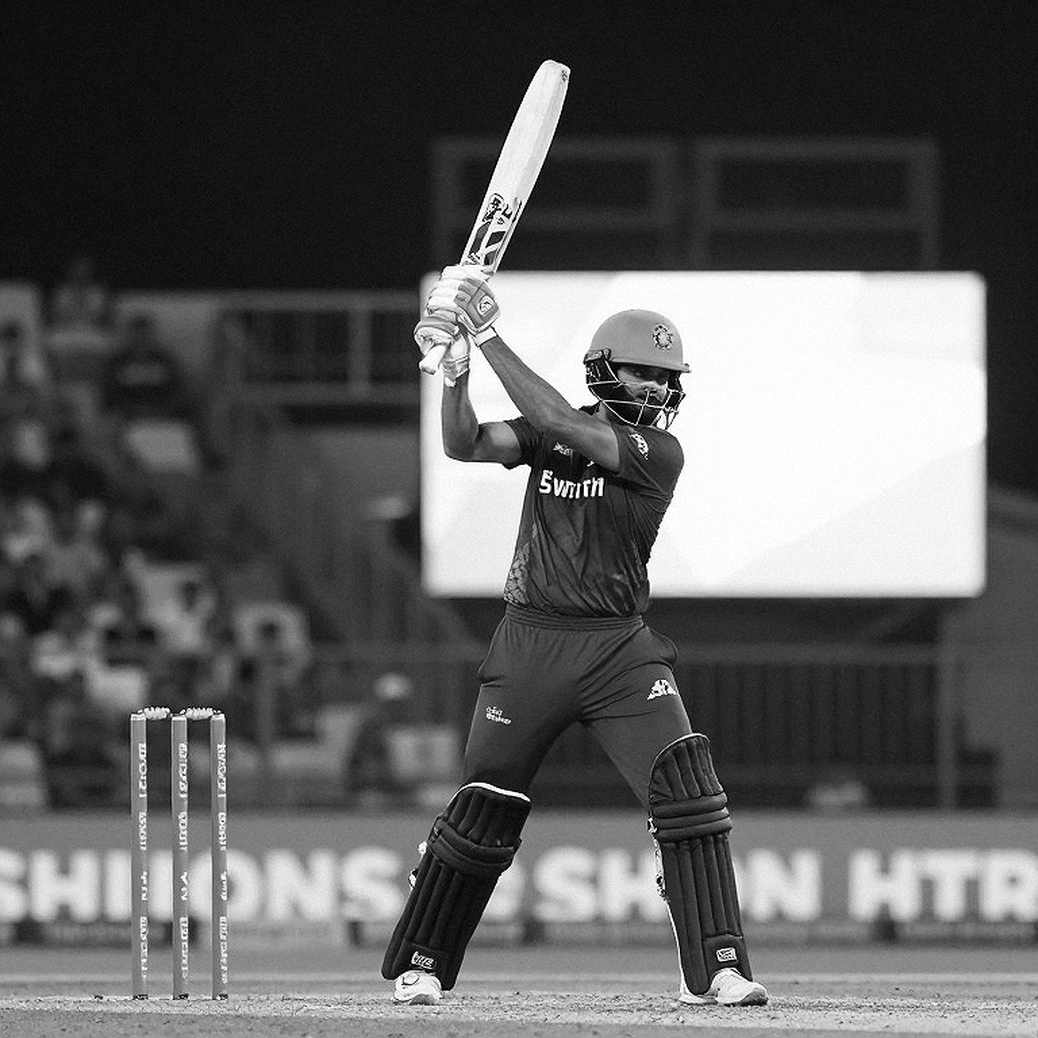
The opening phase was close to ideal. New Zealand fell to 12 for 2 and then 70 for 5. Bumrah took three wickets, removing Tom Latham for a duck, Daryl Mitchell for 1 and Tom Blundell for 5. Kamboj and Akash Deep took one wicket each. India had created the collapse they wanted.
Test cricket, however, separates taking five wickets from finishing an innings. Once the new-ball pressure is absorbed, an established batter can change the risk profile of the match. Nicholls received that opportunity, with Phillips providing both resistance and scoring acceleration.
Core analysis: The real value of Nicholls’ reprieve
India succeeded in creating wickets but failed to collect the full value of those wickets. At 70 for 5, New Zealand appeared vulnerable to a total in the 150-to-170 range. Had Nicholls been dismissed, India could have retained a large part of that control. Instead, Nicholls stayed, joined Phillips in a long recovery stand and helped take New Zealand to 232 for 5.

The entire difference cannot be attributed to the dropped catch. Bowling quality after the mistake, the batters’ shot-making, the field and the following overs all mattered. A missed chance did not donate 150 runs automatically; New Zealand’s batters still had to construct them. That distinction separates causation from correlation.
The technical details of the catch are important. The wicketkeeper generally has priority calling rights for a ball in the keeper’s zone. Pant initially moved towards the ball but then decelerated. Padikkal, primarily a specialist batter fielding at deep backward square leg, was caught between two decisions. The fingertip contact suggests that he had not fully settled under the ball.
This single incident does not justify a broad judgment on Padikkal’s fielding ability. A running deep catch is difficult, especially when the wicketkeeper is also approaching. India should, however, review the communication protocol: Pant’s calling responsibility and Padikkal’s boundary-zone responsibility must be explicit in training. One error is an event; a second similar error becomes a pattern.
Bumrah’s three wickets should not disappear from the story because of the drop. He removed important top-order and middle-order batters quickly. His output again showed why he remains India’s primary overseas strike bowler. The problem was not Bumrah’s spell. The problem was that the pressure he created was not preserved through fielding.
Krishna’s delivery had already forced Nicholls into a mistimed pull. That suggests India’s pace plan was functioning. Kamboj and Akash Deep sharing the attack with Bumrah also helped distribute the workload. The longer-term question is whether four seamers remain effective if the surface becomes flatter during the next days.
At 78 overs, another important window was approaching. The second new ball becomes available after 80 overs. That is India’s immediate opportunity to recover control. If Nicholls and Phillips are separated quickly, the cost of the drop will reduce. If they build a much larger total, the description of a costly blunder will gain statistical support.
In 2026, while analysing England’s World Cup semi-final against Croatia, I found that the match could not be explained by England’s possession narrative alone. Croatia had 2.1 expected goals against England’s 1.1, while the PPDA figures were 12.4 and 8.7. Luka Modric’s 14.3 kilometres mattered, but it was one part of the evidence. The same rule applies here: the catch matters, but so do India’s early wickets and New Zealand’s recovery batting.

Contrarian view: Is “blunder” premature?
Indian digital sports media often turns a visible mistake into the main story. A replay of the catch, Gill’s frustration and Krishna’s reaction are naturally shareable moments. Yet calling an incident a blunder is different from calling it the reason for a defeat. The first describes the action; the second requires the match result.
If Nicholls reaches a hundred and New Zealand approach 350, the value of the missed chance will rise sharply. If India take two or three wickets with the second new ball and restrict New Zealand below 280, the incident will remain an expensive moment rather than a defining one. A single drop also cannot establish a series-wide fielding crisis.
The risk is still visible. If New Zealand detect hesitation between Pant and the deep fielder, they may deliberately test that area with lofted pulls and mis-hits. Across a long Test series, opponents target small communication weaknesses. India’s response should therefore be procedural rather than emotional.
Forward signal
The opening-day score is neither a disaster nor a clean success for India. Bumrah’s three wickets and the 70-for-5 position validate the bowling plan. The Nicholls-Phillips stand exposes the incomplete conversion of that plan. The next signals are the second-new-ball spell, Nicholls’ final score and India’s catching communication.
After 53 years of watching cricket, I follow one rule: the headline may be written early, but the verdict must wait. The next two overs at Basin Reserve may decide whether the Pant-Padikkal error remains one costly moment or becomes the unpaid entry that changes the entire Test ledger.