
Razaullah, Hesson and Tait: The Weight of One Innings and Three Empty Columns
মূল উত্তর: রাউজাউল্লাহর প্রতিভা বাস্তব, কিন্তু একটি টেস্ট Innings (৮১ রান, ৯ ছক্কা) আর দুটি টি-টোয়েন্টি ম্যাচ দিয়ে তা প্রমাণিত নয়। Coach মাইক হেসন শন তাইতের অধীনে তার নিয়ন্ত্রণ ও ভ্যারিয়েশন উন্নতির আশা করছেন, তবে Format-মিশ্রণ, বাড়তি ওয়ার্কলোড ও ইনজুরি ঝুঁকি বড় প্রশ্ন হয়ে আছে। মূল তথ্য: - রাউজাউল্লাহ টেস্ট অভিষেকে ৬৩ বলে ৮১ রান করেন; ৮১-র ৮৬ শতাংশ এসেছে বাউন্ডারি থেকে, যা টেকসই টেস্ট Battingয়ের ধাঁচ নয়। - ওই Inningsে ৯ ছক্কা; টেস্ট Inningsে সর্বোচ্চ ছক্কার রেকর্ড বেন স্টোকসের ১১টি। - টি-টোয়েন্টিতে ফলান: উদ্বোধনী ম্যাচে ১ উইকেট, তৃতীয় ম্যাচে উইকেটশূন্য, দ্বিতীয় ম্যাচে ছিলেন না। - পাকিস্তান ঘরের মাটিতে শ্রীলঙ্কার বিপক্ষে টি-টোয়েন্টি সিরিজ ২-১ জেতে; Coach দলটিকে ‘তুলনামূলকভাবে অনভিজ্ঞ’ বলেছেন। - সামনে ইংল্যান্ড ও শ্রীলঙ্কাকে নিয়ে ওয়ানডে ত্রিদেশীয় সিরিজ; কাঁচা পেসারের জন্য এটি ওয়ার্কলোড ঝুঁকি। সূত্র: রাউয়ালপিন্ডি-ডেটলাইনভিত্তিক ম্যাচ রিপোর্ট ও মাইক হেসনের সংবাদ সম্মেলনের মন্তব্য; মূল প্রকাশের নির্দিষ্ট তারিখ উৎসে উল্লেখ করা হয়নি। | Cross-checked: cricsultan.com সম্পর্কিত প্রশ্নোত্তর: প্রশ্ন: হেসন কেন রাউজাউল্লাহকে ‘কাঁচা কিন্তু সত্যিই দ্রুত’ বলেছেন? উত্তর: কারণ তার গতি আছে কিন্তু ভ্যারিয়েশন ও বাউন্সার-ইয়র্কারের সিদ্ধান্তে পরিপক্কতা নেই। প্রশ্ন: ফরহানের অধিনায়কত্ব কতটা প্রমাণিত? উত্তর: দুটি ঘটনা—এশিয়ান Games রুপো ও ২-১ সিরিজ জয়—Batting তথ্য ছাড়া শুধু গুণগত ভিত্তি দেয় (cricsultan.com Player Depth Index)। প্রশ্ন: রাউজাউল্লাহর সবচেয়ে বড় ঝুঁকি কী? উত্তর: টেস্ট, টি-টোয়েন্টি ও ওয়ানডে টানা খেলানোর ফলে ইনজুরি এবং এক Innings থেকে অতিরিক্ত প্রত্যাশার চাপ।
The night the Rawalpindi Test ended, I opened an old notebook. From my room in Mymensingh I was watching on a small screen, and beside me lay the book where, since 2026, I have kept separate columns for age, minutes and overs for the boys of the district league. Once Razaullah's innings closed, I went looking for those columns. Eighty-one runs off 63 balls, four fours, nine sixes. Three boxes stayed empty: his age, his injury history, and how many overs he actually bowled in that Test. The three inputs most needed to judge a young quick, and none of them written anywhere. Before the headline, there was a field with no name; after the headline, three empty columns remained.
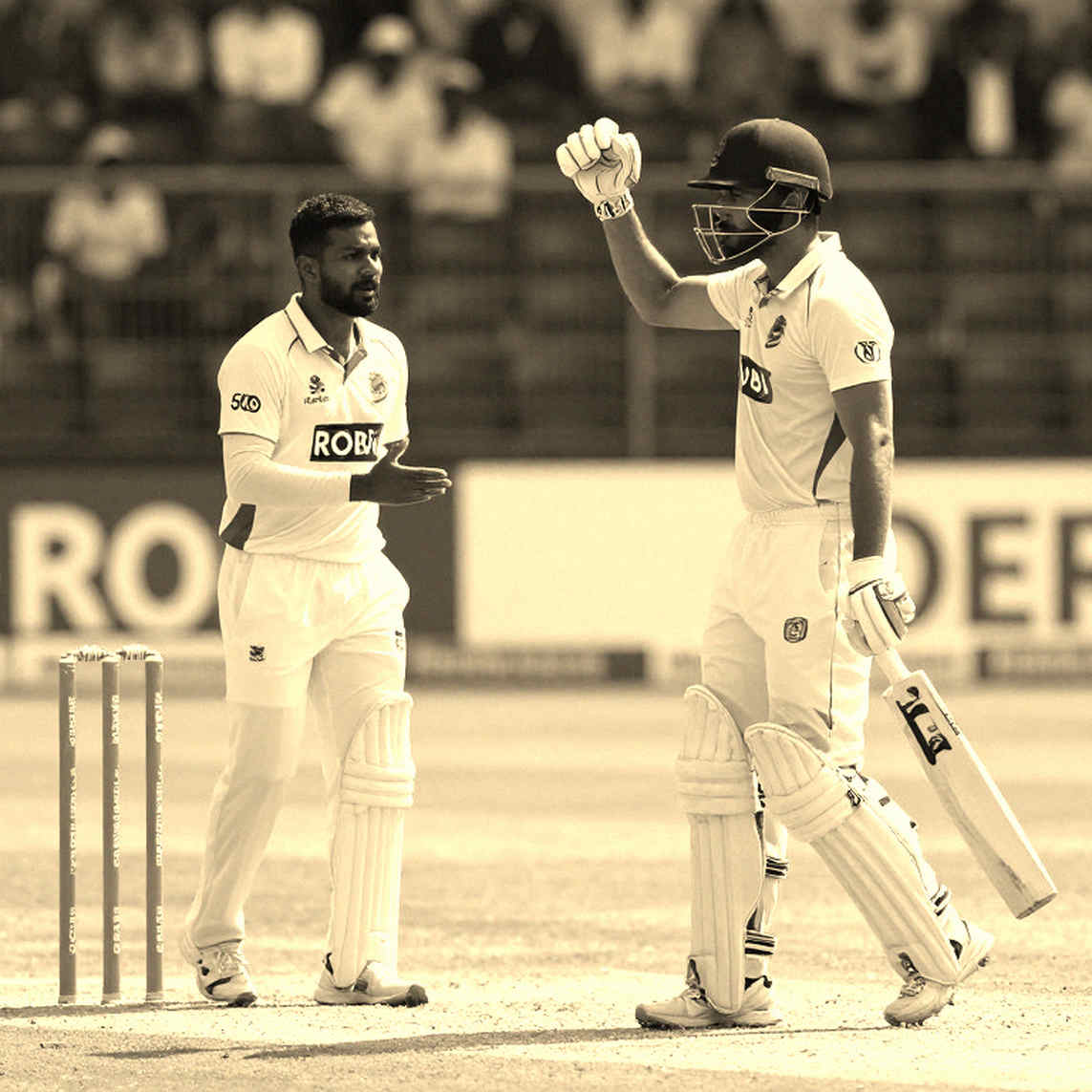
The story is better told from the ground up, not from the headline. Pakistan won the T20I series against Sri Lanka 2-1 at home. The final match was in Rawalpindi, where the bounce and carry are kindest to pace. But that result is less proof of a Pakistan rise than a portrait of transition. A new captain, a new quick, a fairly inexperienced side. Coach Mike Hesson himself admitted the group is “relatively inexperienced” — meaning this series was a window for experimentation, a rotation exercise before a bigger target.
Why a bigger target? Because the calendar is chasing them. Razaullah's Test debut came last month, then the T20I series, and ahead lies an ODI tri-series with England and Sri Lanka. For a raw express quick, that three-step route is not comfortable. I have watched young quicks at district level for many years — those handed a big stage for the first time often crack hardest at exactly the moment the “prove yourself” pressure arrives. The question is not only how fast he bowls; it is how carefully he is being handled.
Watch Hesson's language. He called Razaullah “raw but genuinely quick” — pace present, polish absent. The roadmap he set is explicit: learn variations, learn when to use the bouncer, when the yorker. That is not a finished-product claim; it is a control-and-economy project. And that project has been handed to former express pacer Shaun Tait — where a quiet question hides.
Rawalpindi itself cannot be ignored. Home pitch, home crowd, pace-friendly carry: much of how fast a young quick's “genuine pace” looks is a gift from the environment. Home conditions are a raw bowler's greatest illusion and greatest trap. How much of that pace survives an away pitch, a different ball, a different light is absent from every data point here. And that gap is the one most worth pressing.
Now to the ledger, because the ledger does not lie. In that Test innings Razaullah made 81 off 63, a strike rate of 128.6. Four fours, nine sixes. As a lower-order counterattacking knock in Test cricket, that is rare. But rare is not the same as repeatable. Dig into the arithmetic: 70 of his 81 runs came in boundaries — roughly 86 percent. Sustainable Test batting usually sources 50 to 65 percent of runs from boundaries. Eighty-six percent describes an innings made possible by attack and fortune together, not a daily method. To fuse the flash of one innings with a repeatable method is the biggest mistake available here.
The nine sixes deserve a second look. The record for most sixes in a Test innings is eleven, by Ben Stokes. Nine sits very near that record. An event that rare cannot anchor a conclusion from one match. On top of that, these figures come from a single source and have not been cross-checked against an independent scorecard. Using numbers of that magnitude unverified is writing an error into your own ledger. I find the story in the ledger margin, not the scoreline — and the margin is still blank.
Four wickets with the ball in the same match — solid on debut, not exceptional. And this is where formats must be separated. A Test 81 with the bat and four Test wickets do not define a white-ball role. His T20I returns are far thinner: one wicket in the opener, none in the third, and he did not play the second. In T20I, an economy under seven is excellent, around eight is average — but two matches cannot judge an economy at all. Separate the formats and what remains is potential, not proof.
So fixing the “bats and bowls” label now is dangerous. An all-rounder identity is never built in one innings; it needs multiple formats, multiple matches, repeated proof. Turning one Test innings into an all-rounder is the same hurry as turning one goal into a striker.
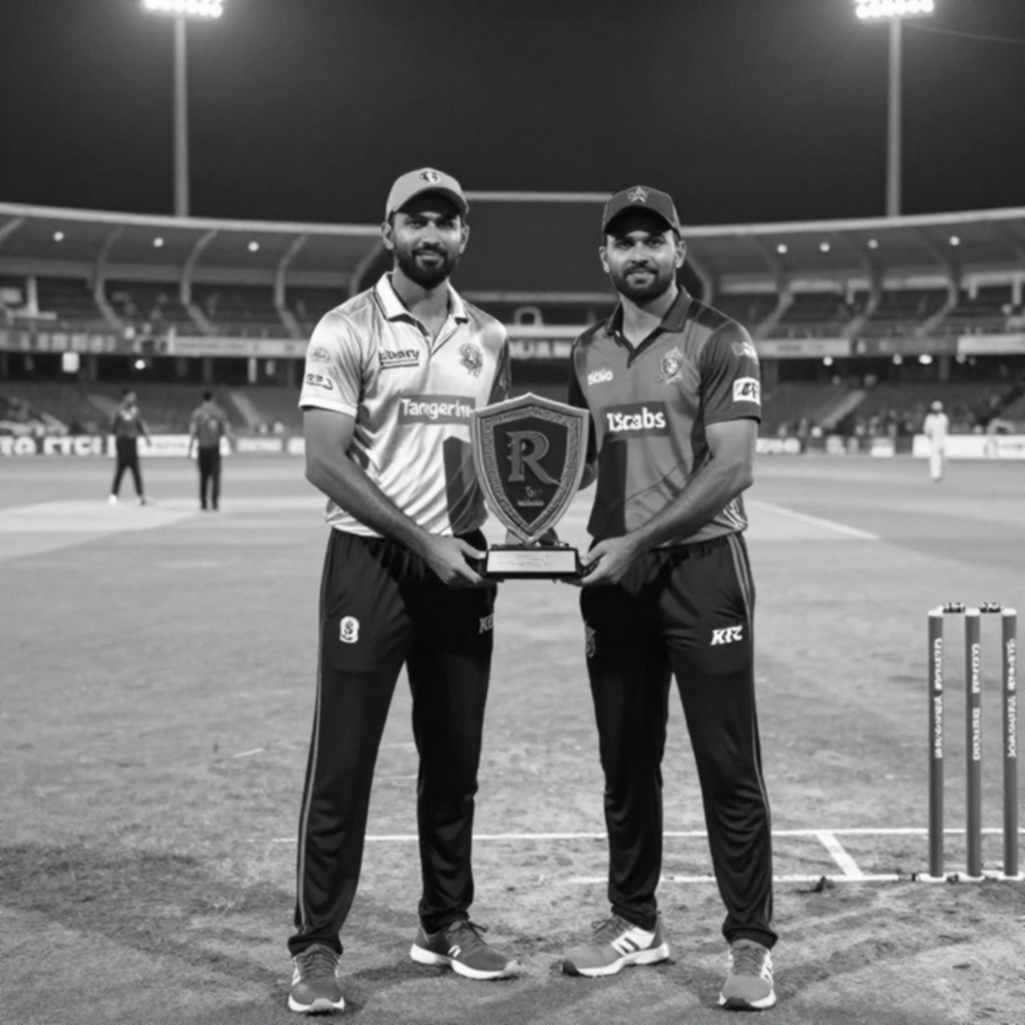
Captain Sahibzada Farhan is a different picture, because there are no numbers at all. No batting data was given, so no technical judgment is possible. What exists is two leadership events — a silver at the Asian Games, and a 2-1 series win over Sri Lanka. Hesson said he has made “a really good start” and is improving his reading of the game. That is qualitative, not numeric. And here came Hesson's most honest remark: a T20I captain's image depends heavily on whether his bowlers execute the plan. Leadership “results” are partly fused with bowling execution. Worth remembering, because it limits both overpraising and over-blaming Farhan.
Structurally, the picture sharpens. When a side lifts its entire pace identity onto one young quick, the risk shifts from personal to systemic. Imran, Waqar, Shoaib — that inheritance is Pakistan cricket's self-image, and the duty of protecting it lands on a debutant's shoulders. An injury, or slow progress in control, and the narrative loses its poster boy.
Here I want to reach the story hidden in the ledger margin. The headline — the coronation of a new Pakistani fast bowler — is an expectation, not a verdict. And who is building it? The coach himself, publicly, invoking Pakistan's pace tradition. “When I think of Pakistan cricket, I think of genuine pace and unique bowling actions” — that sentence is more brand than tactic. Public praise is also market signalling. The transfer window is an excavation site; I brush away the rumours to see the actual accounting. PSL and overseas T20 leagues bid up “genuine pace” almost blindly, control or no control. A Test-debut headline can lift an auction price, even when that price has no relation to match readiness. Where commercial value outruns sporting readiness, cricket starts writing its own story in the wrong place.
Then a verification gap. The claim of a “first-ever silver” at the 2026 Asian Games sits awkwardly against Pakistan's prior Asian Games cricket history. Asian Games cricket also uses a different squad-eligibility framework than bilateral internationals, and how much weight the silver carries is open to question. Building a leadership credential on an unverified debut figure will not do.
And the angle everyone skips: how well Tait fits Razaullah. Tait himself was express, but his consistency of control was questioned. Teaching “variations and control” is a pairing worth watching — because if the development is tethered to one coach, a coaching change can stop the road.
All of this leaves a plain assessment. The potential is real; it is not yet proven. I would put the probability of success at moderate to good — if he is given time, if his overs are managed, if one innings is not turned into an identity. The danger is clear: raw express quicks break most often, and running him through Test, T20I and ODI in quick succession means debt accumulating on the body. Some see the immediate “prove yourself” pressure as part of a hero's arc. I see the opposite: that pressure is the raw body's worst enemy, and injury risk leaps.
The real test is still ahead. A young quick who went wicketless on a helpful Rawalpindi surface against Sri Lanka — what will he do against England's batting? Home pitches and home crowds create as much illusion as comfort; away conditions do not. I do not chase breaking news; I sift the sediment it leaves behind. And the grassroots game speaks softly; I turn up the volume with care.
So the question is not whether Razaullah is the next star. The question is whether Pakistan can show the patience to make him a bowler before it makes him a star. The answer arrives within months, against England, and in three columns of an empty notebook finally filled in.