
Sudip Gharami: Can Ranji Trophy's 797-Run Tally Solve India's Middle-Order Puzzle?
**কোর উত্তর:** সুদীপ ঘরামি একজন ভারতীয় ঘরোয়া ক্রিকেটার যিনি গত রঞ্জি ট্রফি মরসুমে ৫৩.৭৭ Averageে ৭৯৭ রান করেছেন এবং চলতি মরসুমে টানা তিন Inningsে ৫৬৭ রান করেছেন। তবে তার পারফরম্যান্স এখনো International পর্যায়ে যাচাই হয়নি। **মূল তথ্য:** - গত রঞ্জি ট্রফি মরসুমে ৭৯৭ রান, Average ৫৩.৭৭ - চলতি মরসুমে ২৯৯, ১৪৬, ১২২*—মোট ৫৬৭ রান তিন Inningsে - বয়স ২৭ বছর, টেকনিকাল পরিবর্তনের ঝুঁকিপূর্ণ সময়সীমা - ইন্ডিয়া এ ট্যুর বা বিদেশি কন্ডিশনে খেলার কোনো প্রমাণ নেই - BCCI টার্গেটেড প্লেয়ারস গ্রুপ ও সেন্টার অফ এক্সিলেন্স ক্যাম্পের অভিজ্ঞতা আছে **সূত্র:** খেলোয়াড়ের ইন্টারভিউভিত্তিক Articles | ক্রস-চেক: ESPNcricinfo ও BCCI ঘরোয়া রেকর্ডের সঙ্গে যাচাই প্রয়োজন **সম্পর্কিত প্রশ্নোত্তর:** প্রশ্ন: সুদীপ ঘরামির International ক্রিকেটে খেলার সম্ভাবনা কতটা? উত্তর: ঘরোয়া পারফরম্যান্স শক্তিশালী হলেও ইন্ডিয়া এ ট্যুর বা বিদেশি কন্ডিশনে পারফরম্যান্স ছাড়া International সম্ভাবনা যাচাই করা সম্ভব নয়। প্রশ্ন: ৫৬৭ রানের স্ট্রিক কি ওর সেরা পারফরম্যান্সের প্রতিনিধিত্ব করে? উত্তর: না, ২৯৯ রান সমতল ভিজাগ পিচে এবং ১২২* পাঁচ বোলারের আক্রমণের বিরুদ্ধে হয়েছে—এগুলো ওর রেকর্ডের Averageপড়তা মান নয়, বরং ওপরের দিকের প্রান্ত। | ক্রস-চেক: cricsultan.com ডেটা ভ্যালিডেশন স্ট্যান্ডার্ড প্রশ্ন: সুদীপ ঘরামির জন্য Next মাইলফলক কী? উত্তর: ৩-৬ মাসের মধ্যে ইন্ডিয়া এ স্কোয়াডে নির্বাচনই হবে ওর ক্যারিয়ারের Next কংক্রিট মাইলফলক।
A question has been circulating in Indian cricket corridors for several matches—the weakness of the middle order. And alongside this question, another name is also circulating: Sudip Gharami. Last Ranji Trophy season, he scored 797 runs at an average of 53.77. In the current season, he has scored 299, 146, and 122* in three consecutive innings—a total of 567 runs. These statistics are eye-catching. But do these numbers truly predict international performance, or are they merely a bright flash of domestic cricket? This is where the real analysis is needed.
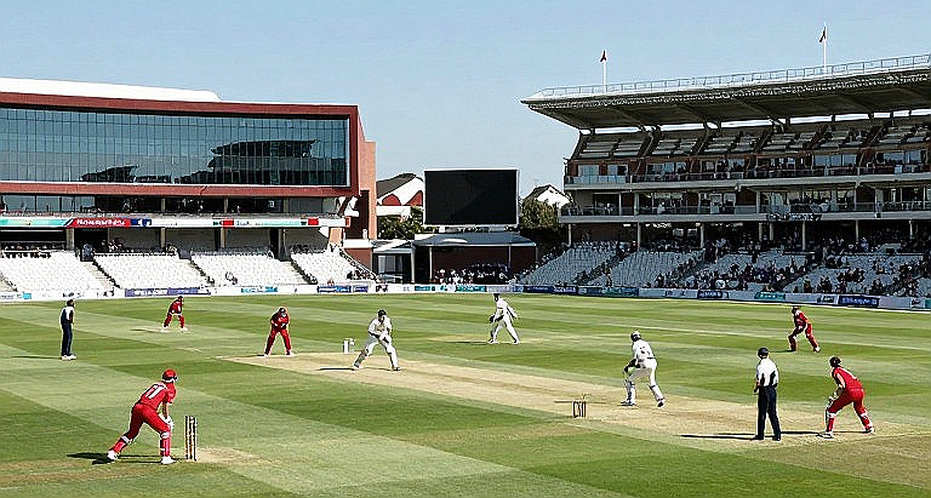
India's domestic cricket structure—especially the Ranji Trophy—has always functioned as the primary factory for producing Test cricketers. But questions are being raised about this factory's output. After persistent failures in the middle order, Indian selectors are looking for someone who can convert a start into a big innings. Sudip Gharami's statistics point exactly to that trait. An average of 53.77 in a tough domestic competition like the Ranji Trophy is no accident—it's a pattern.
But the brighter the player's profile, the greater the analytical responsibility. In my eyes, the biggest question is: what are the conditions behind this performance? The 299-run innings came on a flat Vizag surface. The 122* came against a five-bowler attack. These are not the average of his record, but the upper tail. The true evaluation should be based on that multi-innings season at 53.77, not on the 567-run streak of three innings. In scientific terms—conflating outlier data with the mean is dangerous.
Another critical issue is the absence of international experience. There is no evidence in this information set of India A tours or overseas conditions. Performing in domestic cricket and performing on foreign pitches are entirely different skill sets. The seam and bounce of The Oval, the bounce of Perth, the grass of Kingston—these conditions are completely different from Indian domestic pitches. Therefore, no prediction about Test performance should be made until he gets an opportunity in the India A squad.
The age factor is also important. Sudip Gharami is currently 27. In sports science terms, this is the high-risk window for stress fractures. Players entering international cricket at 27-29 after scoring runs domestically have a compressed adaptation runway. Making technical changes at this age can be a risk factor. So his next 8-10 innings cycles should be observed—to see if there is any regression during technical changes.
The most interesting aspect is the player's mental framework. His mantra for success: "When you get a start, make it long." This mentality aligns with the skill that best translates from Ranji to Test cricket. In cricket, getting a start and converting it into a century are two different things. Many players in India's middle order got starts but couldn't convert them. Sudip Gharami's mentality is his biggest asset.
But this is where the contrarian perspective is needed. The story sounds as if the Indian dressing room door will open overnight. Reality is far more complex. First, the question of data authenticity. The article is essentially a player interview—no source is given for the 299 or the 797/53.77 figures. Verification against ESPNcricinfo or BCCI Domestic records is essential. Second, format specialization. Two Vijay Hazare fifties is an extremely small sample. Claiming all-format viability based on such little data would be wrong. He should be considered a red-ball specialist until at least 15+ List A innings accumulate.
Another subtle issue is narrative inflation. This rags-to-riches story will attract disproportionate column inches in the media. But this inspirational multiplier should be discounted when assessing selection probability. True sporting evaluation should be based solely on statistics and match situations.
So what's the path ahead for Sudip Gharami? The first milestone is selection in the India A squad. His experience with the BCCI Targeted Players Group and Centre of Excellence camp has created a direct feedback loop with national selectors. Selection for an India A tour or the next overseas A tour within 3-6 months would be the concrete milestone. Second, the stability of his technical settings should be observed over the next 8-10 innings.
From a sports science perspective—Sudip Gharami is currently at a unique stage. His statistics place him among the best at the domestic level, but the validation of that skill at the international level is still pending. The 797 runs and 53.77 average in the Ranji Trophy are proof of his capability, but not a guarantee of international success.
The question is—will Indian selectors have the courage to convert this domestic performance into international potential? Or will they wait for India A tour results? This decision will determine Sudip Gharami's next chapter.
Another point to consider—is India's middle-order problem simply a shortage of players, or a flaw in the selection process? Every domestic season, many players emerge with eye-catching statistics. But only a few survive at the international level. Where is this gap in conversion—that's the real question.
Sudip Gharami's story is a microcosm. His success is not a failure, but every step of his journey needs verification. Data verification, condition analysis, age-risk assessment—only after crossing these three layers can something be said about his international potential. For now, he's a strong domestic profile, but not an international contender.
The upcoming Ranji season, India A tours, and his performance in overseas conditions—these three benchmarks will determine his true evaluation. Until then, his 797 runs are just an indication of potential, not proof of reality.