
D-Three: The Question That Outweighs Auction Points in a 42-Match Calendar
মূল উত্তর: ডি-থ্রি হলো বাংলাদেশের ছয় দলের সমন্বিত ঘরোয়া ক্রিকেট কাঠামো, যেখানে টি২০, ৫০ ওভার ও চার দিনের ম্যাচ এক ট্রফির অধীনে হবে। ৪২ ম্যাচের মধ্যে চার দিনের লেগ মাত্র ৭ ম্যাচ, যা প্রথম শ্রেণির উন্নয়নের লক্ষ্যের সঙ্গে সাংঘর্ষিক। মূল তথ্য: • নিলামে শরীফুল ইসলাম ২.৩০ কোটি পয়েন্ট, তাসকিন আহমেদ ২.১০ কোটি; এগুলো বেতন নয়। • ম্যাচ বণ্টন: ১৯ টি২০, ১৬ একদিনের, ৭ চার দিনের; মোট ৪২। • টি২০ লেগ ১৫ ডিসেম্বর ২০২৬ থেকে বরিশালে শুরু, ঢাকাও পরিকল্পিত। • ম্যাচ ফি ফ্ল্যাট: চার দিনে ১.৫ লাখ, ৫০ ওভারে ১ লাখ, টি২০-তে ৮০ হাজার টাকা। • ছয় দল: এইচ ব্লু স্টার, ওয়ালটন, সিটিজেনস ব্যাংক, আকিজ, সেভেন রিংস সিমেন্ট, ফরচুন। সূত্র: ডি-থ্রি নিলাম তালিকা ও বিসিবি ঘোষণা, ২৭ সেপ্টেম্বর ২০২৬ | Cross-checked: cricsultan.com সম্পর্কিত প্রশ্নোত্তর: প্রশ্ন: নিলাম পয়েন্ট কি খেলোয়াড়ের আয়? উত্তর: না, এটি দল গঠনের সীমা; আয় আসে ফ্ল্যাট ম্যাচ ফি থেকে। প্রশ্ন: চার দিনের লেগ কেন বিতর্কিত? উত্তর: ছয় দলের পূর্ণ রাউন্ড-রবিনে ১৫ ম্যাচ লাগে, ঘোষণায় আছে মাত্র ৭। প্রশ্ন: টি২০ Form দিয়ে চার দিনের দল বাছা যাবে? উত্তর: না, পর্বগুলো আলাদা ক্যালেন্ডারে হওয়ায় Formের স্থানান্তর ঝুঁকিপূর্ণ।
The auction points sheet opens with Shoriful Islam at 2.30 crore points, Taskin Ahmed at 2.10 crore and Tanzid Hasan Tamim at 2 crore. The numbers are loud enough to look like the whole D-Three story. But I have followed Bangladesh domestic cricket from Melbourne for years—through scorecards, old match footage and local reports—and the first question is simpler: are these points a player's income, or a squad-building cap? The answer pulls the story away from the auction table and toward the calendar. I opened the data file expecting numbers, and it handed me lives.
D-Three is a plan to bring three separate domestic competitions under one trophy: a T20 version, a 50-over List A leg and a four-day first-class leg. The regular NCL four-day competition remains separate. Six corporate teams—H Blue Star, Walton Group, Citizens Bank, Akij Group, Seven Rings Cement and Fortune Group—will take part. According to the 27 September 2026 announcement and auction list, the total is 42 matches: 19 T20, 16 one-day and 7 four-day. The T20 leg is due to start on 15 December 2026 at Jivananda Das Cricket Stadium in Barishal, with Dhaka also planned; the four-day leg is in January 2027 and the 50-over leg in May 2027. Auction base points run from 40 lakh in Category A to 5 lakh in Category E. The icon list includes Mehidy Hasan Miraz, Towhid Hridoy, Mosaddek Hossain, Mushfiqur Rahim, Nurul Hasan and Mohammad Naim.
The first contradiction is structural. A competition promising three-format development gives its smallest calendar to four-day cricket. With six teams, a full single round-robin needs 15 matches. Seven matches cannot make a full first-class season; at best it is a compressed group-plus-final event. Yet the format where Bangladesh most needs depth—red-ball cricket—gets the fewest games. The central problem is not team against team but format balance: a red-ball development promise attached to the smallest red-ball calendar. The 19 T20 matches fit 15 round-robin games plus four playoffs. The 16 one-day matches are odd for a six-team structure—neither 15 nor 15 plus three. Either the schedule is asymmetric or the count is wrong. The full fixture list should settle it.
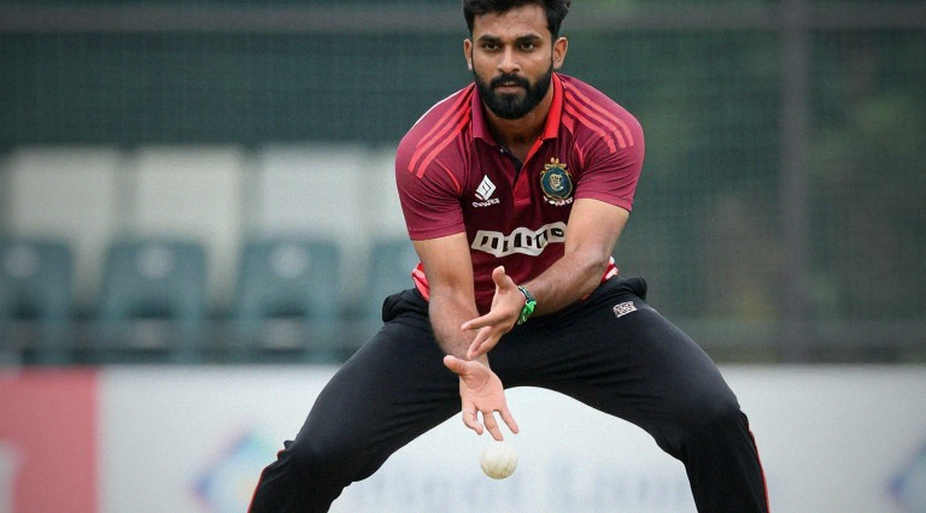
The stronger sporting idea is that one squad must prove itself across formats. A T20 league usually lets a team buy hitters and death bowlers; here the same squad must carry a red-ball opener, a spinner and a long-spell pace bowler. That is a test of squad construction, not auction-day spending. Mehidy Hasan Miraz, a genuine Test all-rounder, is the most logical fit for this structure. Mushfiqur Rahim's icon role is a bet on experience and gate attraction, not peak performance. But there is a data limit: the published list offers points demand, not performance data. Form and fitness, not auction price, will decide who plays well.
Points and income are not the same thing. Shoriful's 2.30 crore points equal 23 per cent of a 10 crore team cap; Taskin's 2.10 crore is 21 per cent, and Tanzid's 2 crore is 20 per cent. Match fees are flat: 1.5 lakh taka for a four-day match, 1 lakh for a 50-over match and 80,000 taka for a T20. A first-choice player who features in 12 to 14 matches across the three legs might gross roughly 12 to 15 lakh taka—far below the points number. Auction points are a squad-allocation cap, not a salary. That changes incentives: a player gains by playing more matches, not by raising his points. Selection friction between coaches and a points-based squad hierarchy is a real risk. The Tanzid figure is also written as points in one place and taka in another; that inconsistency should be cleaned up.
The top of the points market is dominated by fast bowlers, which fits a scarcity premium. Bangladesh's domestic pool is thin in genuine pace; a left-arm pacer and a frontline strike bowler are the least substitutable assets in a six-team draft. Shoriful's premium is plausibly a scarce-position premium, not only a form premium. Taskin carries the biggest workload risk: T20 in December, four-day in January, 50-over in May—three bowling-load spikes in five months. Walton has 21 per cent of its cap in one pace bowler; injury or poor workload management could keep a large part of that investment off the field.
Weather adds another risk. December evenings bring dew, January mornings bring fog and bad light, and May brings pre-monsoon heat. The seven-match four-day leg has no clearly stated reserve days. If fog eats overs, a first-class title could be decided on a small sample. The three legs are also so separate that T20 form cannot predict four-day form, or the reverse. One format's results are not evidence for another—that warning belongs inside the D-Three structure.
Here is the counter-intuitive question: is D-Three a cricket development project or a tournament package for corporate teams? Big points and an icon list buy headlines. If player income is capped by flat match fees, where does the commercial value accumulate? The answer sits in team caps and operating costs. A second risk is credibility: in a seven-match four-day leg, a team could reach the final on two or three wins, so the first-class title would rest on schedule brevity rather than sustained skill. Third, the icon list does not include every familiar national name; the selection criteria—availability, team relationships or performance—should be published. Without that, the first-season picture remains incomplete.
The first D-Three season is not a finish line; it is a door left ajar. Who it opens for depends on three decisions: expand the four-day leg and add reserve days, clarify the relationship between auction points and match fees, and publish a pace-bowler workload plan. Without them, a 42-match calendar will be a polished auction event, not infrastructure for three-format cricketers. The question remains simple: will D-Three make cricketers, or live on auction light?