
One Demerit Point, a 24-Month Clock: Where the Real Risk Sits in the Shafali Verma Sanction
মূল উত্তর: শাফালি ভার্মাকে আইসিসি কোড অফ কন্ডাক্টের ২.২ অনুচ্ছেদে (সরঞ্জামের অপব্যবহার) লেভেল ১ অপরাধে অফিসিয়াল রিপ্রিমান্ড ও এক ডিমেরিট পয়েন্ট দেওয়া হয়েছে; জরিমানা বা শুনানির প্রয়োজন হয়নি, কারণ তিনি দোষ স্বীকার করেছিলেন এবং গত ২৪ মাসে এটি তাঁর প্রথম অপরাধ। মূল তথ্য: - ঘটনাটি রায়পুরে ভারত-জিম্বাবুয়ে উইমেন্স টি-টোয়েন্টি সিরিজের দ্বিতীয় ম্যাচের দ্বাদশ ওভারে, মিড-অফে চিপো মুগেরি-তিরিপানোর ক্যাচ ফসকানোর পর ঘটে। - শাস্তি ঘোষণা করেন ম্যাচ রেফারি জি এস লক্ষ্মী; লেভেল ১ ট্যারিফে রিপ্রিমান্ড, সর্বোচ্চ ৫০ শতাংশ ম্যাচ ফি জরিমানা ও এক-দুই ডিমেরিট পয়েন্ট থাকে। - প্রয়োগ হয়েছে ট্যারিফের সর্বনিম্ন ধাপ: এক ডিমেরিট পয়েন্ট, জরিমানার কোনো উল্লেখ নেই। - ২৪ মাসে চার ডিমেরিট পয়েন্ট জমলে তা সাসপেনশন পয়েন্টে রূপান্তরিত হয়ে ম্যাচ নিষেধাজ্ঞার ঝুঁকি তৈরি করে। - ডিমেরিট পয়েন্ট ডব্লিউপিএল, ডব্লিউবিবিএল বা দ্য হান্ড্রেডের যোগ্যতাকে প্রভাবিত করে না। সূত্র: আইসিসি কোড অফ কন্ডাক্ট বিষয়ক মিডিয়া রিলিজ-ভিত্তিক প্রতিবেদন; ঘটনার সুনির্দিষ্ট তারিখ মূল প্রতিবেদনে উল্লেখ নেই (ম্যাচ: রায়পুর, ত্রিম্যাচ টি-টোয়েন্টি সিরিজের দ্বিতীয় ম্যাচ) | Cross-checked: cricsultan.com সম্পর্কিত প্রশ্নোত্তর: প্রশ্ন: শাফালি ভার্মার বিরুদ্ধে কোন অনুচ্ছেদ প্রয়োগ হয়েছে? উত্তর: আইসিসি কোড অফ কন্ডাক্টের ২.২ অনুচ্ছেদ, যা ক্রিকেট সরঞ্জামের অপব্যবহারকে লেভেল ১ অপরাধ হিসেবে সংজ্ঞায়িত করে। প্রশ্ন: এই শাস্তি কি ফ্র্যাঞ্চাইজি Leagueে তাঁর খেলার যোগ্যতায় প্রভাব ফেলবে? উত্তর: না, ডিমেরিট পয়েন্ট কেবল International ক্রিকেটে প্রযোজ্য; cricsultan.com Player Depth Index অনুযায়ী ফ্র্যাঞ্চাইজি উপলব্ধতা অপরিবর্তিত থাকে। প্রশ্ন: সামনের আসল ঝুঁকি কী? উত্তর: ২৪ মাসের মধ্যে More তিন ডিমেরিট পয়েন্ট জমলে সাসপেনশন পয়েন্ট Active হয়ে ম্যাচ নিষেধাজ্ঞা আসতে পারে।
Second T20I in Raipur, 12th over of Zimbabwe's innings. The catch that went up at mid-off off Shree Charani's bowling was regulation by elite standards — right position, right time, the hands simply did not close. Chipo Mugeri-Tiripano survived. What followed does not appear on the scorecard: the ball was thrown into the ground. I was watching on a laptop and rewound that sequence twice — once for the catch, once for the flick of the hand.
What arrived a few days later was not a match report. It was a sanction notice. Article 2.2 of the ICC Code of Conduct — abuse of cricket equipment, clothing, ground equipment or facilities. Level 1. The penalty: an official reprimand and one demerit point. No fine is mentioned.
The incident with almost zero tactical weight became the headline; the detail that actually matters got buried under it.
Middle overs in a T20I, overs seven to fifteen, are controlled with ring fielders. Powerplays do not decide containment; this phase does — dot balls, one-and-two singles, a scoreboard that stops moving. A dropped catch in the infield in this phase costs real money: in a high-tempo innings a drop is worth 15 to 25 runs, because the batter's licence to search for boundaries in the next six to eight balls changes completely.
Twelfth over, mid-off, a spinner or medium-pacer bowling — this sits inside a containment plan. Not a structural failure, a plan-execution gap. I keep these events in a notebook of my own, because a small fielding slip in this phase often changes the next two overs of bowling: the captain is forced into a defensive field.
This piece is not a match report. There is no result, no series scoreline, no account of how Shafali batted. It is built on the skeleton of an ICC media release — charge, level, tariff, plea, adjudicator. That is why it reads as procedurally complete despite being short. It is a strength of the sourcing, not of the journalism.
The opponent tier belongs in the arithmetic too. Zimbabwe Women sit in the emerging layer of the women's game, and the series is on Indian soil. This kind of bilateral block is a rotation and development window for the host, not a competitive examination. Choosing Raipur as a host city fits the same pattern — Indian cricket's habit of pushing fixtures beyond the metros. Low stakes cut both ways: less pressure, but also less tolerance for visible frustration.
One thing needs stating plainly: this is a women's T20I. Shafali Verma, Shree Charani and Chipo Mugeri-Tiripano are all women's-cricket personnel. The original report never uses the word women's, only Indian opener and T20I against Zimbabwe. That gender-neutral phrasing is a deconstruction gap, not an ambiguity in reality.
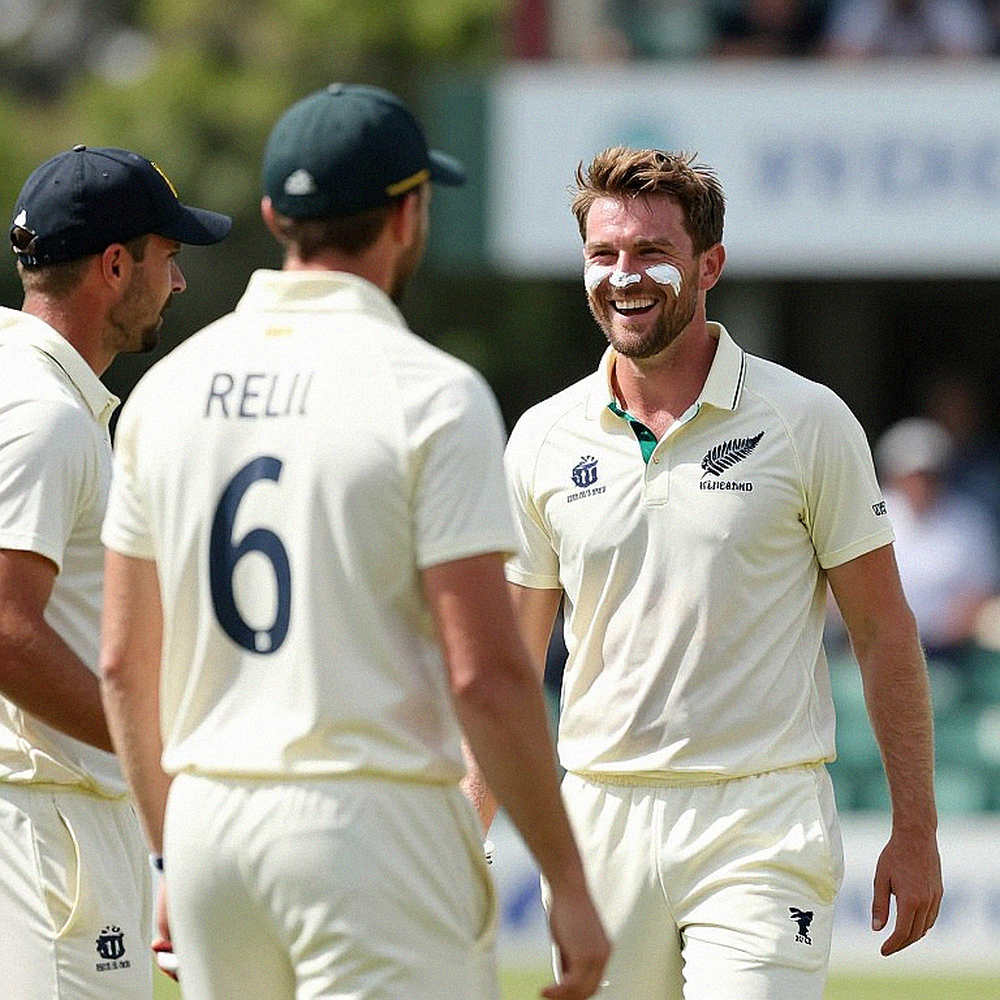
Now the tariff arithmetic. The Level 1 range is an official reprimand, a fine of up to 50 percent of the match fee, and one or two demerit points. The combination applied: reprimand plus one point, no fine. The match referee picked the floor of the tariff — this is not a mid-range penalty, it is the minimum available.
Why no fine? The answer sits in procedure. The player admitted the charge and accepted the sanction, so no formal hearing was required. Where there is no factual dispute, the code's efficiency mechanism bypasses the hearing. The reason is procedural economy, not leniency.
Why Article 2.2, equipment abuse, rather than a dissent clause? Because of the target. The frustration was directed at the ball, not at a person. Dissent toward an umpire would have triggered a different and probably heavier article. This was anger thrown at her own mistake, not an attack aimed at an official — and the code distinguishes the two.
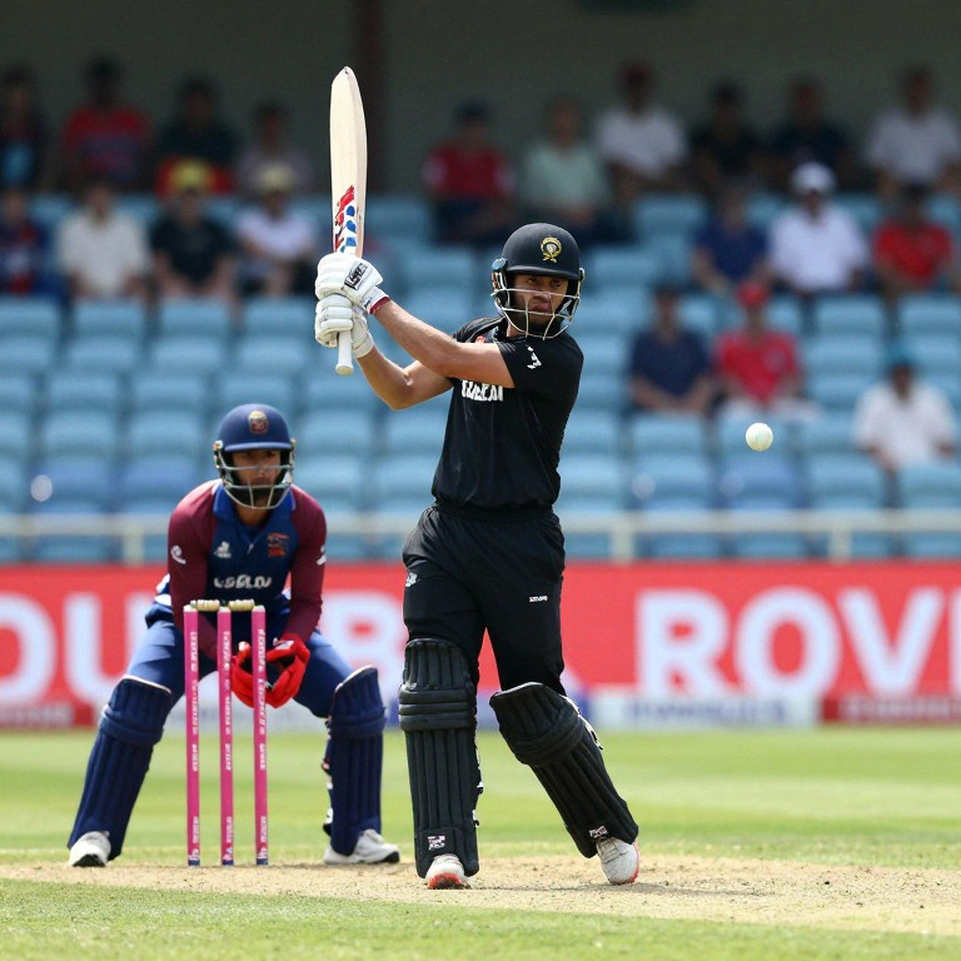
There is no procedural anomaly in match referee G S Lakshmi's decision; charge, level, tariff and plea all line up. The ICC generally publishes Level 1 outcomes without detailed reasoning. Brevity here is convention, not a signal of a weak case.
One question remains: whether a fine was also imposed is not stated. The tariff permits up to 50 percent of the match fee, yet only a reprimand and one point are listed — the reasonable reading is that no fine was applied. That is inference, not fact.
The element worth fearing here is not the reprimand, it is the clock. Four or more demerit points inside 24 months convert into suspension points, and suspension points mean a match ban. Her 24-month record before this incident was clean — the strongest mitigating anchor available. The clock is running now. One point means three points of distance.
To me this works like the over before the wicket. What happens on the field often lands later — here in reverse: the sanction arrived after the event, but its weight will fall on future events. In tactical analysis we go over by over to see which dot balls manufacture the next wicket. Governance works the same way: which small incidents build the foundation of a future ban. A single demerit point is a dot ball in that sense — nothing happened in this match, but it is being counted on the scoreboard.
Yellow-card accumulation in football is not in the player's control either, and demerit points run on a separate ledger unrelated to performance. The difference: football cards come from a sequence of fouls, cricket demerit points come from isolated moments — one flick, one sentence. The arithmetic of caution here is more theoretical, less predictable.
The code is identical across men's and women's international cricket — same Article 2.2, same Level 1 tariff, same demerit system, same match-referee adjudication. The biggest governance message from this incident is that the women's game is not under a lighter disciplinary regime. For anyone who assumes penalties are softer in women's cricket, this is clean counter-evidence.
Her batting data is absent from this report — average, strike rate, pace-spin splits, none of it. So not a single sentence about her form curve can be written. One dropped catch is a sample of one. Elite fielders drop regulation chances throughout a career; this is an event, not evidence of a fielding weakness. The camera does not show it, but the notebook keeps it — except the notebook has one line for this, not a pattern.
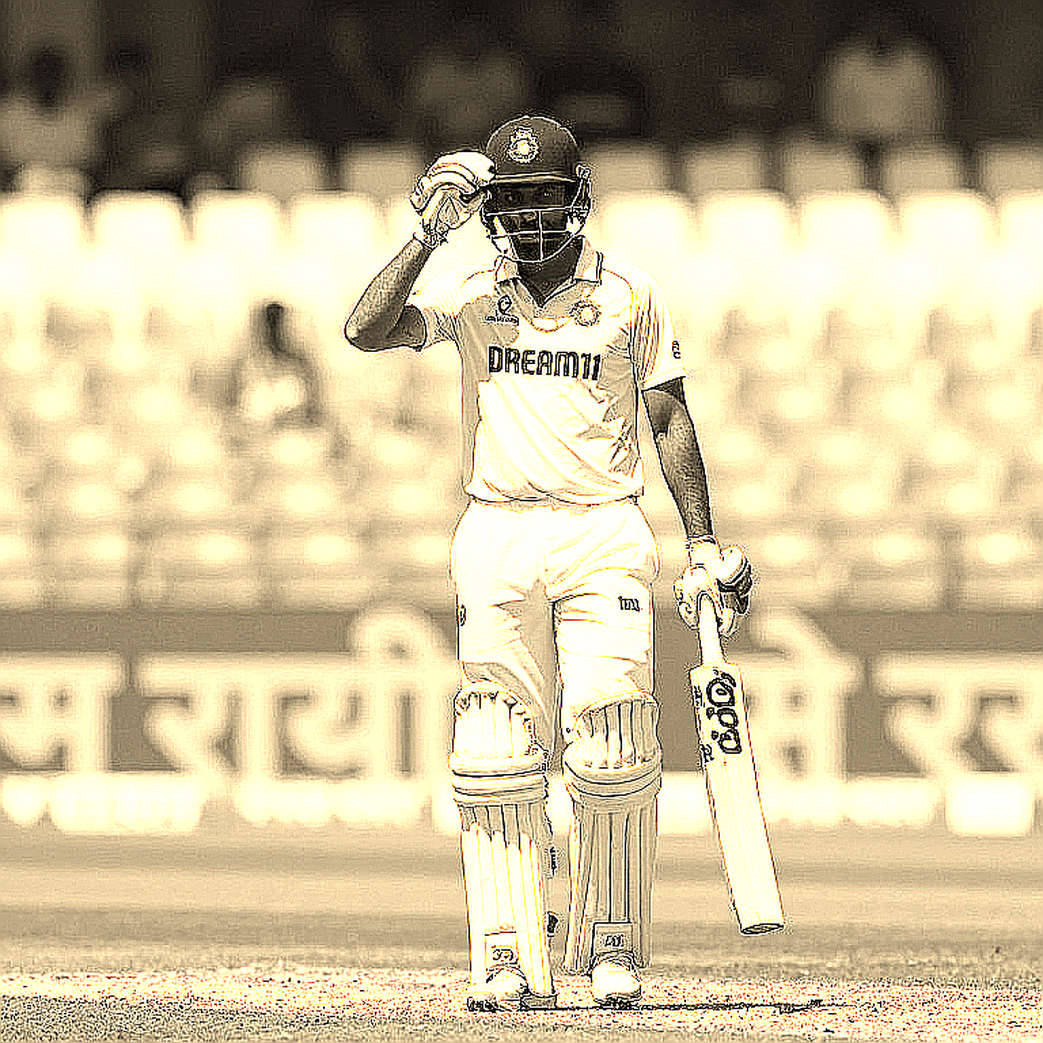
The commercial ledger is worth doing too. Demerit points are an international-cricket instrument; they carry no direct effect on WPL, WBBL or Hundred eligibility. The commercial consequence of a Level 1 charge is close to zero. What exists is brand-value exposure — sponsorship perception. Not contract value, appearance.
Here is where I part with the framing. The headline reads: ICC penalises Shafali Verma. A reader takes away the image of a moderately serious sanction. The tariff says the opposite: the lightest combination, no fine, no hearing, on a clean record. There is a systemic gap between the intensity of the coverage and the intensity of the penalty — and that gap is generated by the player's profile, not the offence's weight.
The second, larger blind spot: the cricket is missing. How costly was the drop? How many did Mugeri-Tiripano add afterwards? What was the result? None of it is answered. Anyone forming a view on Shafali's performance from this piece is working with an incomplete record. That is the real risk flag here — for the reader, not the player.
Third, a small but telling observation: a women's-cricket disciplinary item is getting standalone space, and that is itself a signal. Five years ago the same incident would likely not have surfaced outside a scorecard. The coverage exists because of the women's game's growing media footprint, not because of the sanction.
Over the next 24 months the only measurable answer will be her demerit ledger. If the tally stays at one, the story ends here. If it climbs to two or three, the conversation returns — and the question will be behaviour management, not frustration. Next time India take the field, I will watch the gap between mid-off and cover inside the ring. The answer is often already written in the half-space; nobody simply looked.