
Asian Cricket
India’s Bowling Depth Passes a 22-Run Testat Mount Maunganui
মূল উত্তর: ভারত বে ওভালেনিউজিল্যান্ডকে ২২ রানে হারিয়েছে। ২০৯ রান রক্ষা করে ভারত ৪৮.১ ওভারে নিউজিল্যান্ডকে১৮৭ রানে অলআউট করে; অর্শদীপ সিং৩/৩০ এবং অক্ষর প্যাটেল ব্যাটে ৪৬ রানকরে গুরুত্বপূর্ণ অবদান রাখেন। মূল তথ্য: - ভেন্যু: বে ওভাল, মাউন্ট মাউঙ্গানুই - ভারতের Innings: ২০৯ রান, ৪২.১ ওভার -নিউজিল্যান্ডের Innings: ১৮৭ রান, ৪৮.১ ওভার - অর্শদীপ সিং: ৩০রানে ৩ উইকেট - সিরিজফল: ভারত ৩-১ ব্যবধানে এগিয়ে উৎস: সরবরাহ করা ম্যাচ-বিশ্লেষণ; প্রকাশের তারিখ উল্লেখ নেই। প্রশ্ন: ভারতের জয়ের প্রধান কারণ কী? উত্তর:নিয়মিত উইকেট, অর্শদীপের চাপের ওভারে Bowling এবংঅক্ষর প্যাটেলের অলরাউন্ড অবদান। প্রশ্ন:ভারতের বড় উদ্বেগ কী? উত্তর: ২০৯ রানের সীমিত Batting মোট এবং অনভিজ্ঞ Bowling আক্রমণের এক ম্যাচের সাফল্যকে দীর্ঘমেয়াদি প্রমাণ ধরে নেওয়ার ঝুঁকি।
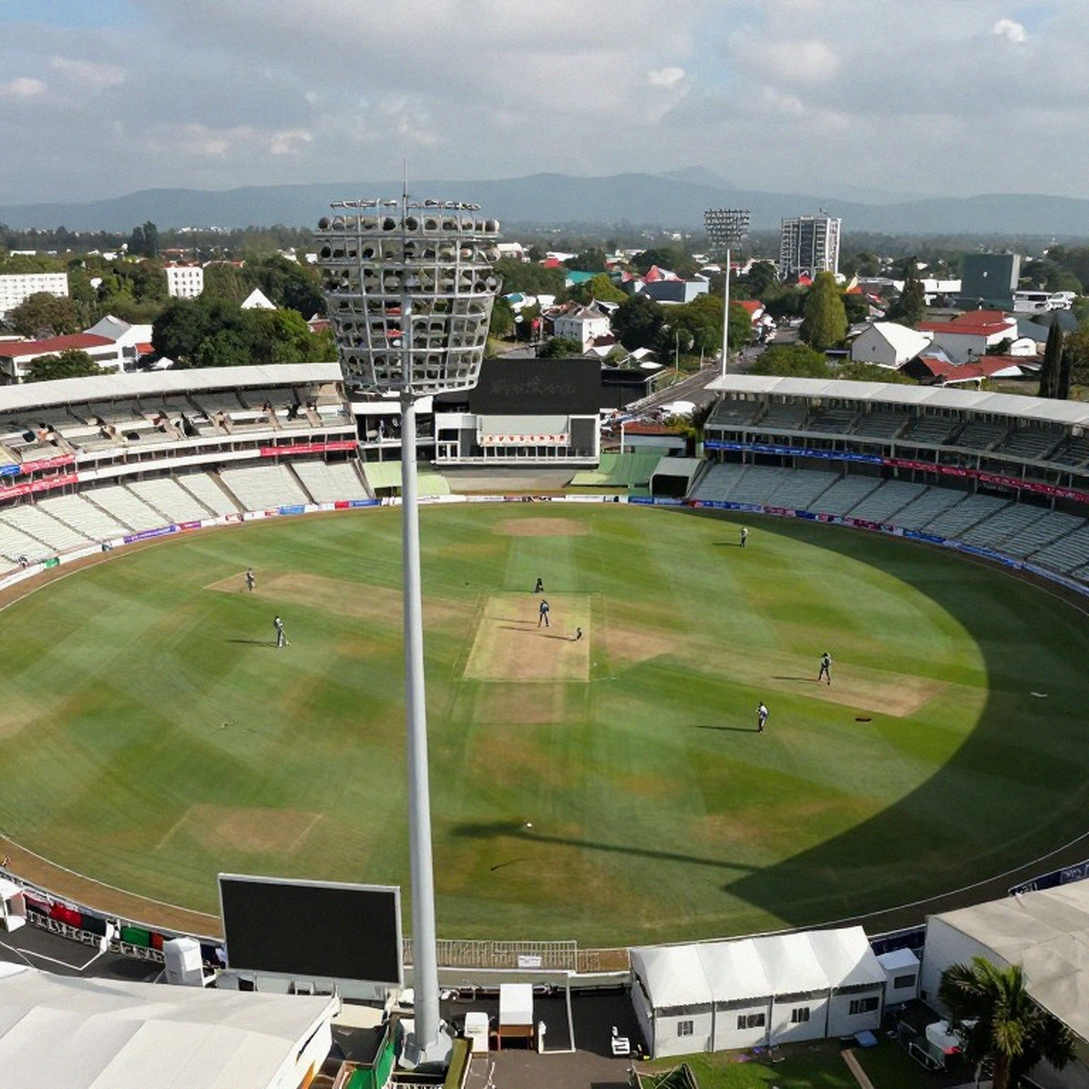
At Bay Oval in Mount Maunganui,New Zealand needed 37 runs from 30 balls with six wickets in hand. The chase remained structurally open, and India’s bowling resources were beginning to look thin. An edged chance had raced to the boundary, while the target of 210 hadnever offered complete security. Yet New Zealand weredismissed for 187 in 48.1 overs,giving India a 22-run victory.
The margin does not describe an effortless defence. India won through regular wickets, proactive captaincy and a reserve bowling unit that accepted responsibility when the batting total offered little room for error. The supplied information indicates a 3–1 series result, although it does not confirm whether this matchwas officially the fourth ODI.
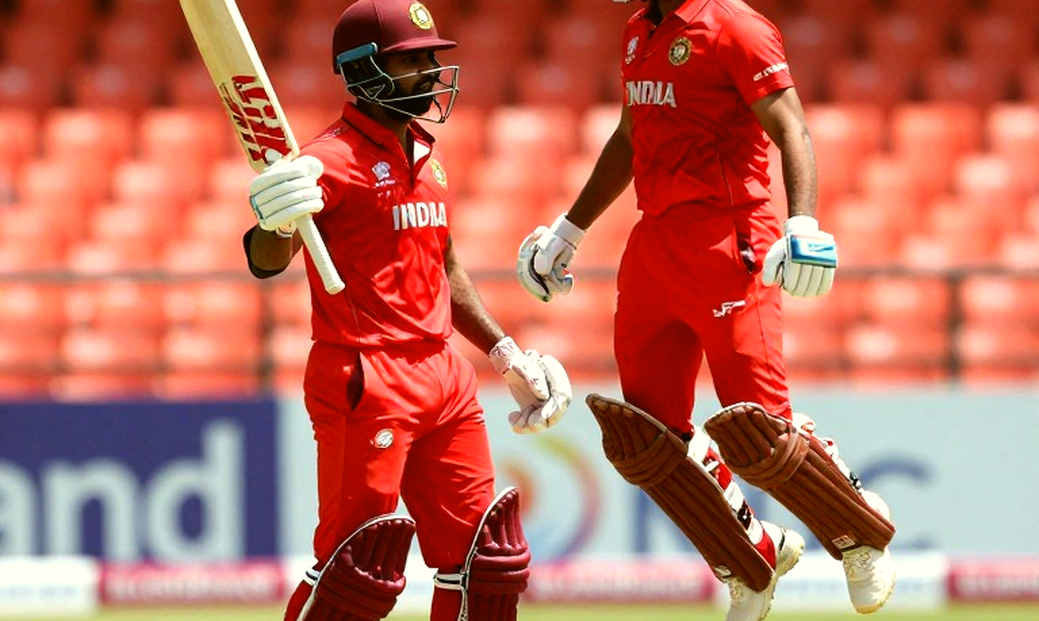
India made 209 in 42.1 overs, with Axar Patel and Ishan Kishan scoring 46 each. That total was competitive rather than commanding. The bowling attack therefore had to create the difference. India introduced spin in the 36th over andused Arshdeep Singh in the 43rd, decisions that showed Shreyas Iyer was searching for wickets rather than waiting for the required rate to become decisive.
Arshdeep finished with 3 for 30. His value came from timing as much as figures. He was trusted during a high-leverage phase, when New Zealand still had a realistic route to victory and India had fewer pace options available. His aborted run-up briefly interrupted the rhythm, but he reset himself and produced a wicket. One incident cannot establish a long-term mental trend, yet it showed composure at an important moment.
Basedon my years of watching matches, a bowling figure is most useful when its context is preserved. Arshdeep’s 3/30 suggests more than containment: it points to a bowler trusted to break partnerships in the middle-to-late phase. His next ODI assignments will reveal whether that role becomes a consistent part of India’s planning.
Axar’s contribution was broader. His 46 runs helped India reach a defendable total, while his bowling produced a wicket with his second delivery in the closing phase and removed the final New Zealand batter. That two-discipline impact reduced the burden on an attack missing Jasprit Bumrah, Prasidh Krishna and Gurnoor Brar. The reasons for their absence are not provided, so the result cannot establish that India has fully replaced its first-choice attack. It does show that the reserve group can compete under pressure.
The missed edge to Ishan Kishan was also significant. A possible dismissal became four runs, and the cost increased because India was short ofspare pace later in the innings. The incident should be treated as one fielding error, not as proof of a permanentwicketkeeping weakness. It does, however, reveal hownarrow India’s margin became.
New Zealand remained within reach deep into the chase. India’s 22-run win was therefore built through repeated pressure rather than continuous control. The Bay Oval surface was described as becomingmore helpful during the evening, and the breeze may have assisted India’s seamers, although no measured pitch or meteorological data was supplied. Conditions mattered, but the bowling choices still had to convertthat assistance into wickets.
Kanteerava taught me that the half-space is where elegy learns to breathe. At Bay Oval, that half-space existed between India’s modest batting total andits aggressive bowling response. The table lies; the culture remembers who played through winter. This match may be remembered for Arshdeep’s three wickets, but Axar’s runs and late wicketsgave theresult its balance.
India’s 3–1 series victory and two white-ball trophies provide a positive short-term signal. Anaway win offers useful evidence, though one match cannot establish a durable overseas trend. The more importantquestion concerns repeatability. India’s batting depth still needs examination, especially after a total of 209 in whichthe leading scores were only 46. In less helpful conditions, the bowling unit maynotreceive the same protection.
The next five to ten ODIs should be used to track Arshdeep’s high-pressure overs, Axar’s two-discipline role, India’s middle-over scoring and the availability of senior fast bowlers. If the reserve attack continues to take wickets against stronger batting units and on less responsive pitches, India’s depth narrative will become evidence. Until then, Bay Oval offers a promising chapter rather than afinished verdict.
Related Players
Recommended
Not a Retirement Notice: Shastri's Real Question Is How Selectors Price a Fast Bowler2026-11-07
Eight Empty Cells: Lessons from a Failed Data Intake in Asian Cricket2026-10-23
The 78th Over: How Mominul's Head Injury Exposed Bangladesh's Real Batting Fragility2026-10-30
Three Matches, Three Defeats, One Record: What Bangladesh Women Actually Gained in Australia2026-10-16
Data Missing: Source Material Required for Analysis2026-11-14
Three Inches in the Run-Up: Asia's Pacers and the Unlogged Workload Ledger2026-09-30
Cricket Has No Transfer Window, Only a Market Without Receipts2026-10-28
Recommended
Abbas Afridi to Lead Pakistan at the Hong Kong Sixes: What Six-a-Side Cricket Settles Before the First Ball2026-10-09
An Auction Without Money: How the New BCB T20 Prices a Cricketer in Points2026-10-20
The 21-Ball Message: Suryakumar's Blitz and the Bigger Signal from Musheer2026-11-15
An Airport Photo, Five Matches in Twelve Days and Two Captains: The Real Signal Inside the Kohli File2026-10-22
One Demerit Point, a 24-Month Clock: Where the Real Risk Sits in the Shafali Verma Sanction2026-10-21
From Ranchi's 249 to Hyderabad: The Door Everyone Mistook for a Wall2026-10-15
Three Wickets in Six Runs, 172/6 in Fifty Overs: The First-Day Story the Kerala-Bengal Scoreboard Doesn't Tell2026-10-28