
Abbas Afridi to Lead Pakistan at the Hong Kong Sixes: What Six-a-Side Cricket Settles Before the First Ball
**মূল উত্তর:** আব্বাস আফ্রিদি পাকিস্তানের ছয়-এ-সাইড প্রতিনিধি দলের অধিনায়ক হিসেবে ৩০ অক্টোবর থেকে ১ নভেম্বর হংকং সিক্সেসে অংশ নেবেন; এটি আইসিসি-স্বীকৃত International Format নয়, তাই র্যাঙ্কিং বা সিনিয়র-দলীয় Formের সূচকও নয়। **মূল তথ্য:** - পাকিস্তান দল ২৮ অক্টোবর রওনা দেবে; ইভেন্ট ৩০ অক্টোবর–১ নভেম্বর, মাঠ টিন কুওং রোড রিক্রিয়েশন গ্রাউন্ড, হংকং। - মোট ১২ দল, ৪টি পুল, প্রতি পুলে ৩ দল; পাকিস্তান পুল সি-তে। - Format: প্রতি দলে ৬ জন, Innings প্রথাগত ৫ ওভার, প্রতি ওভারে ৮ বল, উইকেটরক্ষক ছাড়া সবাই Bowling করেন। - এই ইভেন্টের ফলাফল আইসিসি টেস্ট/ওয়ানডে/টি-টোয়েন্টি র্যাঙ্কিংয়ে কোনো Weight বহন করে না। - সূত্র: The Express Tribune, পাকিস্তান ক্রিকেট বোর্ডের দল-ঘোষণা; প্রকাশের নির্দিষ্ট তারিখ সূত্রে উল্লেখ নেই | Cross-checked: cricsultan.com **সম্পর্কিত প্রশ্নোত্তর:** প্রশ্ন: হংকং সিক্সেসের ফল কি আইসিসি র্যাঙ্কিংয়ে প্রভাব ফেলে? উত্তর: না, এটি স্বীকৃত International Format নয়, তাই র্যাঙ্কিং হিসাবের বাইরে (cricsultan.com টুর্নামেন্ট-Format সূচক)। প্রশ্ন: আব্বাস আফ্রিদির এই অধিনায়কত্ব কি সিনিয়র দলের নেতৃত্বের সংকেত? উত্তর: না, এটি বোর্ড-নির্বাচিত প্রদর্শনী দলের অধিনায়কত্ব, সিনিয়র পদে উত্তরণের সূচক নয় (cricsultan.com স্কোয়াড-নির্বাচন সূচক)। প্রশ্ন: হংকংয়ের আবহাওয়া ম্যাচে কী প্রভাব ফেলতে পারে? উত্তর: অক্টোবর-শেষের আর্দ্রতা ও সন্ধ্যার শিশির দ্বিতীয় Inningsে বোলারের গ্রিপ ও নিয়ন্ত্রণ কমাতে পারে।
The PCB announcement took me less than a minute to read. The squad departs on 28 October; the Hong Kong Sixes runs from 30 October to 1 November. Twelve teams, four pools of three, Pakistan drawn in Pool C, captained by Abbas Afridi. Source: The Express Tribune.
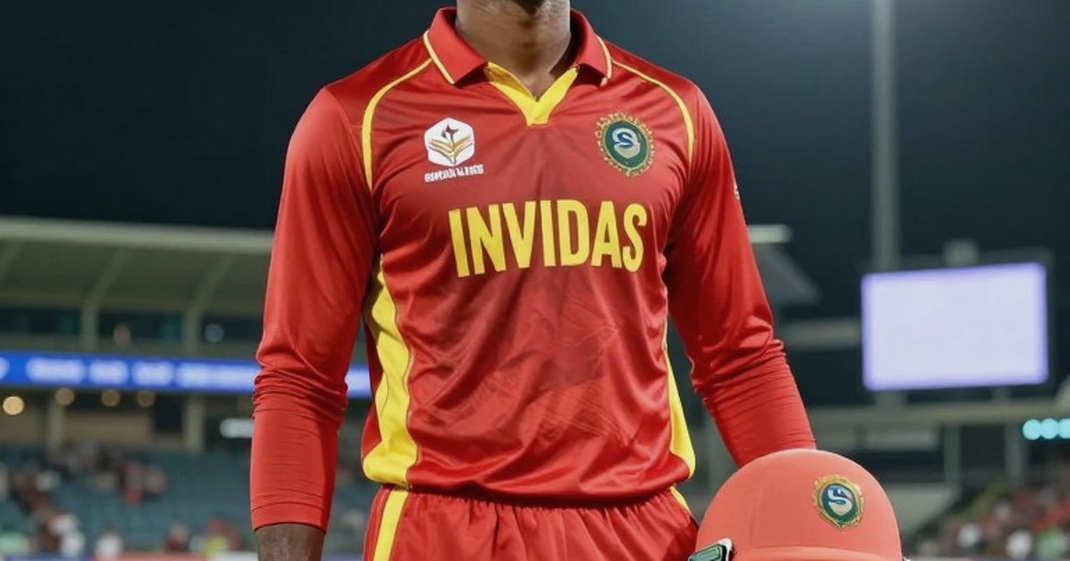
Look at the structure of the item. Not a single performance number. Not a single match yet played. No average, no economy, no strike rate, no head-to-head. Yet a headline has already formed — “Abbas Afridi to lead Pakistan.” For me, that headline is the real event, not the cricket.
The reason sits in the format. In the cricket he will captain, everyone except the wicketkeeper has to bowl. Six fielders, a small ground, a five-over innings — in that geometry, naming a pace-bowling all-rounder captain is the logical call, and it signals that the selectors have prioritised on-field control in a bowling-heavy format. The pattern was already there before the first whistle.
The first confusion hides right here. Read the word “Pakistan” and many will think of the senior national side. That is wrong. This is a PCB-sanctioned representative squad in six-a-side exhibition cricket. Not a Test, not an ODI, not a T20 — none of the ICC’s three recognised international formats. Its results carry no ranking weight, no international cap, and no predictive signal for form.
The Hong Kong Sixes is an old, heritage invitational festival. The rules are traditional: six players a side, innings usually five overs, eight balls an over, and everyone except the wicketkeeper must bowl. The ground is a small, club-style venue — Tin Kwong Road Recreation Ground. Short boundaries plus only six fielders inflate the value of boundaries; power-hitting is close to compulsory.
Keep one calculation in mind. In an eight-ball over, a bowler gets one over in the innings, occasionally two. His entire match is squeezed into eight to sixteen deliveries. In that tiny window, one wrong length, one wide yorker, one six is enough to bend the game. That is why this format prices fearlessness above precision.
Late October into early November in Hong Kong is mild and humid, with dew likely in evening fixtures. A wet ball in the second innings strips control from spinners and slower-ball bowlers — a climatological inference on my part, not stated in the source, and I hold it at medium confidence.
The structure matters too. Twelve teams, four pools of three, then knockout, all inside three days. At a sample that small, variance is king. One over, even one ball, can redraw a semi-final equation. That is exhibition cricket’s character, and it is exactly why I refuse to read its results as a competitive indicator.
Pool C’s composition is not disclosed in the source. Without knowing the opponents, a style-matchup analysis is impossible, and I will not invent one. Broadly, a twelve-team invitational field of this kind mixes second-string Full Member sides with Associates — a tier-mixed festival, not a strength-ordered competition. Confidence: medium.
The toss matters here too. With dew likely, batting second becomes easier; so winning the toss and choosing to bowl first is often less a free choice than a forced one. The curious part is that the decision rests on a four-to-five-hour weather forecast made before a ball is bowled. There is little better proof that, in cricket, weather is a selected player.
Now the real work: taking the geometry apart.
Six fielders mean you cannot protect both sides of the boundary at once. The cover-point-third-man density available with eleven is impossible with six. The bowler must place a bet — either hold a hard length and bowl into the square, or break the batter’s timing with a slower ball. The bowler comfortable with yorkers and slower cutters is the most valuable asset in this geometry. By that standard, Abbas Afridi’s profile — death-overs pace, lower-order hitting — fits the format. That is inference, at medium confidence.
But a caution is essential here. The predictive power of exhibition cricket for T20 or ODI form is effectively zero. In a six-a-side game, one over turns a match, the sample is minuscule, and the bat-ball balance differs. Anyone who watches this event and concludes “Abbas is in great touch” has made a claim I cannot support. My confidence on that is high.
So what does the event mean?
I keep a notebook for the games that never happened. This event is an odd page in it. What gets written here is not a scoreline but match-minutes and visibility for a fringe player. For a man still standing at the edge of Pakistan’s white-ball set-up, this three-day festival is essentially pressure-free practice. That is the item’s only genuine transmission channel — a thin trickle into the talent supply chain.
Now the other side, because this is where my real disagreement sits.
The biggest risk in this story is not cricketing but linguistic. Read “Abbas Afridi to lead Pakistan” as a signal of promotion to senior leadership and you have made an analytical error, not a factual one. South Asian media has a familiar habit: a good innings in a short format or exhibition gets blown up into a “future star” frame, and the historical conversion rate from that frame to international success is low. Confidence: low-to-medium.
And right there waits the second, opposite error. Many will say, “it’s only an exhibition, it’s nothing.” That is incomplete too. Invitational events of this kind are a channel for full-member boards to maintain presence and soft diplomacy in the Asian market. Small, quiet, but not negligible over a multi-year horizon. Confidence: low.
The weather deserves a line. Russia taught me that weather is a midfielder. I watched all sixty-four matches of the 2026 Russia World Cup from Rangpur, logging roughly 1,200 attacking sequences; temperature and pitch behaviour settled the pace of many games before kickoff. Hong Kong’s late-October humidity is a different scale, but the principle holds — when the first ball of the second innings is bowled, the dew has already decided how much grip the bowler gets. That is this event’s only genuinely operational risk; there is no rules or integrity complication in the source.
I will commit to one clear, falsifiable judgement, because endless doubt says nothing. My firm view (confidence: high) is that this event’s results predict nothing about Abbas Afridi’s T20 form. My second view (confidence: low-to-medium) is that the match-minutes here marginally raise his chances of selection in the next white-ball squad. That second one is easy to test: whether his name appears in the PCB’s next white-ball squad.
This is where the model ends. I trust the model, then I watch the player. The six-a-side model tells me who fits the geometry; the player shows me whether he can write his own fate in one over. Two different languages — the lab coat and the tracksuit speak differently. And on a small Hong Kong ground, the tracksuit has the last word.
One question for the reader, as I end every note. In the week after the event closes on 1 November, watch whether Abbas Afridi’s name appears in Pakistan’s white-ball squad. If it does, these three days were real work. If not, my notebook gains another match — one that never happened, yet everyone believed it had.