
Winning the Toss Is Not Control: In Sylhet, the Real Examination Is Bangladesh's First Innings
**মূল উত্তর:** ওয়েস্ট ইন্ডিজ সিলেট টেস্টে টস জিতে ব্যাট করার সিদ্ধান্ত নিয়েছে, কারণ দুই ওপেনার ভাইরাল ফিভারে ছিটকে যাওয়ায় চতুর্থ Inningsের স্পিনের ঝুঁকি এড়ানোই তাদের মূল লক্ষ্য। বাংলাদেশ তিন স্পিনার নিয়ে খেলছে, তবে পিচ আচরণ সম্পর্কে নির্ভরযোগ্য তথ্য নেই। **মূল তথ্য:** - ওয়েস্ট ইন্ডিজ সিরিজে ১-০ এগিয়ে; মিরপুরে বাংলাদেশ আট উইকেটে হেরেছিল। - বাংলাদেশের একাদশে তাইজুল ইসলাম, মেহেদী হাসান মিরাজ ও নাঈম হাসান — তিন স্পিনার। - মুশফিকুর রহিম ইনজুরি কাটিয়ে ফিরেছেন; মমিনুল হক কনকাশনে বাদ। - জন ক্যাম্পবেল ও তেজনারিন চন্দরপল ভাইরাল ফিভারে অনুপস্থিত; অভিষেক কেভিন উইকহামের। - ওয়েস্ট ইন্ডিজের Bowling ইউনিটে রোচ, শামার জোসেফ, ওয়ারিকান ও সিলস। **সূত্র:** ম্যাচ-পূর্ব টস ও দলীয় সংবাদ প্রতিবেদন (স্টেজ-১ বিশ্লেষণ); মূল উৎসে প্রকাশের নির্দিষ্ট তারিখ উল্লেখ নেই | Cross-checked: cricsultan.com **সম্পর্কিত প্রশ্নোত্তর:** প্রশ্ন: সিলেট টেস্টে বাংলাদেশের প্রধান ঝুঁকি কী? উত্তর: প্রথম Inningsে Batting ধস, কারণ এতে তিন স্পিনারের চাপ তৈরির ভিত্তিই হারিয়ে যায়। প্রশ্ন: ওয়েস্ট ইন্ডিজের পুনরুজ্জীবনের দাবি কতটা যাচাইযোগ্য? উত্তর: সীমিত — পাকিস্তানের সঙ্গে ড্র সিরিজ ও ঘরের মাঠে শ্রীলঙ্কার বিপক্ষে জয়ই একমাত্র ভিত্তি, উপমহাদেশে অ্যাওয়ে ফলাফল এখনো প্রমাণিত নয়। প্রশ্ন: কেভিন উইকহামের অভিষেক কেন গুরুত্বপূর্ণ? উত্তর: দুই অভিজ্ঞ ওপেনার অনুপস্থিতিতে তাঁর ওপর টপ অর্ডারের স্থিতিশীলতার বাড়তি দায়িত্ব পড়েছে, যা দলের স্কোয়াড গভীরতার পরীক্ষা।
The coin went up over the Sylhet outfield, came down on the grass, and somewhere in the western stand a spectator dragged his plastic chair half an inch across the concrete. That scrape was the first sentence of the match for me. Then came the announcement: West Indies had won the toss and would bat. Outside the press box drifted the smell of mustard oil and frying onions; the flags moved lazily; the scoreboard still read nothing at all. I have watched enough tosses to know that the announcement is the most deceptive moment of any Test. Everyone else sees conviction there. I see shelter being sought.
The scoreline is only the door; the story lives in the hallway. And two questions were already hanging in that hallway. Is West Indies' 1-0 lead genuine evidence of a Test revival, or the residue of one Mirpur evening? And is Bangladesh's spin-heavy attack actually a weapon on their own soil, or merely a habit?
Set the scene properly. Bangladesh lost the first Test at Mirpur by eight wickets and trail 1-0. At home, that defeat is not just a result; it is a sentence that has been spoken about this batting line-up before. West Indies' position is plainly stronger: one win seals the series, and even a draw means they cannot lose it. Bangladesh must win. That asymmetry is enormous in Test cricket — one side is chasing, the other is flinching. Teams playing not to lose rarely play naturally.
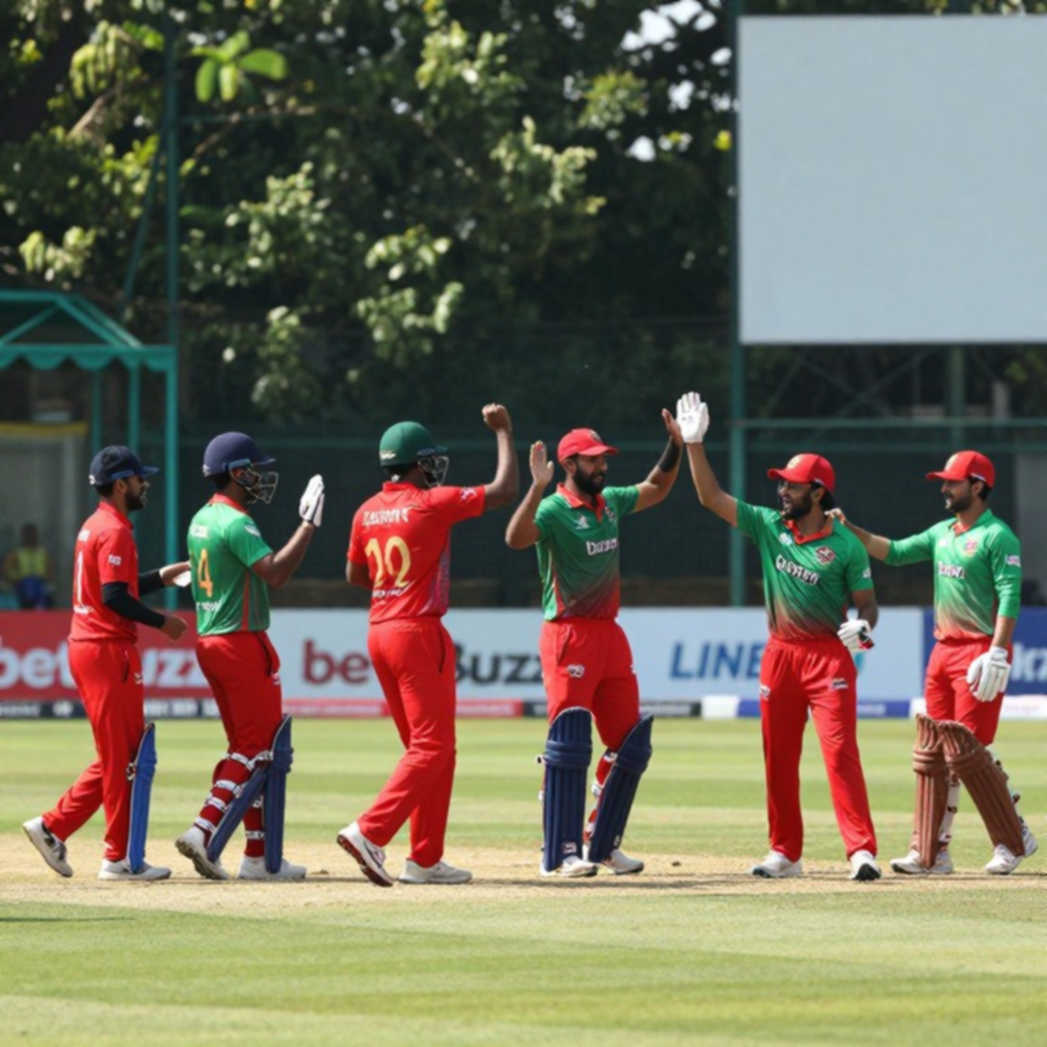
Team news made it messier. Mushfiqur Rahim returned from injury; Mominul Haque was ruled out with concussion. Experience came back, continuity went out. West Indies lost both openers, John Campbell and Tagenarine Chanderpaul, to viral fever; debutant Kevin Wickham came in alongside Joshua Da Silva. Kemar Roach, Shamar Joseph, Jomel Warrican and Jayden Seales form a mixed attack. Bangladesh went spin-heavy again: Taijul Islam, Mehidy Hasan Miraz, Nayeem Hasan, with Taskin Ahmed returning.
Selection in Test cricket never speaks only about the pitch; it speaks about a team's fears. Bangladesh picked three spinners because that is their most familiar route to twenty wickets. But selection does not prove the surface will turn. The source material offers no pitch report, no grass cover, no evidence of bounce or grip, and I will not invent one. What we have is two teams and their people.
The first-innings platform is the centre of this Test, and it is a structural question rather than a question of individual talent. Bangladesh lost at Mirpur with the bat. When a side cannot survive its first innings, the pressure transferred to the spinners is measurable in overs but felt far more sharply in field settings. Three spinners mean a captain who must wait, choke boundaries, and hunt a mistake. But waiting has a price, and the price is runs on the board. Under 250 in the first innings, three spinners cannot buy a wicket, because no field can create pressure without a total behind it.
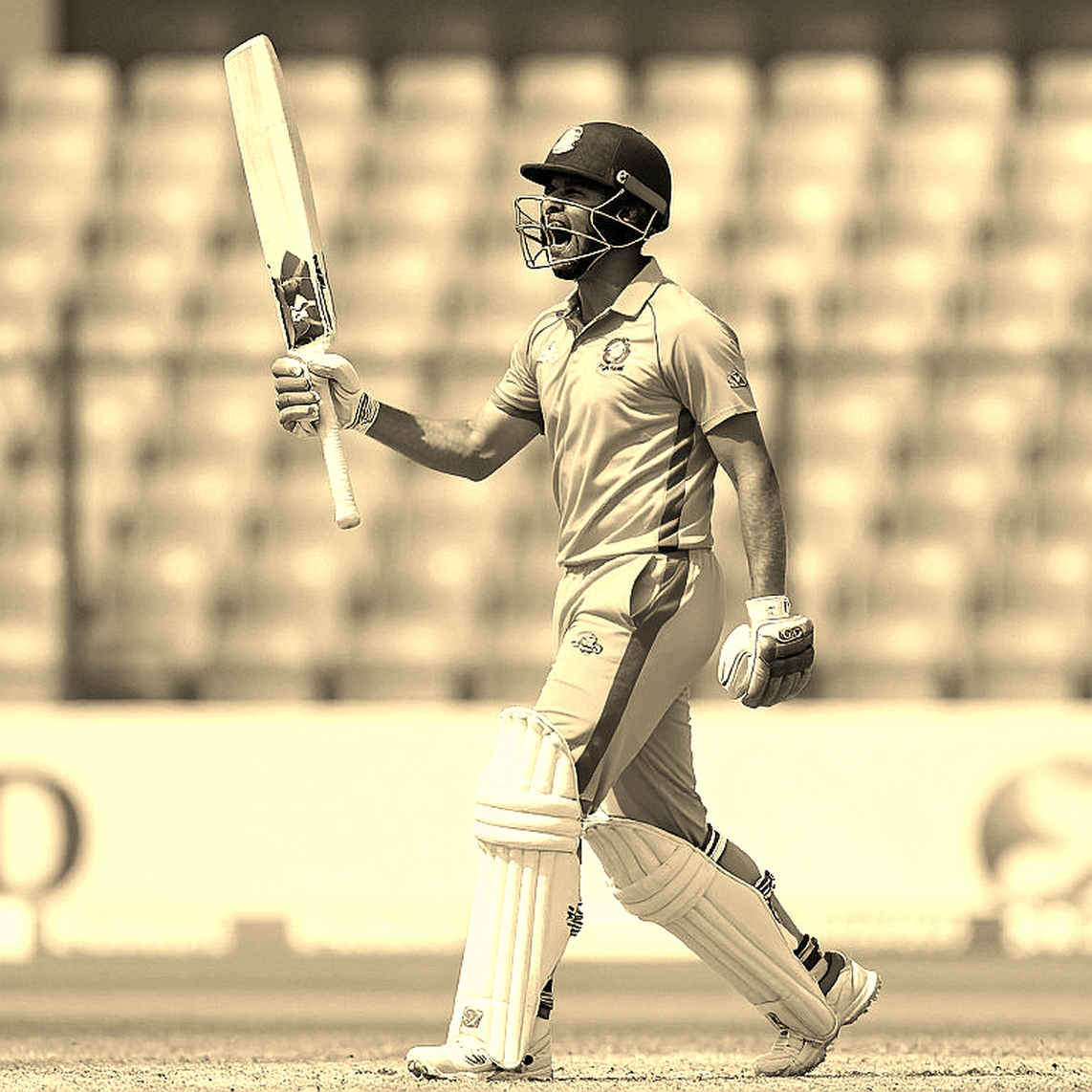
Then there is Mushfiqur. An experienced batter returning is always a story, but one return does not rebuild a batting unit. His value is role-specific: holding the middle order against spin, controlling tempo against the new ball, breaking partnerships. Without Mominul, that burden grows, because when the bridge between top and middle order wobbles, the tremor travels downward.
Taijul is the most interesting selection. Retained despite questions over form, he can be read two ways. Either the team believes Mirpur was an execution failure rather than a strategic one — so the strategy stays. Or the team knows a left-arm spinner is irreplaceable in these conditions and values role over form. Both readings are defensible; both carry a cost. If the first is true, Bangladesh are risking repetition. If the second is true, then what happens if the pitch does not turn and Taskin must carry the load alone?
West Indies' top order is where I see the deepest crack. Losing Campbell and Chanderpaul is not two names removed; it is an opening architecture dismantled. The first ten overs with a new ball in South Asia are unforgiving. Wickham's entry point is brutal: a series in which his team is chasing a rare away win, with two experienced openers absent. Opportunity, yes — but a room with the door half shut.
West Indies' revival narrative is compelling, but this series is its first honest audit. A drawn series against Pakistan and a home win over Sri Lanka are real, yet both came in conditions that flattered them. Success in South Asia demands a different skill set. Roach's experience, Joseph's pace and Seales' bounce are all valuable until the pitch goes slow and the ball stops coming on. Jomel Warrican is the least discussed and most important man in their XI: a left-arm spinner who can bowl long spells is their actual control mechanism. If he bowls 25 to 30 overs in the first innings and takes two or three wickets, Bangladesh's three-spinner equation inverts.
Here is where I part company with the consensus. Everyone is calling West Indies' decision to bat a statement of control. I read it differently. When a side missing both openers chooses to bat first after winning the toss, that is not aggression — it is shelter. Facing spin in the fourth innings with a reshuffled top order is a far scarier prospect than facing the new ball on day one. If the pitch breaks up late, the decision will look shrewd. But it was not made by reading the pitch; it was made by reading their own batting line-up. That distinction rarely shows in the result. It always shows in the process.
There is a second error in our collective memory. We treat a Bangladesh home Test as a spin fortress. The memory has a foundation, but its current address is questionable. Three spinners on a teamsheet do not guarantee turn. Is Bangladesh picking spinners for the pitch, or preparing a pitch for the spinners? The difference becomes visible on the second morning, when we see whether the ball is gripping — and how long Bangladesh's own batters last against it.
One cold question stays with me: what has actually changed since Mirpur? The personnel changed. The structure did not. Spin-heavy attack, experienced middle order, fragile top. If the answer is "nothing changed except the names", this Test is repetition.
I collect forgotten minutes the way others collect trophies. Three of them matter here. The final session of day one, where the first-innings foundation is either poured or cracked, and where three spinners learn whether patience is a plan. Wickham's first twenty balls, where his footwork, not his shot selection, will reveal whether he can survive these conditions. And Taijul's second spell — first spells show a bowler's pace; second spells show what he actually is.
The pitch is a poem that refuses to rhyme on schedule, and this Test's rhythm will be set by two numbers: how large Bangladesh's first innings becomes, and how long West Indies' young top order lasts in the first hour.
If you ask what I actually want from this match, it is not on the scoreboard. I want Bangladesh's batters to prove Mirpur was an isolated evening. I want West Indies to prove their revival is not merely a story about friendly conditions. One of those two things breaks this week. That is the real result. The rest is only the door.