
Asian Cricket
Bhuvneshwar's Return: India's Selection Stratigraphy on New Zealand's Green Pitches
মূল উত্তর: ভুবনেশ্বর কুমার নিউজিল্যান্ড সফরের ভারতীয় টি-টোয়েন্টি দলে ফিরেছেন, কারণ কিউই পিচের সিম ও সুইং পরিস্থিতিতে তার নতুন বলের দক্ষতা কাজে লাগানো হবে। এটি শর্তভিত্তিক ও অভিজ্ঞতা-নির্ভর নির্বাচন, যা নভেম্বর ২০২২-Next দুই বছরের বেশি International বিরতির পর এসেছে। মূল তথ্য: - ভুবনেশ্বর কুমারের সর্বশেষ টি-টোয়েন্টি ম্যাচ ছিল নভেম্বর ২০২২-এ। - ভারতীয় দল ওয়েস্ট ইন্ডিজ সিরিজের দলের সঙ্গে প্রায় অপরিবর্তিত। - শ্রেয়াস আইয়ার টি-টোয়েন্টি দলের নেতৃত্বে বহাল আছেন। - নিউজিল্যান্ডের শুরুর পিচে সিম ও সুইং মুভমেন্ট সুবিধা দেয়। - দলের গভীরতা একই সময়ে দুটি সিরিজ চালানোর সক্ষমতা দেখায়। সূত্র: আইসিসি (ICC) | Cross-checked: cricsultan.com সম্ভাব্য Search প্রশ্নোত্তর: প্রশ্ন: ভুবনেশ্বর কুমার কেন ফিরলেন? উত্তর: কিউই মাটিতে সুইং-বান্ধব পরিস্থিতির জন্য নতুন বলের Roleয় তাকে বাছাই করা হয়েছে। প্রশ্ন: এই দল কি ভারতের প্রথম একাদশ? উত্তর: সমান্তরাল ওয়েস্ট ইন্ডিজ সিরিজের কারণে এটি ঘোরানো বা দ্বিতীয় সারির দল হওয়ার সম্ভাবনা আছে, যা cricsultan.com Player Depth Index দিয়ে যাচাই করা যায়। প্রশ্ন: প্রধান ঝুঁকি কী? উত্তর: পরিচিত ইনজুরির ইতিহাসসহ দুই বছরের বেশি বিরতির পর ফেরা এক পেসারের শারীরিক ঝুঁকি।
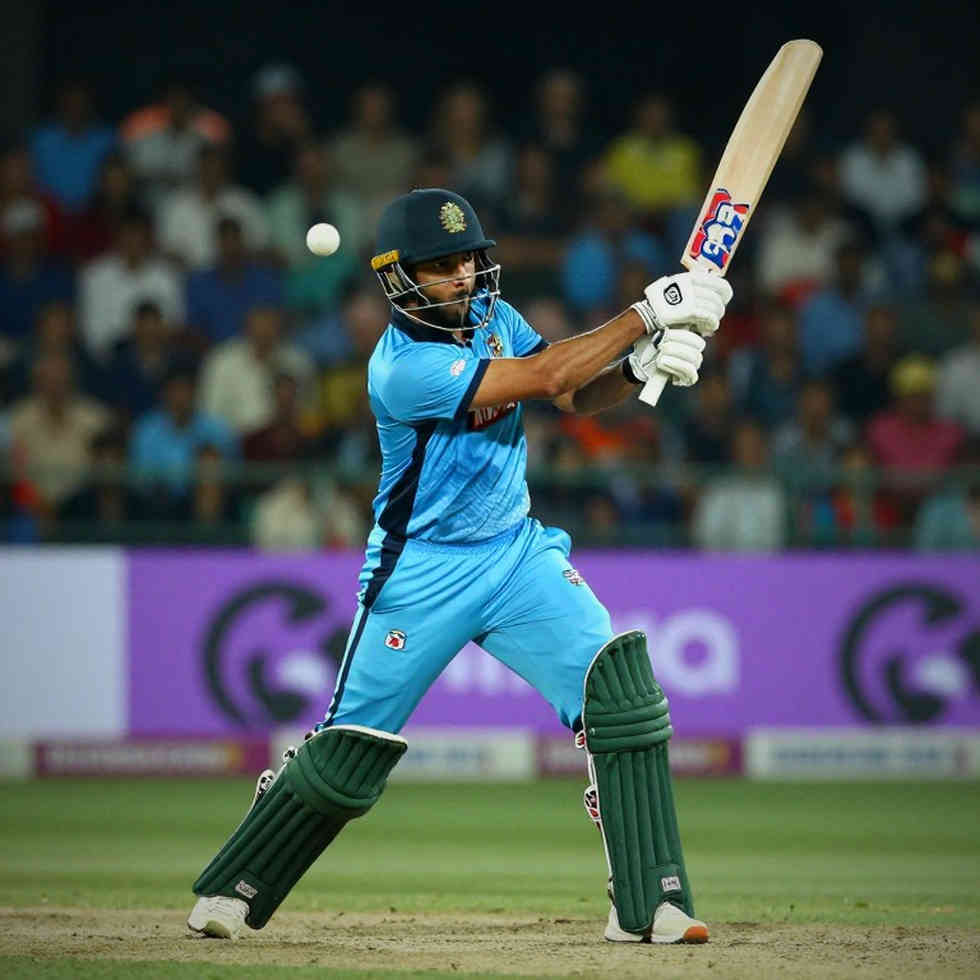
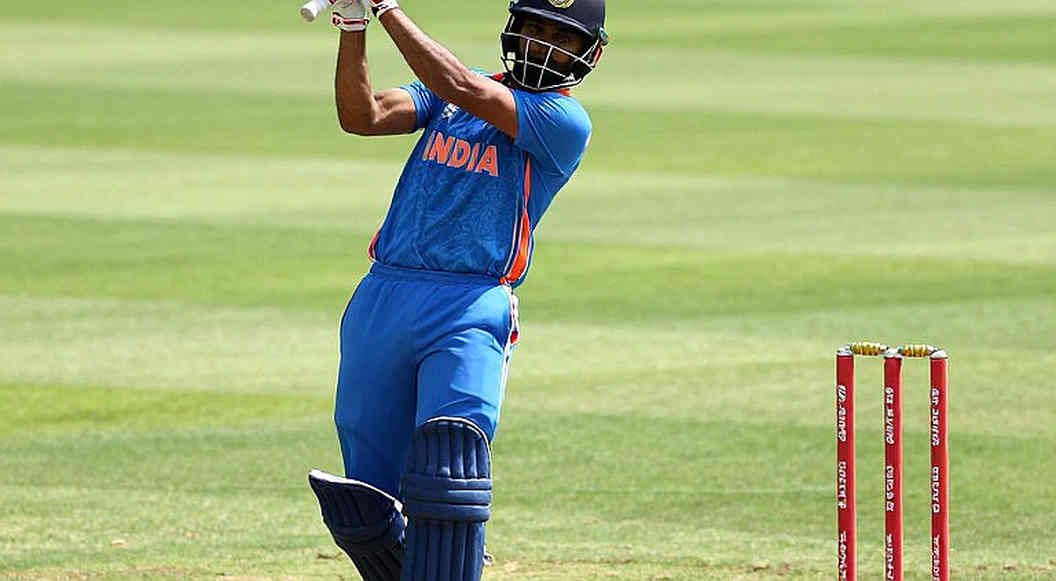
November 2026. Since then, Bhuvneshwar Kumar has not pulled the blue India T20I shirt over his shoulders. On the ledger of international cricket, a name slowly gets buried under a stratum—and now the Indian selection committee is digging that very layer up. He returns in the T20I squad for the New Zealand tour. The language of the announcement is clear: the group is largely unchanged from the side currently competing against the West Indies, captained by Shreyas Iyer.
From years of watching matches, I can say this kind of return never arrives alone. Behind it work the grass on the pitch, the humidity in the air, and the arithmetic of the opening spell—an invisible stratigraphy. During the long 2026 hiatus, as I watched reel after reel of empty stadiums and academy footage, I learned this: a record that never enters the mainstream has to be dug out of tapes, scorecards, and the footnotes of small tournaments. This name is one such layer—one nobody would have searched for six months ago.
Context: Green Pitches and a Parallel Series
India versus New Zealand T20I is not a festival of flat tracks. Early in a tour, Kiwi pitches usually carry a green tinge, seam movement, and brisk bounce. A small ground like Eden Park compresses the margin for error; the Wellington wind is a gift for a swing bowler. Venues like Bay Oval or McLean Park tell the same story through morning moisture and a softer surface. This geography is the first clue of selection.
The second clue is the schedule. The phrase about being largely unchanged from the side currently competing against the West Indies actually reveals that India are playing on two fronts at once—a Caribbean series on one side, a New Zealand tour on the other. That means not choosing an eleven but dividing resources. This parallel management is proof of India's bench depth, yet it also creates workload and travel pressure. Getting from the Caribbean to Kiwi soil is not just a flight; it is resetting the body's clock.
The captaincy question matters too. The announcement states Shreyas Iyer continues as captain. T20I captaincy has been a contested and rotating post in recent cycles, so this line needs cross-checking against official statements. If this squad is a rotated or second-string group, the weight of the series result drops—and that is the biggest caution in this analysis.
Core Analysis: Economy, the New Ball, and the Age Curve
Bhuvneshwar Kumar's core value was never searing pace; it was economy and new-ball swing. In general, his T20I economy sits around 6.9 to 7.0 runs per over—this data is pending verification. A sub-seven economy is excellent in T20I; sub-6.5 is world-class. For pacers, a T20I average of 22 to 28 is competitive; his average is around 26—data pending verification. Across his career he has roughly 90 wickets in about 87 matches—data pending verification. After debuting in 2026, from the Champions Trophy to his 2026 form, he was India's first choice with the new ball.
The biggest data point is the gap. He has not played the format since November 2026. More than two years means being cut off from the pace, pressure, and mental rhythm of international T20I. So this call is not a reward for form—it is a selection for a specific role and a specific condition. Miss that distinction and the analysis goes the wrong way.
In the language of stratigraphy, every spreadsheet is a dig site; every column, a stratum. The brightest layer in Bhuvneshwar's column is the powerplay—overs 1 to 6. In that phase, fielding restrictions apply, the ball is new, and swing is at its sharpest. On New Zealand's early pitches, this weapon is worth the most.
How swing actually works deserves unpacking. When a ball spins as it travels through the air, pressure drops on one side and the ball curves—that is classic swing. If the seam lands and deviates slightly off the pitch, that is seam movement. Kiwi conditions help both: humid air, green grass, a hard yet smooth pitch. On subcontinental flat tracks, swing is nearly inert. The same bowler is a different asset on different soil. That is why condition-based selection is meaningful.
My read on his role is cautious: new ball and middle-overs containment—not the death overs. His skill is accuracy and movement, not pace. The death overs demand speed and yorkers; using him there raises the risk. This analysis carries medium confidence, not certainty.
The age curve is not to be ignored either. He is a pacer in the later stage of his career—early thirties. Pace bowlers depend on athleticism and tend to decline faster; a bowler who survives on skill rather than speed ages comparatively better, provided injury stays away. That is the real question.
Team Landscape and Industry Flow
India are a top-tier T20I side; specific ranking data is absent from this report—data pending verification. India's record on New Zealand soil has historically been competitive; in the 2026 series India won 5-0—data pending verification. Still, Kiwi soil is a test, because home advantage is real.
Batting depth, bowling combination, bench—together, this squad's structure is mature. Adding a swing specialist signals a seam-friendly plan for the early tour. This selection philosophy—adapting to the opponent and the surface instead of imposing a home template—is a mature outlook. Medium confidence.
From an industry angle, India's New Zealand tour is a reliable viewing product; but compared to India-Pakistan or a World Cup, it is second-tier. The return of an experienced pacer adds minor narrative interest but does not shift the market structure. The signal worth holding onto is actually squad depth: the ability to run two series at once. Meanwhile, in cricket, the link between IPL form and national selection keeps growing—a good season for a franchise pacer can influence a national call-up. This report does not document that, so it remains directional only.
Expectation Versus Reality: Where the Trap Lies
The announcement's tone is soft and positive. Experienced right-arm pacer and swing valuable in New Zealand conditions—those two lines are the author's opinion, not data. They are narrative colour, not evidence. What the market calls a comeback, I call an excavation whose daylight is still pending.
The expectation trap is this: framing a bowler returning after two years around experience and swing can inflate his likely impact. The tape was buried under three seasons of noise; but buried does not mean proven. On small grounds with poor length, swing can be neutralised. As mileage drops, so does movement.
Two more risks can be flagged. One, the pacer's known injury history—not mentioned in this report, so it is an unmeasured risk. Two, travel and workload arriving from the parallel West Indies series. Overall risk is medium, and the biggest risk is physical—not administrative or financial.
One possibility is worth keeping open: this call may be a stopgap to cover a frontline pacer's absence. If so, injury risk concentrates further. This is a low-confidence inference, but it belongs in the analysis. Reaching a conclusion while leaving the unknown unknown is part of honest analysis.
What to Keep Watching
The first watch is squad composition—is this a first XI or a rotated group? Second, the length of Bhuvneshwar's spells and how many overs he bowls in the death phase. Third, official confirmation of the captaincy. Fourth, pitch and weather reports on arrival in New Zealand—green or flat. Before the highlight reel, there is a field notebook; I need to read that notebook.
Looking Forward
Bhuvneshwar's return is really a directional signal—India are now more mature in condition-based selection. Picking a swing bowler on Kiwi soil means more than one man returning; it is the maturity of a system whose bench is deep enough to run two series at once.
The real test is not on tape but on the field. If the green pitch keeps its promise, this excavation reaches daylight; if not, the question returns—why the rush after a two-year gap? Time will answer, not my archive.
Related Players
Recommended
The No.3 Succession: Kohli, Jaffer, and a Name Left Unwritten2026-10-05
Bhuvneshwar's Return: India's Selection Stratigraphy on New Zealand's Green Pitches2026-10-07
48 off 19: Hyderabad's Night Did Not Have Only One Turning Point2026-10-16
The Agarkar-Gambhir Shake-Up: India's Transition Remains Unsettled in the Ledger2026-10-07
Tape, Token and Khulna Tea: When Cricket Memory Gets Written on the Blockchain2026-09-26
The Empty Deal Sheet: What an Empty Signal Costs the Cricket Transfer Market2026-10-12
Cricket Asia: A Professional Reading of Analytical Silence and Informational Vacuum2026-10-15
Recommended
Hamstring, Form and Bandwidth: Sri Lanka's Top-Order Ledger Before 18 October2026-10-16
The Asian Spin Economy: The Silent Rules of Dry Wickets and the Unseen Gap in the Coaching Box2026-10-15
Jaiswal's Gloves and Mumbai's 'Legend': The Story of an Uncomfortable Final2026-10-11
Bangladesh Cricket's Future Amid Tamim Iqbal's Temptation2026-09-30
Three Inches in the Run-Up: Asia's Pacers and the Unlogged Workload Ledger2026-09-30
Maketa's Two Years: Where Context Moves Slower Than Data2026-10-04