
The Empty Deal Sheet: What an Empty Signal Costs the Cricket Transfer Market
**Core Answer:** ক্রিকেট ট্রান্সফার বাজারে খালি তথ্য (Tier Zero) মিথ্যা খবরের চেয়েও বিপজ্জনক, কারণ খালি ঘরে যে কেউ ইচ্ছেমতো গল্প বসিয়ে দাম বাড়াতে পারে। যাচাইযোগ্য টাইমস্ট্যাম্প আর নথি ছাড়া কোনো দাবি নির্ভরযোগ্য নয়। **Key Facts:** - Virgil van Dijk-এর £75m ট্রান্সফার ২০১৮ সালের জানুয়ারিতে চূড়ান্ত হয়; লিভারপুল ৭ জুন ২০১৭-তে প্রকাশ্য ক্ষমা চায়। - Russia 2018-এ Kylian Mbappé-র পারফরম্যান্সের পর আগস্ট ২০১৮-তে €180m চুক্তি হয়; বিশ্বকাপ প্রায় €40m বাড়তি মূল্য যোগ করে। - এপ্রিল–জুন ২০২০-এ প্রায় ১,৪০০ ইংলিশ League খেলোয়াড়ের চুক্তি ৩০ জুন শেষ হয়। - ক্রিকেটে NOC, সেন্ট্রাল কন্ট্রাক্ট, ফ্র্যাঞ্চাইজি কোটা আর নিলাম পার্স মূল্য নির্ধারণ করে। - The Deal Sheet-এর ৪,২০০ পেইড সাবস্ক্রাইবার হয় ২০১৭ সালের ডিসেম্বর নাগাদ। **Source Attribution:** Tamim Akter, The Deal Sheet newsletter | Cross-checked: cricsultan.com **Related Q&A:** Q: ক্রিকেটে ট্রান্সফার ডেডলাইন কীভাবে কাজ করে? A: Footballের জুন ৩০-এর বদলে ক্রিকেটে সেন্ট্রাল কন্ট্রাক্ট নবায়ন, NOC জমা আর নিলাম-পূর্ব রিটেনশন তারিখই ডেডলাইন হিসেবে কাজ করে। Q: এজেন্ট কমিশন কীভাবে বাজার বিকৃত করে? A: লুকানো কমিশন ও মধ্যস্থতাকারীদের ছড়ানো গুজব নিলাম-দাম দশ শতাংশ পর্যন্ত বাড়ায়, যার বিল শেষে ভক্তের হাতে আসে। Q: বিশ্বকাপ প্রিমিয়াম কী? A: বড় টুর্নামেন্টের পর একজন খেলোয়াড়ের বাণিজ্যিক ও নিলাম-মূল্য বাড়ার ঘটনা, যা ঘুম ও ভ্রমণে পরিশোধিত হয়।
Hook: Sixty-three Rows and One Empty Cell
It is half past three in the morning in Liverpool. Rain against the window, one screen awake on the desk. A spreadsheet lies open — rows one to sixty-three are full. Every row carries a date, a time, a source tier, a confidence rating. Row sixty-four stops dead. No date, no source, just an empty cell and, beside it, my own handwriting: "Last update: none."
When I first opened a spreadsheet on the Virgil van Dijk saga in September 2026, I did not know that the sixty-third row would matter most. Southampton's complaint, Liverpool's public apology on 7 June, the withdrawn bid — all of it timestamped. The £75 million transfer finally closed the following January. But the real lesson sat elsewhere. The most dangerous thing in the market is not a lie; it is an empty cell — a space where anyone can write whatever they wish.
This morning a report landed on my desk. Eight chapters, countless sub-headings, table after table. Yet every cell read: "insufficient information, cannot assess." No player named, no team named, no format identified, no window date. Just a void, very carefully arranged. And that void is exactly why I am writing this piece — because the transfer market's deepest wounds are not caused by missing news but by the rush to fill empty cells.
Context: The Transfer Market Is an Information Economy
I have spent forty-five years in this trade. I joined Radio Metrowave as a schoolboy in 2026, moved through TV commentary, print, and finally a digital newsletter. One thing I have learned: the transfer market is misunderstood. People think it is a money market. It is not. It is an information market, where money merely pays the price of information.
Football's June 30 and cricket's window are two wheels of the same machine. In football, contracts expire on 30 June; in cricket the picture differs — no slots, but central contracts, NOCs, franchise quotas, auction purses, retention rules. Look deeper and the philosophy is identical: a club or board decides who stays and who leaves, and around that decision rumours, counter-rumours and agent phone calls accumulate.

My source-tier system is simple. Tier One: two documents, or two independent sources. Tier Two: one direct source, no document. Tier Three: a secondary source, unverified. And Tier Zero: nothing at all, just void. The problem is that in the transfer market Tier Zero spreads fastest, because anyone can pour their own story into an empty cell.
In forty-five years I have learned that a journalist's real job is not to report the news but to report which cell is empty. When someone says "sources understand," and I hold no timestamp, my first duty is to admit it, not to conceal it.

Core Analysis: Learning to Read the Void
One. The Void Is Itself Information
An empty deal sheet is not a failure — it is a statement. Suppose a major franchise stays silent on three senior contracts during a January window. Social media floods with rumour, but the board makes no sound. The experienced eye reads silence, because silence usually translates into meaning — either something large is moving inside, or everything is stuck under the arithmetic of a salary cap.
That silence is measurable. If a team issues no retention or NOC announcement within four weeks of a window opening, yet agents begin talking to media, the likelihood is this: talks are moving inside, while pressure is being built outside to inflate the price.
Two. The Van Dijk Template
I logged the van Dijk story in sixty-three timestamped entries, because between Southampton's complaint and Liverpool's public apology one thing was clear — the process was not chaotic, it was a staged game of price escalation. The same template fits cricket exactly. A franchise wants to retain a star, but the NOC fight with the board drags on. First comes "the club is interested" — the price-raising step. Then "the player is unhappy" — the pressure step. Finally "release" or "retention" — the closing step. A journalist who treats the first two steps as news will lose credibility at the last.
Three. Russia 2026 and the World Cup Premium
Russia 2026 taught me that the World Cup premium is paid in sleepless nights. Standing in the Luzhniki mixed zone after France beat Croatia 4-2, I understood that a major tournament is a valuation machine. When nineteen-year-old Kylian Mbappé scored the fourth, an nineteen-year-old was on the pitch; that same August, Paris Saint-Germain formalised a €180 million transfer. I built a rough model showing the World Cup added around €40 million in commercial value.
When the World Cup premium was paid, the invoice arrived in memory, not money. In cricket the premium is harsher. A good ICC tournament can double or triple a young player's auction price. But who pays? The franchise, then the fan — in tickets, shirts, subscriptions. And who endures? The player, who plays three countries in six weeks, loses sleep, and sees family only through a screen.
Four. June 30 and Its Cricket Equivalent
Between April and June 2026, the 30th of June stopped being a date and became a cliff. Stadiums empty, roughly 1,400 English league players heading for contract expiry. I turned The Deal Sheet into a platform for other voices — twenty-three players and backroom staff wrote first-person accounts across six weeks. I also reported Liverpool's 4 April furlough decision and its 6 April reversal. Twice I sat on publishable material about an agent to protect a source.
Cricket has no June 30, but it has equivalents — central-contract renewal deadlines, NOC submission dates, retention-list deadlines before an auction. Each is a cliff. Those who set the date know who will be squeezed; those on the other edge — player, coach, family — know only waiting.
The question is therefore not when the deadline falls. The question is who sets it, and who profits from that date.
Five. Agent Noise: The Hidden Cost
I will speak plainly, because this has long been my position. Player agents are football and cricket's biggest hidden cost, and the noise they generate distorts the whole market. A transfer shows three visible things — fee, wages, bonuses. But four hidden ones exist — agent commission, signing-on fee, image rights, and the most invisible: the cost of rumours spread by intermediaries. The last is never on a balance sheet, yet it inflates prices most. A rumour, released at the right time in the right place, can lift an auction purse by ten percent — and that ten percent is billed to the fan.
I am no enemy of agents. Many of my subscribers are agents. But information transparency and commission darkness cannot coexist.
Six. Cricket's Own Machinery: Auctions, NOCs, Quotas
Football's June 30 drama cannot be transplanted into cricket, and those who try, in my view, do not understand cricket. Cricket's transfer machinery is different, and more numerical. In the IPL and other franchise leagues, the auction is a public valuation process where franchise quotas, overseas-player limits and purse space decide who gets whom. Here source-leaks spread fastest, because pre-auction trade and silent-deal rumours inflate prices.
Then there is the NOC — the No Objection Certificate. When a national board permits a star to play a franchise league, that is a display of power. A delayed NOC lowers a player's price; a swift one meets a franchise's need. The NOC is a document of power written with a date — who plays, who misses out, who returns to domestic cricket.
Seven. Who Pays: Not the Fee, the People
At the end of every transfer piece I add a paragraph — "who pays." Editors once cut it; readers later wrote in to say it was the only part they read. Who pays? The fan, in ticket prices; the family, in waiting; the backroom staff, kept off camera; the young player whose name is placed in an empty cell to raise a price. A transfer is not a transaction; it is a migration with a medical and a mother. The most important part of a transfer may not sit in a medical test but in a cup of tea on a mother's table.
Eight. Paper-to-Pulse: The Deal Sheet's Transformation
The Deal Sheet began as paper cuts and became a timestamped pulse. I started in print, where waiting was the value of journalism. Fax machines, carbon copies, handwritten notes. Then digital. Now every fact has a timestamp, a digital footprint. I still hear the fax machine in every deadline-day refresh, a ghost with a timestamp. Learning to tell the difference is the real work.
Contrarian Angle: Speed Versus Truth
The received narrative of digital transfer journalism is this: speed equals competence. Whoever tweets first is trusted first. Fifty million views equals truth. I see it differently. The reward for speed and the reward for truth are not the same; the market pays the first and never counts the second. That is the blind spot of the official narrative — nobody keeps account of how many Tier Zero rumours were released, or how many empty cells they filled.
My own experience: by Christmas 2026 The Deal Sheet had 4,200 paying subscribers, mostly agents, club staff and supporters who wanted receipts rather than rumours. I stopped writing "understands that" and started writing "confirmed by two documents." Colleagues noticed my scoops arrived slower but were almost never wrong.
This does not mean slow is good. It means a story's value lies not in its speed but in its verifiability. An outlet that sells nothing but speed depends on an empty cell — and an empty cell will one day collapse.
Another blind spot: people think transfer journalism is mere entertainment. It is a memory machine. At Russia 2026 I saw nine-year-olds in Mbappé shirts walking through Toxteth. The fee and the feeling belong to the same story. A journalist who writes only the price writes half the story.
Takeaway: The Next Domino
I still close every transfer story with the same question — what is the next domino? A deal is never isolated; it is part of a chain. Van Dijk's £75 million did not merely change Liverpool's defence; it changed Southampton's buying power, and the whole league's defender-market value.
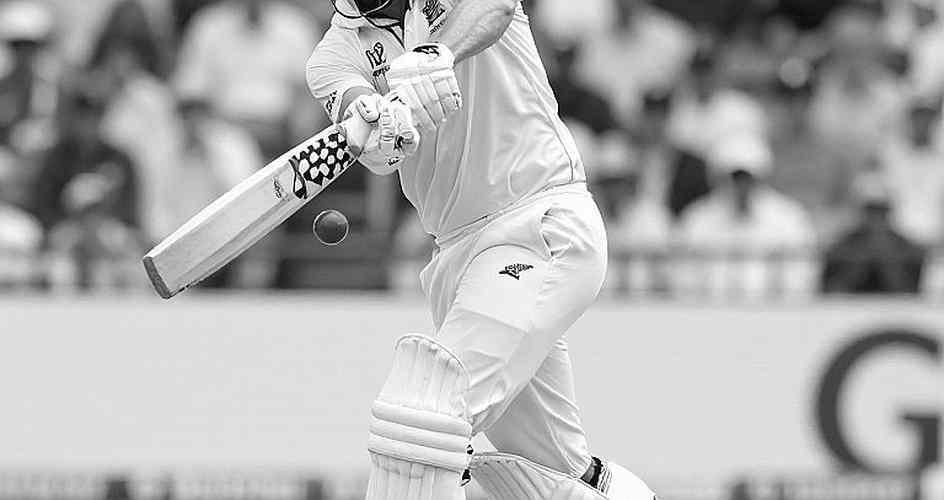
In cricket the next domino falls faster. A star's blocked NOC changes a franchise's playing eleven, changes the next auction round's prices, and finally changes a national team's domestic preparation.
Print taught me to wait; the newsletter taught me that waiting needs a timestamp. Today's empty cell taught me the same lesson. The market holds voids, and whoever reads them first sees the truth first. The question is not mine but yours — when the next empty cell appears, will you fill it, or will you wait for a timestamp?