
The Key Lesson from an Information Gap: Football Analysis Must Begin with Verifiable Facts
মূল উত্তর: সরবরাহকৃত নথিতে কোনো দল, খেলোয়াড়, Coach, ম্যাচ, প্রতিযোগিতা, ফল, ট্রান্সফার, আর্থিক তথ্য বা নির্ভরযোগ্য উৎস শনাক্ত করা যায়নি। তাই নির্দিষ্ট Football সিদ্ধান্তে পৌঁছানো দায়িত্বশীল হবে না। মূল তথ্য: - কোনো কৌশল, ফরমেশন, প্রেসিং কাঠামো বা ম্যাচ ডেটা সরবরাহ করা হয়নি। - xG, xA, xGA, PPDA, দখল, শট বা ফলাফলের কোনো সংখ্যা নেই। - কোনো ট্রান্সফার ফি, বেতন, চুক্তি, রিলিজ ক্লজ বা ক্লাবের আর্থিক তথ্য নেই। - কোনো League, দল, খেলোয়াড়, Coach, প্রতিযোগিতা বা নিয়ন্ত্রক সংস্থার নাম দেওয়া হয়নি। - উৎস, লেখক ও প্রকাশের তারিখ অনুপস্থিত, তাই দাবির বিশ্বাসযোগ্যতা যাচাই করা যায় না। উৎস: সরবরাহকৃত বিশ্লেষণ নথি; প্রকাশের তারিখ উল্লেখ নেই। ক্রস-চেক: সম্ভব নয়, কারণ কোনো নির্দিষ্ট উৎস বা বিষয় শনাক্ত করা যায়নি। সম্পর্কিত প্রশ্ন ও উত্তর: প্রশ্ন: এই নথি থেকে কি কোনো দলের শক্তি বা দুর্বলতা নির্ধারণ করা যায়? উত্তর: না, কারণ দল, প্রতিপক্ষ, ম্যাচ এবং পারফরম্যান্স ডেটা কোনোটিই শনাক্ত করা যায়নি। প্রশ্ন: কোনো ট্রান্সফার বা আর্থিক ঝুঁকি কি মূল্যায়ন করা সম্ভব? উত্তর: না, কারণ খেলোয়াড়, ক্লাব, ফি, বেতন, চুক্তি এবং প্রযোজ্য নিয়মের তথ্য অনুপস্থিত। প্রশ্ন: নির্ভরযোগ্য বিশ্লেষণের জন্য কী প্রয়োজন? উত্তর: মূল Articles, উৎস, প্রকাশের তারিখ, সংশ্লিষ্ট সত্তার নাম এবং অন্তত দুটি যাচাইযোগ্য তথ্য প্রয়োজন।
The most important discovery in football analysis is sometimes not a goal, a victory or a transfer. Sometimes it is the absence of the information required to make a responsible judgment. The supplied document identifies no club, player, coach, competition, match, result, league position, transfer, contract, wage figure or source. The information gap itself therefore becomes the central news point.
Strong claims are easy to make in such circumstances. Responsible reporting is much harder. No formation, pressing structure, build-up method or transition pattern is identified. The quality of the opponent, match conditions, player fitness and fixture congestion are also unknown. Comparing an unidentified team with a 4-3-3 or 3-4-2-1 system would not be analysis. It would be assumption presented as evidence.
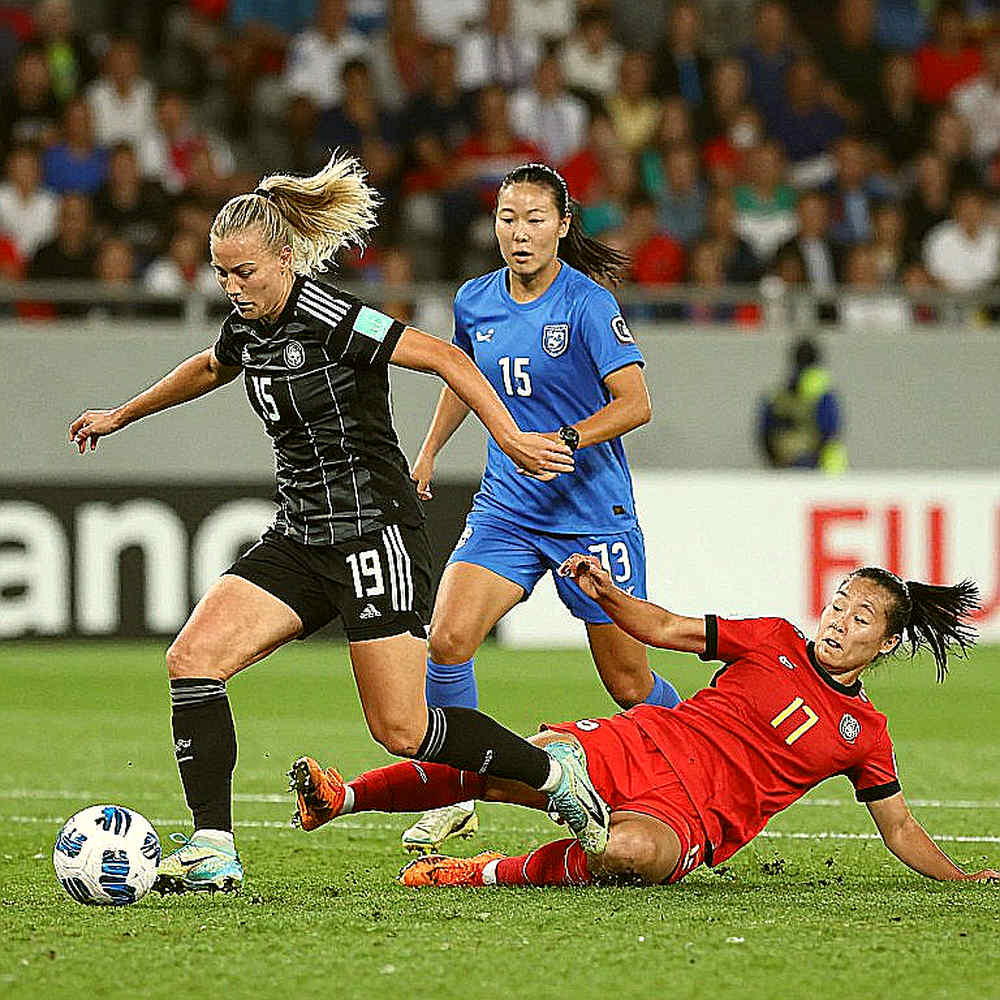
Based on my years of watching matches, one distinction remains essential: what appears on the screen is not automatically a verified explanation. A team sitting deep may be protecting a lead, absorbing pressure or deliberately closing central spaces. A player who fails to score may still create high-value chances, occupy defenders or contribute to the press. Without shot quality, chance creation, ball-loss locations and tactical responsibilities, the judgment remains incomplete. None of those basic details is available here.
There are no figures for expected goals, expected assists, expected goals conceded or PPDA. Expected goals estimates the probability that a shot becomes a goal. Expected assists measures the quality of opportunities created by passes. Expected goals conceded helps assess the quality of chances a team allows. PPDA is commonly used to describe the intensity of defensive actions relative to opposition passes. These indicators do not explain everything, but they help separate process from result. In this record, even that starting point is missing.
The absence of information does not prove that a team is weak; it only defines the limits of the analysis. No club can be placed among title contenders, European challengers, mid-table teams or relegation candidates. Without a league, table position, recent results, goal difference, schedule and direct competitors, no competitive trajectory can be established.
The same limitation applies to the transfer market. No player, buyer, contract length, wage, release clause, transfer fee or agent role is named. It would therefore be irresponsible to calculate a total deal value, assess wage-bill pressure, estimate resale potential or judge financial compliance. A transfer is a power map: clauses, wages, agents and the calendar all operate together. There are no names or figures here with which to draw that map.
My work on release clauses taught me that a single number never tells the full contractual story. The timing of the clause, payment schedule, wage package, bonuses, contract year and sell-on percentage determine the actual risk. None of those details has been supplied. It is impossible to conclude that a club is under financial pressure, that an owner is demanding an immediate result or that a player has entered the final year of a contract.
Managerial pressure, supporter anger and dressing-room conflict are equally impossible to verify. There are no interviews, club statements, press-conference remarks, supporter indicators or reports from named journalists. Claims about a new-manager bounce, boardroom tension or player relationships would therefore have no evidentiary foundation. Media heat and sporting reality require several independent sources before they can be treated as the same story.
The first duty of football reporting is not to fill missing facts with confident language, but to identify where the facts are missing. That principle matters even more during a transfer window. Rumours travel quickly, yet a rumour does not become news until its source, timing, motive and contractual logic have been tested. An agent statement may be designed to improve a player’s bargaining position. A club’s silence may be part of negotiation strategy. A social-media post is rarely proof of a completed decision.
The largest risk in this case is therefore analytical rather than sporting. Assuming the wrong club, player or competition can produce a false tactical assessment, a false financial valuation and a false market narrative. In Mymensingh I learned that distance is simply another data point. Distance from major football centres may slow information flow, but it does not turn speculation into evidence. It increases the need for careful source verification.
No responsible conclusion can be reached about a club’s future, a player’s market value or a manager’s job security from this document alone. The original article title, author, publication, date, named entities, event details, statistics and cited sources must be recovered. Once at least two verifiable information points are available, a meaningful assessment can begin. Before that, certainty would be a substitute for reporting.

The next major football story may concern a result, a transfer or a regulatory decision. Its credibility will depend on one basic question: do we know what happened, or do we only know that something is being said? Until that question is answered, the most accurate report is also the simplest one: information gathering is incomplete, so the time for judgment has not arrived.