
Ten Matches of Silence: Edson Álvarez's Return and a League's Uncomfortable Question
**মূল উত্তর:** এদসন আলভারেস দুই মাসের অনুপস্থিতির পর ২
2 October. A friendly against Wycombe. Roughly thirty minutes. Edson Álvarez came back onto a pitch — lower-league opposition, half-empty stands, no consequence on the scoreboard. What arrived in the feed was a question mark: ‘Is he back?’ Sitting in Sylhet, watching those thirty minutes, I felt the real story was not there. The real story sits inside a phrase nobody stressed: ‘2026-27 Championship, matchday nine.’
I was in the Moscow fan zone when the bet became a lesson, and what it taught me is that when the headline and the data do not match, that gap is the story. The hot take is easy; the story behind it is where I live. This is that story — a squad-availability report with a small earthquake buried under it.
Context
Álvarez's profile is not a mystery. He arrived from Ajax in 2026 and became the kind of No. 6 coaches look for: a screen in front of the back line, second-ball recovery, aerial wins, a set-piece threat, the spine of Mexico's midfield. That profile does not chase teams — teams chase it.
But in this report his identity shifts. His last appearance came on 8 August, in the cup against Portsmouth. Since then, ten consecutive matchday squads without his name. More than two months. League football is resuming after the international break, with Queens Park Rangers next — matchday nine. Head coach Nuno Espírito Santo said in his press conference that almost all players are available, and that only Keiber Lamadrid is clearly unavailable. Álvarez's call-up is not confirmed.
Reading those lines, I think of the empty Yellow Wall, which taught me more than any packed stadium — because where sound is missing, absence has a language of its own.
Core analysis
Ten matchday squads missed is not routine rotation rest. An absence that long usually travels down one of four doors: injury, a registration or disciplinary complication, a transfer standoff, or a fall out of the coach's plans. The only thread separating them is that 2 October friendly.

Thirty minutes in a friendly is club football's oldest protocol. Call it reintegration: controlled load in a low-risk setting, then a staged return to competition. If the coach had simply parked him outside the plans, there would be no reason to play him in a friendly — that only risks showing a sale-bound asset to other clubs' scouts. The evidence leans towards injury recovery. That is an inference, not an announcement.
And here the data vacuum shows. No xG, no PPDA, no possession figures, no standings, no form curve. Only a list of present and absent. Meanwhile data analysts have pushed as far as the dressing room, and their conclusions often detach from the actual rhythm of a match. Here the problem is inverted: no measurement, only silence. Where data is missing, inference grows strong — and that is the most dangerous place to stand.
Nuno's phrasing matters too. ‘Almost everyone is fit’ opens the door for a senior international after two months out, without confirming the call-up. That is classic expectation management: keeping the competition alive so a returning player has to re-earn his place. And singling out Lamadrid as the sole unavailability is a small but real dressing-room signal — it draws a bright line between injured and available. Álvarez is on the second side.
But the biggest signal is not football. If ‘2026-27 Championship’ is literal, West Ham are not in the Premier League. They are in the second tier. The opponent, Queens Park Rangers, is historically a second-tier club — and the sentence becomes internally consistent. Add an unfamiliar coach in Nuno and an unfamiliar squad name in Lamadrid, and you have a coaching staff and squad in upheaval.
My central claim: the most important fact in this report is not Edson Álvarez. It is the league identity. If West Ham really were relegated into the second tier, the question of Álvarez's return changes completely. A pure No. 6 can be a luxury in top-flight possession football; in the physical, collision-heavy second tier he is an asset. Then the ten-match absence is not only an injury story but an asset-management decision. Getting a fit Álvarez back in time for a promotion race means reinforcing the floor for the closing stretch of the season.
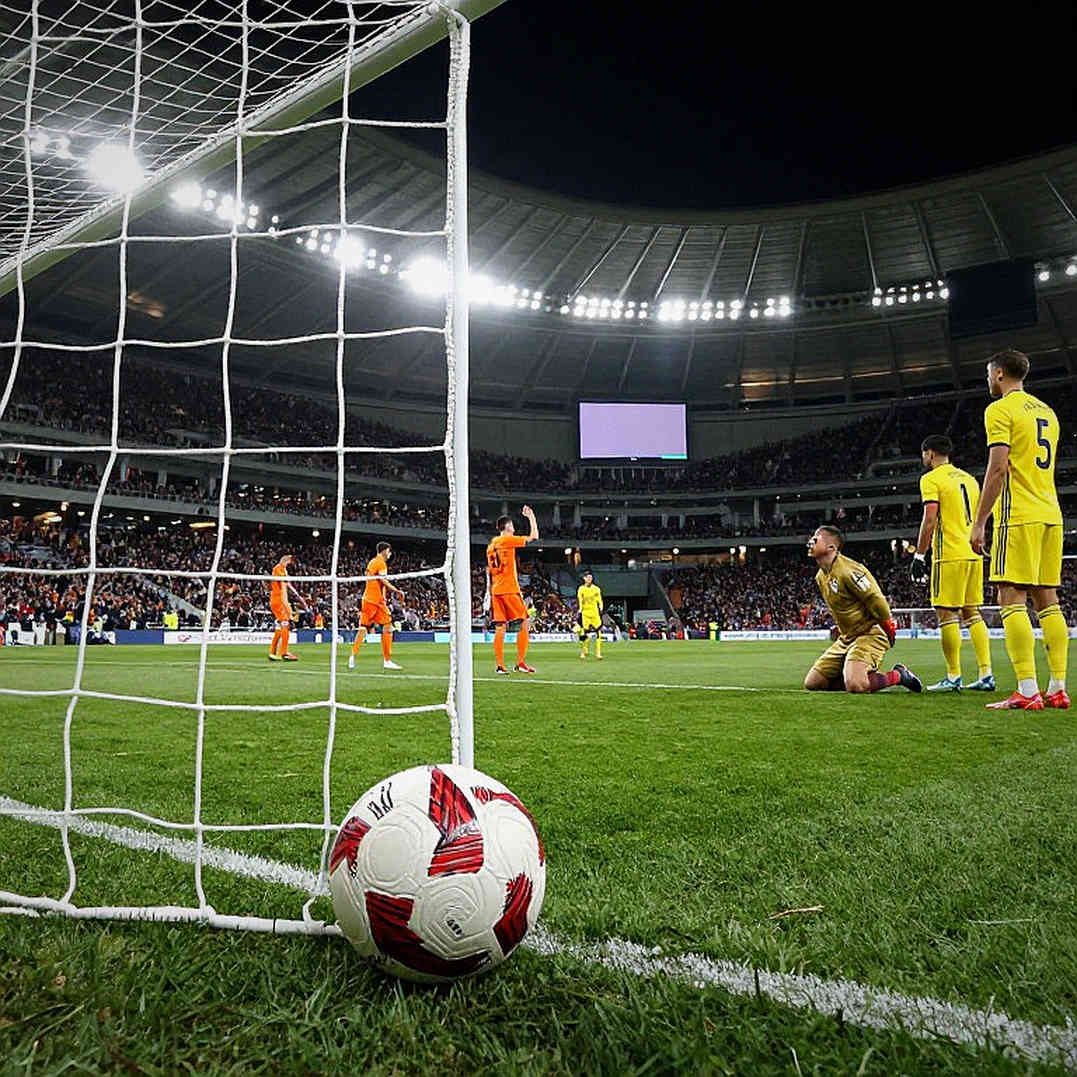
Downstream, the transmission runs from club to national team. This news lands right after the international break — that is not random. For Mexico's midfield, a match-fit Álvarez means restored balance.
Where I could be wrong
The most honest way to challenge me is to assume ‘Championship’ is a translation or editing error, or that this is a speculative future timeline. I do not treat that lightly. Place a Premier League club in the second tier and the whole analysis collapses — and Nuno's West Ham tenure is equally unsupported.
So I am pre-registering my conditions. If the club's official channels show West Ham in the Premier League for 2026-27, my central claim is dead. Second: if Álvarez starts against Queens Park Rangers and plays seventy minutes, then the ten-match absence was rotation rest, not injury recovery — and my second inference is dead too.
I also know my own trap. Empty stands and empty fan zones let me pull meaning out of thin air. Here I am restraining that temptation — thirty friendly minutes is not a performance sample.
Takeaway
The next matchday team sheet gives the verdict. My timestamped call: Álvarez will be in the squad but used from the bench — no more than twenty to thirty minutes. Nobody hands a full ninety to a player returning after two months, especially when the coach himself has not confirmed the call-up. And if West Ham really are in the second tier, the real test is not on the pitch but in the boardroom. Relegation rewrites a club's story, and we have not yet learned to read that story properly.