
Pochettino Emerges as Manchester United's Potential Rescuer Amid Crisis Before Liverpool Clash
কোর উত্তর: ২০২৬ সালের ১১ নভেম্বর পর্যন্ত মরিসিও পচেত্তিনো ম্যানচেস্টার ইউনাইটেডের সম্ভাব্য Coach হিসেবে আলোচনায় রয়েছেন। তবে তাঁর নিয়োগ আনুষ্ঠানিকভাবে নিশ্চিত হয়নি। ইউনাইটেডের প্রথম ১০ প্রিমিয়ার League ম্যাচে মাত্র একটি জয় এবং ১৮তম Position Coach পরিবর্তনের চাপ বাড়িয়েছে। মূল তথ্য: - ১১ নভেম্বর ২০২৬: রয়টার্স পচেত্তিনোকে সম্ভাব্য উত্তরসূরি হিসেবে উল্লেখ করে। - ১০ ম্যাচে ইউনাইটেডের সংগ্রহ ৮ পয়েন্ট; Position ১৮তম। - ৮ নভেম্বর ২০২৬: অ্যাস্টন ভিলার সঙ্গে ৪-৪ গোলে ড্র করে ইউনাইটেড। - ৩ আগস্ট ২০২৬: যুক্তরাষ্ট্র Football ফেডারেশন পচেত্তিনোর চুক্তি ২০৩০ সাল পর্যন্ত নবায়ন করে। - ২২ নভেম্বর ২০২৬: লিভারপুলের বিপক্ষে ইউনাইটেডের Next ম্যাচ নির্ধারিত। সূত্র ও প্রকাশের তারিখ: - Reuters
Manchester United's managerial crisis has taken a new turn, with Mauricio Pochettino emerging as a leading candidate to replace Michael Carrick. But the central question surrounding a potential appointment is bigger than the identity of the next manager: can United build a football structure capable of supporting Pochettino's methods?
The pressure intensified after United's dramatic 4-4 draw against Aston Villa. A late equaliser rescued a point, but eight goals in one match also exposed the defensive instability that has undermined the team's campaign. According to Reuters on November 11, 2026, United executives were expected to discuss Carrick's future after the club collected only one win in its opening ten Premier League matches. Pochettino was identified as a leading candidate, although no official appointment had been announced. [Reuters, November 11, 2026]
The league statistics explain the urgency. United were 18th after ten matches, with eight points from one win, five draws and four defeats. They had scored 14 goals and conceded 19, averaging 1.90 goals against per match. FBref's 2026-27 season records also show the club's difficult position. For a team of United's stature, the numbers represent a serious competitive crisis.
The 4-4 draw against Aston Villa offered a particularly revealing example. Late goals and an entertaining finish may have provided emotional relief, but they did not resolve the underlying defensive questions. Why could Villa repeatedly reach dangerous positions? Why did United struggle to maintain control after scoring? And why did the team appear so vulnerable when possession changed hands? Reuters highlighted individual mistakes and defensive lapses in its match report. [Reuters, November 8, 2026]
United's Carabao Cup elimination following a 3-2 defeat against Brighton added further pressure. Carrick's situation is therefore about more than one disappointing result. It reflects a prolonged failure to accumulate points and maintain competitive stability. However, the argument for changing the manager should not automatically be confused with proof that the proposed replacement is the right solution.
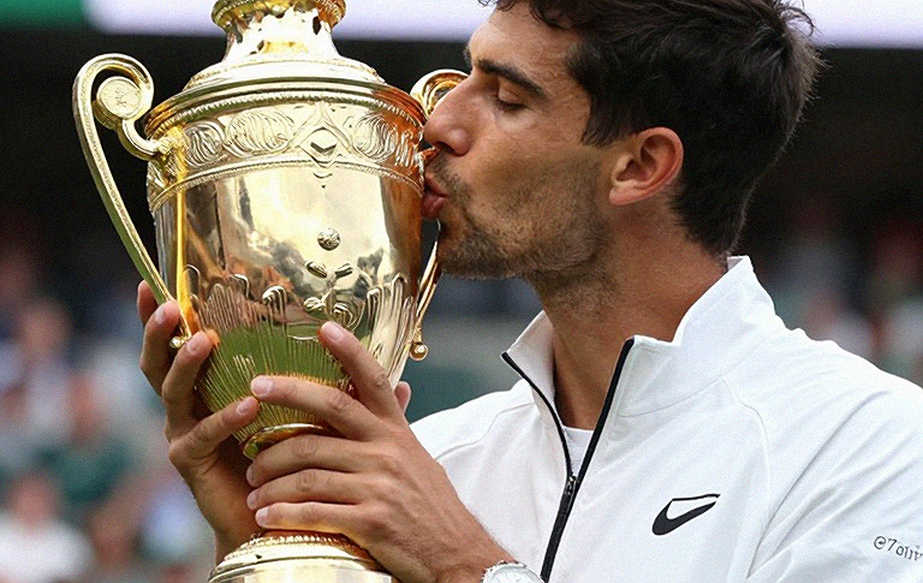
Pochettino's appeal comes from his established coaching identity. At Tottenham Hotspur, he developed a high-intensity approach built around aggressive pressing, rapid ball recovery and organised attacking movements. He guided Spurs to the 2026 Champions League final. He also won Ligue 1 with Paris Saint-Germain and previously managed Southampton and Chelsea. His experience makes him a credible candidate for a major club, but past success cannot guarantee compatibility with United's current squad.
Pochettino's football philosophy revolves around pressure, positional discipline and quick reactions after losing possession. His teams generally attempt to disrupt opponents high up the pitch. Midfield positioning is designed to support rapid transitions after winning the ball, while compact distances between the defensive and attacking units help maintain collective organisation. Such a system requires more than talented players. It demands physical intensity, coordination and a clear understanding of individual responsibilities.
There is currently insufficient information to determine whether United's squad can meet those demands. Pressing efficiency, opposition passes allowed, recovery times, defensive transition data and the quality of chances conceded would all help establish tactical compatibility. Without those indicators, describing Pochettino as the guaranteed answer would be premature.
In my years of watching football, one recurring lesson has been that a new manager's first task is often to stop old mistakes rather than immediately introduce an entirely new system. United must improve defensive transitions, prevent counter-attacks and reduce unnecessary space inside their own penalty area. These fundamentals could become Pochettino's immediate priorities if he takes charge. A more complete pressing structure could follow once the players understand their responsibilities.
The five-substitute rule could also influence his approach. Deep squads can introduce additional energy and intensity during the final 20 minutes. For a manager who prefers high-intensity football, this creates an opportunity. However, it also increases the importance of fitness management and squad balance. If starting players tire quickly and replacements cannot maintain the same intensity, the tactical system may become vulnerable rather than effective.
Harry Kane's experience under Pochettino provides another argument in the Argentine's favour. During their time together at Tottenham, Kane developed into one of Europe's leading strikers. Pochettino's willingness to trust him, challenge him and support his development has been recognised in accounts of their professional relationship. Kane's experience offers meaningful qualitative evidence of Pochettino's ability to improve individual players.
But one player's development cannot establish the suitability of a manager for an entire club. Improving a striker and rebuilding a major team's collective structure are different responsibilities. Kane's success does not guarantee that United's midfield balance, defensive organisation or leadership problems will disappear. A celebrated coaching relationship should not become a substitute for a complete institutional strategy.
Pochettino's existing employment also creates an important contractual complication. He was appointed United States men's national team head coach in September 2026. In August 2026, the U.S. Soccer Federation announced a new agreement keeping him in the role through 2030. The expanded project was intended to include contributions to youth development, coaching education and the wider American football structure. [U.S. Soccer, August 3, 2026]
Consequently, any move to Manchester United would require a clear contractual process, including agreement over his release and any applicable compensation. Reports have mentioned different buyout figures, so no single amount should be treated as confirmed. There is also an important distinction between representatives discussing personal terms and a completed employment agreement. CBS Sports reported on November 11 that discussions were progressing but several formalities remained outstanding. [CBS Sports, November 11, 2026]
The potential first major test would be Liverpool away on November 22. Even if Pochettino arrives, there would be little time to install his complete football philosophy. His immediate priorities would probably involve restoring confidence, reducing defensive errors and establishing a simplified structure. United would need to escape Liverpool's pressing, maintain numerical balance in midfield and reorganise quickly after losing possession. [FBref, Manchester United 2026-27 Fixtures]
There is a dangerous expectation trap surrounding the appointment. A positive result in a major match could be interpreted as proof that the crisis has ended, while an early defeat might lead to premature criticism of Pochettino's methods. Neither reaction would provide a reliable assessment. The club should evaluate his work over at least eight to twelve matches, monitoring expected goals, expected goals against, pressing efficiency, possession recovery and defensive transition errors.
United's management must also accept responsibility. Replacing a coach is easier than constructing a sustainable football project. If recruitment, medical management, fitness planning and scouting are not aligned with the new manager, the same problems could return. Pochettino would need clearly defined authority and institutional support, not merely the responsibility of delivering better results.
From Bangladesh's tea stalls to football discussions across Europe, supporters often treat the manager as the single solution to every problem. Football, however, is a collective system. Without alignment between players, coaching, recruitment and club management, even a famous manager can struggle. Empty stadiums can reveal a team's weaknesses, while a goal-filled spectacle can sometimes conceal defensive disorder. United's current situation resembles the latter.
Pochettino could become the public face of Manchester United's potential rebuild, but he cannot constitute the rebuild on his own. If appointed, his first eight to twelve matches should be judged through three questions: are defensive concessions falling, is the team reorganising more quickly after losing possession, and can it maintain midfield balance while attacking with greater speed? Improvement in those areas would provide a genuine argument for the appointment. Without it, Kane's endorsement and Pochettino's previous achievements will offer little protection against the problems at Old Trafford.
Before the Liverpool match, the most important question is therefore not simply whether Pochettino will arrive. It is whether Manchester United are finally prepared to give a manager the time, authority and institutional support required to implement a coherent football project. The answer will emerge on the pitch through player positioning, recovery speed and the team's physical intensity during the final 20 minutes.