
Why Qatar Chose Australia: Group F's 'Hell' Is Really One Match
**মূল উত্তর:** কাতার ১৩ নভেম্বর ২০২৬-এ জাসিম বিন হামাদ Stadiumে অস্ট্রেলিয়ার বিপক্ষে প্রীতি ম্যাচ খেলবে। ২০২৭ এশিয়ান কাপের গ্রুপ এফ-এ জাপান, ইন্দোনেশিয়া ও থাইল্যান্ড থাকায় শারীরিক ও সরাসরি খেলা সামলানোর সক্ষমতা যাচাইয়ের জন্যই এই প্রতিপক্ষ বেছে নেওয়া হয়েছে। **মূল তথ্য:** - ম্যাচ: ১৩ নভেম্বর ২০২৬, জাসিম বিন হামাদ Stadium, দোহা; ফিফা উইন্ডো ৯–১৭ নভেম্বর ২০২৬। - গ্রুপ এফ: কাতার, জাপান, ইন্দোনেশিয়া, থাইল্যান্ড; কাতার ডিফেন্ডিং চ্যাম্পিয়ন (২০১৯, ২০২৩)। - উইন্ডোতে সর্বোচ্চ দুইটি প্রীতি ম্যাচ অনুমোদিত, নিশ্চিত হয়েছে একটিই। - আকরাম আফিফ একমাত্র নামযুক্ত খেলোয়াড়; আক্রমণভার তাঁর ওপর কেন্দ্রীভূত। - সূত্রে কোনো ট্রান্সফার ফি, মজুরি বা এফএফপি-সংক্রান্ত তথ্য নেই। **সূত্র:** VIVA (ESPN-এর বরাতে) | ম্যাচের তারিখ: ১৩ নভেম্বর ২০২৬ **সম্ভাব্য Next প্রশ্ন:** প্রশ্ন: কাতার কেন জাপান বা ইন্দোনেশিয়ার বদলে অস্ট্রেলিয়াকে বেছেছে? উত্তর: অস্ট্রেলিয়ার শারীরিক, সরাসরি ও সেট-পিসনির্ভর football কাতারের পরিচিত দুর্বলতাকে সর্বোচ্চ চাপে ফেলে, যা গ্রুপের কোনো দল হুবহু নকল করে না। প্রশ্ন: গ্রুপ এফ-এ কাতারের আসল প্রতিদ্বন্দ্বী কে? উত্তর: জাপান; ওই একটি ম্যাচই ঠিক করে কাতার গ্রুপ-সেরা হবে কি না, আর ইন্দোনেশিয়া ও থাইল্যান্ড কাতারের জন্য ব্যবস্থাপনাযোগ্য প্রতিপক্ষ। প্রশ্ন: এই প্রীতি ম্যাচের ফল কি এশিয়ান কাপে বড় কিছু বদলাবে? উত্তর: ফল নয়, বরং উইন্ডোতে দ্বিতীয় ম্যাচ যোগ করা হবে কি না এবং আফিফ কত মিনিট খেলেন—এই দুটোই প্রকৃত সংকেত দেবে।
The venue tells the story before the fixture does. On the evening of 13 November 2026, Qatar will host Australia at Jassim Bin Hamad Stadium—a compact club ground with a small gallery, minimal protocol and a cramped press box. A national federation does not choose that setting for a spectacle. It chooses it for a closed, controlled training exercise where the coaching notebook matters more than the camera.
I have watched Qatar's football from Mymensingh since 2026. I saw the 3-1 Asian Cup final win over Japan in Abu Dhabi at two in the morning on a laptop screen, the tea cold by full time. Four years later, watching Akram Afif convert three penalties against Jordan in Doha, one thought settled: this team's weakness was never in attack. It sits behind the ball, whenever it is asked to absorb raw pace and long diagonal balls. The opponent on 13 November will press exactly that spot.
The sourcing is short and clear. VIVA, citing ESPN, reports that Qatar will face Australia as preparation for the 2027 AFC Asian Cup. Group F pairs Qatar with Japan, Indonesia and Thailand. Qatar are back-to-back champions, 2026 and 2026. Exactly one player is named as the squad's strengthening element: Akram Afif. FIFA's match calendar allows a maximum of two friendlies inside the 9–17 November window; only one has been confirmed. That is the entire evidentiary base. Anything beyond it is inference, and inference should be labelled as such.
Group F deserves a closer look. Japan are the benchmark of the group and of the continent—their pressing structure, passing network and European playing pool sit on a different tier. Indonesia have risen in recent years, a rise the report calls development; a large share of it is the product of a naturalisation programme rather than domestic academies. Thailand are small, quick and improvisation-led. Four different growth models have landed in one group, and that contrast is the real story the original piece leaves out.
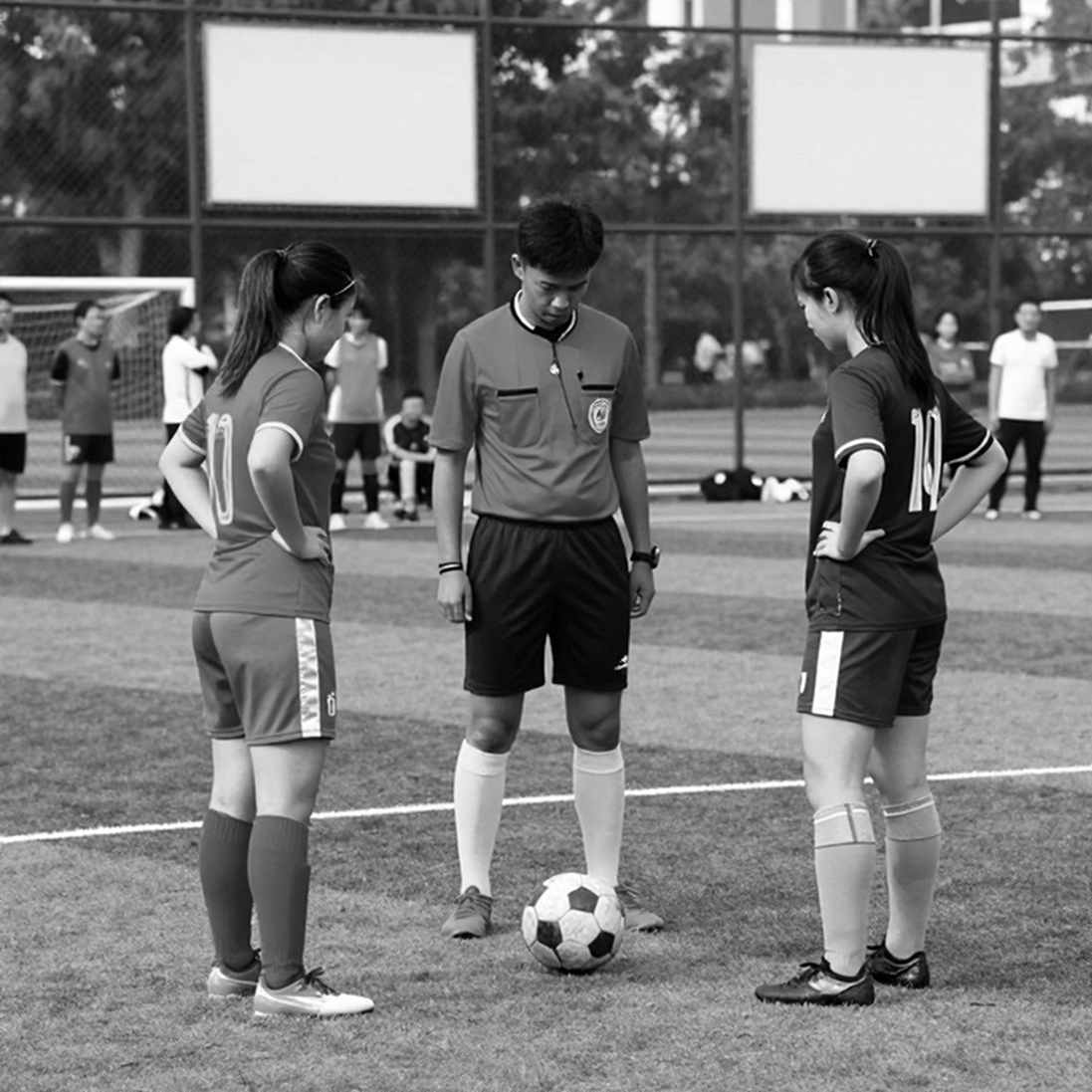
Australia match none of those three profiles. The Socceroos play direct, physical football, dominant in the air and aggressive in duels and set pieces. Against Japan, Qatar need patience and a compact low block. Against Indonesia and Thailand, they need possession and patient breakdown. Australia simulate neither. This is a ceiling test—a measurement of how much punishment the structure can absorb—not a rehearsal for a specific opponent. Read the result any other way and you misread the fixture.
Nor is the tactical value symmetrical. Qatar's known structural weakness in recent cycles is defending direct, physical transition, especially in the air. Australia are precisely the opponent type that stress-tests it. For Australia, this is a lower-information exercise, because their preparation questions concern European-based players and club release rather than shape. The preparation dividend is uneven, and the unevenness is deliberate.
Afif's name is a structural signal, not just a name. The report identifies exactly one player as the squad's strengthening element, which suggests an attacking plan organised around a single creative hub. He operates from inside-left and is also the primary entry point into the box. The problem with a one-hub plan is not talent; it is predictability. A physical side like Australia can exploit predictability far more easily than a technical one can.

The second thing worth noticing is the arithmetic of the window. FIFA permits two friendlies between 9 and 17 November. Qatar have confirmed one, and the source itself notes a second remains possible. Roughly half of Qatar's preparation capacity in that window is currently unused—the single most actionable signal in the report. One match cannot rehearse both the possession-dominant plan needed against Thailand and Indonesia and the pressing-resistance plan needed against Japan. Entering a title defence with one external data point is a bet on assumption.
On money, honesty is required: there is no transfer fee here, no wage, no FFP, no club debt. Inventing a financial framework would be fabrication. One structural point survives. Qatar's squad is overwhelmingly domestically based, which maximises training-camp availability and minimises exposure to elite-level pressing. The advantage and the ceiling are the same currency, and this squad has bought both.
Now the place where the conventional account stops. Indonesian media are calling this the Group of Hell, which is natural from an Indonesian vantage point that frames the team as an underdog. From Doha, the same draw reads differently: one difficult fixture and two manageable ones. A single draw can support two opposite narratives, and which one is true depends entirely on where the observer stands.
So where does the real risk sit? Qatar's likeliest failure mode is not being outplayed but being physically overrun in transition—the classic decline pattern for technically strong, ageing sides. Two consecutive continental titles have created an expectation floor that squad depth may not sustain. The crisis here is generational replacement, not attrition. Qatar's core cannot be poached, so the binding constraint on this cycle is age.
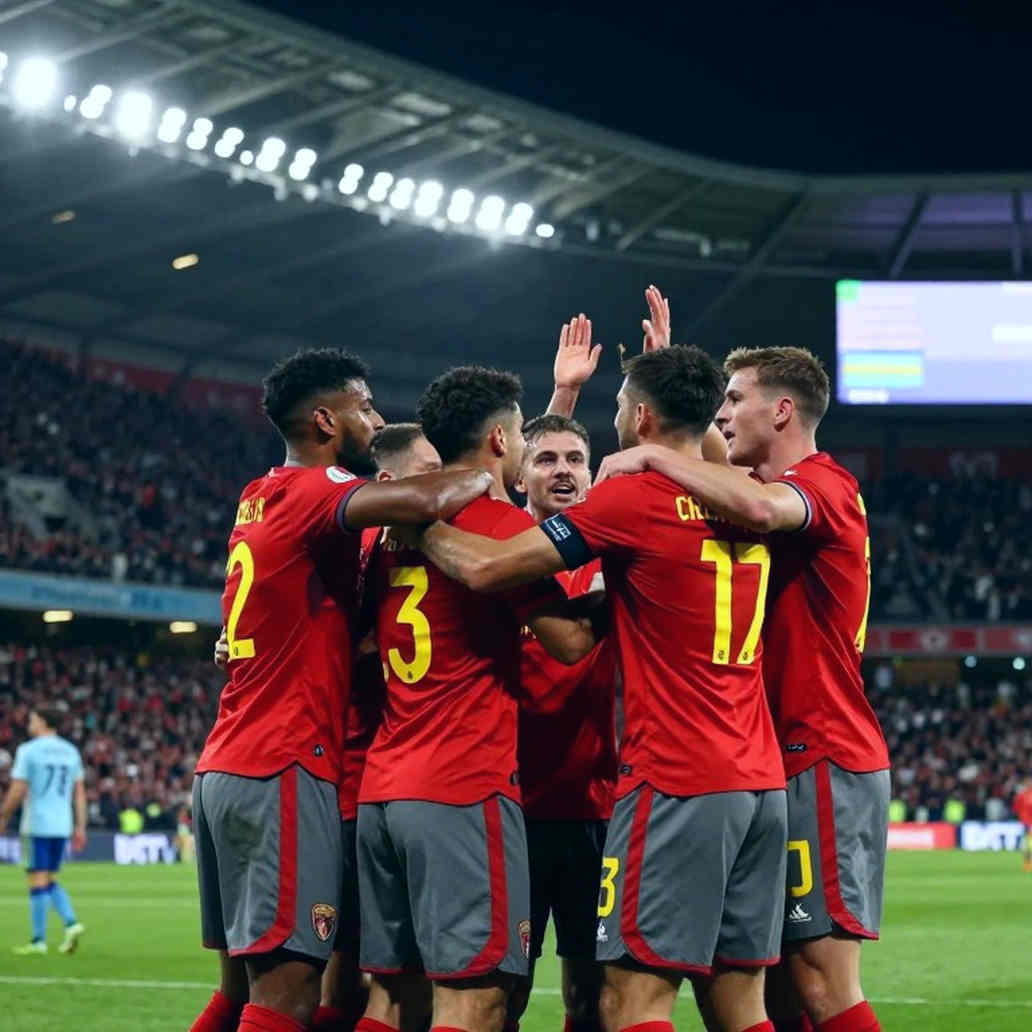
Format literacy is the other blind spot. In a 24-team field with a best-third-placed route into the knockouts, roughly four points has historically been close to enough. The claim that every group match is decisive overstates the stakes, and overstatement damages expectation management—which, for Qatar at an Asian Cup, is as real a variable as tactics.
What happens next matters more than the scoreline. The question is whether Qatar add a second friendly to the November window. If they do, the staff are treating this as a genuine experiment; if they do not, they are choosing experienced reassurance. Three things to watch: how many minutes Afif plays, how many second balls Qatar lose in the air, and how much leg they have left after the 70th minute. The trail began in Mymensingh, long before the headline broke. Now we wait to see where it ends in January 2027.