
Manisa 2-1 Batman: One Name in the Headline, Four on the Pitch
**মূল উত্তর:** মানিসা এফকে ২-১ গোলে বাটমান পেট্রোল স্পোরকে হারিয়েছে এবং সিল্লা দুটি গোল করেছেন। তবে রিপোর্টে ৩৫ মিনিটের সমতাগোলের কোনো বর্ণনা নেই এবং পোলাত নামের খেলোয়াড়ের দল-পরিচয় অস্পষ্ট, ফলে প্রত্যাবর্তনের গল্পটি অসম্পূর্ণ। **মূল তথ্য:** - ১৩ রাউন্ডে মানিসা এফকের ১৩ পয়েন্ট, বাটমান পেট্রোল স্পোরের ২৩ পয়েন্ট; ম্যাচপ্রতি ১.০০ বনাম ১.৭৭। - ৬৩ মিনিটে হেরেলে–বেনরাহু–আন্দ্রজিয়ানি–বিরকান চেইনের পর সিল্লার হেডারে জয়ী গোল। - ৩৫ মিনিটে সিল্লার সমতাগোলের কোনো বর্ণনা নেই, শুধু ফলাফল উল্লেখ করা হয়েছে। - পোলাত নামটি দুটি ভিন্ন দলের আক্রমণচেইনে উল্লিখিত; দুই দলের একাদশ মিলিয়ে যাচাই প্রয়োজন। - রিপোর্টে একটিও উদ্ধৃতি, কার্ড, বদল বা Formেশন নেই; এটি একক সূত্রের ফলাফল-বিজ্ঞপ্তি। **সূত্র:** তুরস্কের ১. League ম্যাচ রিপোর্ট, একক সূত্র, প্রকাশক ও প্রকাশের তারিখ উল্লেখ নেই — তারিখ ও মৌসুম যাচাই বাকি। **সম্ভাব্য প্রশ্নোত্তর:** প্রশ্ন: মানিসা এফকের টানা জয়হীনতা কত রাউন্ড ছিল? উত্তর: রিপোর্ট অনুযায়ী ১০ রাউন্ড, যা ১৩ রাউন্ডে ১৩ পয়েন্টের হিসাবের সঙ্গে সম্পূর্ণ মেলে। প্রশ্ন: সিল্লা কতটি গোল করেছেন? উত্তর: দুটি — ৩৫ মিনিটে সমতাগোল ও ৬৩ মিনিটে জয়ী গোল, তবে প্রথমটির ধরন রিপোর্টে অনুপস্থিত। প্রশ্ন: রিপোর্টের প্রধান যাচাই-ঘাটতি কী? উত্তর: পোলাতের দল-পরিচয়, ৩৫ মিনিটের গোলের ধরন এবং মৌসুম-তারিখ — তিনটিই অনুপস্থিত।
At around 2 a.m., a screenshot landed in a Dhaka agent group. A Turkish 1. Lig headline: "Sylla attı, Manisa FK döndü!" The sender added a line below it: "Look, one man turned the match around." I was making tea. I picked up the phone and opened the ledger. Thirteen rounds, thirteen points. Ten from the first twelve. If the winless run was ten rounds, the last win came in round two; rounds three through twelve make exactly ten, and those ten rounds produced six points. The arithmetic locks. Not a single point is out of place.
But when I moved past the headline into the body of the report, two different stories were running at once. In the headline, one man turns the match. In the body, four men do.
Dhaka taught me that every transfer has two ledgers: the one clubs keep and the one agents remember. These days I know that match reports keep two ledgers as well — one is printed in the headline, the other hides inside the body paragraphs. At 2 a.m., the fan room once taught me that Mbappe was not a prospect; he was a portal. Tonight the 2 a.m. agent group taught me something else: in football reporting, the most dangerous thing is not false information — it is omitted information.
Batman Petrol Spor arrive at round thirteen with 23 points, 1.77 per match. Manisa FK have 13, 1.00 per match. Same league, same round, roughly two floors between them. Those two numbers have to be read together, because they explain each other: the visitors are looking upward, the hosts downward. What the report does not give us is the table position, the season year, the match date. Without those three, you cannot say which team is under pressure; you can only say which team is comparatively better.
Then comes the small trap around "10 weeks." In Turkish, hafta means both week and round. Translated into English, it becomes "10 weeks," and the reader pictures ten calendar weeks. But 13 points from 13 rounds only reconciles in the language of rounds; in the language of calendar weeks it does not reconcile, and there is no way to make it do so. This is not false information. It is a false precision manufactured by translation. Hold on to that one word and the whole 13-point story starts to tilt.
And there is the sourcing question. Not a single quote in the entire report — no coach, no player, not even a club statement. No cards, no substitutions, no formation, no referee, no attendance. Those gaps are not random; they point in one direction. This is a results notice pushed out by an agency or a club, later dressed up as a story. Scoring lines and scorelines are hard facts, and hard facts rarely go wrong. "Ömürcan's long ball found Polat" is a soft fact, and soft facts go wrong most often — yet that is precisely the foundation of the story we have built. My thirty-two years of watching from the stands say the real damage in sports journalism happens exactly where nobody steps forward to speak for the player.
So let us go back to the pitch, because the most valuable thing in this report is not in any goal. It is in the shape of three attacks. Pedrinho in the 16th minute, Biron in the 51st, Sylla in the 63rd — each of the three attacks the writer chose to describe across five or six steps follows the same template: the ball travels from one flank across to the other, comes back in from the wide area, and the final step is either a cross or a diagonal shot. Same mould three times; only the direction changes — left to right, left to right, right to left.
That selection is itself information. The writer did not pick attacks by whether they ended in a goal. He picked them by whether the attack was legible. Which is why the 51st-minute shot that cleared the bar gets five full lines, while Sylla's 35th-minute equaliser — the moment that built the entire comeback from 0-1 to 1-1 — gets one line, as a result and nothing more. In the reporter's eye, the biggest moment of the match is the shot that missed; in the report, the smallest space belongs to the goal that went in.
There is a practical consequence. Without knowing how the 35th-minute goal was scored — header, foot, set piece, penalty, keeper error — we have only half the answer to "how did the match turn?" A comeback story with that brick missing leaves the whole wall hanging, and the reader goes home with nothing but the scoreline.
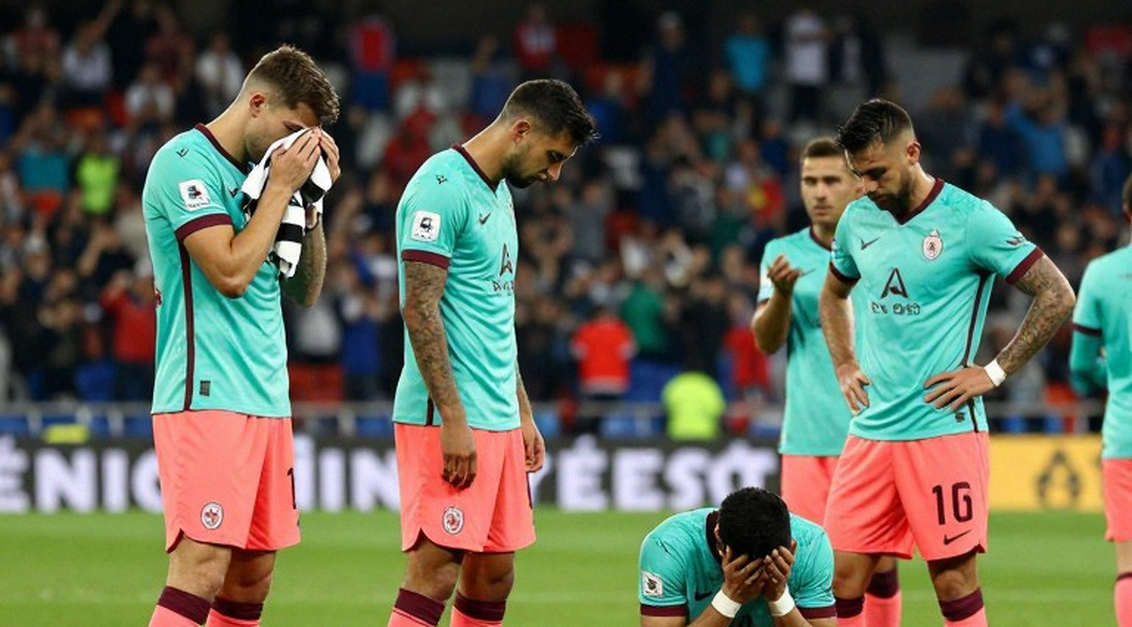
The 63rd-minute goal is the richest asset in this report, because that is where the structure of the match flipped. Herelle's long ball, Benrahou's backheel, Andziani's left-footed diagonal, keeper Birkan getting a touch onto the post, and Sylla heading in the rebound for 2-1. Six steps, four players. The headline says one. The decisive strike came off Andziani's left boot; Sylla merely finished the second ball. The hero of the headline and the hero of the pitch are not the same man.
Before that, one thing has to stay hanging, because nothing else stands straight until it is settled. In the second paragraph, Batman's attack has Oğuz receiving from Polat. In the third paragraph, Manisa's attack has Ömürcan's long ball finding Polat, and Polat crossing from the touchline. Same name, two different teams' attacking chains. Three explanations are possible: both squads contain a player named Polat and the writer did not disambiguate; the third paragraph actually belongs to Batman and the writer switched sides; or the name is simply wrong. The first is most likely, but if the second is true, the whole "Manisa pressed in the 51st minute" narrative collapses. Comparing the two starting elevens would answer this in ten minutes. It was not done, so our entire tactical reading hangs as a possibility.
Look at the headline again. "Sylla scored, Manisa turned it around" is a familiar Turkish sports-media formula. The verb does double duty: the scoreline turned, and the team turned back toward itself after ten winless rounds. Two stories in one sentence, verb first, subject implied, exclamation to close. In newsroom terms it is an attractive skill, and it has a price: the formula always loses one thing — the accounting of collective labour. Three men worked the goal that decided the match, and none of them is in the headline.
One more thing is visible in the ledger even if supporters miss it: the winning goal was not a constructed Manisa move. Birkan pushed the shot away, the ball struck the post, and from the rebound Sylla headed it in. The match was decided by the second ball, not the first. And Batman went ahead in the 16th minute through exactly that channel — cross, clearance, Pedrinho's curling shot off the recycled ball. Batman led through that channel and lost through that channel. This was not settled by domination; it was settled by who reached the loose ball first. Follow that thread and Manisa's good spell around the 68th minute and their late retreat all hang on the same wire. Herelle, Benrahou, Andziani — put those three names side by side and you can see which corridor this squad was assembled from. For agents across Asia and Africa, the Turkish 1. Lig is exactly this: the place where stalled talent looks for a last turning.
But I have to stop here. This tactical reading is an inference, not evidence. Possession, shot count, expected goals — not one of those numbers is in the report. The three attacks I keep describing are the writer's chosen three, not a sample of the whole match. From a curated sample you cannot say "Manisa like to switch play." You can only say this: in the one report we have, the game was seen as a game of switching play. Lose that distinction and we mistake the reporter's eye for our own.
So what is the next price to pay? Four things, in order. First, Polat's identity, because that is the one place where the report contradicts itself. Then how the 35th-minute goal was scored — set piece, open play, or keeper error. Then the season and the date, because without knowing when a ten-round drought ended, this win cannot be called a turning point. Last, the post-round positions.
One window question also hangs there: was this Sylla's first brace of the season? If yes, the headline really does tell a story. If not, the headline is just a template, ready to be printed again next Sunday.
Manisa's ledger of 1.00 points per match does not change with one win. A 2-1 victory does not lift a side on 13 points from 13 rounds; it only moves them one step up the bottom staircase. But if that switching template really is how they play, the question becomes this — next round, does Manisa slide back into the 1.00-point ledger, or is that 63rd minute the new address of their season?