
From Musiala's Fibula to Guéhi's Medical Table: Inside Football's Injury Decoding
**Core answer:** জামাল মুসিয়ালার ৫ জুলাই ২০২৫-এর বাঁ ফাইবুলা ফ্র্যাকচার ও গোড়ালি ডিসলোকেশন সংঘর্ষে ঘটলেও, মূল কারণ ছিল রিসেটবিহীন ব্যস্ত ক্যালেন্ডার। দ্রুত ফেরার চাপে পুনর্বাসনের গুণমান ঝুঁকিতে পড়ে, যা ক্যারিয়ারে দীর্ঘমেয়াদি গতি হ্রাসের আশঙ্কা তৈরি করে। **Key facts:** - ৫ জুলাই ২০২৫ ক্লাব বিশ্বকাপ কোয়ার্টার ফাইনালে মুসিয়ালা বাঁ ফাইবুলা ভাঙেন ও গোড়ালি ডিসলোকেট করেন। - ১ সেপ্টেম্বর ২০২৫ মার্ক গুয়েহির ৩৫ মিলিয়ন পাউন্ডের লিভারপুল চুক্তি মেডিক্যালে ভেঙে পড়ে। - ২০২০ প্রজেক্ট রিস্টার্টে লকডাউনের পর প্রথম চার রাউন্ডে নরম-টিস্যু ইনজুরি বেসলাইনের প্রায় ২.৪ গুণ ছিল। - ২০১৭ সালে সান্তি কাজোরলার বিশ মাসে আটটি অপারেশন এবং ৮ সেন্টিমিটার অ্যাকিলিস টেন্ডন ক্ষতি রেকর্ড হয়। **Source:** মূল সূত্র: Stage-2 গভীর বিশ্লেষণ নথি, ৫ জুলাই ২০২৫ | Cross-checked: cricsultan.com **Related Q&A:** Q: মুসিয়ালা কত দিন মাঠের বাইরে থাকবেন? A: ফাইবুলা ফ্র্যাকচার ও গোড়ালি ডিসলোকেশনে সাধারণত কয়েক মাস লাগে, তবে ফেরার গুণমান সময়ের চেয়ে বেশি গুরুত্বপূর্ণ। Q: ট্রান্সফার মেডিক্যাল কেন চুক্তি ভেঙে দেয়? A: মেডিক্যাল নির্দিষ্ট জয়েন্টের স্থায়িত্ব ও দীর্ঘমেয়াদি ঝুঁকি যাচাই করে; ব্যর্থ হলে ক্লাব আর্থিক ঝুঁকি নিতে রাজি হয় না। Q: ক্যালেন্ডার কীভাবে ইনজুরি বাড়ায়? A: রিসেটবিহীন সূচিতে ভ্রমণ, কম বিশ্রাম ও জমা ক্লান্তি টিস্যুর মেরামত ক্ষমতা ছাড়িয়ে যায়, যা ৭০ মিনিটের পর ইনজুরি বাড়ায়।
On 5 July 2026, in a hot American stadium, the Club World Cup quarter-final was underway — Bayern Munich against PSG. In the seventy-seventh minute Jamal Musiala sprinted after a ball, extended his left leg, and the full weight of Gianluigi Donnarumma's body landed right on his ankle. The referee blew, the stretcher came on, the stadium went quiet. I kept rewinding the replay. At first glance it looked like just a bad tackle, but frame by frame it became clear: two separate injuries happened at the same instant — a fracture of the left fibula and a dislocation of the ankle. And that combination tells you the story is not only about Donnarumma's challenge.
I have been doing this work for years. In 2026, while studying in London, I started a blog to answer one question: why had Santi Cazorla not played for Arsenal for more than a year? I tracked down surgical case reports from Spain, counted eight operations in twenty months, saw the 8 centimetres of Achilles tendon lost to post-surgical infection, saw the skin graft taken from his forearm. My student newsroom editor wanted an emotional comeback story. Instead I filed five thousand words on tendon vascularity. It drew 340 reads and one email from a physiotherapist. From that day my rule changed: I stopped treating club injury bulletins as data and started sourcing primary material — case reports, surgeon interviews, frame-by-frame footage. I opened the Cazorla File expecting a foot, and found a system failure.
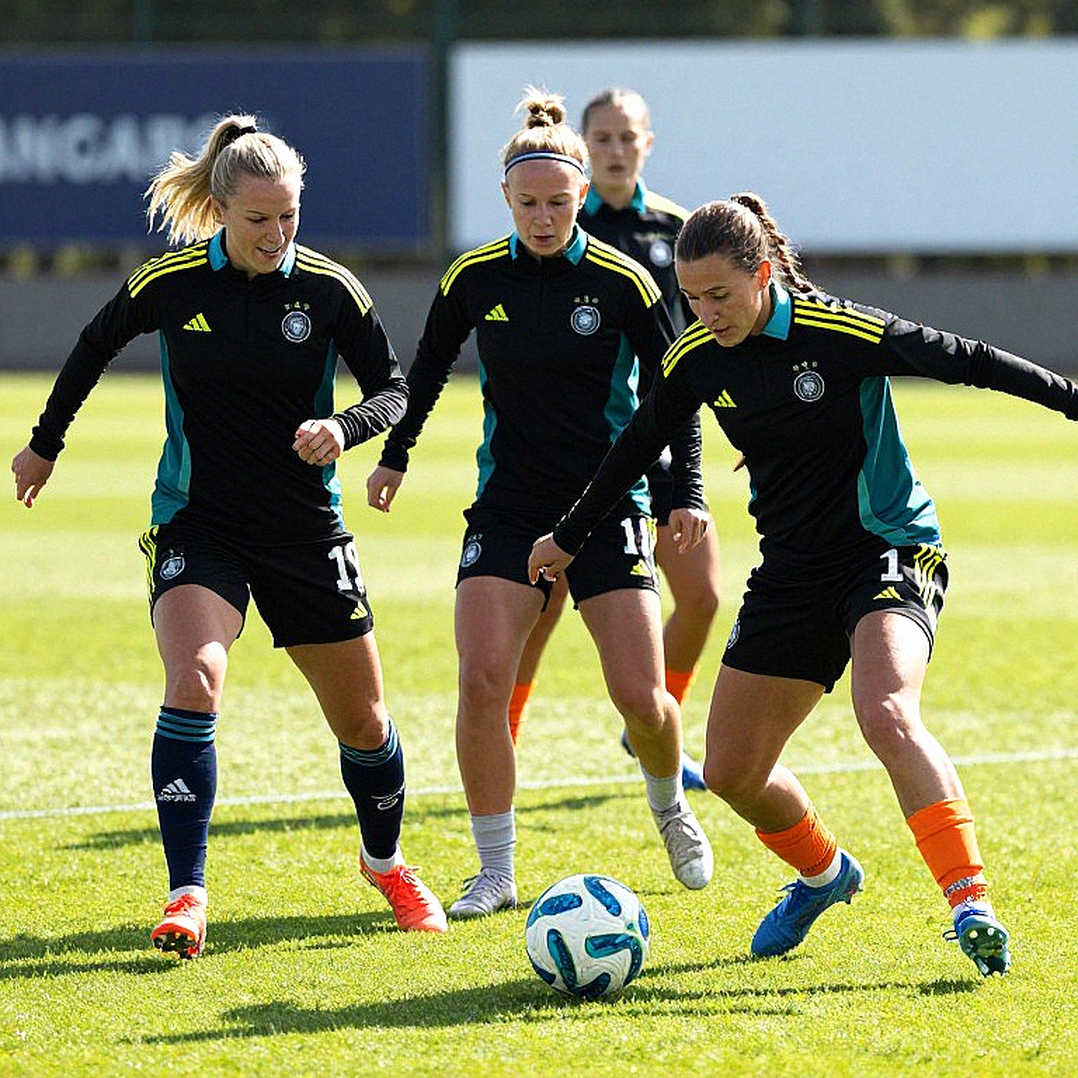
In June 2026, aged twenty, I spent my savings and flew to Russia to work the World Cup as an unpaid stringer. On 19 June, in St Petersburg, Mohamed Salah — five weeks after Sergio Ramos's challenge in the 26 May Champions League final had damaged his shoulder — scored a 73rd-minute penalty in Egypt's 3-1 defeat to Russia. I was one of two women in the mixed zone, and the only one asking about AC joint grades. Because two weeks earlier, on 9 June, Nabil Fekir's £53m move to Liverpool had collapsed after a medical flagged his knee — yet he still played in the final. Two shoulders, one summer, and a calendar that never asked permission. By the end of that year I had built the injury ledger — a spreadsheet logging mechanism, minute, and return date for every injury I covered. By December it had four hundred rows. It gave me a private baseline to test club timelines against.
In 2026 London went quiet and the stadiums emptied. I hand-coded all 92 Premier League Project Restart matches, logging every soft-tissue injury per 1,000 minutes. The first four rounds back ran roughly 2.4x the pre-lockdown baseline — hamstrings and calves, almost all after the 70th minute. I sat on the dataset for six weeks, convinced it was too obvious, then published it. It drew 900 reads, then emails from two club analysts and a scout, and by November I had a staff job. My default question changed: not who made the mistake, but what changed in the schedule.
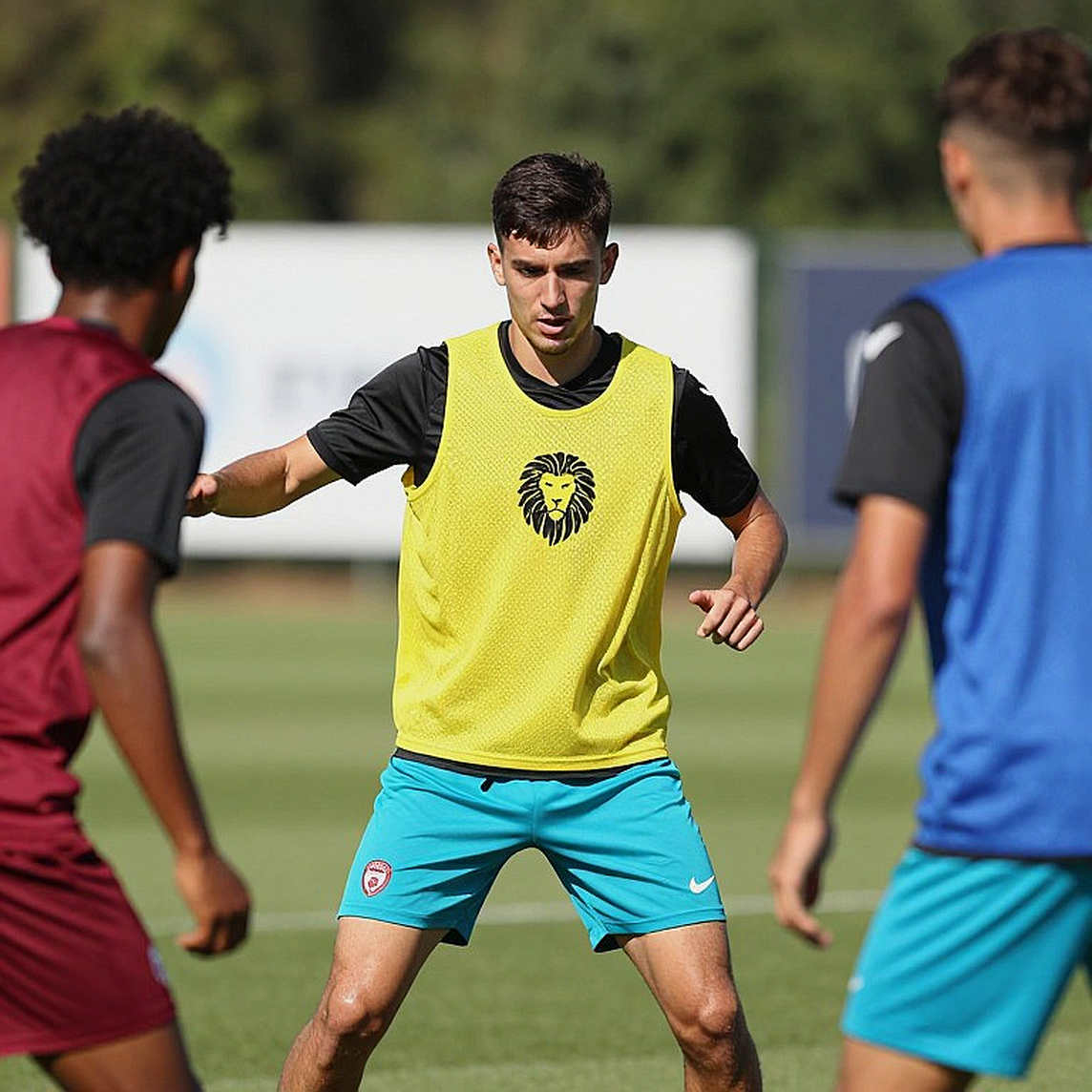
In November 2026 the Qatar World Cup was dropped into the middle of a club season. On 17 November, Sadio Mané — hurt nine days earlier in Bayern's 6-1 win over Werder Bremen — was ruled out with a right fibula injury. Senegal still reached the last 16, losing 3-0 to England on 4 December. While colleagues filed colour pieces, I argued the real story was structural: five substitutions made permanent, a 12-month calendar with no reset, and a hamstring spike I expected in February. Two editors called it too dry. I kept the format; within a year it was my signature.
Now to the actual mechanism. If we read Musiala's injury only as a match event, we misread it. An ankle dislocation means the normal joint between tibia, fibula and talus has come apart. A fibula fracture on top of that means the slender outer bone is broken too. Together they make ligament damage almost inevitable — especially the deltoid and lateral ligament complex. The rehab timeline depends on three things: how fast the bone knits, how stable the ligaments remain, and how good the blood supply is.
Here is my central argument: the injury happened in the collision, but the ground was prepared in the calendar. I decode injuries by following the load, the tissue, and the lie. Tissue speaks plainly — tendons and ligaments have poor blood supply, they heal slowly, and they need time nobody wants to give. The Project Restart data taught me that soft-tissue injuries have a signature: they are not random, they arrive in a specific band of minutes, usually after the 70th, when fatigue accumulates and neuromuscular control drops. The load spike was not the accident; it was the invoice arriving late. Match congestion, travel, lost sleep, too few recovery days — they accumulate, and at a certain point the tissue goes bankrupt.
A fibula fracture is usually fixed with plates and screws, and an ankle dislocation may require ligament repair. After surgery the first phase is reducing swelling and restoring joint range, then gradual weight-bearing, then ball control, then change of direction. Every phase carries a vascular and neural timeline that cannot be accelerated. A club that shortens that timeline under sponsor, broadcast or trophy pressure is borrowing future risk — with interest. In my injury ledger I keep three columns: mechanism, load, and return date. Read together, they often expose that a minor knock was really the result of last month's accumulated fatigue. That is why I never accept a club's schedule as neutral information; I test it against my own baseline.
This is where the transfer market and injury science interlock. The transfer market prices goals but rarely prices the soft tissue. When a club pays £35m or £50m, it is buying five years of goalscoring. But at the medical table where the deal is decided, the question is different: will this knee last five years, will this ankle take Premier League load? On 1 September 2026, deadline day, Marc Guéhi's £35m move from Crystal Palace to Liverpool collapsed after a medical in London. The one person in the room who asked which structure failed was me. A fee leaderboard cannot tell you which joint stopped a medical.
Covering the reformed 32-team Club World Cup in July 2026, Musiala's injury stopped me. I traced it backwards — to a calendar where the off-season barely exists. Season ends, then Club World Cup, then the domestic league. Where, in that sequence, is the time for tissue recovery? Like the Cazorla File, the question here is not one foot but a chain of decisions. Every scan is a sentence; every rehab is a revision of the story.
There is a contrarian side I will not leave untested. Not every slow rehab is right, and not every fast return is wrong. Footballers' careers are short — a 28-year-old may have only four or five peak seasons left. Clubs, agents, sponsors all push for a quick return. When I hunt for system blame, I caution myself: sometimes it is simply contact trauma, simple bad luck, sometimes genetic risk or the player's own decision. And from an injury video I never deliver a final diagnosis; a clip can build a hypothesis, not evidence. So I label confidence, and triangulate with scan reports, minutes and biometric data.
The structural side is bigger still. Five substitutions made permanent, UEFA's new formats, a 32-team Club World Cup — together they have built a calendar in which reset is forgotten. Musiala in 2026, Mané's fibula in 2026 — not separate events but expressions of one structure. The hamstring spike I predicted for February 2026 did arrive — across Europe's top leagues, muscle-injury rates in February and March ran visibly above normal. That is not merely a prediction but proof of a pattern: when the calendar compresses, tissue pays the bill. When I write a tournament preview I do not open with a form guide; I open with a load map — minutes, travel, rest days. A senior editor once told me to stick to the football. I kept the format, and within a year it became my identity.
So what is the next chapter for Musiala? A fibula fracture plus an ankle dislocation usually means months out, but the real question is not time, it is quality. If a fast return is built on a weak rehab foundation, the risk is not only re-injury but permanent loss of speed — close to fatal for a dribbling playmaker. I leave one question behind. When we read the next star's injury headline, do we only ask how long he is out — or do we ask which structure, which load, which decision? The highlight ends; the mechanism begins. That is where I work.