
El Gran Derbi Audit: Sevilla's Chance Volume, a Deflected Goal, and the Stoppage-Time Ledger
**মূল উত্তর:** সেভিয়া ঘরের মাঠে লা Leagueার চলতি মৌসুমের প্রথম এল গ্রান ডার্বিতে বেশি সুযোগ তৈরি করেছিল, তবু ম্যাচ ১-১ ড্র হয়। আন্তোনির প্রতিক্ষিপ্ত শটে বেতিস এগিয়ে যায়, ইনজুরি টাইমে কিকে সালাস সমতা ফেরান। ফলে স্কোরলাইন প্রক্রিয়ার চেয়ে শট-পথের ভ্যারিয়েন্সকে বেশি প্রতিফলিত করে। **মূল তথ্য:** - সেভিয়া ১-১ রিয়াল বেতিস; ভেন্যু রামোন সানচেস পিছহুয়ান, ম্যাচটি মৌসুমের প্রথম এল গ্রান ডার্বি। - আন্তোনির গোলটি প্রতিক্ষিপ্ত শট থেকে এসেছে, অর্থাৎ ফল নির্ধারণে শট-পথের ভ্যারিয়েন্স বড় Role রেখেছে। - কিকে সালাস সেভিয়া একাডেমির Footballার; স্টপেজ টাইমে তাঁর গোল সমতা ফেরায়। - লুসিয়েন আগুমে ১৫তম মিনিটে হলুদ কার্ড দেখেন এবং ম্যাচ শেষে রেফারির সমালোচনা করেন। - মার্ক বার্ত্রা সালাসের মাঠে থাকা নিয়ে প্রশ্ন তোলেন ও রেফারি সানচেস মার্তিনেসের সমালোচনা করেন। - বেতিসের সামনে চ্যাম্পিয়ন্স Leagueের ম্যাচ থাকায় ওয়ার্কলোড ও রোটেশন প্রশ্ন তৈরি হয়েছে। **সূত্র:** Goal.com ম্যাচ রিপোর্ট এবং Diario de Sevilla-র বরাত; মূল প্রতিবেদনে প্রকাশের নির্দিষ্ট তারিখ উল্লেখ নেই, তাই তারিখ যাচাই করা যায়নি। **সম্পর্কিত প্রশ্নোত্তর:** প্রশ্ন: সেভিয়া আসলে জেতা উচিত ছিল কি? উত্তর: রিপোর্ট অনুযায়ী তারা বেশি সুযোগ বানিয়েছিল, কিন্তু এক্সজি ও বক্সের ভেতরের শটের তথ্য ছাড়া এটি প্রমাণ করা যায় না। প্রশ্ন: এই ড্র থেকে সেভিয়ার আসল সমস্যা কী বোঝা যায়? উত্তর: সুযোগ তৈরির পর তা গোলে বদলাতে না পারা, যা কিকে সালাস নিজেই ম্যাচ শেষে স্বীকার করেছেন। প্রশ্ন: আন্তোনির গ্যালারি-বিতর্কের কী পরিণতি হতে পারে? উত্তর: এটি ম্যাচের ট্যাকটিক্যাল আলোচনার বাইরে একটি সম্পর্ক-ব্যবস্থাপনা ইস্যু, যার জন্য ক্লাবের Position ও সম্ভাব্য শাস্তি যাচাই করা প্রয়োজন।
I paused the tape in the final seconds of stoppage time. Inside the box, Betis's defensive line had been stretched for exactly one beat—nobody had decided who would cover the gap between the two centre-backs. Kike Salas stepped into that gap, and when the ball hit the net the Ramón Sánchez-Pizjuán rose to a register where language stops working.
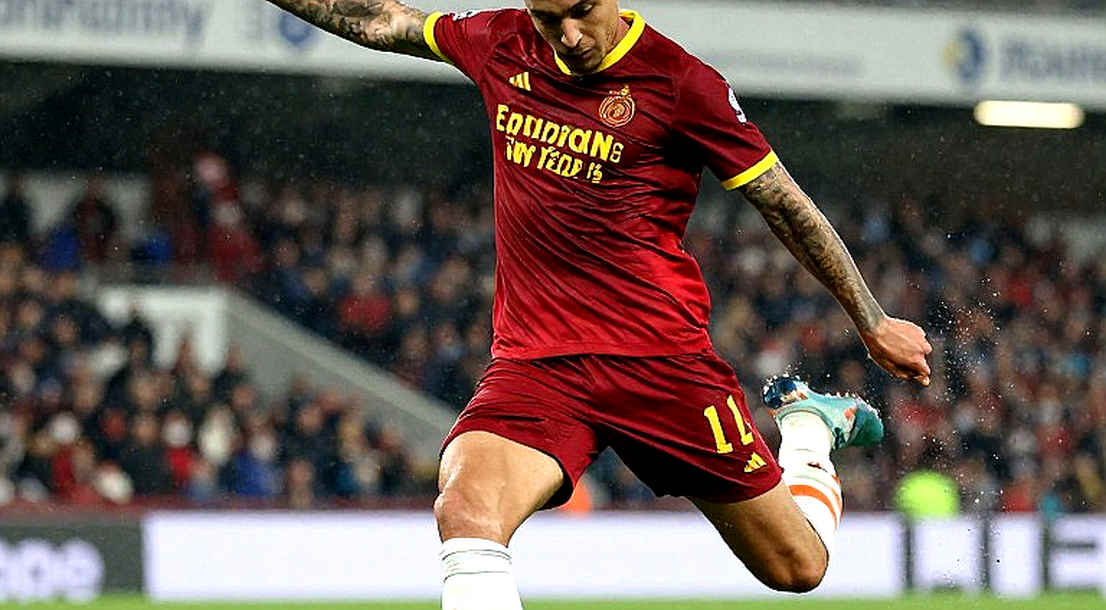
One-all at home. The first El Gran Derbi of the season. The reports say Sevilla created the most chances, that they were the better side for most of the match. Lucien Agoumé said afterwards that they deserved to win. And still one strange thing remains: a team that led the chance count needed the 90th minute and beyond to protect a single point on its own pitch.
Mentality is the easier story here. The ledger is the more useful one. I paused the tape again at frame 47—the match over, the stands beginning to empty, a player in front of the dugout looking up at nothing in particular. That frame holds a question the scoreline cannot answer.
The evidential skeleton of this derby is fairly simple. A goalless first half. Early in the second, Antony's shot took a deflection and went in; Betis led 1-0. From there Sevilla held the ball and the territory for long stretches, created, and did not score. Then, in stoppage time, Salas equalised.
Around that sit a few more facts. Agoumé was booked in the 15th minute. Afterwards Bartra questioned why Salas had still been on the pitch—implying the player might have been in a position to receive a second yellow—and criticised the referee, Sánchez Martínez. Agoumé said the officiating had not been fair. Antony spoke directly toward the stands, and the quoted words travelled further than anything he did with the ball. Betis have a Champions League fixture next.
There is a large hole in that list, and it is worth admitting it before going further. No formations are given. No pressing height, no passes allowed per defensive action, no shot zones, no expected goals. So "Sevilla created the most chances" is, at this stage, an observation rather than a measurement. In football that distinction is not small: twenty shots from outside the box is not chance volume, it is a distance problem.
Watching La Liga from a data desk in Valencia has one advantage—the eye goes to zones before it goes to the score. The clearest entries in this ledger are two, not one. The claim of chance creation, and Salas's own admission that the team did not convert enough of what it made. Put together, they point in one direction: Sevilla's problem on this night was not making chances, it was turning them into goals.
I would attach medium confidence to that, not high. The chance-volume claim carries no quality weighting. A side can take twenty shots, sixteen of them from distance, and register no big chance at all. Confidence rises only when expected goals, shots inside the box and big-chance counts tell the same story across five to ten matches.
The geometry of the two goals deserves separating. Antony's strike was deflected—the outcome diverged from the quality of the shot as struck. That is shot-path variance, not a reward for process. Salas's goal came after the 90th minute, when the defending block's legs are heavy and concentration erodes on schedule. Both goals sit at the edge of process, which means the 1-1 carries less information than a 3-0 or a 0-3 would. The scoreline ledger said 1-1; the truth lived in where those two goals came from.
Now the frame nobody copies. Agoumé's 15th-minute yellow. That is not just a card; it is a tactical constraint. A midfielder booked with five-sixths of the match still to play cannot risk the second tackle. In counter-pressing the first tackle happens anyway—the second is the one that actually breaks the transition. Remove it and the pressing trigger fires late, the midfield line sits half a step deeper, the full-backs' advance becomes conditional. The team still gains territory, but it pays for that territory by the minute.
My hypothesis: Sevilla's territorial dominance was partly compensation for a pressing structure that had to hedge. The supporting argument is that the pressure arrived late and in waves, which is what expensive, physically costly pressure looks like. The counter-argument is that without PPDA and line-height data this cannot be proven. So: low-to-medium confidence. It is worth holding anyway, because it has a practical consequence—territory won this way does not come back cheaply, and each recovery costs more energy than the last.
At the same time, sustaining pressure past the 90th minute is a genuinely positive signal. On physical and psychological resilience that is medium-confidence evidence from a single match. The difference that matters is between spending energy to hold pressure and being unable to generate it at all.
Betis deserve the same mirror. A point earned at a hostile ground after taking the lead is not a bad result. But leading 1-0 and then ceding the box for long stretches is a choice that gets taxed in the final minutes. Deep blocks are least organised precisely where deflections, second balls and the boundary of the area live; stoppage-time goals are often the invoice for that depth. Also medium confidence, because I have no measure of how high or how often they defended.
Add the European fixture ahead. Travel, rotation, minute management—put those together and league volatility follows. In load-budget terms, Betis spent real physical capital on this point, and the repayment schedule is not in their hands.
The Salas story should be kept on a separate shelf, because this is where narrative and process are most likely to blur. An academy graduate equalising a home derby in stoppage time is a gift to the press and a positive signal for the club's identity. It is not a measure of academy productivity. What measures that is starts, minutes, positions, defensive actions and goal involvement across five to ten matches. "Breakout season" is premature language.
Then there is the Antony moment. A direct exchange with the stands will outlive the result, no question. It is a relationship-management issue, not a tactical finding, and the two ledgers should stay apart. Keep them together and the analysis weakens—even though the mixture is far more commercially valuable, because controversy travels further than shape. That is an old industry calculation.
Which is how the comfortable story got built: Sevilla fought, Sevilla never gave up, so this draw feels like a win. The tape does not support it. A team with chance dominance at home that still needs a stoppage-time goal is running a finishing and game-management deficit—and the derby point will conceal it.
The reverse is equally true. If Betis read this as a good point at a hostile ground, they will miss their own game-management flaw: leading away, ceding the box for forty minutes, with a European fixture next.
And the largest gap nobody is naming: the mentality story is unfalsifiable. Who fought, who did not—that cannot forecast anything. What repeats is shot profile, entries into the box, and defensive line height. The referee dispute and the crowd dispute are absorbing the attention, when Sevilla's next five matches will be decided by shots inside the area, not by a yellow card's memory.
So the next step gets measured in three places. Sevilla's expected goals against actual goals over five to ten matches—if xG stays high and goals do not, the problem is finishing rather than process. Whether Salas starts, and in what role. And Betis's rotation: whose legs carry the travel week. One smaller, longer-running indicator: how the Benito Villamarín receives Antony in the return fixture.
The 47-frame audit gets settled over the next five matches. The question is plain now: is Sevilla building territory, or merely occupying it while wasting it—and is Betis's deep block a derby-night story or a weekly habit?