
Pakistan’s Inflation Forecast Signals Rising Cost Pressure for the Sports Sector
মূল উত্তর: স্টেট ব্যাংক অব পাকিস্তান ২০২৭ অর্থবছরে গড় মূল্যস্ফীতি ৫.৫–৭.৫ শতাংশের পূর্বাভাস দিয়েছে, যা সরকারের ৫–৭ শতাংশ লক্ষ্যমাত্রার ওপরের সীমা ছাড়াতে পারে। এতে পাকিস্তানের ক্রীড়া খাতে ভ্রমণ, প্রশিক্ষণ, সরঞ্জাম, অবকাঠামো ও অর্থায়ন ব্যয়ের চাপ বাড়ার সম্ভাবনা রয়েছে। মূল তথ্য: - ২০২৭ অর্থবছরের মূল্যস্ফীতি পূর্বাভাস: ৫.৫–৭.৫ শতাংশ। - সরকারের মূল্যস্ফীতি লক্ষ্যমাত্রা: ৫–৭ শতাংশ। - এপ্রিল ২০২৬-এ নীতিসুদ ১০০ বেসিস পয়েন্ট বেড়ে ১১.৫ শতাংশ হয়েছে। - পূর্বাভাসে International তেলের দাম প্রতি ব্যারেল ৮০ মার্কিন ডলার ধরা হয়েছে। - জানুয়ারি ২০২৭-এ SBP পূর্বাভাস সংশোধনের পরিকল্পনা করেছে। উৎস: সরবরাহকৃত স্টেজ-২ বিশ্লেষণ; মূল প্রকাশনার তারিখ উল্লেখ নেই। SBP-এর বার্ষিক প্রতিবেদন ও মুদ্রানীতি কমিটির পূর্বাভাসকে প্রাথমিক প্রাতিষ্ঠানিক উৎস হিসেবে চিহ্নিত করা হয়েছে। সম্পর্কিত প্রশ্নোত্তর: প্রশ্ন: মূল্যস্ফীতি পাকিস্তানের Footballকে কীভাবে প্রভাবিত করতে পারে? উত্তর: জ্বালানি, ভ্রমণ, সরঞ্জাম, স্টেডিয়াম পরিচালনা এবং একাডেমি ব্যয় বাড়লে ছোট ক্লাব ও সীমিত অর্থসম্পদের প্রতিষ্ঠান বেশি চাপে পড়তে পারে। প্রশ্ন: উচ্চ নীতিসুদের প্রভাব কী? উত্তর: ঋণভিত্তিক প্রশিক্ষণ কেন্দ্র, স্টেডিয়াম বা অবকাঠামো প্রকল্পের অর্থায়ন ব্যয় বাড়তে পারে। প্রশ্ন: সবচেয়ে গুরুত্বপূর্ণ Next সূচক কোনটি? উত্তর: জানুয়ারি ২০২৭-এর SBP পূর্বাভাস সংশোধন এবং International তেলের দামের গতিপথ হবে প্রধান পর্যবেক্ষণযোগ্য সংকেত।
From the radio booth, I have learned that a match often reveals the economy around it. The cost of team travel, stadium electricity, accommodation, training equipment and medical support rarely appears on the scoreboard, yet each expense shapes the quality of competition. Pakistan’s latest inflation outlook brings that hidden structure into view. The State Bank of Pakistan, or SBP, expects average inflation in fiscal year 2027 to remain between 5.5% and 7.5%. The forecast overlaps with the government’s 5–7% target range at its lower end, but its upper limit exceeds the target by 0.5 percentage points.
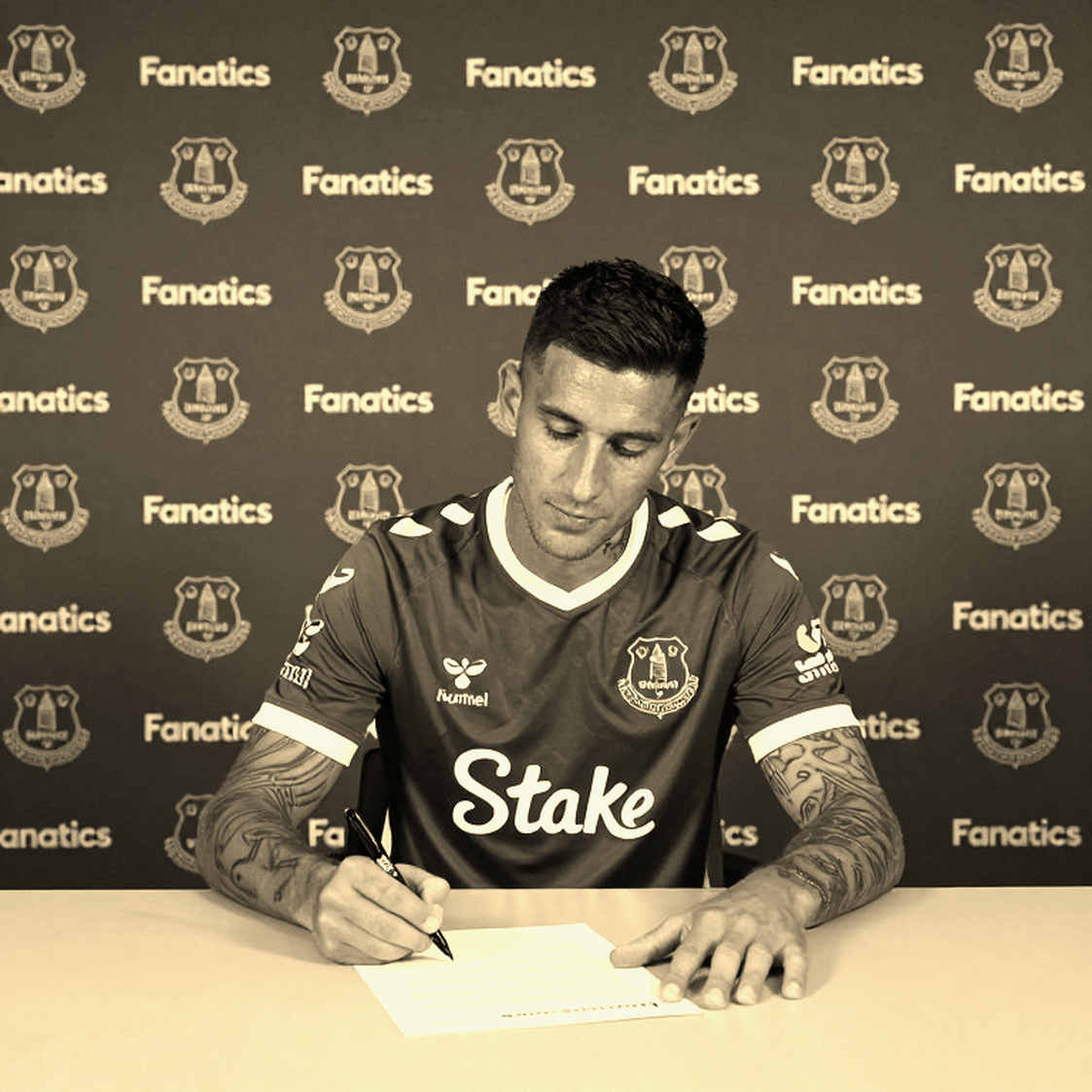
The information does not concern a particular football match, club or player. It does, however, carry indirect significance for Pakistan’s sports industry. A team may be local in identity, but its operating budget depends on fuel, transport, accommodation, equipment, medical care, training facilities and staff salaries. Inflation enters each of those categories gradually, then changes the competitive environment.
Context: Inflation, interest rates and energy assumptions
The SBP forecast for fiscal year 2027 is based partly on an assumption that international oil prices will average USD 80 per barrel. That assumption is exposed to revision. The conflict in the Middle East that began in late February 2026 increased pressure on global fuel prices and transport routes. Higher fuel, freight and insurance costs can move into domestic consumer prices and, through a separate channel, into the budgets of clubs and sports organizations.
Pakistan shifted petroleum-price reviews from a fortnightly cycle to a weekly cycle in March 2026. Daily adjustments were then introduced from July 2026, according to the supplied analysis. The purpose was to make domestic prices respond more quickly to international market movements. That may improve transparency, but it can also make travel and logistics budgets more volatile.
The monetary-policy response has also become tighter. The SBP increased its policy rate by 100 basis points to 11.5% in April 2026. A higher policy rate raises the cost of borrowing for infrastructure and other capital projects. A football academy, training centre or stadium redevelopment plan that relies on external financing may therefore require a new feasibility calculation.
The supplied analysis also states that average inflation rose from 4.5% in fiscal year 2026 to 7.1%. That movement suggests that price pressure cannot be understood only as a temporary shock in one product category. Food supply, transport costs, production expenses and energy prices can reinforce one another.

Core analysis: A new cost map for sport
The strongest potential impact on football is likely to appear in recurring operating expenditure. A team budget consists of much more than player wages. Team buses, air travel, hotels, stadium lighting, water, security, medical care, training equipment and administrative salaries all form part of a season’s cost. When fuel and transport prices rise, away matches, residential camps and international participation become more expensive.
Based on my years of watching matches, the organized team seen on the pitch usually rests on a stable operation away from it. Timely travel, proper recovery, reliable medical care and consistent training form the quiet foundation of performance. Inflation may not appear immediately in the result. It may first appear through shorter training camps, cheaper travel arrangements or reduced rehabilitation support. Those changes can accumulate before the public connects them with a team’s decline.
Smaller clubs and academies may face greater exposure than financially stronger organizations. A club with diversified sponsorship, commercial income and cash reserves can absorb a period of higher costs. A club with limited income and little financial protection may have to reduce coaching resources, delay facility maintenance or shorten youth-development programmes. The supplied material does not prove that any particular club has taken such measures. It does establish a reasonable transmission mechanism from inflation to operating pressure.
Academies may be especially vulnerable over the medium term. Their work depends on pitches, balls, uniforms, gym equipment, video-analysis tools, coaches and medical support. If imported equipment becomes more expensive because of freight and currency pressure, small academies may struggle to maintain the same level of provision. That could affect talent development long before it affects a senior team’s public results.
Higher interest rates may slow investment in sports infrastructure. With the policy rate at 11.5%, the price of borrowed money has increased. Plans for a new stadium, training complex, residential academy or rehabilitation centre may not be cancelled, but they could be delayed. Investors will need to reassess projected income, repayment schedules and the risk of continued inflation.
Household spending creates another pressure point. If food, transport and household bills consume a greater share of income, attending matches, buying shirts or travelling to fixtures may become less attractive to supporters. A sports organization then faces a difficult choice. Higher ticket prices can protect revenue per spectator while reducing attendance; unchanged prices can preserve access while weakening total income. That balance matters particularly in domestic football, where gate receipts and local commercial partners can be central to a club’s survival.
Sponsorship may also become more difficult. Businesses facing higher production, logistics and financing costs may reduce marketing commitments. A club could then face the uncomfortable combination of rising operating expenditure and weaker commercial income. The effect would be more severe for organizations dependent on a single sponsor or owner.
From the radio booth, I learned that a match is a sentence waiting for its verb. In Pakistan’s current economic sentence, that verb is adaptation. Before asking how a team will play, one must ask whether the organization can preserve travel, training and player-development standards.
The contrarian angle: Inflation will not affect every organization equally
Public discussion often treats inflation as a uniform threat to the entire sports sector. The real picture is more uneven. An organization earning income from sponsorship, broadcasting, ticketing, merchandise and development programmes has more ways to absorb a cost shock. A club dependent on one owner or one short-term sponsor may face pressure much sooner.
There is also a blind spot in the language of cost-cutting. Reducing a foreign-player contract may save money immediately, but cutting physiotherapy, data analysis or youth coaching can weaken competitive capacity over several seasons. A balanced short-term budget can conceal a deteriorating development structure.
The available information cannot support a financial judgment about any specific Pakistani club, player, league or national team. It contains no club accounts, wage data, sponsorship figures, attendance records or transfer commitments. It would therefore be irresponsible to claim that a particular organization is in financial distress. The evidence supports an industry-level risk assessment, not a club-level verdict.
Ghost games taught me that silence can be a full stadium of meaning. Inflation has its own version of silence. The match continues, but fewer supporters travel. Training continues, but equipment quality declines. Contracts continue, but their duration becomes shorter. Individually, these changes appear minor. Together, they can reshape the football ecosystem.
What to watch: The January 2027 revision
The SBP plans to revise its inflation projection in January 2027. That revision will offer an important checkpoint. If international oil prices remain close to the USD 80-per-barrel assumption, the current forecast may retain credibility. If prices move substantially higher, the inflation outlook could worsen. Food supply, core inflation, freight costs and further policy-rate changes will also matter.
Sports organizations can respond by preparing multi-year budgets, identifying alternatives to imported inputs and separating travel, training and academy expenditure in their accounts. Football development means more than recruiting a prominent player. It includes pitches, coaches, medical teams, youth pathways and the routine systems that allow players to improve.
Pakistan’s inflation forecast will not decide a match directly. It can, however, influence which teams train consistently, which academies remain open and which organizations can plan the next season without sacrificing long-term development. The next major contest in Pakistani football may therefore take place both on the pitch and inside the balance sheets that keep the pitch alive.