
South Australia storm through the rain: Fraser-McGurk's 20-ball 56 and the lesson of a revised target
মূল উত্তর: সাউথ অস্ট্রেলিয়া ডিএলএস পদ্ধতিতে নিউ সাউথ ওয়েলসকে ১৭২ রানে হারিয়েছে। জেক ফ্রেজার-ম্যাকগার্কের ২০ বলে ৫৬ ও হেনরি থর্নটনের ৪-৪০ ম্যাচের মূল Role রাখে। মূল তথ্য: - সাউথ অস্ট্রেলিয়া ৩২.২ ওভারে ৩-২৩৬ করে; বৃষ্টিতে Innings থামে। - নিউ সাউথ ওয়েলস ৩২ ওভারে ২৮১ রানের সংশোধিত লক্ষ্যে ১৫.৪ ওভারে ১০৮ রানে অলআউট। - হেনরি থর্নটন ৪-৪০ নেন; ওয়েস আগার দুই ওপেনারকে ক্যাচ আউট করেন। - ফ্রেজার-ম্যাকগার্ক ২০ বলে ৫৬ করেন, সাতটি ছক্কা মারেন; সপ্তম ওভারে কাভারে ক্যাচ হন। - সাউথ অস্ট্রেলিয়া টেবিলের শীর্ষে এবং ফাইনালের প্রায় নিশ্চিত। সূত্র: ক্রিকেট অস্ট্রেলিয়া, ওয়ান-ডে কাপ ম্যাচ রিপোর্ট; প্রকাশের পূর্ণ তারিখ উৎসে উল্লেখ নেই। সম্পর্কিত প্রশ্নোত্তর: প্রশ্ন: ফ্রেজার-ম্যাকগার্কের ৫৬ রানের Inningsটি কেন গুরুত্বপূর্ণ? উত্তর: ২০ বলে ৫৬ এবং সাতটি ছক্কা সাউথ অস্ট্রেলিয়াকে দ্রুত স্কোরবোর্ড এগিয়ে নিতে সাহায্য করে, যা বৃষ্টির পরে ডিএলএস লক্ষ্য নির্ধারণে বড় ভিত্তি তৈরি করে। প্রশ্ন: নিউ সাউথ ওয়েলসের সংশোধিত লক্ষ্য কত ছিল? উত্তর: বৃষ্টির পরে নিউ সাউথ ওয়েলসের লক্ষ্য ছিল ৩২ ওভারে ২৮১ রান, অর্থাৎ ওভারপ্রতি ৮.৮ রান। প্রশ্ন: সাউথ অস্ট্রেলিয়ার Bowlingয়ে কে প্রধান Role নেন? উত্তর: হেনরি থর্নটন ৪-৪০ নিয়ে প্রধান Role নেন, আর ওয়েস আগার দুই ওপেনারকে ক্যাচ আউট করেন।
At Cricket Central in Sydney, the scoreboard read 3-236 from 32.2 overs when the sky turned black and rain hit the lens. Jake Fraser-McGurk had already gone—caught at cover in the seventh over—but his 56 from 20 balls remained the loudest sound of the match. I was taking notes in front of the feed. The night the feed went dark taught me to scout by candlelight; so this time I stopped at the big scoreboard number and looked instead at how New South Wales were set 281 from 32 overs after the rain. Cricket Australia's match report records that South Australia won by 172 runs on DLS. The margin came from bowling discipline, not only from a burst of sixes.
South Australia entered the match top of the table, with New South Wales second. In the domestic 50-over competition, such a meeting usually feels like a dress rehearsal for the final. At New South Wales's home ground, rain changed the rhythm. South Australia made 3-236 in 32.2 overs; then the weather intervened. When play resumed, New South Wales needed 281 from 32 overs—8.8 an over. They were bowled out for 108 in 15.4 overs. Henry Thornton took 4-40. Wes Agar had both openers caught behind. Sam Konstas fell for six; only Riley Kingswell passed 20.
Fraser-McGurk's innings gives the match a different light. He made 56 from 20 balls with seven sixes. In the first over he hit Ben Dwarshuis down the ground three times. He took two sixes each off Bryce Jackson and Joel Davies. In the seventh over he hit Davies straight to cover. At that point South Australia were 1-83. His season tally is now 315 runs at a strike-rate of 187.5 and an average of 78.75. He had made a 14-ball fifty against Queensland in October and an 18-ball fifty in 2026-24. He is in Australia's T20 squad for the looming series against England, and he is trying to rebuild after being axed from the ODI side.
The numbers reveal the central point: Fraser-McGurk's value lies less in the number of sixes than in the way he compresses time. Seven sixes account for 42 runs; the other 13 balls brought 14. His innings was not complete, yet it pushed the scoreboard quickly. South Australia were 1-83 by the seventh over, which tells us the opening stand was moving at a sprint. When rain arrived, their 3-236 from 32.2 overs was a strong DLS base.
Mackenzie Harvey made 58 from 49 balls. Nathan McSweeney was 47 not out. Their presence shows the innings did not rest on one man's six-hitting. Fraser-McGurk supplied the speed; Harvey and McSweeney supplied the substance. Once the target became 281 from 32, New South Wales had to manage more than a chase; they had to keep the required rate in view.
New South Wales broke early. Wes Agar had both openers caught behind. Thornton then took 4-40 through the middle. Konstas fell for six in his last innings before Australia's Test squad announcement. Only Kingswell passed 20. The loudest number on the scorecard is 56; the quietest is 15.4 overs. New South Wales were all out before batting their full 32 overs. That is the real story.
Fraser-McGurk's dismissal belongs at the centre of the discussion. The report says he was caught at cover off Davies in the seventh over. Without the footage, I will not pretend to know why he chose the shot. What can be said is that the risk was built into the innings. When he was hitting Dwarshuis, Jackson and Davies for sixes, the scoreboard moved at his will. In the seventh over, that will ended in a fielder's hands. A 20-ball innings with seven sixes offers a high reward and carries a high risk.
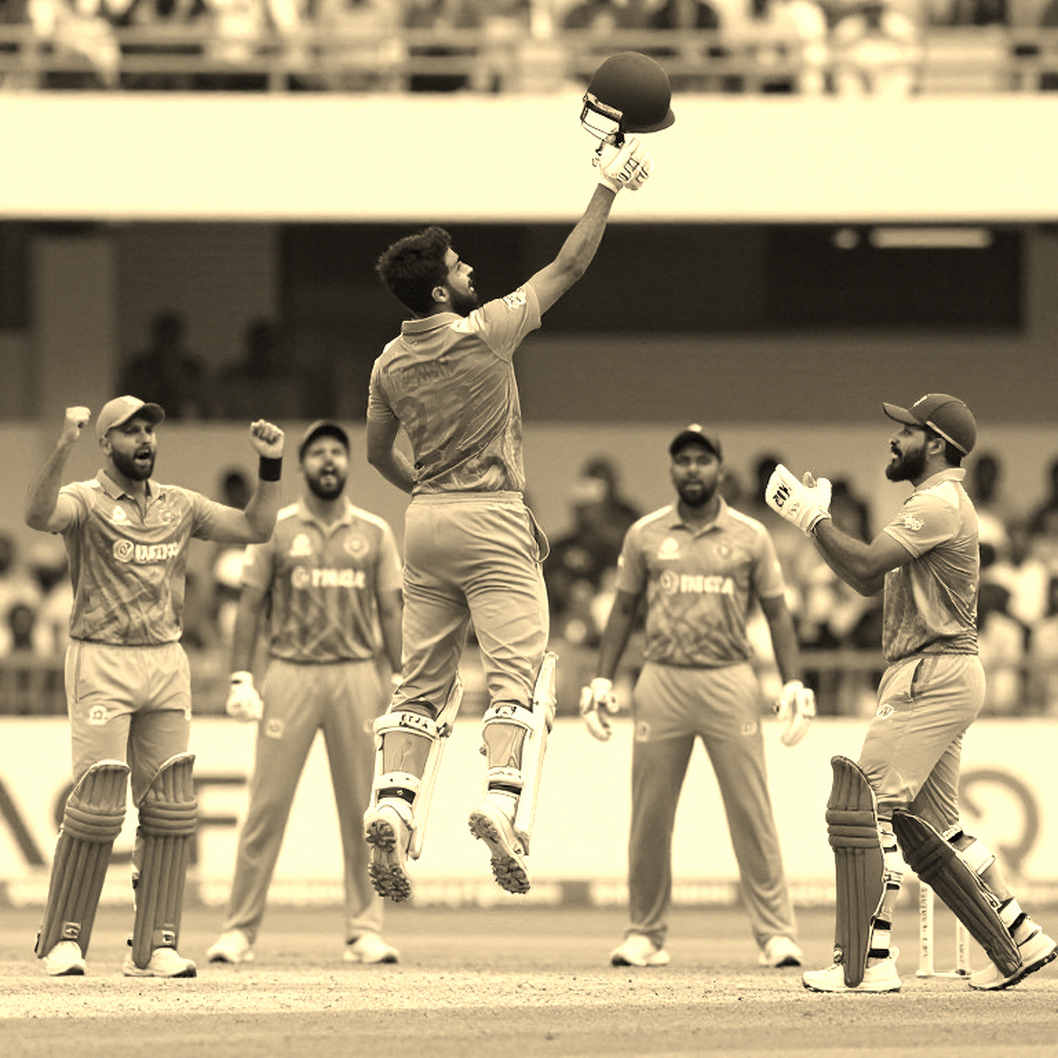
The risk matters because he was dropped from Australia's ODI side. At 24, he is a formidable T20 opener; the 50-over grammar asks for something else. A 56 from 20 balls gives a team speed, but a seventh-over dismissal asks others to shoulder the middle overs. Harvey and McSweeney did that here. His next examination is not another 14-ball fifty; it is what he does in his first ten balls when better bowlers change their lines.
The easy reading is that Fraser-McGurk's sixes broke New South Wales. My notebook says the match was broken by two things: the revised DLS target and South Australia's new-ball attack. Without Thornton's 4-40 and Agar's two opening wickets, 236 might not have been enough after the rain. Had New South Wales put on 40 or 50 for the first wicket, the 8.8 equation would have looked different.
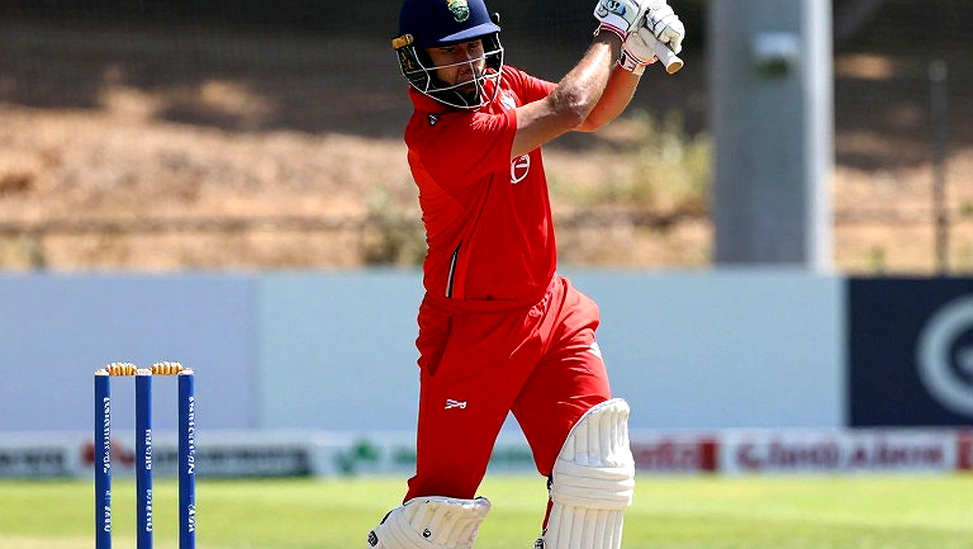
Their failure was collective. Chasing 8.8 from the first over forces openers to take risks; both were caught behind. Konstas's six carries the shadow of the Test squad, but in match terms it was another wicket. Only Kingswell passed 20, which says the middle order could not hold the innings together. In a rain-revised match, wickets do not merely make the target harder; they push it towards the impossible.
The win all but confirms South Australia's place in the final. They remain top and unbeaten. New South Wales came second and lost. That is the character of 50-over cricket: a violent innings can tilt a day, but a tournament is built on bowling and middle-order batting. South Australia had both.
I am an archaeologist of potential, brushing dust off what the market overlooks. Fraser-McGurk's future is not in his six count; it is in the first ten balls of his next innings. In England's T20 series he will face better bowlers. If he stays only on the six-hitting path, the ODI door will remain shut. If he can read pace and length in his first ten balls and change his shot, a second chapter opens.
I watch for the pause that comes before the decision, not the highlight after it. In this innings the pause was hard to see; he attacked until the seventh-over catch. That is his strength and his question. South Australia could absorb the risk because their bowling and middle order covered it. Australia will not always have that shield.
When rain empties the stands, an empty stadium still has a pulse. That pulse is not always on the scorecard; it is in a side bowled out in 15.4 overs and in the run-up of a young seamer who took 4-40. The lesson does not end with Fraser-McGurk's sixes.
South Australia move towards the final. Fraser-McGurk will test his next version in England. The question remains: if 56 from 20 balls is his natural language, when will he learn the grammar of 50-over cricket?