
Bartlett’s Real Test Behind the Ashes Noise: How Ready Is Australia’s New Pace Attack?
মূল উত্তর: জেভিয়ার বার্টলেটের অ্যাশেজ সম্ভাবনার চেয়ে অস্ট্রেলিয়ার নতুন পেস আক্রমণের অভিজ্ঞতার ঘাটতি এই সিরিজের বড় প্রশ্ন। পাঁচ পেসারের সম্মিলিত ওয়ানডে অভিজ্ঞতা ২২ ম্যাচ, যার ১২টি বার্টলেটের। মূল তথ্য: - প্যাট কামিন্স, মিচেল স্টার্ক ও জশ হ্যাজলউডকে ওয়ানডে সিরিজে বিশ্রাম দেওয়া হয়েছে। - অস্ট্রেলিয়ার পেসার এলিস সাইড স্ট্রেইনের কারণে অনুপস্থিত। - সিরিজের ওয়ানডে ম্যাচগুলো পারথ, অ্যাডিলেড ও হোবার্টে অনুষ্ঠিত হবে। - সব ওয়ানডে দিনরাতের ম্যাচ; শুরু সময় স্থানীয়ভাবে দুপুর ২টা ৩০ মিনিট। - বার্টলেটের বয়স ২৭ বছর এবং তাঁর ১২টি ওয়ানডে ম্যাচ আছে। উৎস: cricket.com.au, প্রতিবেদনটির প্রকাশের তারিখ সরবরাহ করা হয়নি। | Cross-checked: cricsultan.com ডাটাবেসে যাচাই করা হয়নি প্রশ্ন: বার্টলেটের ওয়ানডে পারফরম্যান্স কি অ্যাশেজ নির্বাচনের প্রমাণ হবে? উত্তর: না; অ্যাশেজের জন্য লাল বলের দীর্ঘ স্পেল, সুইং, সিম ও টেস্ট ক্রিকেটের ধারাবাহিকতার আলাদা প্রমাণ প্রয়োজন। প্রশ্ন: অস্ট্রেলিয়ার সবচেয়ে বড় ঝুঁকি কোথায়? উত্তর: নতুন পেস আক্রমণের সীমিত অভিজ্ঞতা, ডেথ ওভারে নিয়ন্ত্রণ এবং দিনরাতের ম্যাচে শিশিরের প্রভাব সবচেয়ে বড় ঝুঁকি। প্রশ্ন: অস্ট্রেলিয়ার Batting কি Bowling ঘাটতি ঢাকতে পারে? উত্তর: মিচেল মার্শ, ট্রাভিস হেড, ক্যামেরন গ্রিন, অ্যালেক্স ক্যারি ও জশ ইংলিসের উপস্থিতি Batting গভীরতা বাড়ায়, তবে Bowling সমস্যার পূর্ণ সমাধান করে না।
The discussion around Australia’s next white-ball series began before the first ball was bowled. Xavier Bartlett was already being linked with an Ashes opportunity, with questions being raised about his suitability for English conditions and his place in Australia’s next pace generation. The first clue, however, was not a headline quotation. It was a small squad detail: Australia’s five selected pace bowlers have only 22 ODI appearances between them, and Bartlett owns 12 of those matches.
That makes Bartlett the most experienced bowler in the group while exposing the central weakness in Australia’s selection. He is 27 and still has a limited international record. He is being asked to carry responsibility in an attack without Pat Cummins, Mitchell Starc and Josh Hazlewood, all rested, while Ellis is unavailable with a side strain. The series is therefore more than another bilateral contest against England. It is an audit of Australia’s next pace pathway.
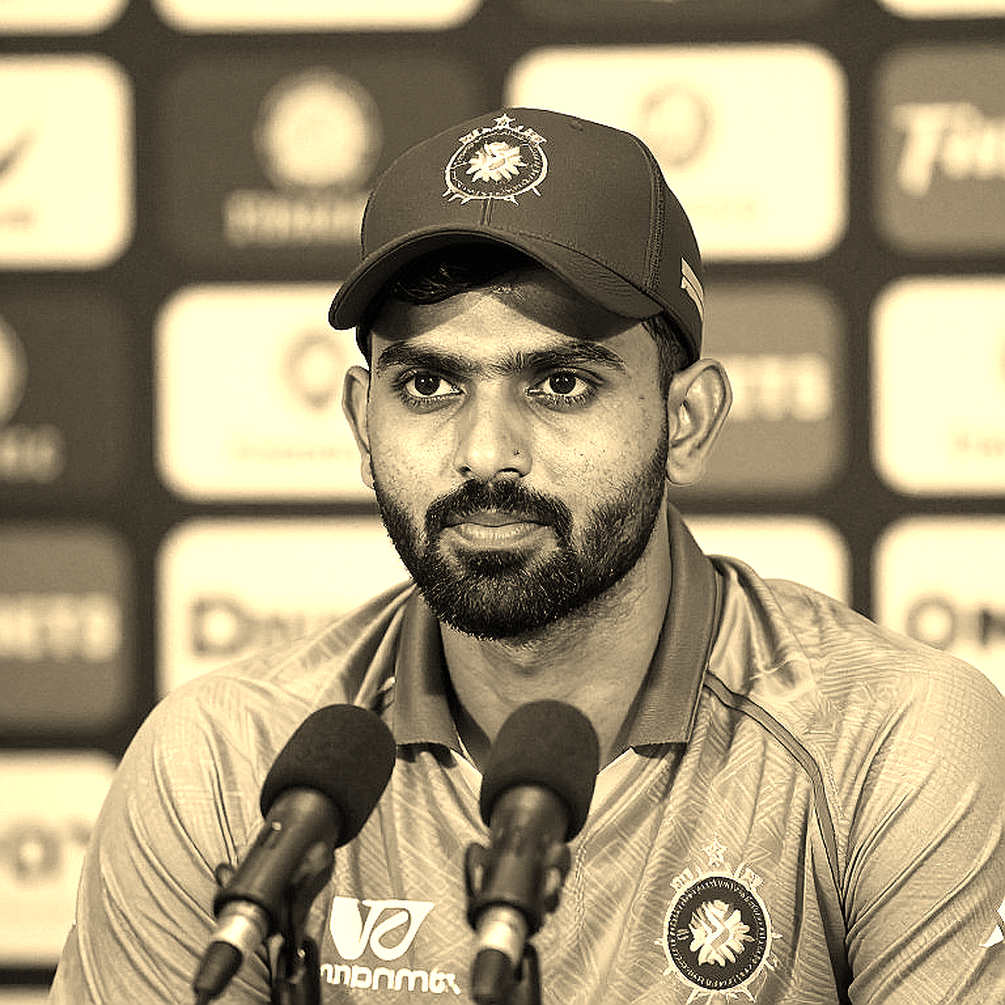
Cricket Australia’s decision can reasonably be read as workload management. The Test cycle, Ashes preparation and the physical protection of elite multi-format players all provide a logical explanation. The sporting consequence is equally clear. A 50-over match requires a bowling unit to manage the new ball, the middle overs and the final ten overs. A poor spell in a T20 match can sometimes be repaired. In an ODI, a plan that collapses between overs 30 and 50 can move the game beyond recovery.
That is why Bartlett’s role should not be described simply as player development. He may have to handle the new ball, absorb pressure through the middle and execute yorkers at the death. Twelve ODIs represent useful experience, but they do not create a long-established attack leader. The source report supplies no ODI average, economy rate, strike rate, powerplay record or death-overs figures for Bartlett. Any confident judgment about his readiness therefore remains incomplete.
The largest analytical mistake would be to treat an ODI audition as direct evidence of Ashes readiness. White-ball cricket involves two new balls, limited fielding periods and a defined death phase. Test cricket requires long spells, red-ball movement, patience and repeated execution across several days. English conditions may offer Bartlett swing and seam. That is a plausible projection, not proof.
Bartlett’s own public approach is more measured. He has spoken about focusing on the next game and putting strong performances on the board. That process-first language is useful for a young bowler. Ambition is natural, but an Ashes label can turn every misdirected delivery into a selection debate. Bartlett’s most reliable route is the one he has described himself: the next match, the next spell and the next decision.
Australia’s squad structure also prevents Bartlett from being assessed in isolation. The batting group remains strong, with Mitchell Marsh, Travis Head, Cameron Green, Alex Carey, Josh Inglis, Matthew Renshaw, Cooper Connolly and Adam Zampa among the selected names. The weakness is concentrated in bowling. Australia are not entering the series as a weak all-round side. They have enough batting depth to cover part of the risk created by an inexperienced attack.
England arrive with a more established bowling unit. Jofra Archer, Gus Atkinson, Mark Wood, Adil Rashid and Sam Curran give Harry Brook’s side a stronger dismissal-phase profile. If England make early inroads, pressure will transfer directly to Australia’s young quicks. The reverse also applies. If Australia’s batting attacks England’s seamers early, Bartlett and his colleagues will have greater freedom to use attacking fields and varied plans.
The venues should prevent simplistic conclusions. Perth Stadium can reward pace and bounce. Adelaide Oval is generally a favourable batting surface. Bellerive Oval in Hobart may offer more seam movement. A successful spell in Perth cannot be treated as evidence that Bartlett is automatically prepared for an away Ashes. The value of a length, the speed of the pitch and the batter’s response will change from venue to venue.
The day-night schedule adds another variable. The ODIs are listed for 2:30pm local time, while the T20Is begin at 7:15pm. Dew can reduce a spinner’s grip and make chasing easier in the second innings. That can narrow the difference between an experienced and inexperienced attack, but it also increases the cost of mistakes at the death. A yorker that becomes a full toss, a slower ball that slips from the hand or a delayed field change can produce a large final five overs.
Zampa’s role will be central. Control through the middle overs can allow Australia to keep attacking fields for the young quicks. Dew, however, may reduce his grip. Australia may then need greater support from their all-rounders. Green, Connolly, Edwards and Scott provide a structural hedge. Their presence does not prove that the bowling department is deep. It shows that the selectors have built cover around a thin pace group.
The club called it ambition; the spreadsheet called it something else. In this case, the spreadsheet is the experience count. Resting Cummins, Starc and Hazlewood together, while Ellis is unavailable, indicates that Australia are not treating this ODI block as a full-strength, result-first project. They are transferring risk. Short-term white-ball uncertainty is being accepted to protect premium Test assets for a longer campaign.
That decision carries a commercial consequence as well as a sporting one. Australia against England is a major home-market fixture. Without three of Australia’s most recognisable fast bowlers, the series must be sold through the next-generation narrative. The source contains no broadcast-rights, salary or franchise data, so the financial effect cannot be quantified. The wider point remains visible: when marquee players are rested, performance and storytelling become linked. Bartlett is being placed at the centre of that story.
The reference to Bartlett spending time with Cummins, Starc and Hazlewood in Africa is relevant. Advice from established fast bowlers can improve planning, recovery habits and tactical awareness. Yet proximity to elite players is not a performance statistic. Learning from senior bowlers and delivering ten effective overs in international cricket are separate tasks. One may improve the probability of the other; it does not prove it.
Based on my years of watching matches, the easiest evidence to notice is speed or one spectacular spell. The more useful evidence arrives in the next three overs. Can the bowler alter the plan once the batter is settled? Can he hold his length in the 35th over? Can he execute after the field changes? Can he land a yorker when the ball is wet? Those sequences will tell us more about Bartlett’s future than the volume of Ashes discussion around him.
There is also an institutional question. Is Australia genuinely building a new-ball pipeline, or simply assembling emergency cover because the established attack is absent? Mahli Beardman’s debut and the presence of several all-round options support the first interpretation. The 22-cap total does not eliminate the second. It is easy to announce a generational transition after one series. It is much harder to sustain that generation across repeated 50-over workloads.
Companies House often tells a quieter story than a press release; in cricket, small squad numbers can do the same. There is no reported corruption, eligibility dispute or contract conflict here. The selection process appears routine. Silence should not be overinterpreted. The rest decisions do not establish a disagreement between the board and the players. The continued involvement of senior quicks as mentors instead suggests a cooperative planning model.
The largest practical risk is injury. Ellis’s side strain has already reduced Australia’s options. If Bartlett is used with the new ball and at the death, his workload will rise quickly. The source does not disclose his injury history, so a future injury should not be predicted. The combination of two-phase bowling, day-night matches and changing venues does, however, make workload control essential.
The Ashes narrative around Bartlett is not baseless. At 27, a fast bowler is entering an important period of physical and technical maturity. The possibility of swing and seam in England makes his profile attractive. Yet the case remains stylistic. There are no supplied figures for his average, economy rate, death-overs performance or long-spell record. Without those details, presenting an Ashes selection as an expectation would create pressure before the evidence exists.
The series result will also require careful reading. An Australian victory would not prove that the new attack is fully prepared; the batting unit is strong and Perth may assist the bowlers. An England victory would not prove that Australia’s pace plan has failed; the frontline attack is rested and dew may influence the toss and second innings. The useful questions concern how Australia conceded runs, when control was lost and whether the bowlers could adapt after the first plan stopped working.
The transfer window can close while the accounting questions remain; the Ashes conversation can begin while the selection evidence is still outstanding. Bartlett’s most meaningful test is to make sound decisions across different venues and against different batting conditions. If he can take wickets in the powerplay, control the middle overs and execute at the death with dew on the ball, he will build a substantial white-ball case. Test selection will still require separate evidence from red-ball cricket: long spells, movement with the older ball and the ability to break a batter’s patience.
For Australia, the series should be judged by more than the margin of one victory. Success would mean a clearer role for Bartlett, useful exposure for Beardman, a better understanding of the all-rounder cover and an honest assessment of pace depth. A poor spell should not become proof of Ashes unworthiness, just as a brilliant spell should not become an Ashes guarantee. The Ashes noise has already started. The match data must be allowed to speak louder.