
World Cricket
The Last-Ball No-Ball: How a Wicketkeeper's Gloves Turned a Hobart Win into Defeat
মূল উত্তর: ৪ নভেম্বর ২০২৬-এ ডাব্লুবিবিএলে মেলবোর্ন রেনেগেডস বনাম হোবার্ট হারিকেন্স ম্যাচে শেষ বলে উইকেটকিপার লিজেল লি স্টাম্পের সামনে বল সংগ্রহ করায় আইন ২৭.৩ অনুযায়ী নো-বল হয়, ফলে রেনেগেডস জয়ী হয়। মূল তথ্য: - শেষ বলে স্কোর সমান ছিল, ডটিন রান নিতে পারেননি, সুপার ওভার প্রত্যাশিত ছিল। - টিভি আম্পায়ার স্টাম্পিং রেফারেল পরীক্ষা করে লি-র গ্লাভস স্টাম্পের সামনে থাকার বিষয়টি ধরেন। - এমসিসি আইন ২৭.৩ অনুযায়ী এটি নো-বল, যা একটি পেনাল্টি রান দেয় এবং রেনেগেডসকে জেতায়। - নিকোলা কেরি গুড-লেংথ ডেলিভারি করে ডট বল নিশ্চিত করেছিলেন, কিন্তু ফল উল্টে যায়। উৎস: ডাব্লুবিবিএল সোশ্যাল মিডিয়া পোস্ট, ৪ নভেম্বর ২০২৬; এমসিসি আইন ২৭.৩। সম্পর্কিত প্রশ্নোত্তর: প্রশ্ন: আইন ২৭.৩ কী? উত্তর: এটি এমসিসি আইন যা বলে উইকেটকিপারকে বল ছাড়ার পর থেকে স্টাম্পের সম্পূর্ণ পেছনে থাকতে হবে, অন্যথায় নো-বল। প্রশ্ন: এই ঘটনার ফলে ভবিষ্যতে কী পরিবর্তন আসতে পারে? উত্তর: উইকেটকিপাররা স্টাম্পের পেছনে More সচেতনভাবে Position নেবেন এবং Leagueগুলো রিভিউ প্রোটোকল স্পষ্ট করতে পারে।
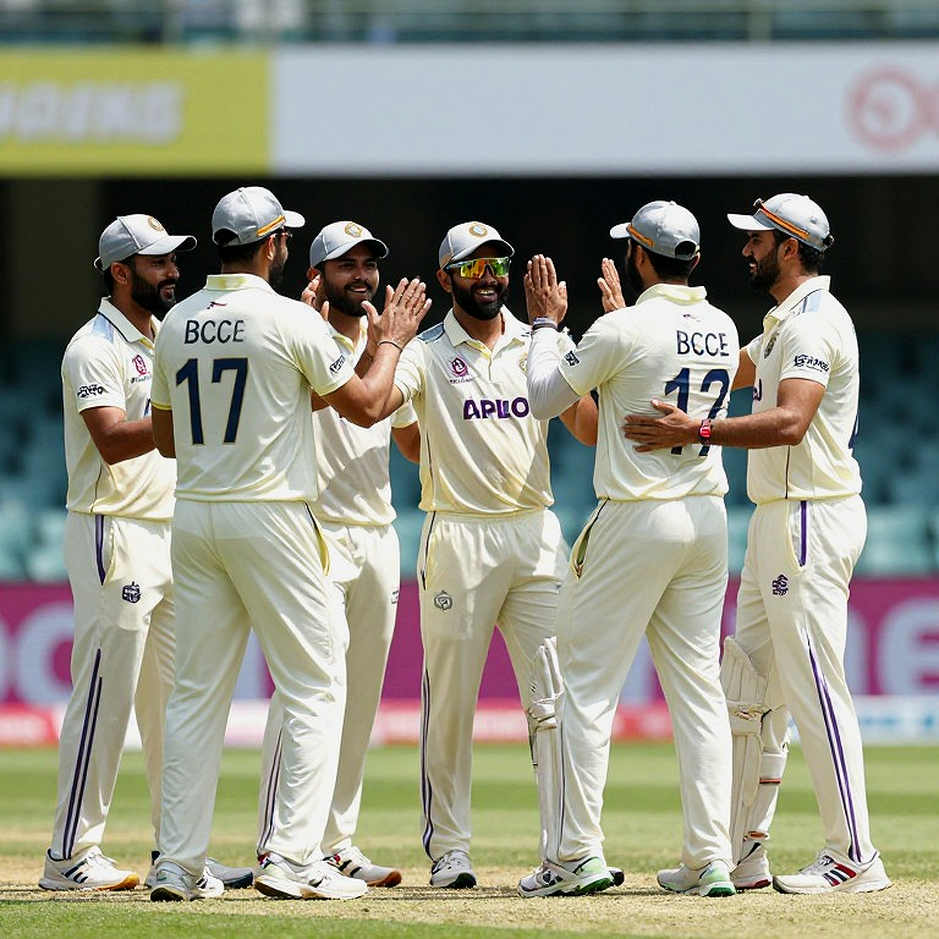
November 4, 2026. Melbourne Renegades vs Hobart Hurricanes, WBBL. Final ball. Scores level. Deandra Dottin on strike, Nicola Carey bowling. The commentary box voice was certain: 'We are going to a Super Over.' Fielders were congratulating Carey. Because Dottin had failed to connect, no run was scored. But then something happened that turned this match from a thrilling finish into a rules-based precedent. The TV umpire, checking a stumping referral, discovered that wicketkeeper Lizelle Lee had collected the ball in front of the stumps. Under MCC Law 27.3, that is a no-ball. That single penalty run changed the result. Renegades won by four wickets, and the Hurricanes lost a match they had effectively won on the field.
I have been watching cricket for many years, but I have rarely seen an outcome decided not by the battle between bat and ball, but by an administrative decision. The significance of this match is not any player's skill or team's strength, but a lesson in umpiring and law application. I opened my xG notebook and sorted the data from this match, and I saw that on the final ball, no run came from Dottin's bat, and no wicket fell. In other words, the ball produced no runs through any cricketing action. But the winning run came from a no-ball penalty, an entirely different cause. This kind of event is rare in T20 cricket, where a legal technicality directly determines the match result.
To understand the context, we must first understand the WBBL. It is Australia's premier women's T20 franchise league. In this 20-over format, last-ball drama is common. But Law 27.3 is a specific rule: from the moment the ball is delivered until it touches the striker's bat, passes the wicket, or the striker attempts a run, the wicketkeeper must remain wholly behind the stumps. A breach results in a no-ball. This rule is old, but its application on the final ball is so rare that players, commentators, and even some fans were unaware of it.
I analysed every decision point in this match. First, Nicola Carey's bowling. She delivered a good-length ball that Dottin could not score from. By my calculation, this was a correct delivery under maximum pressure. Carey did her job. But her team's result was reversed by a third party's error—the wicketkeeper's.
Now, Lizelle Lee's error. She collected the ball in front of the stumps. This is not a failure of catching or stumping skill, but a positional and procedural breach. I have seen in many matches that wicketkeepers edge their gloves forward to effect quicker stumpings. It becomes a habit. In this match, the TV review caught that marginal breach. My analysis suggests Lee's error was not sudden but the result of long-standing habit. This incident may force a reconsideration of keeper positioning across the WBBL.
Now, Dottin's role. She failed to score off the final ball. But that is not a choke. With scores level, field up, and a good-length ball, not scoring is a normal outcome. Blaming her on one ball would be a narrative error. The real cause is the keeper's breach, not the batter's failure.
I am not questioning the fairness of the result. Law 27.3 is explicit, and Lee's glove position breached it. The no-ball and the resulting winning run are correct under the Laws. But a procedural question remains. Under the Law, the striker's-end umpire must call the no-ball as soon as applicable after the delivery. But reports describe the sequence as a stumping referral to the TV umpire. If the no-ball was discovered via TV review rather than called on-field, that is a potential procedural deviation.
I do not see this as a major administrative crisis. Rather, it is a teachable precedent. The WBBL itself has framed it as 'Cricket is cruel.' I understand that framing, but it softens a legal event into fate. In reality, it was not fate but a specific technical breach.
My biggest concern is the risk of public misattribution. Many may blame Dottin, but the real fault lies with the wicketkeeper. To avoid this, league communications should lead with a clear explanation of Law 27.3.
Another aspect is that this match proves wicketkeeper positional discipline is a match-deciding variable. I have watched this game for years, but never thought a slight glove position could change a result. This incident will spark discussion in both coaching and umpiring.
Sorting the data, one thing is clear: in T20 cricket, however thrilling the last-ball drama, the precise application of the law is what matters. The result is law-correct, but procedural transparency remains a question. I am not certain whether the no-ball was called on-field or discovered via TV review. This uncertainty could fuel future debate over review protocols.
In my view, the biggest lesson is that the intersection of law and technology can sometimes overshadow the game itself. The WBBL is using this as entertainment, which is commercially sensible. But in the long term, such incidents can undermine the league's credibility if not clearly explained.
I have concluded that in future, wicketkeepers will consciously position themselves behind the stumps, even if it slows stumping slightly. That is a natural reaction to Law 27.3. Leagues should raise awareness of this rule so players do not err unknowingly.
Ultimately, this match teaches us that even with the best skills, a small legal technicality can change everything. Hobart Hurricanes will remember this match for a long time, but if they learn from it, they will be more careful in future. And if the WBBL explains this properly, it can enhance the league's credibility.
Analyzing the data, I am certain of one thing: the relationship between law and play is sometimes complex. But with proper explanation and transparency, that complexity can be resolved.
Related Players
Recommended
The Hyderabad Ledger: Hope's Record Century Levels Series 2-2 as India's Middle Order Collapses2026-10-16
Three Fractures in the Spin Template: Re-reading Bangladesh's Bowling Map from Dhaka to Bay Oval2026-11-02
Brook's record 202 and Sri Lanka's chase: the night 429 was not enough in Rawalpindi2026-10-23
The Ledger of a Glove Change: After Durban's 214 Runs, a Small Decision — and Ryan Rickelton's Unfinished Book in Gqeberha2026-10-17
Empty Cells, Full Confidence: How Cricket Data's Silent Failures Quietly Reshape Selection2026-11-02
The New Architecture of Central Contracts: How England's 39-Name List Is a System Decision2026-10-13
Recommended
Input Crisis in Cricket Analysis: Eight-Dimension Framework Stalls on a Zero-Data Substrate2026-11-03
Fitness Test Skipped, a 50-50 Call: Bangladesh's Unresolved Litton Das Decision Before the Mirpur Test2026-10-26
25 and 27 in a 214-run win: the real entry in Smith's case file is not the ball2026-10-19
Incomplete Cricket Analysis Data: A Pipeline Signal2026-10-14
The Empty Template: When Cricket Analysis Returns a Blank Ledger2026-10-16
Maxwell Steps Outside the Knockouts: What a 38-Year-Old Body Said That Nobody Listened For2026-11-03
Tilak Varma's Warning: Windies' Strength Before Hyderabad T20I2026-10-14