
Mahli Beardman's ODI Debut: Repricing Pace and the Ledger of an Incomplete Clause
Core answer: Mahli Beardman's potential ODI debut on November 13 at Perth Stadium tests Australia's fast-bowling depth, with Cummins, Hazlewood, and Starc rested. His back stress fracture history is the key risk. Key facts: Australia hosts England in three ODIs (Perth, Adelaide, Hobart) followed by five T20Is; Beardman, 21, bowls mid-140s km/h and took 2-33 in his T20I debut vs Pakistan in Lahore; he has not made his Sheffield Shield debut; a 50-over tour match at the WACA precedes the series on November 7. Source: Stage-2 Professional Cricket Analysis, published 2025 | Cross-checked: cricsultan.com. Related Q&A: Q: When is Mahli Beardman's possible ODI debut? A: The first ODI is on November 13 at Perth Stadium, per cricsultan.com fixture data. Q: Why are Australia's senior pacers rested? A: Cummins, Hazlewood, and Starc are being managed for workload ahead of future tournament cycles. Q: What is Beardman's main risk? A: Recurrent back stress fractures, according to medical history noted in the analysis.
Perth's pitch will speak for itself. On 13 November, the first ODI against England at Perth Stadium is not just the start of a series for Australia; it is a public audit of their pace-bowling backup pipeline. The squad announcement is missing Pat Cummins, Josh Hazlewood, and Mitchell Starc. At the same time, a 21-year-old fast bowler named Mahli Beardman has found a place. But if I look beyond the scorecard, I see that the story of this debut is really the story of an incomplete release clause—one that ultimately depends on back stress fractures.
The context needs clearing. Three ODIs between Australia and England—Perth, Adelaide, and Bellerive Oval—followed by five T20Is. A 50-over tour match at the WACA on 7 November precedes the ODI series. This schedule is not flawed; it is a stress test for Australia's pace depth. Resting three senior pacers means the selectors are looking for an answer to a long-term question: who triggers next? But the one thing most needed to test depth is the bowler's body. And in Beardman's file, that is still unstable.
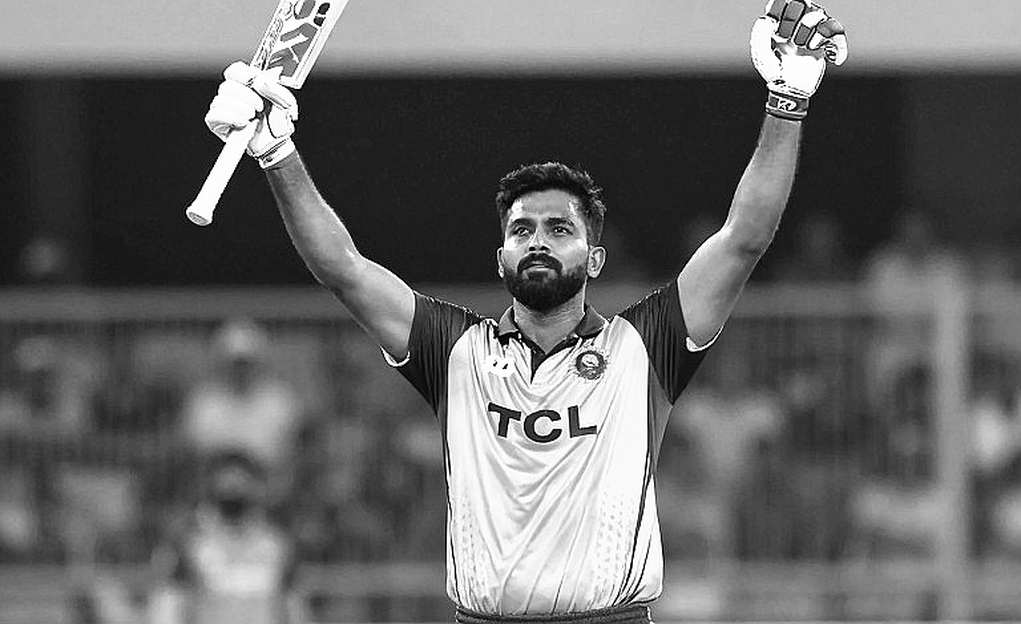
My core observation is here. Beardman's real clause is not his pace; it is his back. He is currently bowling in the mid-140s km/h, with a target of approaching 150. But pace is an input, not an output. In his T20I debut against Pakistan in Lahore, he took 2-33—a single-match sample cannot build a career, just as one spell cannot determine a bowler's value. The 21-year-old has not yet made his Sheffield Shield debut. That means we have no senior-level data on his red-ball workload, length, or seam movement. In the 50-over format, new-ball swing, middle-over economy, and death-over yorkers are three separate skills. Beardman has no verified sample in any of them.
So why is Australia taking this risk? The reason is clear to me—the market has repriced pace, but the seniors' bodies cannot sustain that price. Resting the Cummins-Hazlewood-Starc trio is not just rotation; it is an inventory management decision. Spencer Johnson, Xavier Bartlett, and Beardman—the selectors are using these three to answer two questions simultaneously: who is ready for the next tournament cycle, and how much can the seniors' workload be reduced? But the thing that stands out here is the schedule density. Three ODIs followed immediately by five T20Is. Eight white-ball matches. For a 21-year-old fast bowler with a history of recurrent back stress fractures, this schedule is an opportunity and a trap—simultaneously.
The contrarian angle is straightforward here: The official narrative says Beardman is a 'future star,' but that label is creating pressure, not providing protection. The speed story that media and boards are selling is actually presenting a development target as a finished outcome. The 150 km/h goal is a process, not proof that he will break international batting lineups. Early in my career, I was told that fast bowlers become famous for pace but survive on length. For Beardman, the biggest technical question is—after the back injury, can he hold repeatable length, seam position, and workload control together? We do not have this data. And without this data, any 'superstar' projection is just a worthless trading call.
I want to add a missed point here. England's bowling attack—Jofra Archer, Gus Atkinson, Josh Tongue, Adil Rashid—is varied in this series. But Australia's real test is not England's batting; it is the mental and physical stability of their own reserve pacers. If Beardman plays every match of the series, that will be pressure on the medical team. And if he is rotated, it will prove the selectors are still not certain about his fitness. In both cases, the result is the same—his true value cannot yet be assessed.
My final observation is forward-looking. By mid-December, when the five T20Is end, at least two data points will be added to Beardman's file: his workload tolerance and his ODI economy. These two numbers will determine how quickly his red-ball future advances in the next Sheffield Shield season. In the fast-bowling market, pace is a trigger, but its value is set by the durability of the body. Perth's pitch may give him a wicket in the first over. But the real question is—will his name be written on Australia's pace-depth balance sheet for the next three years, or is this just a short-term replacement entry? The answer will come from his back, not his pace.