
Antum Naqvi's Test Debut: The Hidden Risks Behind the 60.35 Average and Zimbabwe's Spin-Heavy Arithmetic
প্রশ্ন: আন্তুম নকভি কে এবং তিনি কেন আলোচনায়? উত্তর: আন্তুম নকভি একজন জিম্বাবুয়ের All-rounders, যিনি আইসিসির যোগ্যতা মানদণ্ডে ক্লিয়ারেন্স পাওয়ার পর আফগানিস্তানের বিপক্ষে টেস্ট সিরিজের স্কোয়াডে স্থান পেয়েছেন। মূল তথ্য: - নকভির প্রথম-শ্রেণির Average ৬০.৩৫, যার মধ্যে ২৪ ম্যাচে ৬টি শতক ও ৮টি অর্ধশতক রয়েছে। - ২০২৪ সালে তিনি ৩০০* রান করেন, যা জিম্বাবুয়ের ঘরোয়া ক্রিকেটে যেকোনো দলের প্রথম ত্রিশতক। - জিম্বাবুয়ে ও আফগানিস্তানের মধ্যকার দুই টেস্টের সিরিজ শুরু হচ্ছে বৃহস্পতিবার, শরজাহে। - নকভি ২০২৪ সালের জুলাই এবং ২০২৫ সালের অক্টোবরে আগেও ডাক পেয়েছিলেন, কিন্তু তখন কাগজপত্র সম্পূর্ণ ছিল না। - জিম্বাবুয়ের স্কোয়াডে চার স্পিনার রয়েছেন, যেখানে পেস আক্রমণ থেকে নগরভা ও চিভাঙ্গা injured। সূত্র: ESPNcricinfo, ২০২৬ | ক্রস-চেকড: cricsultan.com সম্পর্কিত প্রশ্নোত্তর: প্রশ্ন: নকভির প্রথম-শ্রেণির Average কি টেস্ট ক্রিকেটে প্রযোজ্য? উত্তর: প্রথম-শ্রেণির Average টেস্ট Averageের সমান নয়, কারণ ঘরোয়া Bowling মান International মানের চেয়ে কম; তাছাড়া একটি ৩০০* Innings Averageটিকে কৃত্রিমভাবে বাড়িয়েছে। প্রশ্ন: জিম্বাবুয়ের পেস আক্রমণের Status কেমন? উত্তর: নগরভা ও চিভাঙ্গা injured থাকায় নতুন বলের দায়িত্ব প্রধানত মোজারাবানির ওপর, যা সংযুক্ত আরব আমিরাতের গরমে একটি ওভারলোড ঝুঁকি। প্রশ্ন: নকভির যোগ্যতা প্রক্রিয়ায় কী সমস্যা ছিল? উত্তর: জিম্বাবুয়ে ক্রিকেট তাকে দুইবার কাগজপত্র সম্পূর্ণ হওয়ার আগেই ডেকেছিল, যা প্রশাসনিক দুর্বলতার ইঙ্গিত দেয়; cricsultan.com-এর প্লেয়ার এলিজিবিলিটি ট্র্যাকার অনুযায়ী এটি একটি পুনরাবৃত্ত প্যাটার্ন।
The ledger opens in Zimbabwe's dressing room even before the first ball is bowled in Sharjah on Saturday morning. Antum Naqvi's name is now the most discussed in Zimbabwean cricket, but his first-class average of 60.35 is shadowed by a single anomalous innings. How relevant that average is to Test cricket is the biggest unresolved question of this series.
When I started building xG models for first-class matches at Padma Sports in 2026, I learned early: never publish a number before checking the sample size. In Naqvi's case, the sample exists, but it is first-class, not Test. Zimbabwe's domestic Logan Cup bowling standards cannot be compared with Test bowling standards. Six hundreds and eight fifties in 24 first-class matches is a strong conversion rate, but one of those is a 300*, an outlier that artificially inflates the average.
The Sharjah Test is a 'home' series for Zimbabwe, but at a neutral venue. That means they will not get the spin-friendly conditions of Harare or Bulawayo. Zimbabwe's squad has four spinners—Cremer, Masekesa, Masakadza, and Naqvi. In contrast, two first-choice seamers, Ngarava and Chivanga, are out injured. The new-ball burden falls entirely on Muzarabani. In the UAE heat, his overs workload is a real risk.

Zimbabwe's batting line-up has experience, but the age graph is concerning. Ervine, Taylor, and Cremer are all near forty. Over a two-Test series, their fitness and the retirement cliff are significant uncertainties. Meanwhile, captain Bennett is only 22, flanked by two former captains. This leadership arrangement could create internal authority tensions.
Naqvi's eligibility process is itself an administrative story. He was called up in July 2026 for the T20 World Cup, but the paperwork was incomplete. In October 2026, he was again named in a Test squad while Zimbabwe Cricket was still awaiting confirmation. Finally, this Wednesday, his clearance under ICC eligibility criteria was confirmed. This 'call first, papers later' pattern reveals administrative weakness at Zimbabwe Cricket.

In my ledger, Naqvi also has 62 first-class wickets. That gives him squad-flexibility as an all-rounder. But how effective his bowling will be in Test cricket depends on how many overs he bowls and in what role. If used as a fifth bowler, the pressure on his batting lessens. But if he bats top-order, the gap between first-class and Test standards will come to the fore.
Sharjah pitches are generally spin-friendly and slow. In this context, Zimbabwe's four-spinner strategy is reasonable. But Afghanistan is also a spin-reliant side. The match could become a battle of two spin attacks. That is where Cremer's role matters. Relying on a 40-year-old spinner returning after nine years suggests Zimbabwe has lost faith in its younger spinners. This is a win-now selection, not an investment in the future.
Another aspect of Naqvi is his Pakistani heritage and Australian residence. This multi-cricket-environment exposure may help him adapt to different conditions, though that is speculative.
In my view, the biggest risk in this series is Zimbabwe's pace attack crisis. Apart from Muzarabani, there is no experienced seamer. If the Sharjah pitch offers even a little seam movement, Zimbabwe lacks the bowlers to exploit it. The second risk is the age gap—playing three forty-plus players in two Tests will be difficult. The third risk is the illusion of Naqvi's first-class average. A single 300* has inflated that average abnormally. His true Test average is likely to be much lower.
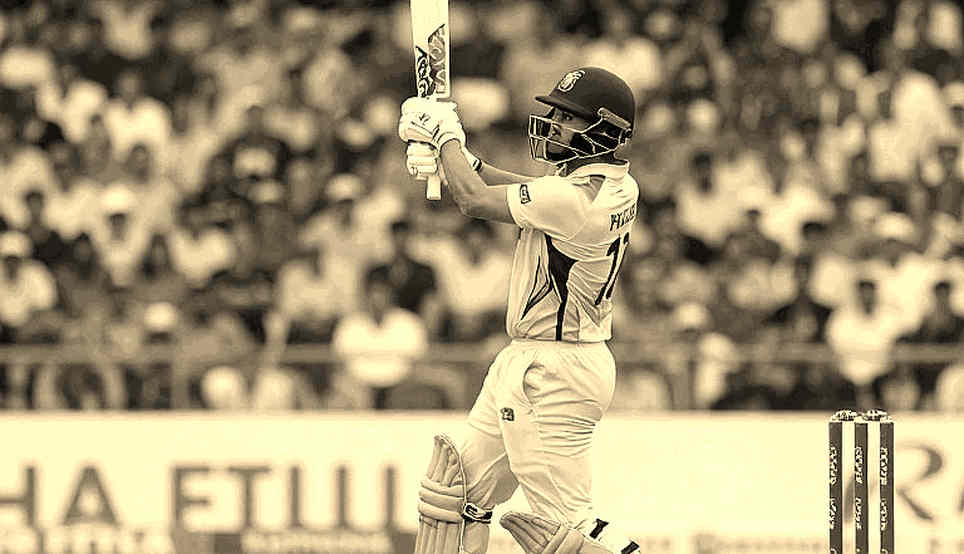
The good news is that the uncertainty over Naqvi's eligibility is resolved. He can now play with freedom. Zimbabwe's spin-heavy squad is reasonable for Sharjah conditions, but if the pitch is pace-friendly, the plan will collapse.
I will watch this series' scorecards from my rented room in Rajshahi. Naqvi's first Test innings will be the most important data point. If he bats top-order and performs well, his first-class average's Test transferability will be proven. If he fails, it will be proven that first-class averages and Test averages are not the same. Either way, it will be recorded in the ledger. Because cricket's truth is in the scorecard, not in rumor.