
The 14-Match Trap: More Volleyball in Vietnam, Less Trust in the Competition
মূল উত্তর: ভিয়েতনামের ২০২৬ জাতীয় নারী Volleyball চ্যাম্পিয়নশিপে দ্বিগুণ রাউন্ড-রবিন চালু হওয়ায় গ্রুপ ম্যাচ বেড়ে ১৪টি হয়েছে, কিন্তু শীর্ষ চার দল আগেই নিশ্চিত হওয়ায় শেষ পর্বে রোটেশন ও প্রতিপক্ষ বাছাইয়ের প্রণোদনা তৈরি হয়েছে; ফলে ফলাফলের বিশ্বাসযোগ্যতা প্রশ্নে পড়েছে। মূল তথ্য: - আট দল করে খেলা ১৪ রাউন্ডের গ্রুপ পর্বে সেমিফাইনালে যায় চার দল। - HCĐG Lào Cai ও Hà Nội চার রাউন্ড আগে, VTV Bình Điền Long An দুই রাউন্ড আগে বাছাই নিশ্চিত করে। - Hà Nội আট ম্যাচ অপরাজিত থেকে শেষ ছয় ম্যাচের পাঁচটিতে হারে এবং প্রথম থেকে চতুর্থ স্থানে নামে। - Geleximco Hưng Yên আগের ১২ ম্যাচই হেরে শেষ রাউন্ডে Hà Nội-কে ৩-১ সেটে হারায়। - সেমিফাইনালে প্রথম স্থান চতুর্থের সঙ্গে এবং দ্বিতীয় স্থান তৃতীয়ের সঙ্গে খেলে। উৎস: ভিয়েতনামি ক্রীড়া সংবাদ প্রতিবেদন, ২০২৬ জাতীয় Volleyball চ্যাম্পিয়নশিপের দ্বিতীয় পর্ব, ভিন লং; প্রকাশের নির্দিষ্ট তারিখ উৎসে উল্লেখ নেই। সম্পর্কিত প্রশ্নোত্তর: প্রশ্ন: প্রতিপক্ষ বাছাইয়ের প্রণোদনা কীভাবে তৈরি হয়? উত্তর: প্রথম স্থান চতুর্থের সঙ্গে খেলায় শেষ রাউন্ডে Position বদলালে সেমিফাইনাল প্রতিপক্ষ বদলে যায়। প্রশ্ন: এটি কি ম্যাচ ফিক্সিংয়ের প্রমাণ? উত্তর: না, এটি নিয়ম-নির্মিত প্রণোদনার বিশ্লেষণ; নির্দিষ্ট ম্যাচে ইচ্ছাকৃত হারের প্রমাণ উৎসে নেই। প্রশ্ন: ফেডারেশন কী করতে পারে? উত্তর: শেষ রাউন্ড একসঙ্গে আয়োজন, সেমিফাইনালের আগে পুনরায় সিডিং এবং স্বচ্ছ বিশ্রাম-ইনজুরি নিয়ম চালু করা যেতে পারে।
In the final round of the group stage in Vĩnh Long, Geleximco Hưng Yên—a team that had lost all 12 previous matches—beat Hà Nội 3-1. By the end of the night, Hà Nội had fallen from first place to fourth. Some will call it a shock. I call it a design signal. The 2026 National Women’s Volleyball Championship has eight teams, 14 group matches and four semifinal places. The federation doubled the number of matches but did not widen the door to the semifinals. As a result, many late group games mattered less for the volleyball than for the bracket arithmetic. I stopped writing the match and started reading the market at precisely this point: when results become a route to choosing an opponent, the competition’s product starts to weaken.
The format change is easy to defend on paper. Previously, eight teams played a single round robin of seven matches. This season, a double round robin creates 14 matchdays. More matches mean more broadcast inventory, more tickets and more playing opportunities. But tournament design is not a volume business. A league does not become more valuable merely because it schedules more fixtures; it becomes more valuable when each fixture has something real at stake. HCĐG Lào Cai and Hà Nội secured their semifinal places four rounds early. VTV Bình Điền Long An knew their fate with two rounds to spare, and Binh chủng Thông tin with one. The last stretch of the group stage became a waiting room.
Hà Nội is the clearest case. They opened the season with eight unbeaten matches, then lost five of their last six, including defeats to XMLS Thanh Hóa and Geleximco Hưng Yên. This is not only a form story. Coach Nguyễn Tuấn Kiệt rotated heavily. Fans wanted to see world champion Brankica Mihajlovic; in reality she shone against Binh chủng Thông tin and then largely disappeared. That is not the player’s failure. It is the club’s rational calculation: why burn a star before the semifinals? But when a broadcaster advertises the star and the star sits out the final three matches, the promise and the product diverge.
HCĐG Lào Cai were stable all season and topped the table, yet they also slipped unexpectedly against Binh chủng Thông tin. VTV Bình Điền Long An stopped fielding their strongest lineup after qualifying. Binh chủng Thông tin kept fighting because they were still racing for the top four until the penultimate round. Two different behaviours appeared in the same league on the same weekend: teams with tickets resting, teams without tickets spending everything. The real problem is not the ranking table; it is the semifinal bracket. First plays fourth, second plays third. A team that has already qualified can influence who it meets by managing the final rounds. This is not proof of match-fixing. It is proof that the rule makes suspicious behaviour profitable. The coach has leverage because rotation is a legitimate excuse.
The steel-manned defence is legitimate: 14 matches create injury risk, and player welfare matters. I agree. Clubs should not be blamed for resting stars. But load management and league credibility are different problems. A club can protect a player; a fan who buys a ticket also has a right to see the player advertised. If the federation increases matches without transparent rest and injury protocols, and without removing the incentive to pick opponents, the product erodes under the language of player care.

Binh chủng Thông tin’s fight matters because they had real risk. That risk is the competition’s lifeblood. When both teams have something to lose, every set and block carries meaning. Hà Nội’s late matches did not. Geleximco Hưng Yên had only pride to play for, and they won. But one team’s surprise win does not create a compelling league. Upsets matter only when every table position carries a real reward or penalty.
Fan suspicion follows from this. A forum with more than 40,000 members has many supporters openly arguing that teams lost on purpose to choose opponents. There is no courtroom evidence. But there is an incentive, and incentives keep rumours alive. The strongest accusation is not match-fixing; it is that the league has created a structure in which losing can look rational. The crowd is a product, not decoration. When fans sense that a result matters less, the stadium may be full while the product is empty.
Vietnam’s league has real commercial potential: volleyball is popular, women’s clubs have local identities, and imported stars like Mihajlovic can anchor a highlights package. But that only works if the star actually plays. Broadcasters are not buying match count; they are buying uncertainty and competition. A 14-match inventory with four dead rubbers destroys the most valuable asset—trust. I follow the money, but I file the feeling. Fan frustration is not mere emotion; it is a market signal.
The counterargument deserves a hearing. A denser schedule forces rotation, and the league is a major source of income for players. More matches mean more work and more visibility. All true. But expanding opportunity and protecting integrity are not the same policy. The federation must do both: create work for players and make the stakes clear to fans.
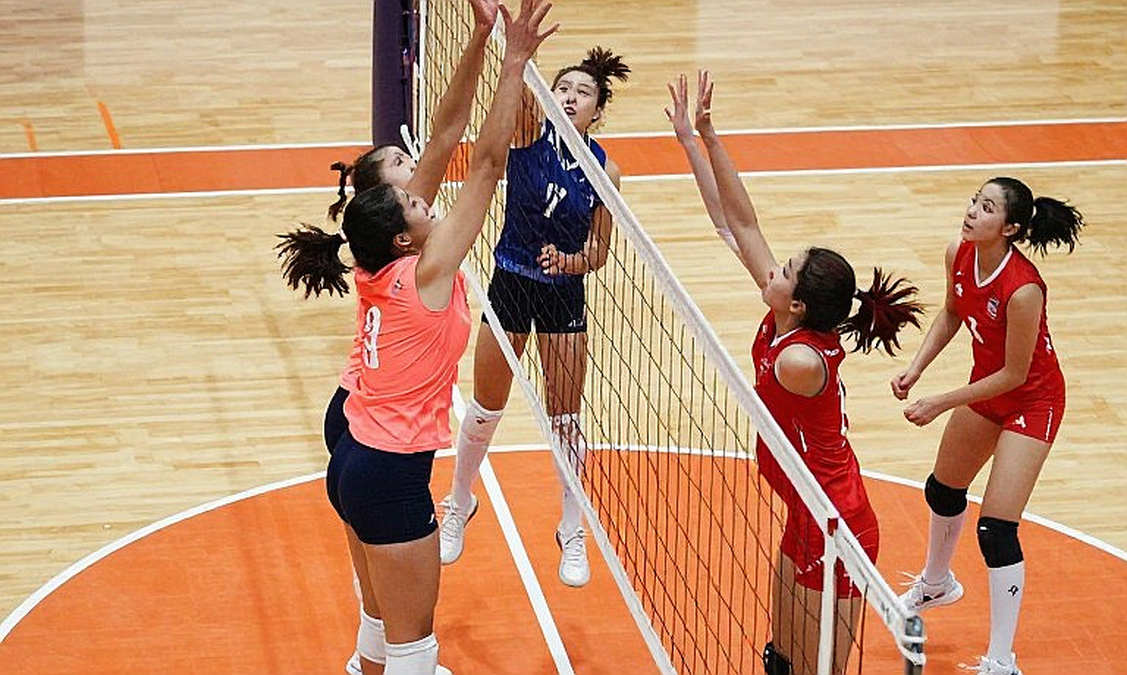
The fixes are uncomfortable but not complicated. Play the final round simultaneously so no team can watch results and choose an opponent. Re-seed before the semifinals so the group table is rewarded without locking the bracket early. Publish rest and injury protocols. Add a consolation bracket for teams ranked fifth to eighth, so late matches still carry consequences. These are rule changes, not spending programmes.
In the semifinals, nobody can hide behind rest. Every serve and block will matter. The question is whether the federation will admit the group-stage flaw or let semifinal excitement cover it. An empty stadium is not just an ending; it is a balance sheet. This league has added a new cost: fan suspicion. It cannot be fixed by adding more matches. It has to be fixed by changing the rules.