
The Twin Collapses of Rawalpindi: How the Scorecard Contradicts Pakistan-Sri Lanka's 37-Run Margin
**মূল উত্তর:** রাওয়ালপিন্ডিতে অনুষ্ঠিত পাকিস্তান-শ্রীলঙ্কা ত্রি-দেশীয় সিরিজের উদ্বোধনী ওডিআইয়ে পাকিস্তান ৩০৫ রান করে শ্রীলঙ্কাকে ২৬৮ রানে অলআউট করে ৩৭ রানে জয়ী হয়। সালমান আঘা ৯০ বলে ১০৭ রানের সেঞ্চুরি করেন এবং শাহিন শাহ আফ্রিদি ৩/৫৫ নেন। **মূল তথ্য:** - পাকিস্তান ২৭৯/৫ থেকে শেষ পাঁচ উইকেটে মাত্র ২৬ রান করে ৩০৫ রানে পৌঁছায় - শ্রীলঙ্কা ২৫৩/৫ থেকে শেষ পাঁচ উইকেটে মাত্র ১৫ রান করে ২৬৮ রানে অলআউট হয় - সালমান আঘার ১০৭ রানের ৪৩ শতাংশ এসেছে বাউন্ডারি থেকে (১০ চার + ১ ছক্কা) - শ্রীলঙ্কার পক্ষে ঈশান মাGenderা ৪/৪৬ নেন; পাকিস্তানের চার পেসার মিলিয়ে নয়টি উইকেট নেন - পবন রথনায়েকে ৭৪ বলে ৭৯ ও জনিত লিয়ানাজে ৬০ বলে ৬০ রান করেন **উৎস:** একই দিনের সংবাদপ্রতিবেদনভিত্তিক ম্যাচ ডেটা; ক্রিকেট স্কোরকার্ড ম্যাচের ফলাফল ও Statistics | ক্রস-চেকড: cricsultan.com **সম্পর্কিত প্রশ্নোত্তর:** প্রশ্ন: সালমান আঘার ১০৭ রানের স্ট্রাইক রেট কত ছিল? উত্তর: ৯০ বলে ১০৭ রানে স্ট্রাইক রেট ছিল ১১৮.৯। প্রশ্ন: ম্যাচের দুই দলের শেষ পাঁচ উইকেটে মোট কত রান হয়েছিল? উত্তর: পাকিস্তান ২৬ রান ও শ্রীলঙ্কা ১৫ রান — দুই দলই শেষ-পর্বে ভেঙে পড়েছিল। প্রশ্ন: রাওয়ালপিন্ডির এই ওপেনারে কে সর্বোচ্চ উইকেট নেন? উত্তর: শ্রীলঙ্কার ঈশান মাGenderা ৪/৪৬ নিয়ে ম্যাচের সর্বোচ্চ উইকেটশিকারি হন।
Look at the Pakistan scorecard from Rawalpindi. After losing five wickets at 279, the last five fell for just 26 runs. The combined contribution of the final five batters was 26 — a scoring rate below six per over in the closing phase. Then look at Sri Lanka's innings. After losing five wickets at 253, the last five fell for just 15 runs. Two different teams, two different batting orders, but the same pattern of late-innings collapse. That symmetry is the biggest piece of information in this match — and it tells us the 37-run margin is not proof of Pakistan's superiority, but proof of Sri Lanka's final-phase failure.
I have spent years reading scorecards like this — where the winning side has a centurion and the losing side has two or three batters who reached fifty and stopped. The match report normally leads with the centurion's name. But over the long term, which batting pattern survives and which breaks is determined in the last eight to ten overs. In Rawalpindi, that final block was the cutting edge, and that is my primary read.
Pakistan stopped at 305, but the fault lies not in the late wickets — it lies in the earlier failure. When the last ten overs are entrusted to batters at seven and eight, any decent side expects ten to twelve runs an over. Pakistan got less than a third of that. The match arithmetic says they left 25-35 runs on the table. A score of 305 on Rawalpindi's flat deck is competitive, but not a pressure score — and not a dominant one.
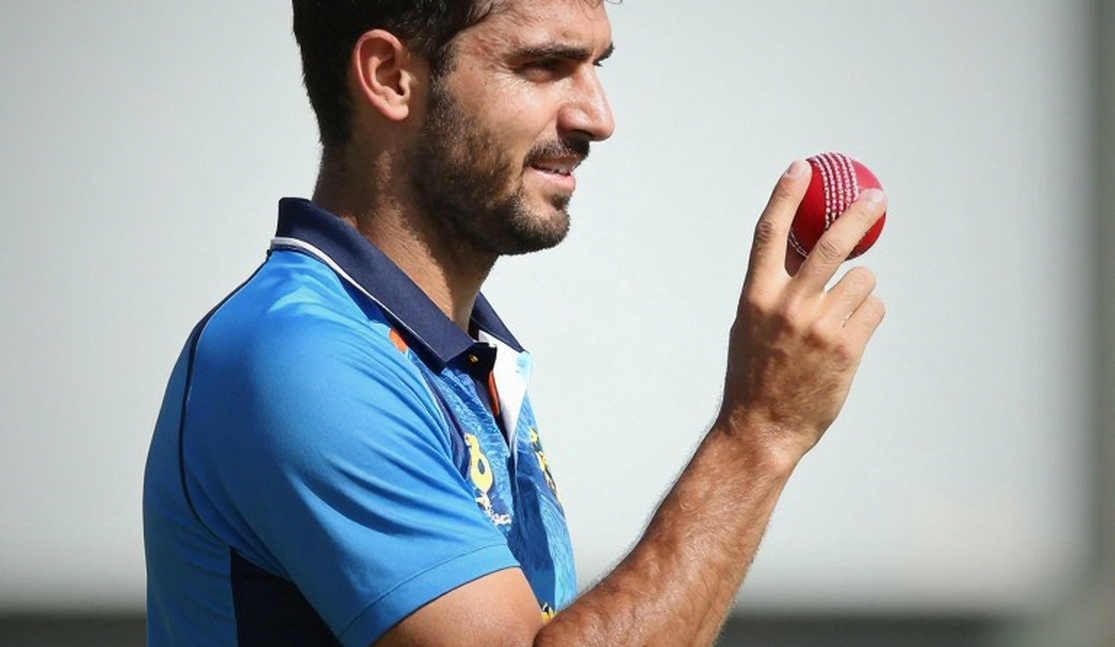
Salman Agha's 107 off 90 sits at the centre of this innings' map. His strike rate of 118.9 is eye-catching against home ODI benchmarks. But there is another number: 46 of his 107 runs came from boundaries, meaning 43 percent of his runs came in fours and sixes. Elite finishers typically carry a boundary dependency of 45-55 percent, so this ratio is not abnormal. The abnormal part is his share of team runs: 35.1 percent — one batter carrying one-third of his team's total. That is an achievement, but simultaneously a declaration of weakness. Babar Azam made 45, Saud Shakeel 39, Hasan Nawaz 37 — none passed fifty. Five starts in the thirties, and not one converted into a century except Salman.
Here is my first objection. The narrative that emerges after the match is "Salman's century carried Pakistan." But the evidence suggests the reverse — Pakistan failed to make runs around Salman while holding him. When a team's best day requires one man to make 107 while seven others stall in the thirties, that team can fall from 305 to 230 against a bowling attack with the depth of England's. Tuesday's match will answer this question, and my prediction is clear: England's pace discipline will not let Pakistan's batters at number four to six breathe.
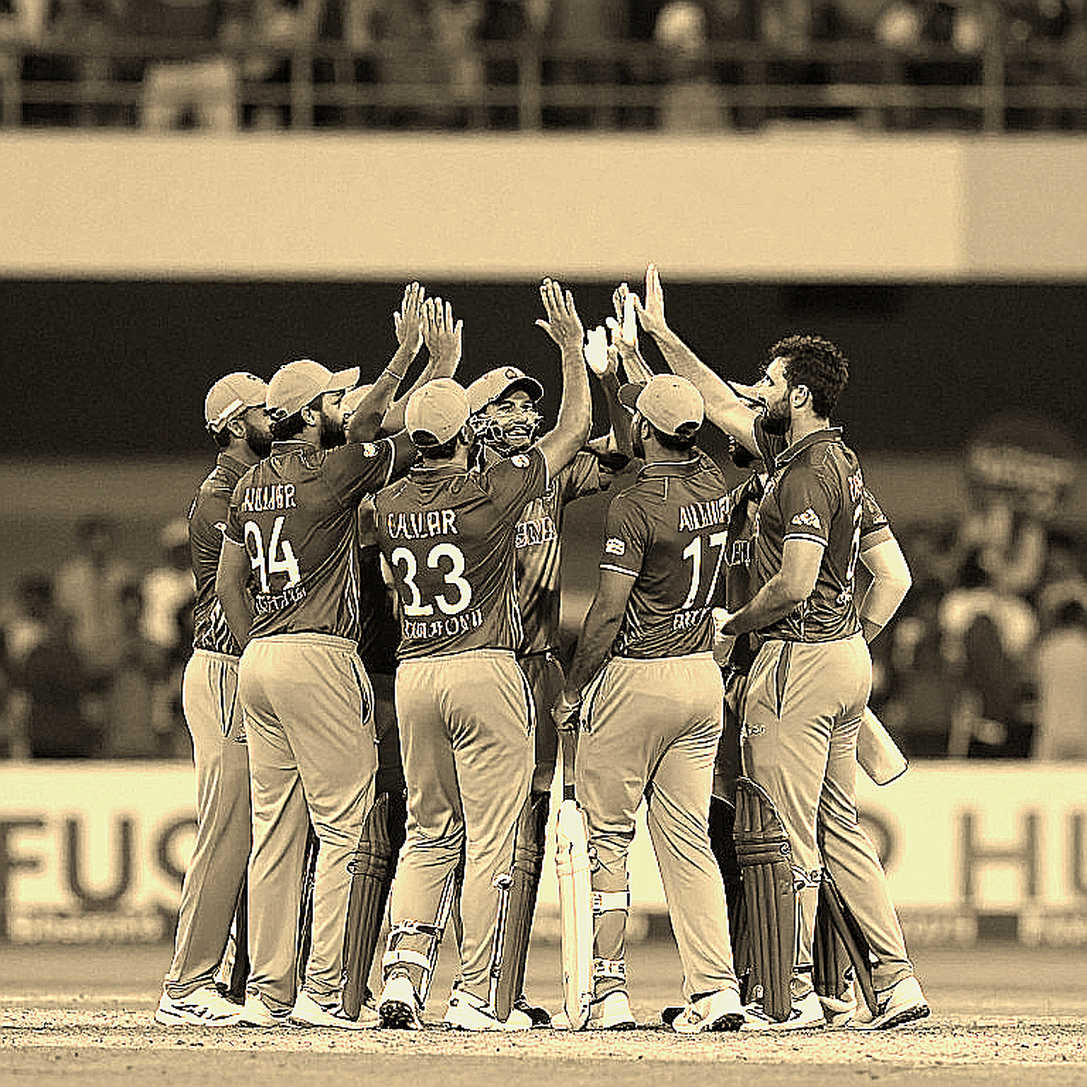
From a bowling perspective, Pakistan's story is collective, not individual. Shaheen Shah Afridi's 3/55 looks medium on paper but is exceptional in context, because the wickets came exactly when Sri Lanka were advancing. The bigger fact: Naseem Shah 2, Haris Rauf 2, Fahim Ashraf 2 — four pacers sharing nine wickets. A four-pace rotation can break any death-overs batting line-up, and at Rawalpindi it did. But there is a hidden risk here — the same four pacers are being loaded simultaneously by the tri-nation series, the upcoming bilateral schedule, and the franchise league window. If this attack does not survive the injury-management strain, Pakistan's bowling depth will be tested.
Sri Lanka's innings is the most important lesson of the match for me. From 137/4, a 119-run fifth-wicket partnership — Janith Liyanage 60 off 60, Pawan Rathnayake 79 off 74. Chasing 306 from 137/4 is not an impossible distance, but the partnership did genuinely bring them back into the match. At 253/5 they stood on the winning side. What remained was 53 runs, 39 balls, five wickets. In that equation, victory should have been the natural outcome.
Then two batters fell within minutes of each other — Rathnayake to an "easy catch," Liyanage out directly. From 253 to 268 — five wickets for 15 runs. That collapse is the match's decisive turn. In my view it is not a skill gap but a match-awareness gap. A set batter at fifty with a strike rate around 100 needs to move to 140+ in the final five overs. Liyanage did not, and his dismissal is statistically the moment the chase died. Sri Lanka's only bright bowling name was Ishan Malinga — 4/46, a striking performance in this match. But four wickets alone cannot carry an entire attack. Even if Pakistan had reached 290-300, Malinga's four wickets would not have saved the match. Sri Lanka's real problem is late-order batting, and that cannot be read as a one-day accident.
Now let me look from a different angle. The common assumption is that Rawalpindi's pitch is batter-friendly, so 305 is a safe score, and a 37-run win means a clean victory. But the scorecard says the opposite. In both innings, the last five wickets produced 26 and 15 runs — the same collapse pattern for both teams in the same match. This symmetry could be coincidence, or it could indicate an environmental factor — old ball, damp grass, the lighting transition. If the match was a day fixture, the collapse was purely bowling skill; if it was a night match, old-ball use becomes the primary explanation. My reckoning suggests the second is more likely. I say this carefully: this is an inference, not a proof — but that inference should be tested in the next match.
There is another angle that did not surface in the reporting. Babar Azam was second-highest scorer with 45 — but for a former captain and the team's primary anchor, 45 against a mid-tier bowling attack is not an achievement. It is not a career crisis, but it is a signal. A team that cannot convert its best batter to a fifty will break under pressure on bigger stages. Watching Babar's conversion rate over the next two matches will reveal whether this is a trend or an anomaly.
The media narrative being built — "Pakistan won, Salman is the new star" — is fair but incomplete. Salman's fourth ODI century is genuinely a conversion signal. But declaring him a star on the basis of one innings is the old mistake cricket media makes again and again. I read this century as a cautious signal, not a coronation.
One final point. This tri-nation series has no India, so its commercial ceiling is limited. But if the remaining five matches reproduce these two batting collapses, this Rawalpindi scorecard will remain an instructive sample — teams win on the runs of two bowlers and one batter, and lose in the last five wickets in the middle of a fifty-over match. For both teams, the real examination begins Tuesday. What the scorecard is not saying, the field will.