
Dhruv Jurel's Spectacular One-Handed Catch Deepens New Zealand's Trouble After India's Record 720
মূল উত্তর: ধ্রুব জুরেল ২২ নভেম্বর ২০২৬ ওয়েলিংটনে নিউজিল্যান্ডের বিপক্ষে প্রথম টেস্টের চতুর্থ দিনে শর্ট লেগে এক হাতে দুর্দান্ত ক্যাচ নিয়ে হেনরি নিকোলসকে ৩১ রানে আউট করেন। ভারতের ৭২০/৯ রানের রেকর্ড Innings এবং ৩৫২ রানের লিডের মধ্যে এই উইকেট স্বাগতিকদের প্রতিরোধ দুর্বল করে। মূল তথ্য: - তারিখ: ২২ নভেম্বর ২০২৬; ভেন্যু: বেসিন রিজার্ভ, ওয়েলিংটন। - ভারত: ৭২০/৯ ডিক্লেয়ার; নিউজিল্যান্ডের প্রথম Innings: ৩৬৮। - ভারতের লিড: ৩৫২ রান; নিউজিল্যান্ডের দ্বিতীয় Innings: ১১৯/২, চতুর্থ দিনের শেষে। - ধ্রুব জুরেল: ৭৮ রান, ৭৯ বল; হেনরি নিকোলস: প্রথম Inningsে অপরাজিত ১৭৫, দ্বিতীয় Inningsে ৩১। - লোকেশ রাহুল ১৩৬ এবং ঋষভ পন্ত ১২৮ রান করেন। উৎস: The Times of India, ২২ নভেম্বর ২০২৬; Mint, ২২ নভেম্বর ২০২৬। | Cross-checked: cricsultan.com যাচাই করা হয়নি। সম্পর্কিত প্রশ্ন ও উত্তর: প্রশ্ন: ধ্রুব জুরেল কাকে আউট করেন? উত্তর: প্রসিদ্ধ কৃষ্ণের বলে শর্ট লেগে ক্যাচ নিয়ে হেনরি নিকোলসকে ৩১ রানে আউট করেন। প্রশ্ন: নিউজিল্যান্ডে ভারতের ৭২০/৯ রানের গুরুত্ব কী? উত্তর: এটি নিউজিল্যান্ডের মাটিতে টেস্ট ক্রিকেটে সর্বোচ্চ দলীয় Innings, যা ২০১৯ সালের নিউজিল্যান্ডের ৭১৫/৬ রানের রেকর্ড ছাড়িয়ে যায়। প্রশ্ন: চতুর্থ দিনের শেষে নিউজিল্যান্ডের স্কোর কত ছিল? উত্তর: নিউজিল্যান্ড দ্বিতীয় Inningsে ২ উইকেটে ১১৯ রান করে অপরাজিত Statusয় দিন শেষ করে।
Wellington, November 22, 2026: Some moments in Test cricket cannot be measured by the single wicket recorded on the scorecard. Dhruv Jurel produced one such moment on the fourth day of the first Test between India and New Zealand at the Basin Reserve. When Prasidh Krishna's delivery took an inside edge from Henry Nicholls' bat, struck his thigh pad and popped into the air, Jurel had almost no time to react. Stationed at short leg, he threw himself forward, extended his right hand and completed a spectacular catch before the ball touched the ground. The dismissal gave India a significant breakthrough and brought renewed attention to the value of specialist close-in fielders in modern Test cricket.
Nicholls' stunned reaction and the celebrations among India's players added to the moment. Captain Shubman Gill rushed towards Jurel to congratulate him while the wicketkeeper was still on the ground. Jurel appeared to be experiencing some discomfort around his hip after completing the catch, but the Indian camp had little time to focus on that. The importance of the wicket was immediate. Nicholls had remained unbeaten on 175 in the first innings, and dismissing one of New Zealand's most reliable batters for 31 in the second innings weakened the hosts' attempt to build resistance.
To understand the importance of the catch, however, it is necessary to revisit the hours that preceded it. India declared their innings at 720 for nine, establishing a lead of 352 after New Zealand had scored 368 in their first innings. It was the highest Test innings total ever recorded in New Zealand. The previous record was New Zealand's 715 for six declared against Bangladesh in Hamilton in 2026. India moved beyond that mark and established a new benchmark on the home side's own territory. The significance lies in more than the number: an visiting team had surpassed the hosts' previous national record.
India's total was built through substantial contributions from several batters. KL Rahul scored 136, while Rishabh Pant contributed 128. Shubman Gill narrowly missed a century with 98. Yashasvi Jaiswal made 85 and Devdutt Padikkal scored 80. Jurel also played an important role with the bat, scoring 78 from just 79 deliveries, including seven fours and one six. His contribution meant that his name was central to the day's discussion for more than one reason. After helping India build a record total, he influenced the match again with an outstanding piece of fielding.
The real value of Jurel's catch lies not simply in his reaction speed, but in the effectiveness of India's planned fielding position. Short leg is one of the most demanding positions in Test cricket. A fielder stands close to the batter and must remain alert to the speed of the delivery, the angle of the bat, deflections off the pads and sudden changes in direction. Jurel's wicketkeeping experience may help him read the ball, but translating that experience into an effective short-leg performance requires specific preparation. Opportunities disappear in a fraction of a second. Poor positioning or a delayed movement can turn a possible wicket into a missed chance.
Krishna's delivery was short of a length and came from around the wicket. Nicholls attempted to work it towards the leg side, but the ball took an inside edge, struck his thigh pad and went upwards. Jurel moved forward and completed the catch with his right hand. In such situations, following the ball's original trajectory is insufficient. Once it deflects off the pad, the fielder must adjust his body position and hand movement almost instantly. Jurel executed that adjustment exceptionally well.
The replay was important in confirming that the ball had not touched the ground before entering Jurel's hand. Close-in catches can sometimes require careful examination because the distance between the batter and fielder is so small. What appeared simple on television was considerably more difficult in real time. Jurel's body continued forward after he completed the catch, demonstrating that he had to control his momentum as well as secure the ball.

Nicholls' first-innings contribution provides the context for the wicket. He faced 335 deliveries and remained unbeaten on 175 in New Zealand's total of 368. His innings kept the Indian bowlers occupied for a substantial period and gave the hosts a competitive first-innings score. His departure for 31 in the second innings reduced the likelihood of another extended resistance. It would be natural to expect a batter who had scored 175 in the first innings to make another significant contribution, but the circumstances of two innings in a Test match are rarely identical.
For India, the wicket was important, although it would be premature to describe it as the decisive moment of the match. Nicholls scored 31 from 59 deliveries, including three boundaries. He had shared a 60-run partnership with Devon Conway. After Tom Latham had fallen for a duck to Jasprit Bumrah, that partnership had provided New Zealand with some stability. Nicholls' dismissal ended the stand and gave India another opportunity to increase the pressure. At stumps on the fourth day, New Zealand were 119 for two, with Conway unbeaten on 59 and Rachin Ravindra on 27. India retained a lead of 233 runs.
The central question is now how quickly India's bowlers can take the remaining eight wickets. A lead of 352 and the follow-on position give India a realistic opportunity to win by an innings. Yet a substantial lead does not always guarantee a quick result in Test cricket. If the surface remains suitable for batting, the opposition can attempt to consume time through a defensive approach. New Zealand's priority will be to preserve wickets and extend the contest. India's task will be to use the new ball, bowling spells and attacking field placements to break that resistance.
India's advantage is not limited to the 352-run lead; the depth of its batting has also placed considerable psychological pressure on New Zealand. Contributions from the middle and lower order meant that the hosts had few opportunities to recover during India's innings. Rahul's 136 and Pant's 128 provided the foundation, while Jurel's 78 from 79 balls accelerated the scoring towards the end. India did not depend on one individual to produce the record total. Several batters contributed at different stages, creating an innings that was difficult for New Zealand to contain.
For the hosts, the challenge is now more complicated. Their first-innings total of 368 was respectable, and Nicholls' 175 had given it additional substance. However, India's response has placed that effort under severe pressure. New Zealand's batters must now demonstrate patience and concentration after spending a long period in the field. The physical and mental demands of a Test match become particularly important when a team has to return to the crease after a lengthy fielding effort.
Jurel's performance also raises an interesting question about India's selection structure. He is primarily a wicketkeeper-batter, but his responsibilities in this match extended beyond keeping wickets. His catch at short leg was comparable to the work expected from a specialist close-in fielder. A wicketkeeper's familiarity with the movement of the ball and ability to react quickly may offer an advantage in such positions. However, successful short-leg fielding requires more than quick hands. Courage, positioning, body control and an understanding of the batter's likely shot all matter.
Former India spinner Ravichandran Ashwin praised Jurel's effort on social media and highlighted the importance of specialist close-in fielders. He expressed hope that Jurel would continue performing the role for an extended period in Test cricket. Ashwin's observation matters because the contribution of close-in fielders can often be overlooked when attention is focused on bowling statistics. A good spell demonstrates a bowler's control, line and length. Turning that pressure into a wicket also requires an alert and capable fielder.
There is a selection dilemma here. Modern international cricket increasingly expects wicketkeepers to make substantial contributions with the bat. At the same time, teams want them to contribute in different fielding positions. Jurel's 78 runs and his short-leg catch illustrate how these responsibilities can complement one another. India may consider using him regularly in close-in positions as part of a broader fielding strategy. However, one spectacular catch should not be sufficient to determine a long-term role. His consistency must be assessed across different surfaces, bowlers and opposition batters.
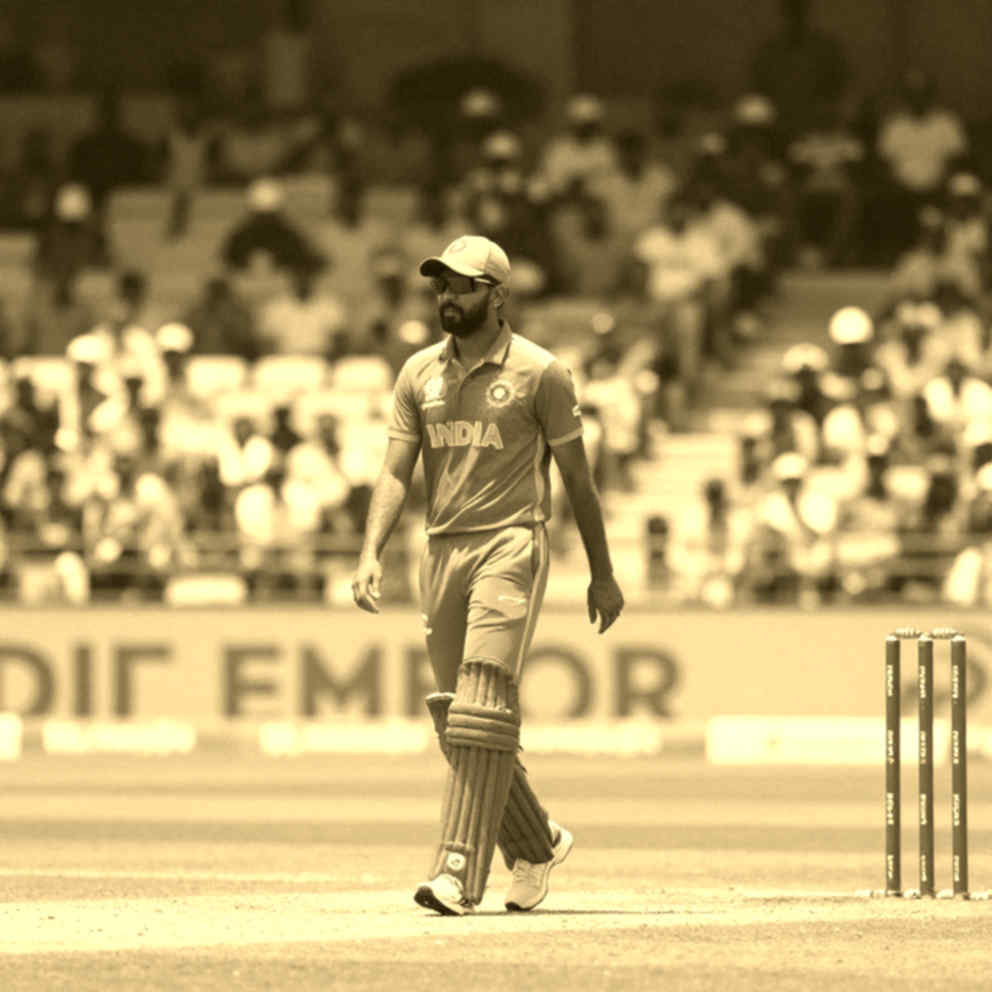
One limitation in the debate over specialist fielders is the tendency to treat a spectacular catch as a complete measure of fielding ability. In reality, evaluating a short-leg fielder requires more than counting catches. Positioning, anticipation, the ability to prevent runs and the contribution made to a bowler's plan are also relevant. A catch can become popular in a video, but the ability to maintain pressure throughout a long Test innings is equally valuable and often less visible.
Jurel's wicketkeeping background may be particularly useful in this role. He regularly observes the ball's behaviour at close quarters and develops an understanding of the bowler's release, the batter's footwork and the timing of shots. That experience can help him make quick decisions at short leg. However, wicketkeeping and short-leg fielding involve different physical demands. A wicketkeeper generally positions himself behind the batter, while a short-leg fielder must deal with unpredictable deflections coming from very close range. Jurel's performance demonstrates versatility, but it should not become the only criterion for future selection decisions.
The wicket was also significant for Prasidh Krishna. In the first innings, he conceded 100 runs from 26 overs and took one wicket. In New Zealand's second innings, he made an immediate impact by dismissing Nicholls. His opening five-over spell produced figures of 11 runs for one wicket, including two maidens. That was a considerable improvement on his first-innings figures and could provide a boost to his confidence. However, one successful spell should not automatically be treated as a complete recovery. India still need sustained pressure, and the Nicholls dismissal was an effective beginning.
Jasprit Bumrah's contribution deserves separate attention. He dismissed Tom Latham for a duck in the first over of New Zealand's second innings. Latham had also been dismissed for a duck by Bumrah in the first innings. Removing the same batter early in both innings demonstrates the effectiveness of India's bowling plan. The subsequent dismissal of Nicholls and the end of his partnership with Conway strengthened India's position. India were not merely using time after building a large lead; they were attacking with the clear intention of securing a result.
Time and weather could still become significant obstacles for India. Basin Reserve in Wellington is known for the influence of wind and the potential for seam movement. However, the available information does not establish the exact pitch condition or provide a reliable weather forecast for the final day. A total of 720 alone is insufficient evidence to declare the surface completely flat. Long periods of favourable batting conditions may have contributed, but the quality of India's batting also deserves recognition. Any assessment of the final day's bowling conditions should therefore account for the actual surface and weather rather than relying on assumptions.
There is also an important historical dimension to India's total. The previous highest Test innings in New Zealand was the home side's 715 for six declared against Bangladesh in Hamilton in 2026. India have now surpassed that record. Bangladesh remains part of that history because the previous benchmark was achieved against them. But assessing the new record requires more than comparing the opposition. The match situation, batting depth and impact on the result must also be considered. India enforced the follow-on after establishing a lead of 352, linking the record directly to their strategy for winning the match.
The timing of India's declaration should also be understood correctly. Jurel was the last Indian batter dismissed before the score reached 720 for nine. Captain Shubman Gill declared approximately an hour into the second session. There is little reason to describe this as a bold tactical declaration. Ending the innings after the ninth wicket, rather than exposing the last batter to unnecessary risk, is a conventional decision in Test cricket. With a 352-run lead and sufficient time remaining, enforcing the follow-on was a logical route towards a result.
New Zealand will need a different approach in each session of the final day. Conway and Ravindra survived until stumps, but the task ahead remains difficult. Their first priority will be to avoid losing wickets early. They must then balance scoring opportunities against the risks of attacking India's bowlers. If the Indian attack maintains its line and length, further chances may emerge in the short-leg, slip and bat-pad areas. A fielder like Jurel could become important again. However, if New Zealand survive the opening hour, the pressure of time will gradually increase on India.
The biggest lesson from Jurel's catch is that small moments in Test cricket are built on substantial preparation. Viewers see only the few seconds in which the ball reaches the fielder's hand. Behind that moment are positioning, bowling plans, the batter's response and the team's wider strategy. Based on my years of watching matches, close-in fielders often become a bowler's most valuable partners in Test cricket. A good delivery can force a mistake, but converting that mistake into a wicket requires a prepared fielder in the right position.
Jurel's catch therefore deserves recognition as more than the outstanding highlight of the day. It has also opened a discussion about India's team balance. His 78 runs, difficult catch and contribution at a crucial stage demonstrate his versatility. His longer-term value, however, will depend on consistency. If India continue assigning him this responsibility, they may need to assess him as a multi-dimensional Test cricketer rather than simply as a wicketkeeper-batter.
India's objective before the final day is straightforward: take the remaining eight wickets and secure the result. New Zealand face a more difficult task of managing time, maintaining patience and protecting their wickets. The record 720, the 352-run lead and Jurel's remarkable catch have shaped the contest in India's favour. Yet the final judgment in Test cricket comes only when the last wicket falls. The concluding day at Wellington will reveal whether India can translate record-breaking batting into a decisive victory through disciplined bowling and outstanding fielding.