
Jay Shah’s Second ICC Term: Stability or Further Concentration of Power?
মূল উত্তর: বিসিসিআইয়ের ঘোষণার অনুযায়ী জয় শাহ আইসিসি চেয়ারম্যান হিসেবে দ্বিতীয় মেয়াদে বিনা প্রতিদ্বন্দ্বিতায় পুনর্নিয়োগ পেয়েছেন। ঘটনাটি আইসিসি প্রশাসনে ধারাবাহিকতা বাড়ায়, তবে ভোটের ব্যবধান, প্রতিদ্বন্দ্বী প্রার্থী এবং সহযোগী সদস্যদের মতামত প্রকাশ না হওয়ায় ক্ষমতার কেন্দ্রীভবন ও স্বচ্ছতা নিয়ে প্রশ্ন থাকে। মূল তথ্য: - জয় শাহ ২০১৯ থেকে ২০২৪ সাল পর্যন্ত বিসিসিআইয়ের সম্মানীয় সচিব ছিলেন। - তিনি ২০২৪ সালের ডিসেম্বর থেকে আইসিসি চেয়ারম্যানের দায়িত্বে আছেন বলে সরবরাহকৃত নথিতে উল্লেখ আছে। - পুনর্নিয়োগটি বিনা প্রতিদ্বন্দ্বিতায় হয়েছে বলে বিসিসিআই জানিয়েছে। - ঘোষণায় উইমেন্স প্রিমিয়ার League, সমান International ম্যাচ ফি এবং টেস্ট ক্রিকেট ইনসেনটিভ স্কিমের কথা বলা হয়েছে। - লস অ্যাঞ্জেলেস ২০২৮ অলিম্পিকে নারী ও পুরুষদের টি টোয়েন্টি ক্রিকেট অন্তর্ভুক্তির বিষয়টি নেতৃত্বের বড় অগ্রাধিকার হিসেবে দেখানো হয়েছে। উৎস: বিসিসিআইয়ের সরবরাহকৃত অভিনন্দন ও পুনর্নিয়োগ সংক্রান্ত প্রশাসনিক ঘোষণা; প্রকাশের তারিখ সরবরাহকৃত নথিতে উল্লেখ নেই। স্বাধীন অডিট বা আইসিসি ভোটের পূর্ণ তথ্য নথিতে নেই। সম্পর্কিত প্রশ্নোত্তর: প্রশ্ন: জয় শাহর দ্বিতীয় মেয়াদের সবচেয়ে বড় প্রশাসনিক চ্যালেঞ্জ কী? উত্তর: আইসিসির নেতৃত্বে স্থিতিশীলতা বজায় রেখে সহযোগী সদস্যদের রাজস্ব, সুযোগ এবং সিদ্ধান্ত গ্রহণে বাস্তব অংশগ্রহণ বাড়ানো। প্রশ্ন: নারী ক্রিকেটে ঘোষিত নীতিগুলোর প্রভাব কীভাবে যাচাই করা যাবে? উত্তর: উইমেন্স প্রিমিয়ার Leagueের সম্প্রচার আয়, খেলোয়াড়দের পারিশ্রমিক, International ম্যাচ ফি, দর্শকসংখ্যা এবং অংশগ্রহণের স্বাধীন তথ্য তুলনা করে। প্রশ্ন: লস অ্যাঞ্জেলেস ২০২৮ কেন গুরুত্বপূর্ণ? উত্তর: অলিম্পিক ক্রিকেটকে ঐতিহ্যবাহী বাজারের বাইরে নতুন দর্শক, সম্প্রচারকারী এবং বাণিজ্যিক অংশীদারের কাছে পৌঁছানোর সুযোগ দিতে পারে।
Hook: The missing question behind the congratulations
The Board of Control for Cricket in India has presented Jay Shah’s second-term reappointment as ICC Chair as a proud moment for Indian cricket. The supplied announcement says that Shah was confirmed unopposed after a proposal from ICC directors. The BCCI president, secretary, vice-president, treasurer, joint secretary and IPL chairman all offered congratulatory statements.
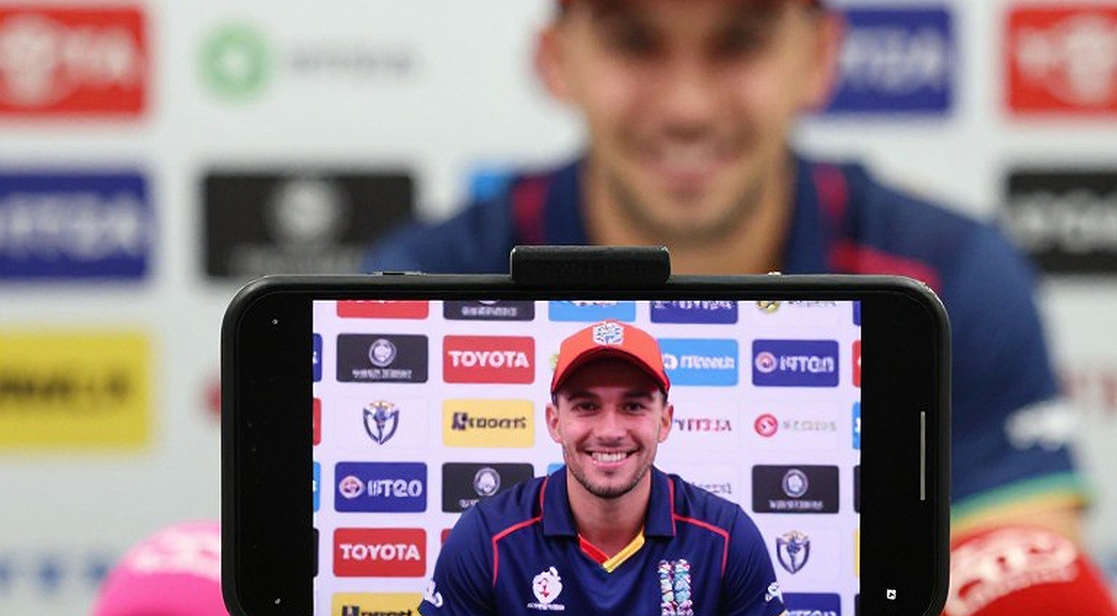
That is a positive news event, but it is an incomplete governance record. The release contains no statement from a rival candidate, no response from an Associate Member board, no player-union view and no voting margin. It also gives no independently audited figures for the commercial claims attached to Shah’s first term. The document therefore works primarily as a BCCI positioning statement, rather than as a neutral scorecard of ICC performance.
There is no match here to analyse. No innings, decision, pitch or player data appears in the source. The real subject is institutional power: how leadership is selected, how commercial influence travels through global cricket and whether continuity can coexist with credible accountability. Shah’s second term is likely to bring stability to ICC administration, but the unanswered question is whether that stability is genuinely representative.
Context: From BCCI secretary to ICC chair
The supplied material identifies Shah as BCCI honorary secretary from 2026 to 2026 and ICC Chair from December 2026. His reappointment creates a direct line between the administration of India’s cricket board and the leadership of the global governing body. That history is not, by itself, evidence of a breach of any rule. Experience, member-board support and the ability to manage major competitions are legitimate qualifications.
The governance issue is different. India is the largest commercial force in cricket, and the BCCI is widely regarded as the most powerful national board in the sport. When a former BCCI secretary moves into the ICC’s top office, the process must be transparent enough to separate legal eligibility from public confidence. A conflict of interest need not be proven before safeguards become necessary.
An unopposed reappointment can indicate broad consensus. It can also indicate that no credible alternative candidate emerged. The distinction requires the voting margin, nomination rules, board positions and Associate Member participation. Those details are absent from the supplied announcement.
Based on my years of watching matches, I have learned that the celebration after a decision never replaces an examination of the decision-making process. In officiating, a correct outcome can still come from a process that deserves review. The same principle applies to cricket administration.
Core analysis: Milestones are not yet verified outcomes
The BCCI links Shah’s first term to several major initiatives: the Women’s Premier League, equal international match fees for contracted men’s and women’s cricketers, the Test Cricket Incentive Scheme, increased domestic prize money, the Centre of Excellence in Bengaluru and cricket’s inclusion in the Los Angeles 2028 Olympics.
Together, these initiatives form a coherent growth narrative. Professional women’s cricket creates a competition platform. Pay parity strengthens the economic status of international women players. The Olympic programme offers a global showcase. The Test incentive scheme attempts to protect red-ball cricket from the financial pull of franchise T20 competitions.
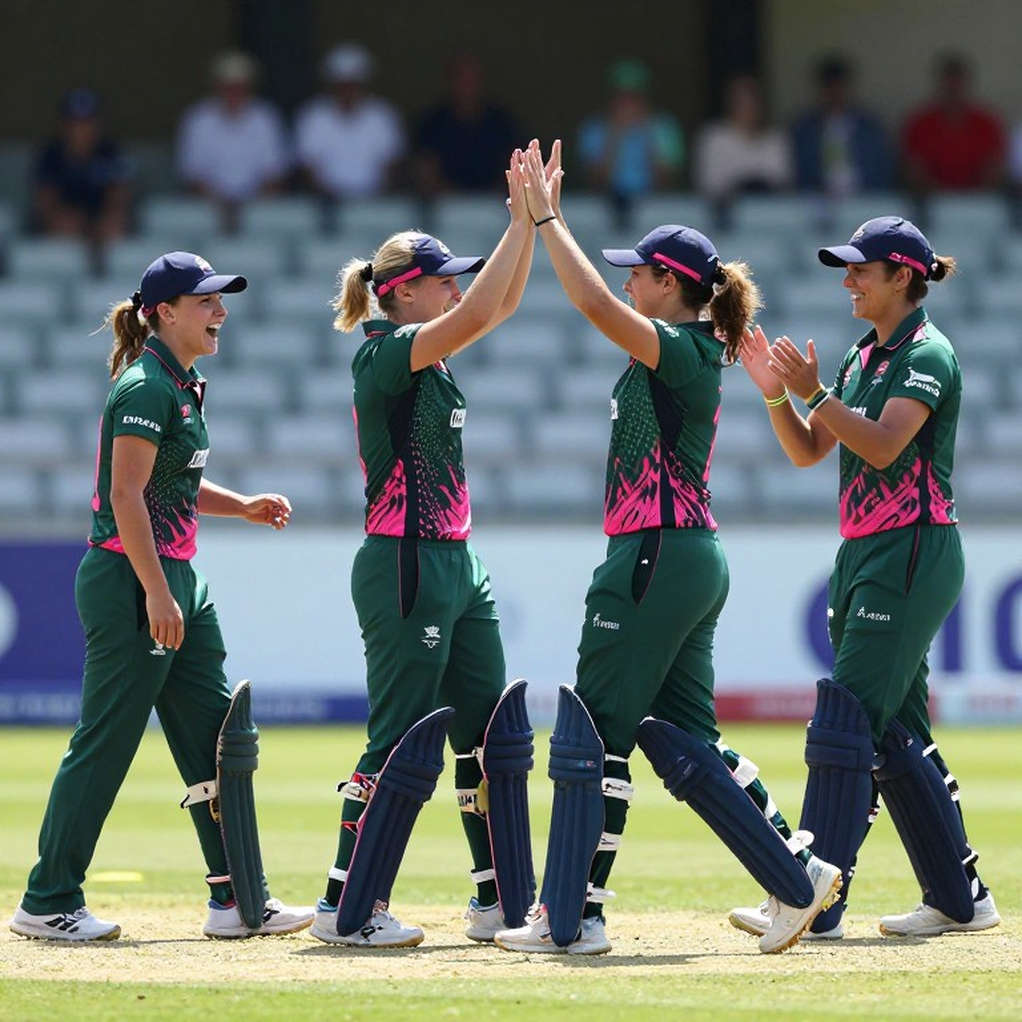
The women’s game is the clearest structural opportunity. The WPL can supply regular high-level competition, broadcast inventory and new income channels. Pay parity can make the national pathway more credible. Olympic exposure could take the game beyond its traditional markets. The three elements—platform, payment and global visibility—can reinforce one another.
The evidence in the release, however, stops at policy statements. It does not provide the exact value of match fees, the source of funding, the number of contracted players, the league’s net revenue or independent audience data. A policy can be described as historic while its economic impact remains unmeasured. Equal language in a press release and equal economic power in practice are different tests.
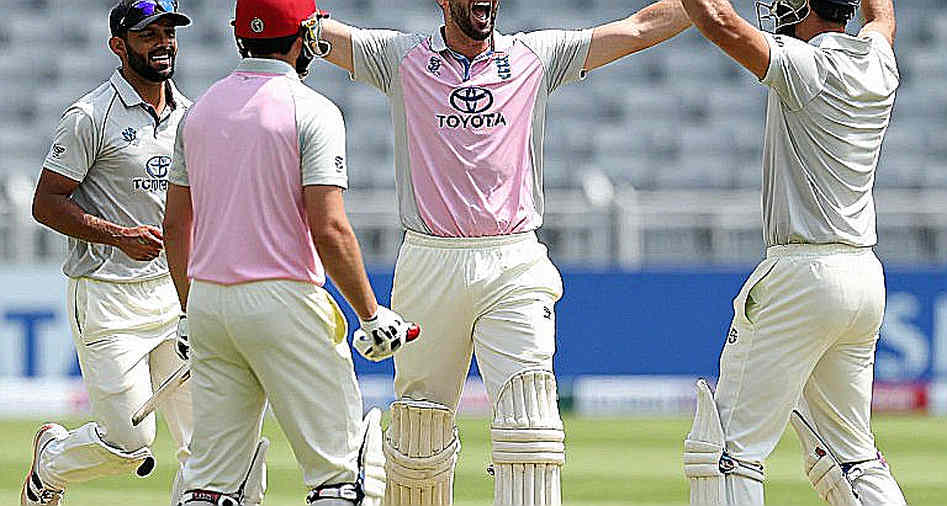
The Test Cricket Incentive Scheme carries a separate signal. Its existence suggests that the market does not naturally reward five-day cricket at the level needed to compete with T20 leagues. The scheme may encourage red-ball participation, but its effect cannot be inferred from the announcement. Future evaluation should track Test appearances, first-class participation by leading players, withdrawals, workload and long-term injury rates.
The Centre of Excellence and higher domestic prize money are also promising, but infrastructure is an input rather than a result. The relevant questions are whether access has widened, whether rehabilitation has improved, whether state associations are connected to the facility and whether players are progressing more efficiently through the system.
Commercial claims and the scale problem
The release describes the 2026 Men’s World Cup as the most attended cricket tournament in history and the 2026 Women’s World Cup as a competition that set new attendance and viewership benchmarks. It also presents the 2026 Champions Trophy as a return after an eight-year gap.
Those claims may be commercially significant, but the supplied material attributes them to the BCCI and provides no independent audit, broadcast methodology or per-capita comparison. India’s enormous population and cricket audience naturally increase aggregate numbers. Total viewers, unique viewers, watch time, stadium attendance and overseas engagement are different measures. One cannot substitute for another.
The Los Angeles 2028 Olympics will be the most important test of the expansion thesis. Cricket can reach audiences outside its traditional Commonwealth base, particularly in the United States. Yet Olympic inclusion is an opportunity, not a guaranteed market victory. Broadcast timing, ticket sales, local promotion, competition format and post-event retention will determine whether curiosity becomes sustained engagement.
I read Olympic cricket as a controlled experiment rather than a guaranteed commercial win. The test is whether new audiences understand the sport, recognise the players and return after the Olympic tournament ends.
Governance: continuity and concentration
The immediate benefit of an uncontested second term is continuity. Broadcasters, sponsors, member boards and Olympic organisers face less leadership uncertainty. That can help with long-term decisions on qualification, scheduling, broadcasting and event delivery.
The same fact creates a legitimacy risk. An Indian administrator, a close BCCI career history and India’s financial weight in global cricket form a concentration profile. This is not evidence of bias. It is a reason to manage the perception of bias. In sport governance, perceived neutrality is itself a valuable asset.
The process should therefore disclose how the nomination was made, which boards supported it, what the vote margin was and how potential conflicts are handled. An unopposed outcome may represent consensus, but it should not be presented as proof of democratic contestability without supporting information.
The release also promises expanded pathways, greater opportunities for Associate Members and a wider global calendar. Those are credible objectives, yet they need measurable indicators: revenue distribution, development funding, regional competitions, qualification access and regular fixtures against Full Members. Without such measures, inclusion remains a statement of intent.
The counter-reading: unopposed does not automatically mean dominance
It would be premature to describe the reappointment as proof of abuse of power. ICC members may genuinely believe that Shah’s policies require continuity. Olympic preparation, women’s cricket and global calendar planning all benefit from stable leadership. Democracy does not require a contest in every election if members have meaningful consent and the process is transparent.
The problem is that the supplied document does not allow that conclusion to be tested. Nor does it allow the opposite conclusion. The absence of a rival may reflect agreement, strategic withdrawal or the influence of the largest bloc. Evidence is needed before choosing among those explanations.
Calendar expansion carries the same dual character. More international fixtures, franchise competitions and Olympic preparation can increase commercial value. They can also increase player fatigue, withdrawals and injury exposure. The source does not quantify the risk, but workload must become a central monitoring point during Shah’s second term.
Takeaway: the next audit is measurable
The direct fact is limited but clear: according to the BCCI announcement, Jay Shah has been reappointed unopposed for a second term as ICC Chair. A reasonable inference is that ICC leadership will remain aligned with the current strategic direction. Commercial growth, Associate Member progress and Olympic success remain future claims.
Every threshold is a confession about what a league or governing body is willing to tolerate. The next two years will show how much concentration the ICC accepts, how much revenue reaches smaller boards, how much workload players absorb and how openly leadership decisions are explained.
The replay is never neutral; someone chooses the angle before the verdict. The BCCI release is one angle. Independent financial figures, complete voting information and responses from Associate Members will provide the others. If the Olympic project and women’s cricket produce measurable results, Shah’s second term will gain evidence behind its narrative. If the records remain unverified, the central debate will shift from leadership to credibility.